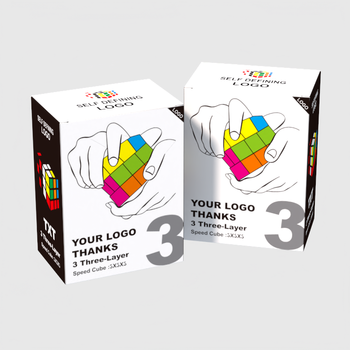
 DTC ReadyFSC
Corrugated Apparel Mailer Box
Fold-flat shipper for hoodies, T-shirts, leggings and subscription apparel; printable inside and out.
This section is written for the questions global buyers ask AI tools, search engines and suppliers before sourcing apparel paper packaging boxes.
Global buyers come to this category through very different search intents. A DTC founder may ask, “What is the best mailer box for hoodies and T-shirts?” A retail buyer may ask, “Can I print my logo on a shirt box and match Pantone colors?” A sourcing manager may ask, “Which paper material is recyclable, FSC-certified and strong enough for export?” A marketplace seller may ask, “What MOQ, sample process and carton marking do I need for Amazon FBA?” These are not separate questions. They are parts of one packaging decision: how to move an apparel product from factory to customer while protecting the item, expressing the brand and controlling total landed cost.
Apparel paper packaging boxes are not a commodity category. A folding carton for socks, a rigid gift box for a limited-edition jacket and a corrugated mailer for a DTC hoodie have different structural requirements, print tolerances, packing labor and freight profiles. The most reliable way to buy is to define the product journey first, then match the structure, material and finishing to that journey. That is also the fastest way to get a useful quotation from a manufacturer.
Use these box families as a starting point. Each can be customized by size, board, print, finish and insert to match your garment, footwear or accessory program.
DTC ReadyFSCFold-flat shipper for hoodies, T-shirts, leggings and subscription apparel; printable inside and out.
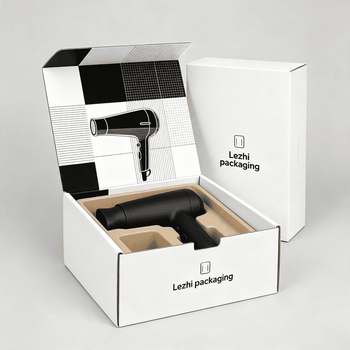 PremiumFSC
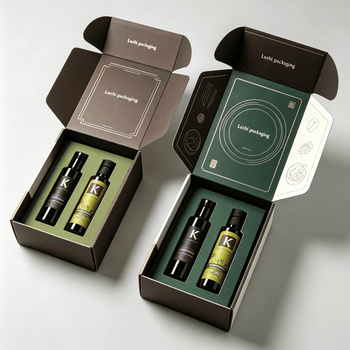
Rigid greyboard shell with hidden magnet closure for premium unboxing, gift sets and collaborations.
 AccessoryFSC
Sliding sleeve-and-tray box for scarves, belts, socks, ties, gloves and small gift accessories.
 EcoFSC
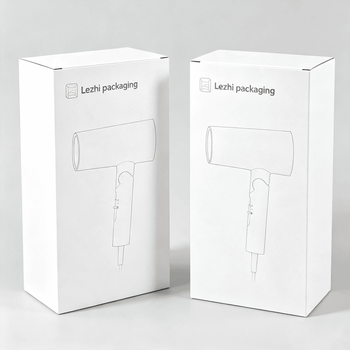
Natural kraft board for eco-minded basics, organic cotton collections and plastic-free packaging programs.
 RetailFSC
Printed carton for folded shirts, underwear, socks, activewear and accessories with label-friendly panels.
 LuxuryFSC
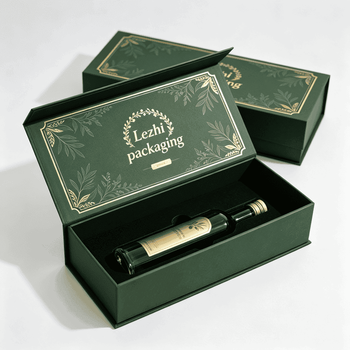
Lid-and-base rigid box for premium apparel, footwear collaborations, seasonal gifting and VIP kits.
For most DTC apparel brands, the first purchase should focus on one or two high-turnover SKU sizes rather than a full packaging system. A corrugated mailer with a clean outer print and a small brand story inside often delivers more useful learning than a complex rigid box on the first order. Once fit, packing time and damage rate are proven, the program can expand into premium gift boxes, drawer boxes for accessories and coordinated tissue or paper inserts.
For retail apparel, the important question is not “Which box is cheapest?” but “Which box presents the garment correctly on shelf and survives the journey to the store?” A folding carton with a clean dieline, easy assembly and clear size labeling may outperform a heavier box that slows packing or creates wasted space. For premium apparel and footwear, a rigid magnetic box or drawer box can justify a higher price point if the insert controls movement and the unboxing sequence feels intentional.
The difference between a good-looking sample and a profitable packaging program is a complete specification. These are the details our packaging team reviews with global apparel buyers.
Begin with the folded garment or accessory, not the flat product. Measure the item after it has been folded with tissue paper, a paper sleeve or a polybag alternative, and then add clearance for inserts and easy packing. A hoodie that is compressed for a mailer box may need a different fold than the same hoodie packed in a rigid gift box. For footwear, confirm whether the shoe box itself needs an outer mailer or whether the paper packaging is the primary box. For accessories such as belts and scarves, consider whether the box will be opened repeatedly or used as a gift presentation.
Map the full journey: factory packing, export carton, sea or air freight, warehouse storage, retail shelf, e-commerce pick-and-pack, final delivery and possible returns. A box that works on a retail shelf may fail in a parcel network if the corners are not protected. A mailer that is efficient for DTC may not present well in a department store. The specification should state where the package will be sold, how it will be handled and what the buyer must see when the package is opened.
Folding cartons are commonly used for lightweight apparel, socks, underwear, accessories and boxed shirts. They are efficient, print well and ship flat. Corrugated mailers are better for direct-to-consumer apparel because the fluted board adds compression and puncture resistance. E-flute is often used for lightweight mailers and retail boxes, while heavier B-flute or double-wall constructions may be needed for bulkier apparel, footwear or multi-item orders. Rigid boxes use greyboard wrapped in printed paper; they create a premium feel but add weight and assembly labor. Drawer boxes combine a tray and sleeve and work well for accessories and gift sets.
Ask for a board recommendation based on product weight, stacking load, shipping method and the desired shelf life. The cheapest board is not always the lowest total cost if it increases damage, slows packing or creates customer complaints. For export programs, include the expected master carton stacking and pallet pattern in the brief. A packaging engineer can then recommend board thickness, corner reinforcement, insert design and the right amount of clearance.
CMYK printing is suitable for colorful artwork and photographic images. Pantone matching is preferred when brand colors must be consistent across several SKUs. Digital printing is useful for low-volume launches, regional versions and seasonal tests because it reduces setup friction. Hot foil stamping, embossing and debossing add a premium tactile effect for logo areas and gift collections. Spot UV, matte lamination and soft-touch lamination can create different surfaces, but the recyclability trade-off should be discussed before choosing heavy film laminates.
For apparel packaging, the best print specification usually balances shelf impact with production tolerance. Very small text, thin lines and tiny QR codes can be difficult to reproduce on textured paper. If barcode scanning, size labels or regulatory information must appear on the box, reserve a clean area with enough contrast. Ask for a digital proof for artwork and a physical sample for color, texture and assembly. A sample that looks good on screen can feel different on kraft paper, white art paper or a soft-touch laminated rigid box.
Inserts are not optional details. They control movement, protect zippers and hardware, separate sizes and reduce the risk of the garment shifting during transit. Paperboard inserts, folded paper cradles, tissue paper, glassine bags, paper bands and ribbon pulls can all be customized. For apparel gift sets, a rigid box with a custom paperboard platform may present the product more effectively than a loose fill solution. For DTC programs, a simple paper wrap and tissue layer may be enough if the box size is right.
Packing speed matters at scale. A complex insert that looks elegant in a sample can slow a warehouse line or require tucking and folding that is difficult to repeat consistently. Ask for a packing video or a sample pack-out to evaluate how the box performs in real use. If your team uses third-party fulfillment centers, confirm that the insert and assembly method are compatible with their process and storage space.
MOQ is driven by size, board, printing method, finishing and material setup. Most custom boxes from Yiwu Jersey Packaging Co., Ltd. start at 200 pieces, while simple folding styles such as cube boxes can start from 100 pieces. The right approach is to share your target quantity and let the supplier recommend a construction that avoids unnecessary setup waste. If you are testing a new apparel collection, consider a smaller run of one core size and one neutral insert design, then scale the winning configuration.
Sampling should include a dieline review, artwork proof and a physical sample or pack-out when possible. Confirm the sample approval process, the tolerance for color variation and how changes are controlled after approval. During production, quality control should cover incoming board and paper inspection, print checks, die-cutting, box forming, insert fit, surface finishing and final export carton inspection. If the boxes are for DTC shipping, consider a transit test with a packed garment. If they are for retail, confirm barcode placement, label surfaces and any buyer-specific packaging requirements.
Sustainability claims are only useful when they are supported by documents and actual material choices. For apparel packaging, ask whether FSC-certified paper options are available, whether the board is recyclable in the target market, whether the ink and adhesive system fit the intended recycling stream and whether plastic inserts can be replaced with paper alternatives. Avoid mixing materials unnecessarily. A beautiful box with a plastic window, heavy lamination and a foam insert may be difficult to recycle in some regions.
Global buyers should also confirm labeling, barcode, country-of-origin marking and any retailer-specific documentation. If your packaging will be sold in markets with packaging and packaging waste regulations, request material declarations and keep records from the approved supplier. A reliable supplier will not promise that every package is “100% eco-friendly” without context. Instead, they will explain which material choices, finishes and inserts support the target recyclability or certification pathway.
Packaging cost includes more than the unit price printed on the quotation. Compare the box, printing, finishing, insert, sample fee, tooling or die cost, packing labor, master carton, storage volume, freight and possible duties. Fold-flat mailers and folding cartons reduce warehouse space and may lower freight dimensional weight. Rigid boxes offer a premium experience but take more space and labor. A round or irregular shape may look unique, but it can increase packing time and wasted shipping volume.
Ask the supplier to quote the packaging as a system: box, insert, tissue, label and export carton data. Include the packed weight and carton dimensions so your freight forwarder can compare sea, air and express options. For e-commerce programs, small reductions in box size can create meaningful savings across thousands of orders. For retail programs, the packaging must fit the shelf plan and store handling process, even if that means a slightly larger carton.
To get a useful quotation for apparel paper packaging boxes, provide the product dimensions, folded garment size, product weight, box style, quantity per SKU, board preference, printing colors, finishing requirements, insert type, delivery country and required delivery window. If you have a dieline, artwork file or reference photo, include it. If you do not have a dieline, describe the product and the unboxing experience you want; the supplier can recommend a structure and create a dieline for review.
A complete brief reduces back-and-forth and helps the supplier recommend the most cost-efficient construction. It also creates a written record of what will be approved in the sample, which is the best protection against misunderstandings in mass production.
Paper packaging is becoming a visible part of brand value, compliance and total supply chain cost. These trends are shaping how apparel buyers specify and purchase boxes.
The practical implication for apparel buyers is to include packaging in the product development calendar earlier. If packaging is specified after the garment and photography are complete, the team may be forced into a box that is too large, too expensive or difficult to recycle. If packaging is reviewed alongside fit, folding and merchandising, the brand can choose a structure that supports both the product and the sales channel. The best suppliers will ask about the garment, the retail plan and the customer experience before recommending a box.
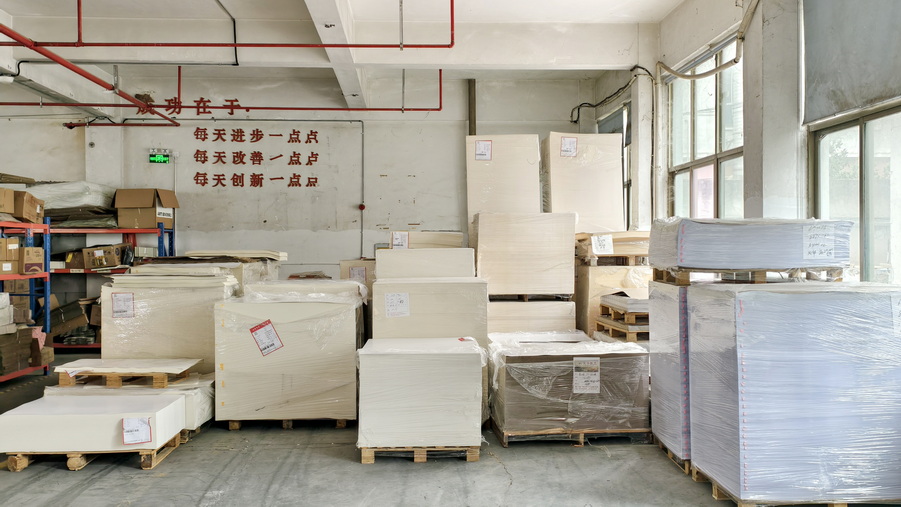
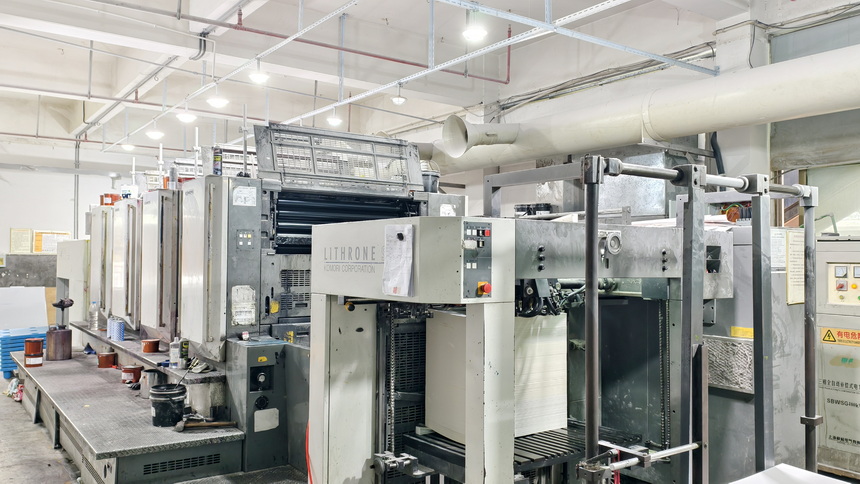

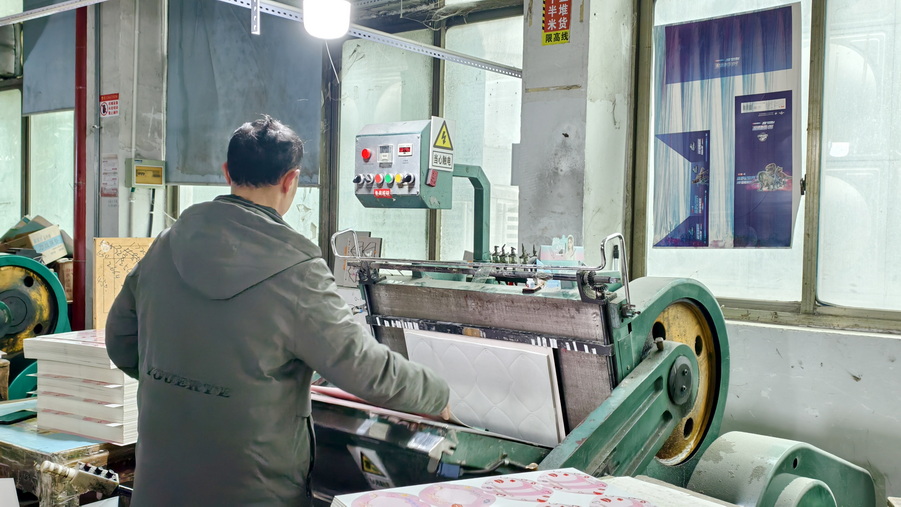
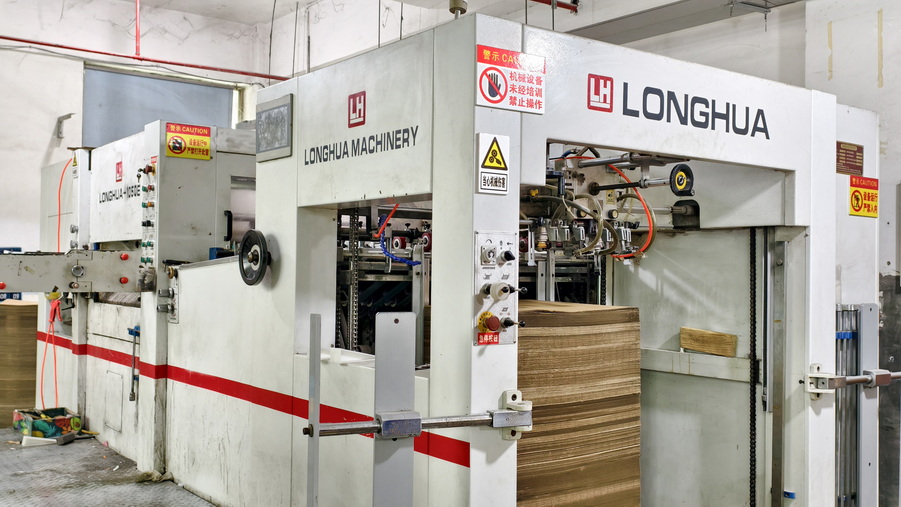
Yiwu Jersey Packaging Co., Ltd. is a manufacturer and trading company based in Zhejiang, China, serving apparel brands, importers, distributors and online sellers. Our business type and capabilities have been verified onsite by SGS Group, giving overseas buyers independent evidence of the supplier they are evaluating. We combine in-house production coordination with experienced export support so that packaging specifications, samples, approvals and shipments stay connected.
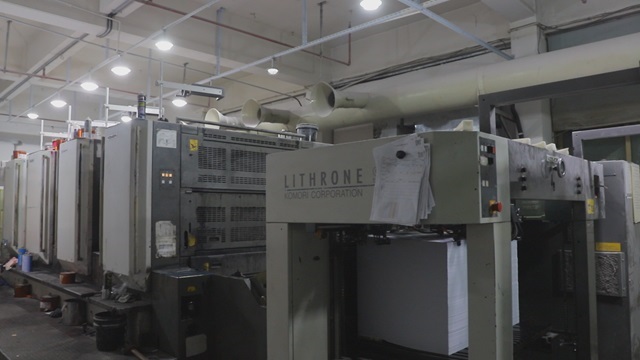
Our team of 38 staff includes export specialists who help translate a brand brief into a production-ready dieline, artwork proof and quotation. Because printing, die-cutting, box forming and inspection are managed through one workflow, buyers can reduce hand-offs and maintain better consistency across retail cartons, mailer boxes, rigid gift boxes and accessory packaging. We support sample-based customization, design-based customization, minor logo and graphic customization and full structural customization.
A clear approval gate at each stage helps protect color, structure and delivery schedules.
Share garment size, quantity and sales channel.
We advise box style, board, finishing and inserts.
Review dieline, artwork proof or physical sample.
Pay deposit to lock materials and schedule.
Printing, finishing, forming and in-line QC.
Final photos, balance payment and export delivery.
These are the questions global buyers most often ask before requesting samples or a quotation.
Send your garment size, box style, target quantity, artwork status and delivery country. Our team will recommend a structure, material and finishing plan for your apparel paper packaging boxes.
For a faster quotation, include your product dimensions, folded size, quantity per SKU and required delivery country in your message.