 Gourmet GiftFSC
Food-Grade Square Gift Box with Gold Foil and Embossing
Best for honey, biscuits, tea, confectionery and premium pantry gift sets. Recommended with a paper divider or molded pulp insert.
Gourmet food packaging boxes are custom paper-based packages used to protect and present premium foods such as coffee, tea, chocolate, biscuits, confectionery, olive oil, honey, spices, bakery items, sauces and curated gift hampers. For a food brand, the box is part of product quality: it must hold the product securely, keep its shape during sea freight, present legally required label information and reflect the price point. That is why procurement teams compare board grade, print method, food-contact declaration, insert construction and export carton design, not only unit price.
From a search-intent perspective, global buyers usually arrive with one of five questions: Can the material be food-grade? What is the MOQ? Can I print my brand at low volume? Will the box survive sea freight and e-commerce delivery? Can you provide FSC or recyclable options? Answering those questions directly is important because Google increasingly rewards content that satisfies the whole buying journey rather than repeating a keyword. This guide is built around those real procurement decisions.
One practical example: for a 250 g coffee bag gift set, we may recommend a 350 gsm coated food-grade paperboard folding carton with matte lamination and a printed paper insert. For a 500 ml olive oil bottle, a rigid 2 mm greyboard drawer box with molded pulp or EVA insert usually gives better protection. For chocolate, a food-grade box with a divider and a grease-resistant liner may be more suitable. These differences matter because a beautiful box that dents, leaks ink or fails retailer checks creates more cost than a slightly higher-priced, correctly specified box.
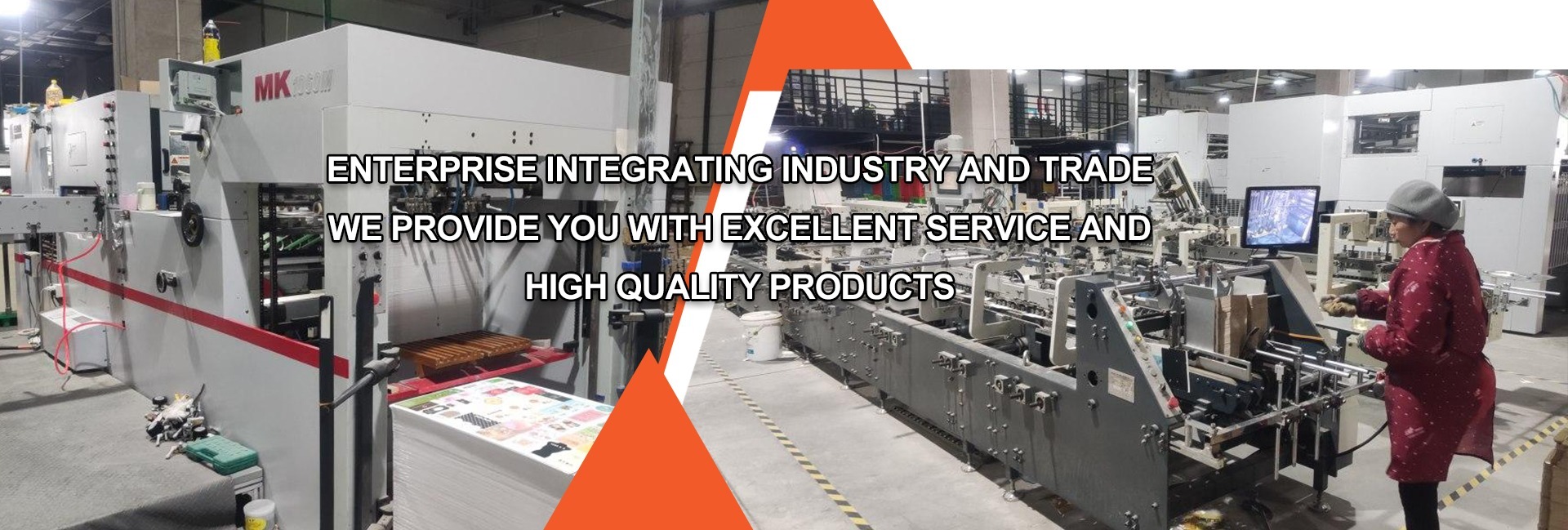
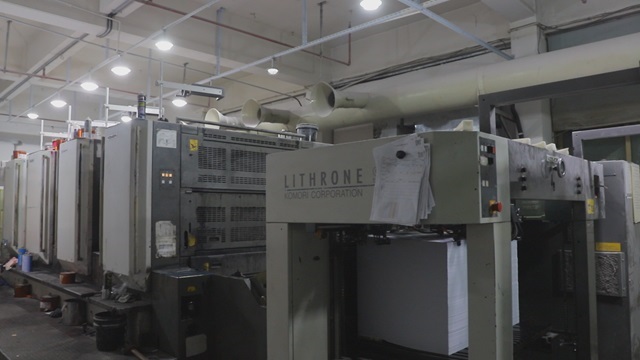
Yiwu Jersey Packaging Co., Ltd. works with brand owners, food gift suppliers and marketplace sellers from North America, Europe, the Middle East and Asia-Pacific. Our team turns artwork, product dimensions and target shelf price into a practical dieline, material specification and finishing plan. Because printing, die-cutting, rigid box forming and final inspection are coordinated in one workflow, buyers receive consistent color and fewer hand-offs between suppliers.
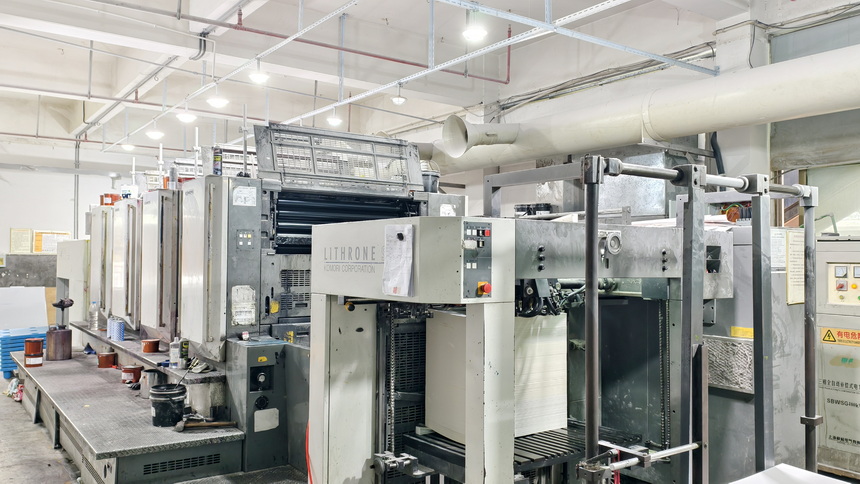

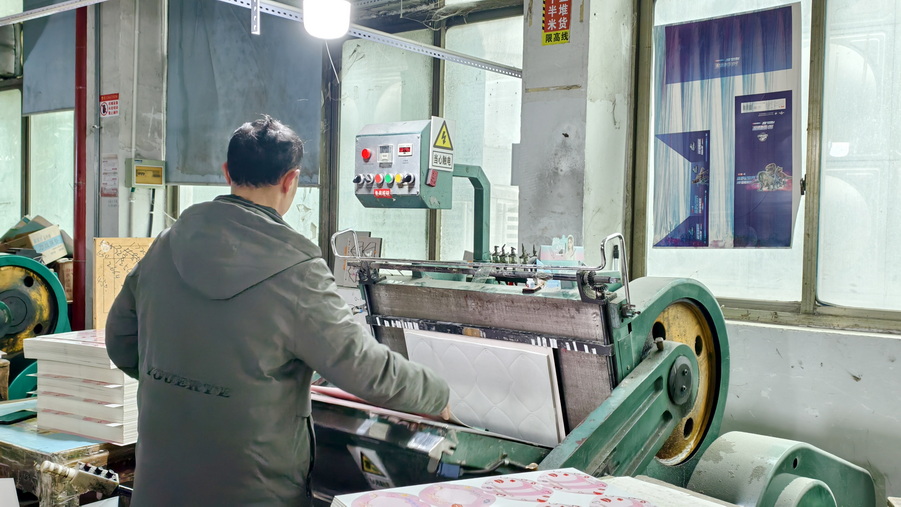
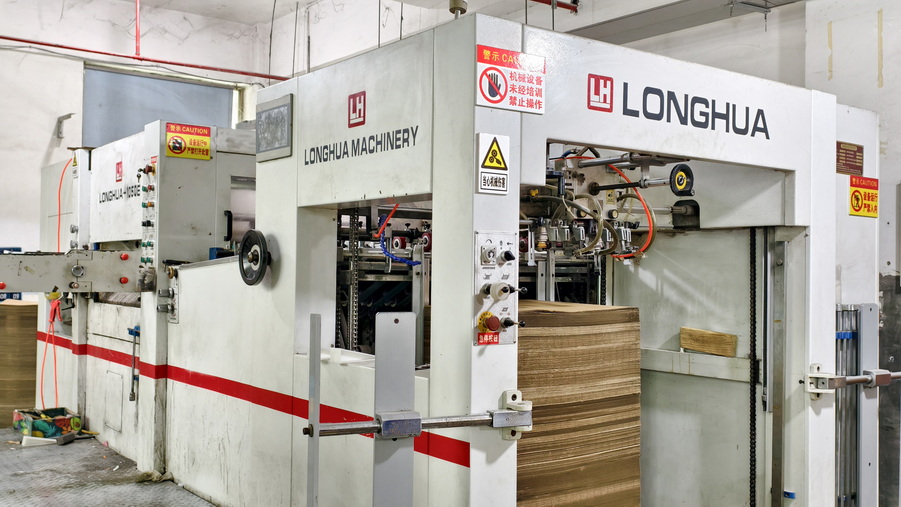
These reference structures cover the most common buyer intents for premium food packaging: retail shelf display, gift positioning, fragile bottle protection, coffee and tea freshness, and low-volume test orders.
Gourmet GiftFSCBest for honey, biscuits, tea, confectionery and premium pantry gift sets. Recommended with a paper divider or molded pulp insert.
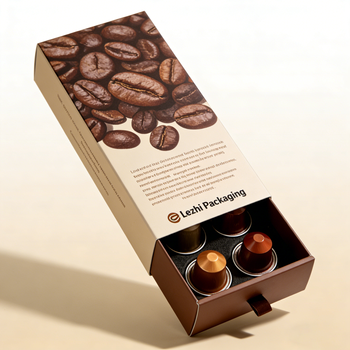
 CoffeeFSC
Retail-ready carton for capsules, coffee bags and sampler sets. Suitable for CMYK printing, matte varnish and counter display.
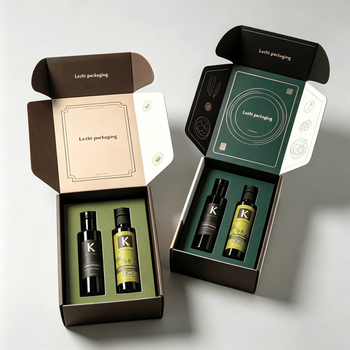
 Digital PrintFSC
Useful for new SKU launches, limited editions and low-volume private label tests where artwork changes often.
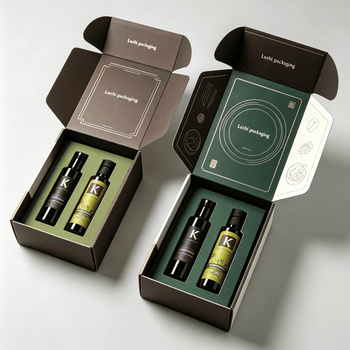
 Olive OilFSC
Designed for glass bottles, gourmet oil and vinegar sets. Pair with EVA, paperboard or molded pulp for bottle stability.
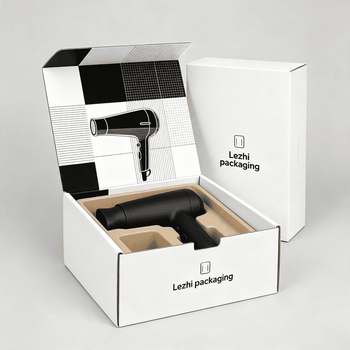 HamperFSC
For multi-item gift sets, jams, cheese tools, tea tins and premium pantry assortments. Magnetic lid supports repeat use.
 Drawer BoxFSC
Sliding tray and sleeve structure with ribbon pull option. Ideal for giftable tea, truffles, nougat and small-batch foods.
Product recommendations are starting points, not fixed catalogue limits. The right gourmet food packaging box depends on product weight, grease or moisture exposure, retail channel, artwork complexity and shipping route. Send your product dimensions and a reference image through the inquiry button and our team will recommend a structure, board grade and insert.
Purchasing teams are no longer buying only boxes. They are buying predictable quality, documented materials, lower inventory risk and a packaging partner who understands retail and export deadlines.
Global buyers increasingly test new gourmet SKUs with 100–500 pieces before committing to container volumes. They want a supplier who can hold the same dieline and color standard from the first sample to repeat orders. Yiwu Jersey Packaging Co., Ltd. supports sample-based, design-based, minor logo and graphic, and full customization modes, with many styles starting around 200 pieces and selected folding boxes from 100 pieces. For buyers, this means lower inventory risk and the ability to validate a retail listing before scaling.
Procurement teams now request FSC material evidence, recyclable structure options, food-contact paper declarations, carton weights, barcode placement and high-resolution product photos before approving a supplier. Sustainable packaging is no longer a slogan; it must be verifiable in the specification. Our team documents board type, print process, finishing, insert material and export carton details so that internal QA and retailer compliance teams can review the proposal without multiple clarification rounds.
Freight cost and damage rates directly affect landed cost. Many gourmet brands now ask for flat-pack magnetic boxes, right-sized folding cartons and paper-based inserts to reduce shipping volume and plastic use. At the same time, glass jars and oil bottles still need strong corner protection and a tested insert. We review the full journey from factory carton to retail shelf or e-commerce parcel so the box performs in the real supply chain, not only in a product photo.
Christmas, Ramadan, Mid-Autumn Festival, Valentine’s Day, Mother’s Day and corporate hamper seasons put pressure on production capacity and artwork approvals. Buyers are booking packaging slots earlier and freezing artwork before peak periods. Good version control matters: final dieline, print file, spot color, foil position and insert drawing must match the approved sample. Yiwu Jersey Packaging Co., Ltd. keeps the approved specification as the reference for production and final inspection.
Premium food packaging is moving toward material efficiency, verified sustainability and more precise product protection. These trends are useful for buyers planning the next 12–24 months of packaging development.
| Development Trend | What It Means for Gourmet Food Packaging Boxes | Buyer Benefit |
|---|---|---|
| Mono-Material Paper-First Design | Using paperboard, paper wraps and paper inserts wherever product protection allows, while minimizing mixed plastic elements. | Easier recycling communication and cleaner sustainability claims. |
| High-Impact Finishing at Lower Weight | Hot foil, embossing, spot UV and soft-touch lamination applied to well-chosen 300–400 gsm board instead of unnecessarily heavy rigid board. | Premium shelf appearance with lower material and freight cost. |
| Engineered Inserts for Glass and Fragile Foods | Custom paperboard fitments, molded pulp, EVA or foam inserts designed around the actual jar, bottle or tin dimensions. | Fewer damages, better unboxing and more confident e-commerce shipping. |
| Digital and Hybrid Print Workflows | Digital print for test launches and short runs, offset or hybrid print for stable high-volume programs. | Faster artwork changes and lower risk for new SKUs. |
| Right-Sized Packaging and Dimensional Weight | Reducing empty space inside the box and optimizing export carton fill to control shipping cost. | Better freight efficiency and more professional retail presentation. |
| Reusable and Refillable Gift Structures | Stronger magnetic lid-and-base boxes, drawer boxes and keepsake tins that consumers may reuse. | Longer brand exposure after purchase and stronger gift appeal. |
| Connected Packaging and QR Codes | QR codes linking to recipes, origin stories, traceability pages or serving suggestions. | Better consumer engagement without changing the box structure. |
| Clean-Label Food Safety Documentation | Selecting appropriate board, low-odor inks, liners and inserts for the specific food-contact scenario. | Smoother retailer approval and clearer internal compliance review. |
Trends should be applied selectively. The best gourmet food packaging box is the one that protects the product, meets the market requirement and fits the brand’s price position without adding unnecessary material or process complexity.
These are the questions global buyers, marketplace sellers and food gift brands most often ask before requesting a quotation.
Experience matters when a retail launch depends on packaging quality, documentation and delivery timing. Our workflow is built around those realities.
Yiwu Jersey Packaging Co., Ltd. is a manufacturer and trading company based in Zhejiang, China. Our business type and capabilities have been verified onsite by SGS Group, giving overseas buyers independent evidence of the supplier behind their packaging project. Our team includes export specialists who understand artwork files, sampling approvals, Incoterms and shipment documentation.
We support four customization paths: sample-based customization, design-based customization, minor logo and graphic customization, and full structural customization. That flexibility helps a brand move from a reference photo or sketch to a production-ready dieline without losing time in miscommunication.
Our team can recommend board grade, closure style, insert material and finishing according to the food product, sales channel and target price. We regularly work with coated paperboard, kraft paper, greyboard rigid boxes, corrugated mailers, special paper wraps, hot foil stamping, embossing, debossing, spot UV, matte lamination and soft-touch lamination. FSC-certified paper options and recyclable paperboard are available for suitable projects.
Before mass production, we review dieline structure, print file, color standard and insert fit. During production, printing, die-cutting, box forming and final inspection are coordinated to reduce hand-off risks. The result is packaging that looks consistent on shelf and performs as expected in export cartons.
Share your product size, weight, target market, artwork status, quantity and any food-contact or sustainability requirements. Our team will reply with a dieline, material recommendation and production plan.