Food-Grade Materials and Compliance: What Global Buyers Must Confirm
“Food-safe” is not a single certificate. It is a chain of material choices and documentation. Custom food packaging boxes may be designed for direct contact, indirect contact or secondary packaging. Each situation carries different requirements. A baker might need grease-resistant paperboard for pastries; a coffee brand may use an inner barrier bag inside a printed carton; a chocolate gift box may use a rigid outer box with a food-safe paper insert. The correct specification depends on the food type, fat content, moisture level, storage temperature, shelf life and destination market.
Key controls for food packaging projects
- Contact layer: define whether paper, coating, liner or an inner bag touches the food.
- Barrier requirement: grease, moisture, oxygen, aroma and light protection should be specified before quoting.
- Ink and adhesive system: low-migration inks and adhesives may be required for food-contact applications.
- Finishing position: foil, lamination and varnish should be placed away from the food-contact surface or protected by a functional layer.
- Destination regulations: request documentation for the intended market, such as material declarations and food-contact statements where applicable.
- Sample validation: a physical sample helps confirm fit, strength, barrier feel and print quality before mass production.
Yiwu Jersey Packaging Co., Ltd. supports FSC-certified paper options, food-grade paperboard selections, low-migration ink systems where required, and paper, EVA or foam inserts depending on the product. We do not describe a box as food-safe until the material specification and intended use have been reviewed. This is the responsible approach for professional food brands, because final compliance depends on the complete pack — not only the printed box.
Future Procurement Trends for Custom Food Packaging Boxes
Procurement teams are becoming more technical. Packaging is no longer purchased only by price and print quality; it is increasingly evaluated as a regulated, data-supported component of the food supply chain. The following trends are shaping supplier selection and RFQ preparation.
1. Compliance documentation moves to the RFQ stage
Buyers now ask for material declarations, migration information, food-contact statements and destination-market requirements before approving a sample. This reduces the risk of a late-stage packaging change.
2. Low-MOQ and short-run packaging continue to grow
New brands, limited editions and seasonal flavours need smaller production runs. Digital printing and flexible material planning help buyers test the market before scaling to offset production.
3. Verified factories and supply resilience matter more
Global procurement teams compare audit status, production capability, export experience and communication responsiveness. An SGS onsite-verified supplier provides an additional layer of confidence.
4. Landed cost is calculated with packaging cube in mind
Foldable boxes, flat-packed cartons and efficient carton configurations can reduce freight volume. Procurement teams increasingly compare not just unit price but landed cost, storage space and fulfilment efficiency.
5. Sustainability requirements become specific
Buyers ask for FSC paper, recyclable board, plastic-free inserts, mono-material approaches and clear environmental claims. Claims need to be verifiable and appropriate for the destination market.
6. E-commerce-ready food packaging is becoming standard
Subscription food boxes, pantry kits and gift hampers need packaging that can survive courier handling while still creating a good unboxing experience. Structural testing and corrugated outer protection are increasingly part of the brief.
7. Digital collaboration shortens approval cycles
Dielines, 3D mock-ups, digital proofs, production photos and video inspections help overseas buyers approve details without unnecessary travel.
Product Development Trends in Food Packaging
Beyond procurement, product teams are rethinking how food packaging communicates value. The most durable trends are those that solve a practical problem while improving shelf presence. For custom food packaging boxes, the development direction is toward lighter structures, clearer sustainability claims, more precise inserts and better small-batch flexibility.
- Paper-based barriers and mono-material design: brands are exploring recyclable paper solutions for dry foods and secondary packaging while keeping protection requirements realistic.
- Low-migration printing and coatings: food brands are specifying inks, varnishes and adhesives according to the contact layer and intended storage conditions.
- Premium finishes on everyday foods: gold foil, embossing, soft-touch lamination and textured paper help chocolate, tea, coffee and gourmet products stand out.
- Window boxes and transparent panels: windows help shoppers see the product, but material choice must balance visibility, recyclability and food protection.
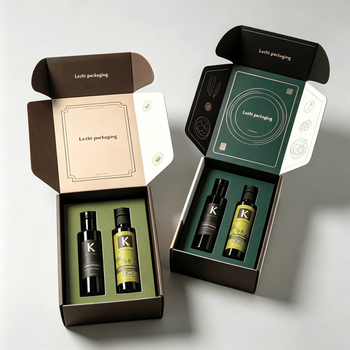
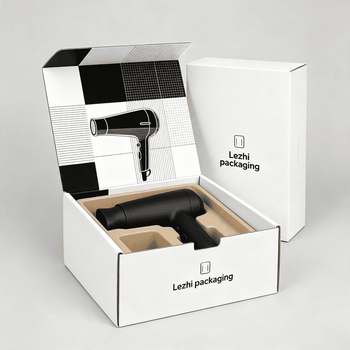
- Custom inserts for product stability: paperboard, EVA and foam inserts prevent movement during transit and support a more premium unboxing experience.
- Connected packaging: QR codes can link to recipes, traceability information, promotions or brand content, turning the box into a communication channel.
- Compact and foldable structures: foldable rigid boxes and efficient folding cartons reduce shipping volume while preserving a high-end look.
- Accessible opening and portion control: easy-open features, resealable formats and multi-portion inserts are valuable for families, gifting and on-the-go consumption.
How Yiwu Jersey Packaging Co., Ltd. Reduces Risk for Food Buyers
Choosing a packaging supplier is a risk-management decision. The supplier must understand food packaging constraints, communicate clearly across time zones and deliver consistent boxes against an approved sample. Our company structure and workflow are built for that reality.
0Verified StaffIncl. export specialists
0Pcs Starting MOQSelected simple styles
0Buyer Rating / 5Verified buyer reviews
0Customization ModesSample · Design · Minor · Full
A Practical RFQ Checklist for Custom Food Packaging Boxes
A clear RFQ shortens sampling time and reduces quotation revisions. Include the following details when contacting a supplier so the recommendation matches the product and market.
- Product type and dimensionsLength, width, height, weight and whether the box is for a single item or a gift set.
- Food contact statusDirect contact, indirect contact or secondary packaging, plus the type of food.
- Protection requirementGrease, moisture, oxygen, aroma, light, stacking strength or transit protection.
- Box structureFolding carton, rigid gift box, drawer box, magnetic box, window box or corrugated mailer.
- Quantity and launch planFirst order quantity, repeat forecast, seasonal variation and target market testing volume.
- Artwork and finishingLogo, Pantone or CMYK colors, foil, embossing, spot UV, lamination and window options.
- Insert requirementPaper divider, paperboard insert, EVA foam, moulded pulp or no insert.
- Destination and complianceCountry of sale, retailer requirements, food-contact declarations and labelling needs.
- Packing and shippingExport carton marking, Amazon FBA preparation, pallet requirements and delivery method.
- Approval timelineSample deadline, artwork approval date, production schedule and launch date.
Quality Control Buyers Can Discuss Before Ordering
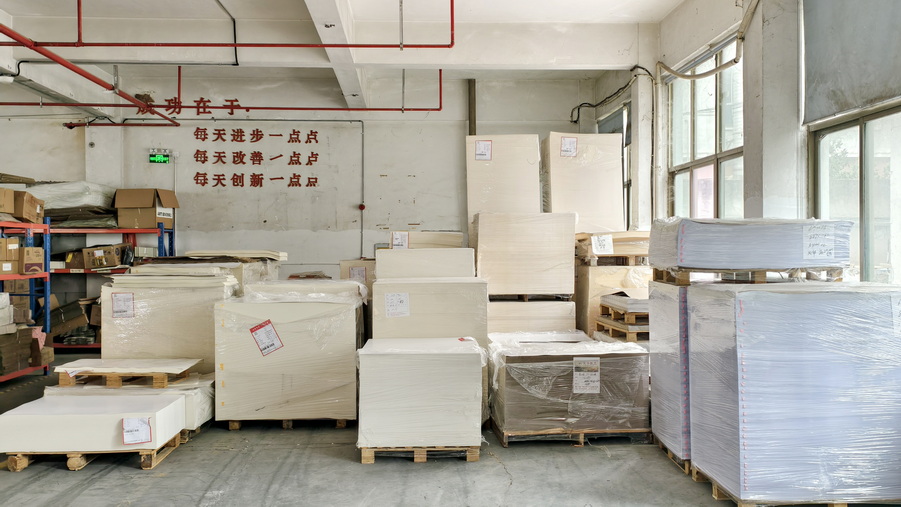
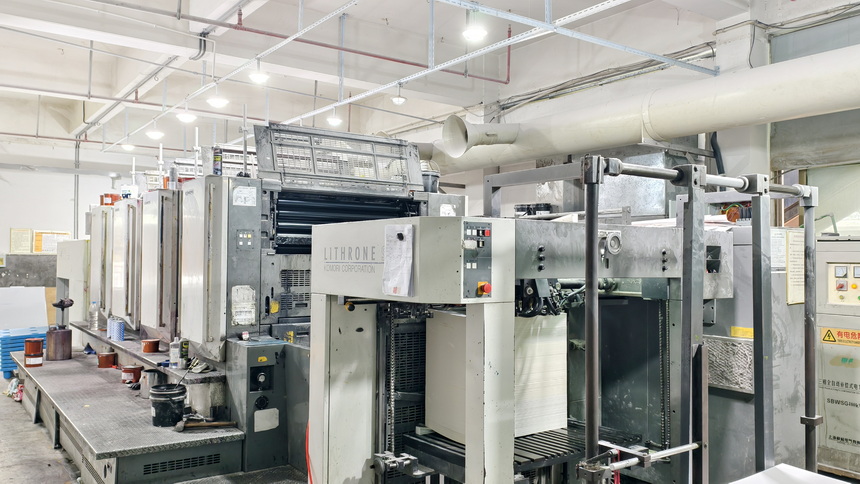
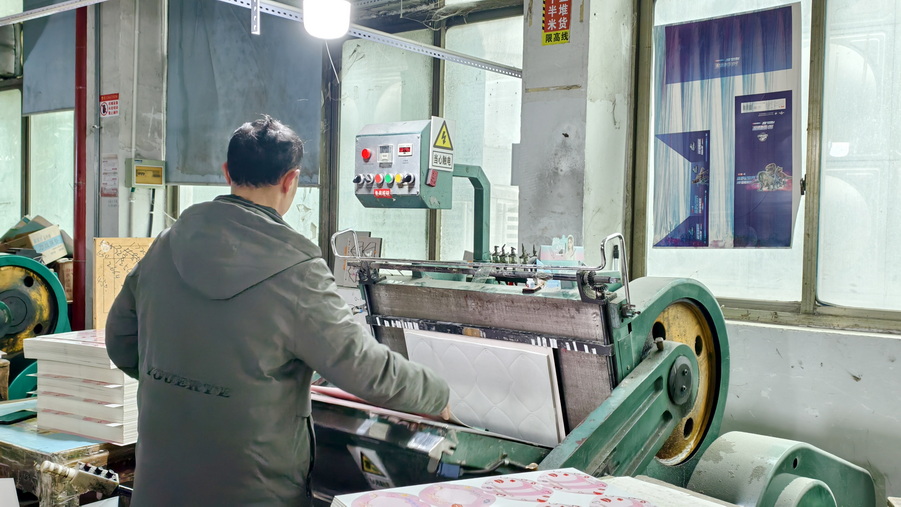
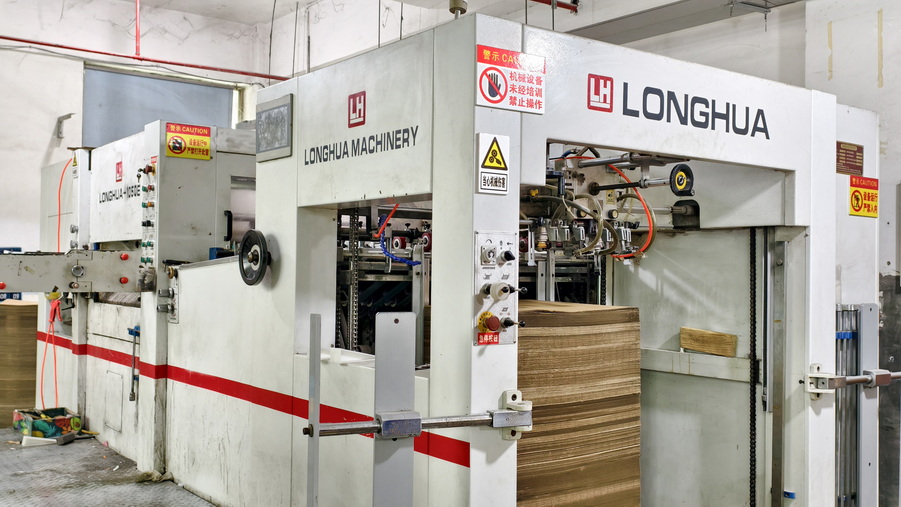
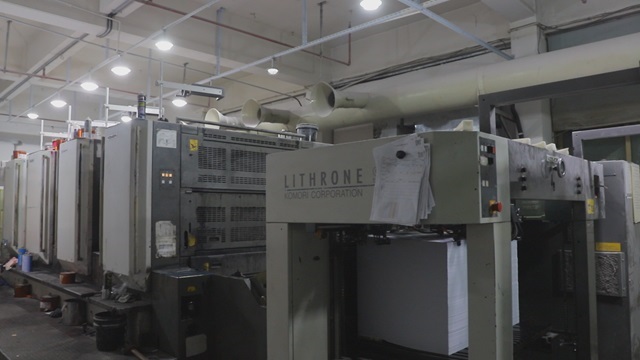
For food packaging, quality control should be visible in the quotation and sample process. At Yiwu Jersey Packaging Co., Ltd., the workflow can include incoming material inspection, print color checks, die-cutting checks, box forming and gluing checks, insert fitting, final appearance inspection and export carton packing review. Buyers can request production photos, sample approval records and final packing confirmation. Where FSC-certified paper is specified, appropriate documentation can be discussed for the order.
Because our company is both a manufacturer and trading company, we can support buyers who need a single custom box style as well as those who need a coordinated packaging program across different products. Our role is to help translate a food brand's requirements into a producible specification, then manage the order through sampling, production and export delivery.