1. Low-MOQ trials before seasonal scale-up. Brands are launching more SKUs and testing markets with 100–500 pcs before committing to large production. This reduces inventory risk but requires suppliers to control material minimums, print setup and color consistency across small batches.
2. FSC and plastic-free specifications becoming standard. Retailers, distributors and environmentally focused brands increasingly ask for FSC-certified paper, recyclable board and paper inserts. When requesting a quote, state whether FSC documentation, soy-based inks or plastic-free inserts are required.
3. Foldable magnetic boxes for freight control. Freight is often the second-largest cost after packaging. Foldable magnetic structures ship flat and can materially reduce container or air volume, while standard rigid boxes remain stronger for high-end retail displays.
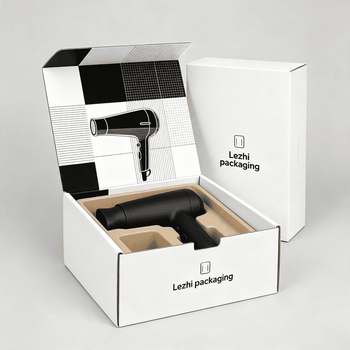
4. Retail-ready packaging with e-commerce protection. A magnetic rigid box must look premium on shelf but still survive e-commerce shipping. Buyers are planning corrugated outer cartons, corner protection and drop-test requirements together with the box design.
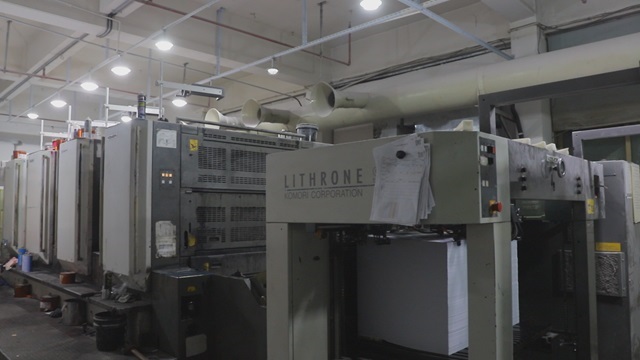
5. Short-run digital printing for launches and regional variants. Digital printing makes low-volume launch kits, limited editions and market-specific artwork more practical. For larger orders, offset printing and Pantone matching usually deliver better unit economics.
6. Stronger supplier verification. Procurement teams are checking SGS onsite reports, business licenses, factory videos, pre-production samples and quality records. A supplier that can share verification evidence early reduces buyer risk.
7. Landed-cost discipline instead of unit-price-only comparison. Buyers are comparing FOB price, freight volume, duties, destination assembly, packaging waste and rework risk. A slightly higher unit price can be cheaper overall if it reduces damage or shipping volume.
8. Design for assembly and quality control. Magnet placement, insert fitment, wrapping accuracy and color matching should be reviewed before mass production. Good design for assembly reduces labor time and complaints after delivery.