Lighter boards with higher performance. Board makers continue to improve flute profiles and liner strength, allowing a thinner mailer to handle the same product weight in some applications. This can reduce material use and parcel weight, but only after compression and drop testing.
Water-based coatings and plastic-free inserts. Buyers are moving away from plastic windows, foam inserts and film lamination where possible. Paper honeycomb, molded pulp, corrugated dividers and die-cut paperboard fitments are replacing plastic in many DTC and retail programs.
Digital print and version control. Shorter campaigns and language-specific packaging are easier to support when artwork versions are managed carefully. A proofing workflow with naming conventions, Pantone references and approval photos helps avoid mismatched colors across reorders.
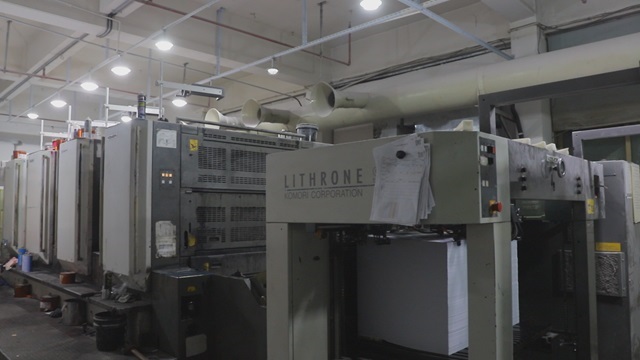
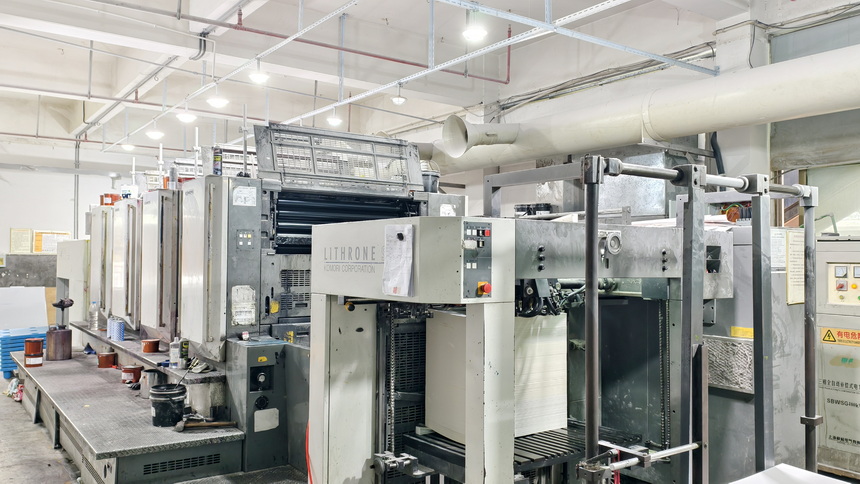
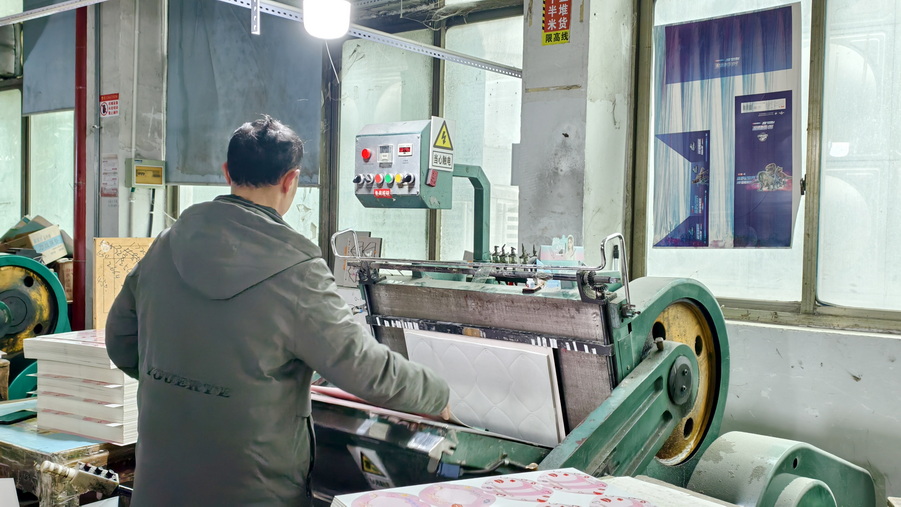
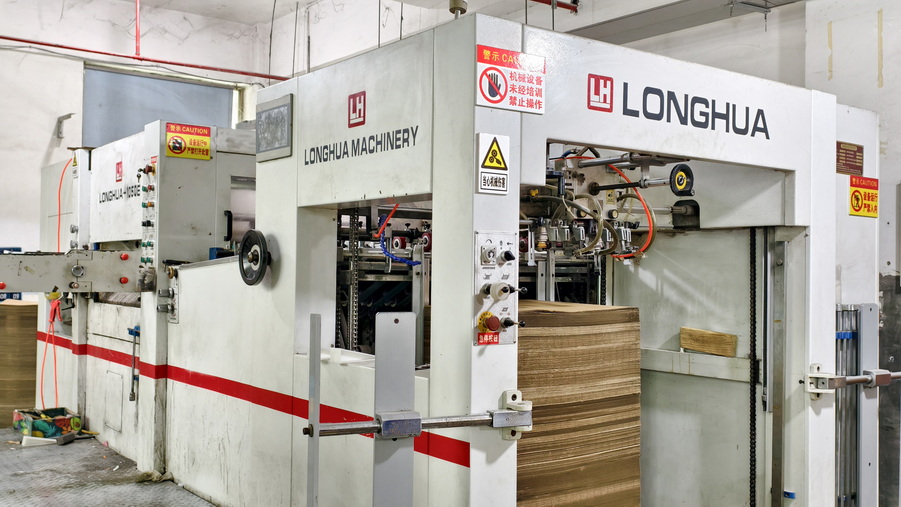
Automation in die-cutting and folder-glueing. Automated equipment improves repeatability for high-volume mailers, especially self-locking designs that require consistent creasing and glue-free assembly. For buyers, this means less variation between production lots.
E-commerce-ready features. Tear strips, easy-open perforations, return-friendly designs and right-sized structures are becoming standard requests. Printed inside panels are also used for care instructions, QR codes and reorder prompts.
Material traceability. For larger brands, packaging data is a compliance issue. Suppliers that can confirm paper grade, print method, adhesive and insert material make it easier for buyers to complete retailer questionnaires and internal sustainability reports.
Learn About Our Factory
E-E-A-T notes from our production floor
For a recent export mailer program, the biggest cost driver was not board price alone — it was the assembled parcel size. By reviewing the product with our packaging team and reducing the dieline by a few millimeters, the buyer lowered dimensional weight while keeping the product secure.
In another project, switching from a glued insert to a die-cut paperboard fitment reduced assembly time and removed plastic foam. The decision required a new sample round, but it produced a cleaner unboxing experience and a simpler material declaration.
These are the practical trade-offs we review during sampling: print coverage, board strength, assembly time, pack-out labor, freight volume and end-of-life material recovery.
Email: info@jerseypackage.com
 DTC FavoriteFSC