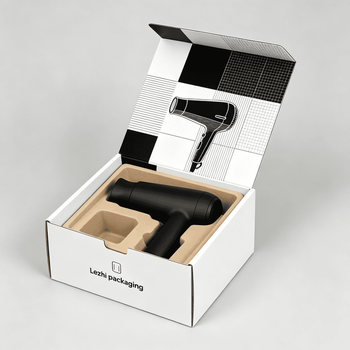
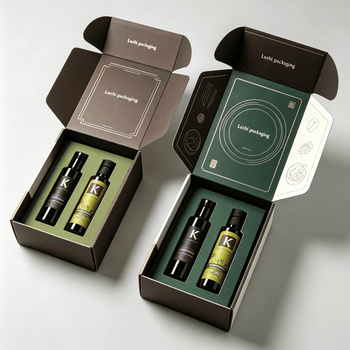
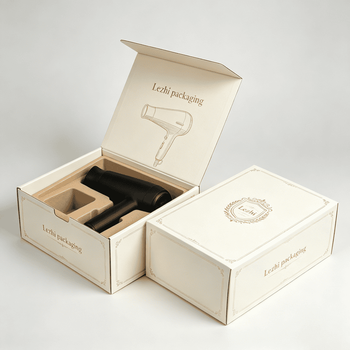
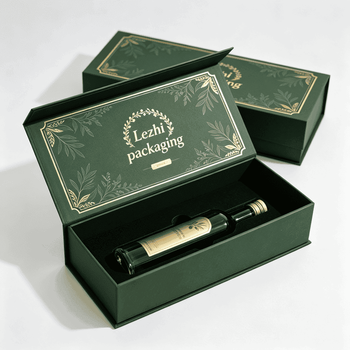
Minimal monochrome design with rich texture. Many beauty brands are moving away from heavy visual noise and toward clean layouts, strong typography, deep embossing and subtle foil accents. A matte black skincare box with blind embossing can feel more expensive than a busy box with multiple finishes. The manufacturing lesson is that precision matters: clean edges, accurate foil registration and consistent lamination are what separate premium work from ordinary work.
Soft-touch and tactile finishes. Soft-touch lamination, textured paper, spot UV and debossing invite the consumer to touch the box. For cosmetics, tactile packaging reinforces the sensory promise of the product. However, buyers should test these finishes for scuff resistance and fingerprint visibility, especially for retail shelves and e-commerce returns.
Refillable and modular packaging. Refill and refillable beauty formats continue to grow. Packaging boxes can support this trend with removable inserts, paper trays and clear illustrated instructions. A modular insert can be changed for different SKUs without redesigning the entire box, helping brands manage multiple shades, sizes and seasonal sets.
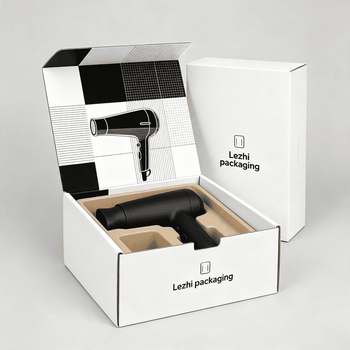
Paper-based inserts. Plastic-free packaging does not have to mean a loose product. Molded pulp, folded paperboard platforms and corrugated fitments can hold bottles and compacts securely. For lightweight skincare products, a well-engineered paper insert may be sufficient. For fragile glass bottles or beauty devices, EVA or foam may still be appropriate, and the trade-off should be discussed transparently.
Smart labels and anti-counterfeit features. QR codes, batch-specific labels, tamper-evident closures and secure print elements can support traceability for high-value cosmetics. The box itself can carry variable data, market-specific compliance text and authentication prompts. Buyers should plan these elements early because they affect printing, finishing and quality inspection.
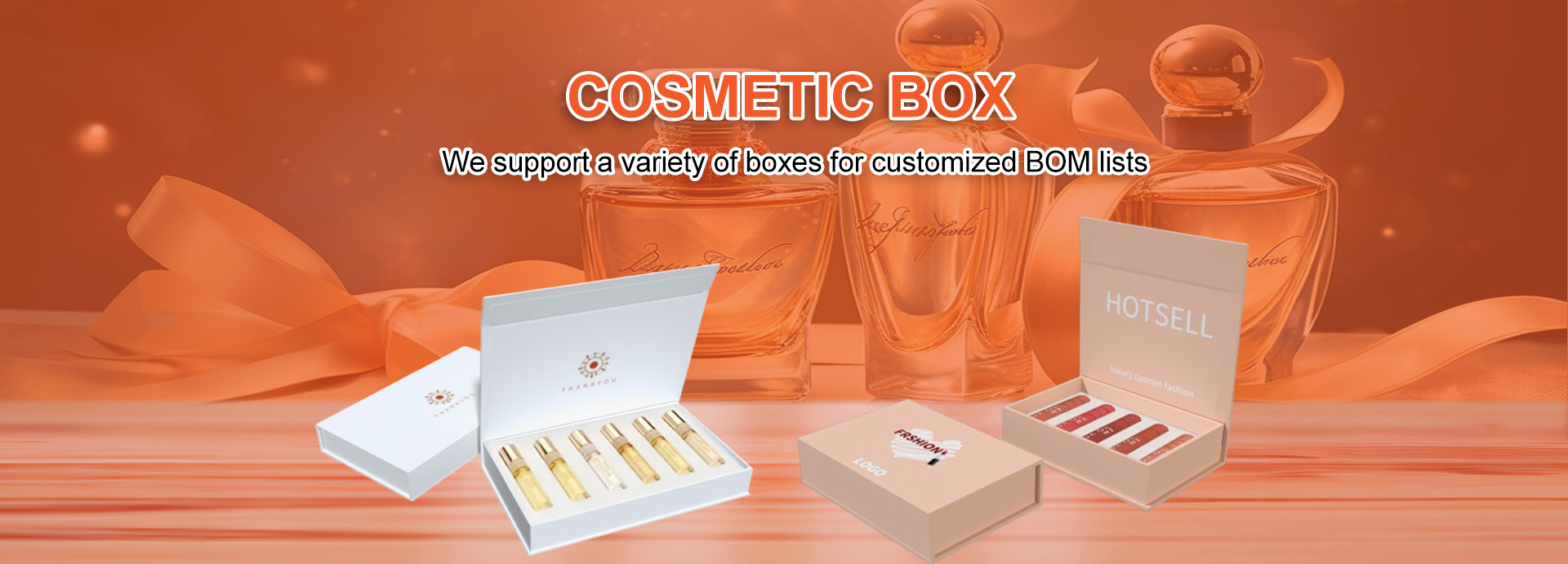
E-commerce-first structures. Beauty brands are designing boxes for the camera as well as the shelf. Inside printing, tissue paper, unboxing cards and a secure insert all contribute to the customer experience. Foldable magnetic boxes and corrugated mailers help reduce shipping volume while preserving a premium reveal. The right structure should be tested with the actual product weight and parcel route.



 Best Seller
FSC