Featured Cookie Box Reference Styles
Use these eight production-ready structures as starting points for cookie gift sets, sampler packs, takeaway boxes and e-commerce shipments. Each style can be re-engineered for cookies with food-grade paperboard, grease-resistant liners, paper inserts, window alternatives and retail-ready artwork. The product URLs are preserved below for direct specification.

Custom Magnetic Flip Lid Box With Ribbon Pull Tab Empty Perfume Box Luxury Hard Rigid Perfume Packaging Gift Box

Customized Cardboard Set Packaging Beautiful Shampoo Printing Paper Cosmetic Essences Shampoo Box Packaging
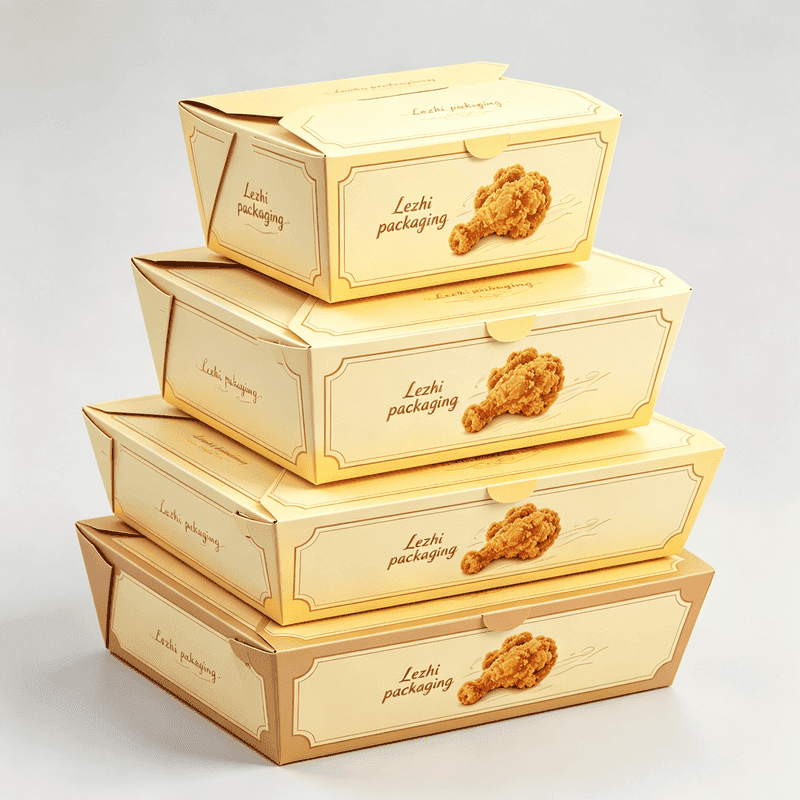
Custom Logo Fried Chicken Packaging Snacks French Fries Kraft Paper Fast Food Packaging Box Burger Box Takeout
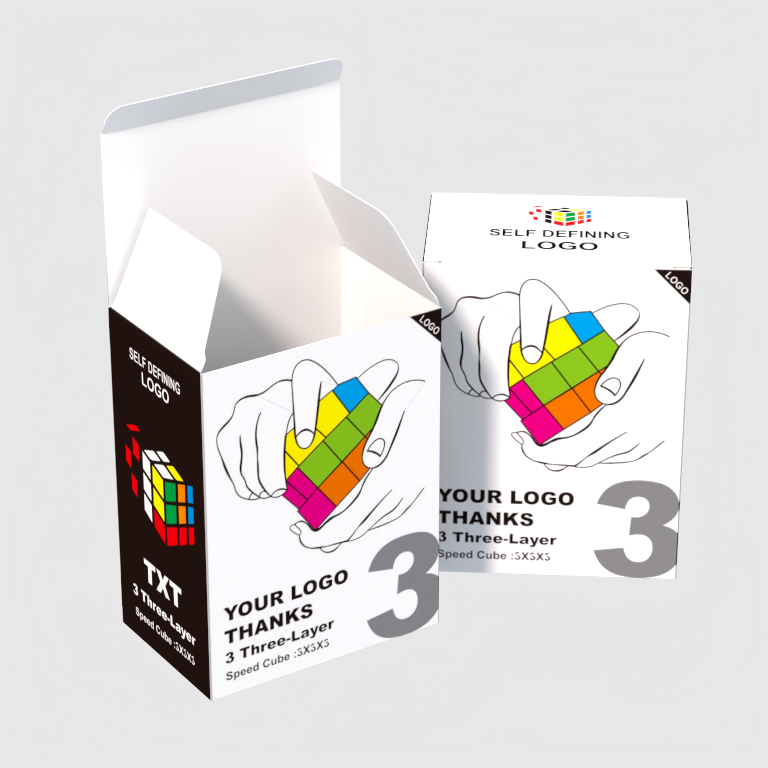
Custom Kid 's Cube Folding Box Children's Toy 3d Puzzle Paper Packaging Box
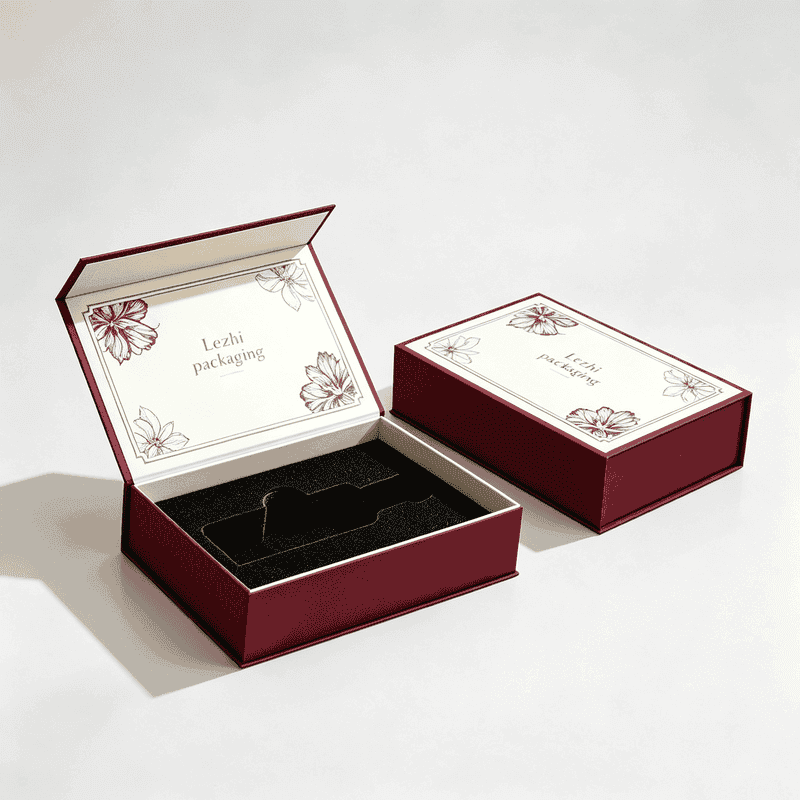
Liquor Gift Box Custom Logo Luxury Matt Black Rigid Cardboard Unique Whiskey Gift Box Foldable Magnetic Box

Custom Printed Corrugated Roll End Tuck Front Mailer Box Cosmetic Mailer Box for Skincare Subscription Gift Shipping Packaging
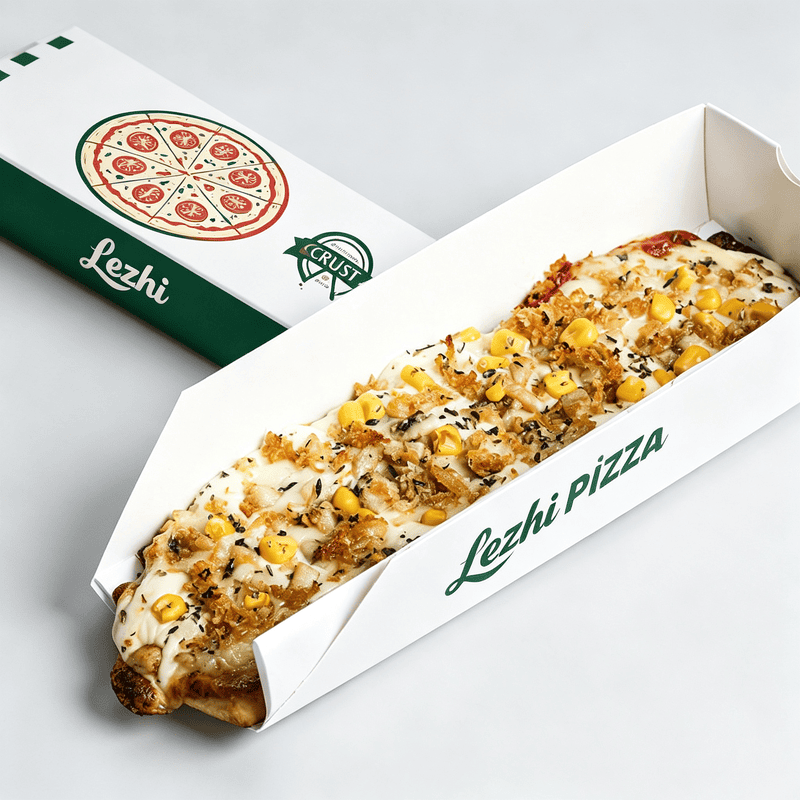
Disposable Pizza Slice Containers Food Packing Box Wholesale Takeaway Paper to Go Pizza Box Bakery Pancake Paper Packaging Box
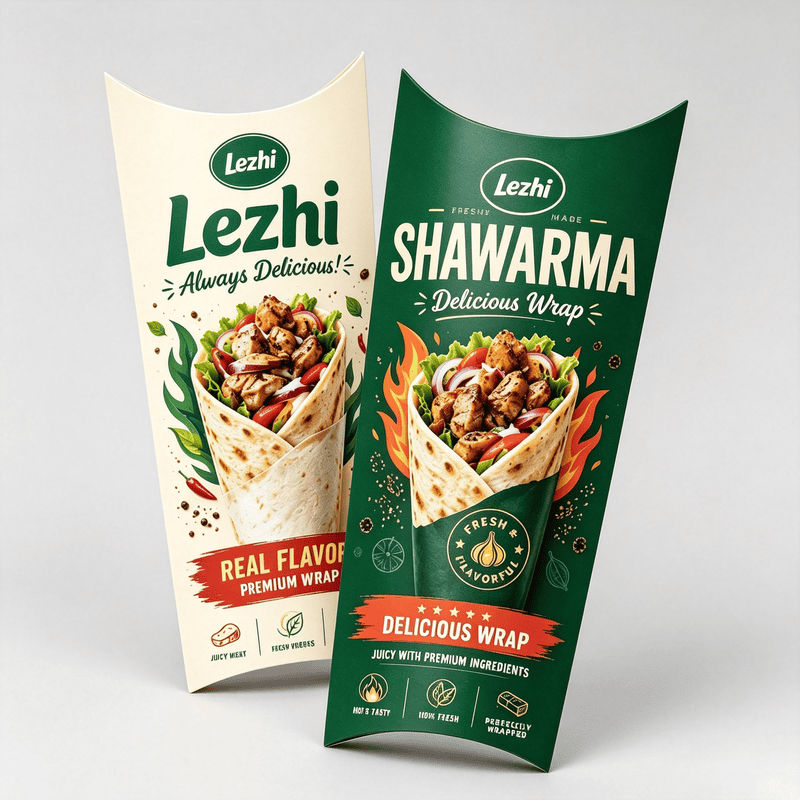
Customized Printing Packaging Box for Mexican Chicken Rolls Disposable Takeout Wraps Thin Paper Packaging Box for Tortillas
What Global Cookie Brands Need from a Packaging Exporter
The cookie category now spans premium festive gifting, single-serve food service, subscription commerce, private-label retail, souvenir packs and direct-to-consumer shipments that must survive parcel networks. For procurement teams, packaging is no longer a simple print purchase. It sits at the intersection of food safety, brand experience, freight efficiency, sustainability rules and supplier accountability. A factory that can only print a box is not enough. Buyers need a manufacturing partner that can translate cookie dimensions, grease resistance, inserts, artwork and destination-market requirements into one production-ready packaging system.
Yiwu Jersey Packaging Co., Ltd. is an SGS onsite-verified manufacturer and trading company based in Zhejiang, China. Our team supports cookie brands with custom rigid boxes, food-grade folding cartons, corrugated mailers, kraft takeaway boxes and novelty structures. With 38 verified staff, four customization modes, FSC-certified paper options, low MOQ from 100 pcs on selected styles and export packing experience across five continents, we help buyers move from a concept or reference sample to a repeatable packaging program. This guide explains how to evaluate CE-related claims, which cookie box formats are growing, what buyers will expect in future procurement, and how to reduce risk before approving mass production.
CE, Food-Contact Safety and Cookie Box Compliance: An Expert View
CE marking is product-specific; it is not a blanket certificate issued to a packaging factory. A paper cookie box is not automatically “CE certified” simply because it is made for the European market. Where a cookie package includes non-paper components, electrical promotional items or other products that fall under CE directives, those components must be assessed separately. For the paper box itself, buyers should request food-contact declarations, board composition, ink and adhesive information, migration testing where relevant, and chain-of-custody evidence for FSC claims.
Our compliance support helps buyers build a documentation pack appropriate to the destination market: food-grade paperboard, low-migration or soy-based inks on request, water-based adhesives, FSC-certified stock, recyclable paper inserts and plastic-free window alternatives. For products sold in the EU, procurement teams should also monitor the Packaging and Packaging Waste Regulation (PPWR), retailer packaging specifications and national food-contact rules. The most reliable sourcing decision is to buy documented conformity, not a logo on a website, and to approve materials through samples and written specifications before mass production begins.
Matching the Right Cookie Box to the Buying Mission
Cookie packaging works best when the box structure follows the sales channel, product fragility, shelf-life expectation and unboxing moment. These four recommendations cover the most common buyer missions.
Premium Gift & Festive Cookie Boxes
For chocolate-coated cookies, macarons, corporate gifts and holiday assortments, use a rigid magnetic flip-lid box with ribbon pull, soft-touch lamination and a custom paper or EVA insert. These formats protect fragile pieces, support premium price positioning and create a repeatable gifting experience for retail and wholesale buyers.
DTC Shipping & Subscription Cookie Boxes
For direct-to-consumer cookie shipments, a corrugated roll-end tuck-front mailer printed inside and outside improves damage resistance and brand arrival. Add a grease-resistant liner, recyclable paper cushioning or molded pulp insert. Right-sized mailers reduce volumetric shipping cost and make the pack easier to prepare for Amazon, Shopify and subscription fulfillment.
Bakery Counter & Takeaway Cookie Boxes
For bakeries, cafés, food trucks and delivery kitchens, kraft food boxes and food-grade folding cartons support fast assembly, grease resistance and high-volume print. Use clear allergen labeling, stackable shapes and simple one-color artwork to improve counter service while keeping packaging cost predictable for daily takeaway orders.
Mini Cookies, Sampler Packs & Novelty Boxes
For sample packs, mini cookies, children’s gifting and promotional editions, cube folding boxes, small drawer boxes and window-style cartons create shelf appeal at controlled material cost. Reduce plastic by using paper windows, open-front sleeves or printed product images, and add QR codes for flavor storytelling, allergen information and reorder prompts.
Cookie Packaging Procurement Trends for 2025–2030
Buyers are moving from price-only sourcing toward risk-managed sourcing. The following six procurement shifts will shape supplier selection for cookie brands and exporters.
Compliance-First Sourcing
Procurement teams will request food-contact declarations, FSC evidence, ink and adhesive data, and packaging waste readiness before sampling. Suppliers with audit-ready documentation and traceable material lots will move faster through retailer, marketplace and customs approvals.
Low-MOQ, High-Mix Production
Seasonal cookie launches, limited editions and influencer collaborations reward factories that can switch artwork, board grade and inserts quickly. MOQs from 100–200 pcs on selected structures reduce dead stock while keeping unit cost predictable for market testing.
DTC-Ready and Right-Sized Packaging
More cookie brands sell through social commerce and marketplaces. Buyers will select mailer formats with engineered protection, tear strips, interior print and fulfillment-friendly dimensions instead of adapting retail boxes after the sale. Right-sizing will be a cost and sustainability priority.
Mono-Material and Plastic-Free Packaging
Sustainability is moving from a marketing claim to a technical specification. Paper windows, molded pulp inserts, water-based coatings and mono-material structures will be requested alongside recycle-ready inks and clear disposal labeling. Brands will favor suppliers who can offer alternatives without damaging protection.
Digital Printing and Version Control
Short runs, regional flavors and personalized gifting need digital print, variable data and faster proofing. Brands will use packaging to test new SKUs and localize language without committing to large offset volumes. Version control across artwork, barcodes and allergen statements will become part of supplier performance.
Total Landed Cost and Supply Transparency
Buyers will compare more than FOB price. Carton cube, shipping volume, defect risk, production lead time, audit status and documentation speed will enter the sourcing scorecard, especially for products sold in regulated markets or through large retailers that require packaging specifications.
How the Next Generation of Cookie Boxes Is Evolving
The strongest cookie packaging concepts combine material efficiency, product protection and a clear brand story. These six development directions are already appearing in buyer briefs.
Paper-Based Barrier Innovation
Grease-resistant and moisture-resistant paper solutions are improving. Buyers can specify internal coatings, liners or paper laminates based on cookie fat content, humidity during transit and expected shelf life, reducing reliance on plastic films while protecting taste and texture.
Plastic-Free Windows and Open-Front Views
Brands still want product visibility, but paper windows, die-cut openings and printed product windows are replacing conventional plastic film. These options can improve recyclability messaging while keeping the cookie visible on shelf through a clean, premium presentation.
Modular Inserts and Gift Sets
Cookie gift boxes increasingly combine flavors, dips, mini jars or accessories. Modular paperboard inserts, molded pulp trays and removable compartments allow one box family to serve multiple product configurations, reducing tooling cost and simplifying seasonal bundling.
QR-Connected Packaging and Traceability
QR codes are shifting from novelty to utility: batch traceability, allergen details, recipes, reorder links and authenticity checks. A well-planned cookie box can carry variable QR data without changing the structural design, giving brands a direct relationship with buyers.
Ergonomic Opening and Accessibility
Opening experience matters, but so does ease of use. Ribbon pulls, thumb notches, tear strips, magnetic closures and clear opening instructions reduce damage during unboxing. Accessible design also supports larger type, high contrast and intuitive opening for a wider range of consumers.
Automation-Compatible Dielines
As fulfillment centers automate carton erecting, labeling and packing, dielines must be stable and repeatable. Buyers will ask for consistent board thickness, clean fold lines, reliable locking tabs and tolerances that work with high-speed packing lines without jamming or waste.
What to Verify Before You Approve a Cookie Box Specification
Use this verification framework during sampling and pre-production approvals. It is especially important for exporters selling into the EU, North America and major retail marketplaces.
| Specification Area | What to Request | Why It Matters |
|---|---|---|
| Food-Contact Materials | Board grade, coating, ink, adhesive and liner declarations; food-contact test reports where required. | Supports food safety due diligence and helps retailers or importers approve the packaging file. |
| Grease and Moisture Control | Internal liner, coating type, cookie fat content, shelf-life target and transit humidity assumptions. | Prevents oil staining, softening, flavor transfer and visible defects during storage and shipping. |
| Structure and Protection | Dieline, board thickness, insert fit, drop test, compression test and pallet stacking plan. | Reduces breakage and carton failure across e-commerce parcels, pallets and retail distribution. |
| Print and Finishing | Pantone drawdown, CMYK profile, hot foil area, emboss depth, lamination type and color tolerance. | Keeps brand colors consistent across reorders, factories and multiple cookie SKUs. |
| Sustainability Documentation | FSC claim, recycled content, recyclability route, plastic-free insert option and disposal icons. | Supports environmental marketing claims and prepares the pack for evolving packaging rules. |
| Export Readiness | Carton dimensions, pallet pattern, barcode labeling, marketplace prep and moisture protection. | Controls landed cost and avoids shipment delays caused by labeling or packaging format issues. |
For a faster quote, provide cookie size and weight, quantity, destination country, artwork status, insert requirements, and whether FSC or food-contact documentation is mandatory.
A Factory Built for Export-Ready Cookie Packaging
Yiwu Jersey Packaging Co., Ltd. combines manufacturing control with export service. Buyers work with a team that understands both the production floor and the documentation, packaging and communication requirements of international orders.
SGS Onsite-Verified Manufacturer & Trading Company
Our business type and production capabilities were verified onsite by SGS Group. For overseas buyers, this provides independent evidence that they are working with a real packaging partner rather than an unverified intermediary.
Food-Grade and FSC Paper Options
We source paperboard suitable for food packaging and offer FSC-certified grades. Inserts can be converted to paper, EVA, foam or molded pulp depending on product protection, sustainability goals and destination-market requirements.
Low MOQ from 100–200 Pcs
Selected simple structures start from 100 pcs, while most custom boxes start from 200 pcs. This lowers the barrier for market tests, seasonal cookie editions, influencer collaborations and limited-run gift packs.
Four Customization Modes
Sample-based, design-based, minor logo and graphic customization, and full structural customization are all supported. We help convert a retailer reference, founder sketch or existing dieline into a production-ready cookie box specification.
In-House Printing, Finishing and QC
Offset and digital printing, hot foil stamping, embossing, spot UV, matte or soft-touch lamination, die-cutting, box forming and incoming material inspection are managed in a controlled workflow for tighter color consistency and fewer hand-offs.
Export Service and Global Delivery
Our export team supports documentation, packaging optimization and sea, air or express shipping to brand owners, distributors and marketplace sellers. Buyers receive production updates and final packing photos before shipment.
From Brief to Export Carton: The Jersey Packaging Process
A transparent six-stage workflow with approval points before mass production, so cookie brands can control structure, print, material and packing outcomes.
Consultation
Share cookie dimensions, weight, quantity, sales channel, destination market and preferred box style. We identify whether food-grade, grease-resistant, FSC or CE-related documentation support is needed.
Specification & Dieline
We recommend board grade, coating, insert, closure and finishing. A dieline is prepared for artwork placement and structural review before sampling.
Sample & Approval
Review a digital proof, 3D mockup or physical sample. Logo, graphic, size and insert adjustments are made until the specification is approved.
Materials & Production
Paper, ink, adhesive and finishing materials are prepared. Printing, lamination, foil stamping, die-cutting and box forming follow the approved production file.
Quality Inspection
In-process and final checks cover color, dimensions, magnet or locking function, insert fit, surface defects and carton packing before shipment.
Export Packing & Delivery
Boxes are packed for export, labeled as required and prepared for sea, air or express delivery. Final photos and packing details are shared with the buyer.
Buyer FAQ: CE Certified Cookie Boxes Factories & Exporter
These are the questions procurement teams ask most often when evaluating cookie packaging suppliers and compliance claims.
Are your cookie boxes CE certified?
What is the MOQ for custom cookie boxes?
Can you produce food-safe cookie boxes with grease resistance?
Which cookie box styles are best for DTC shipping?
Can I receive samples before bulk production?
What sustainable materials are available for cookie packaging?
How do you control print quality and color consistency?
How do you ship cookie boxes to Europe, North America and other markets?
Send Your Cookie Box Specification for a Fast Quote
Share cookie dimensions and weight, order quantity, destination market, artwork status, insert requirements and whether you need FSC or food-contact documentation. Our packaging team will recommend a structure, material route and production plan for your cookie packaging project.