8 Packaging Products to Benchmark Before Sourcing Magnetic Gift Boxes
The fastest path to an accurate quotation is to compare your project against proven constructions. These eight product references cover food-grade takeaway boxes, luxury liquor gift boxes, recyclable coffee packaging, pizza cartons and large-format cereal boxes. Every product URL below has been kept exactly as provided, so your procurement team can review the original product page before requesting a custom magnetic gift box sample.

Food Grade Sliding Drawer Box Custom Takeaway Rectangle Pull Out Pizza Paper Box Fast Food Hand-held Pizza Packaging Box
Reference for drawer-style structures, food-contact board selection and takeaway presentation.
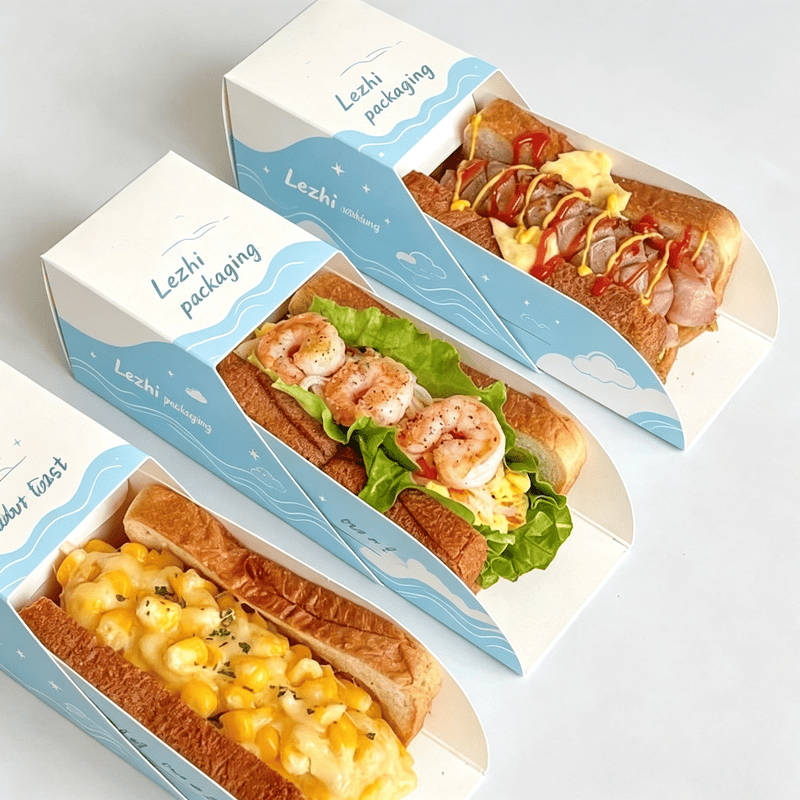
Food Grade Leak-proof Takeaway Sandwich Box Custom Printed Heat Resistant Kraft Toast Panini Packaging for Fast Food Chains
Useful benchmark for heat-resistant food service packaging and printed kraft board finishes.
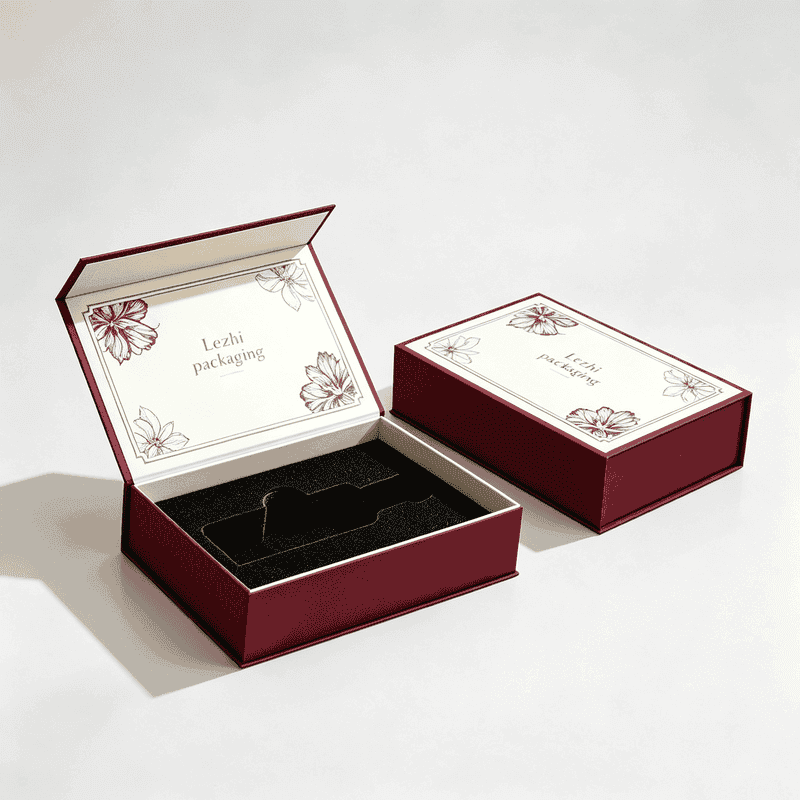
Liquor Gift Box Custom Logo Luxury Matt Black Rigid Cardboard Unique Whiskey Gift Box Foldable Magnetic Box
Strong reference for premium spirits packaging, hidden magnet closure and soft-touch finishing.

Cheap Factory Wholesale High-End Pizza Packaging Boxes Portable Takeaway Pizza Carton Customized 12 Inch Corrugated Pizza Box
Benchmark for corrugated strength, custom sizing and high-volume takeaway production.
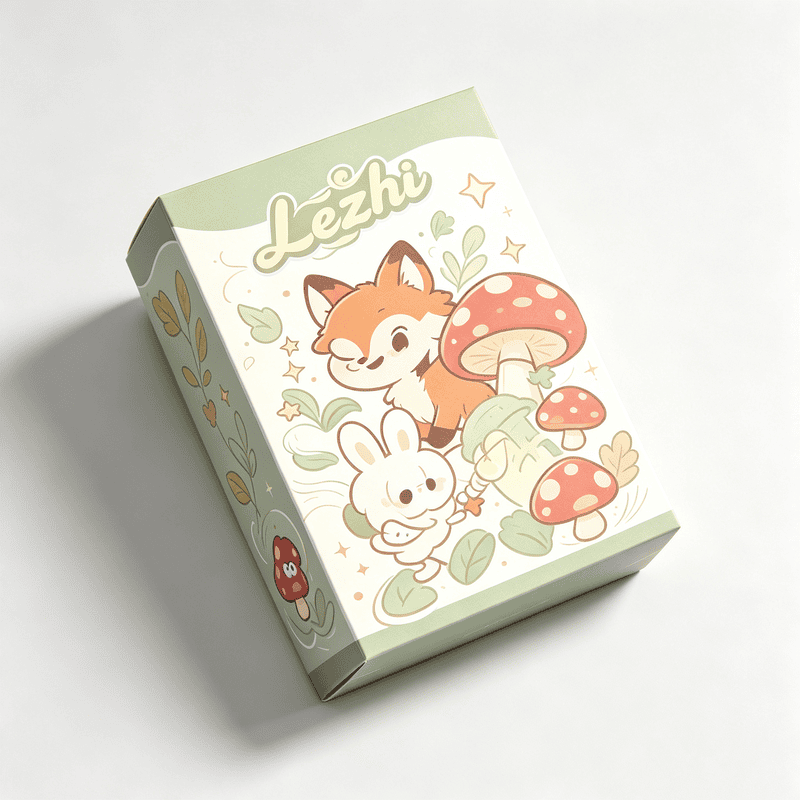
China Factory Manufacturer Printing Large Cereal Box Custom Printing Hoodies Packaging Custom Cereal Box
Reference for large folding cartons, retail shelf impact and efficient flat-pack shipping.
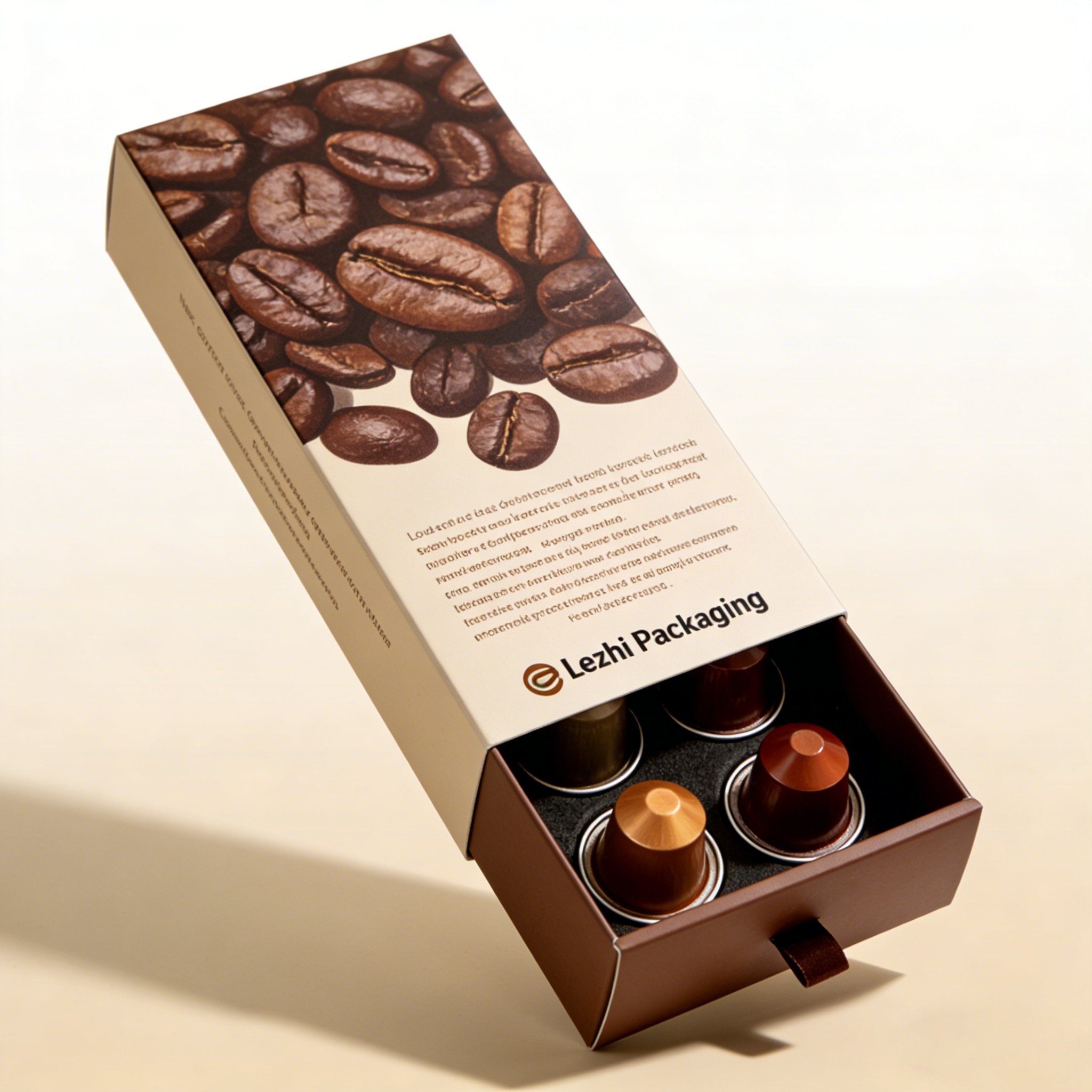
Custom Digital Printing Packaging Coffee Box Recyclable Coffee Capsule Paper Box
Shows how digital print, recyclable paperboard and short-run artwork can support launches.
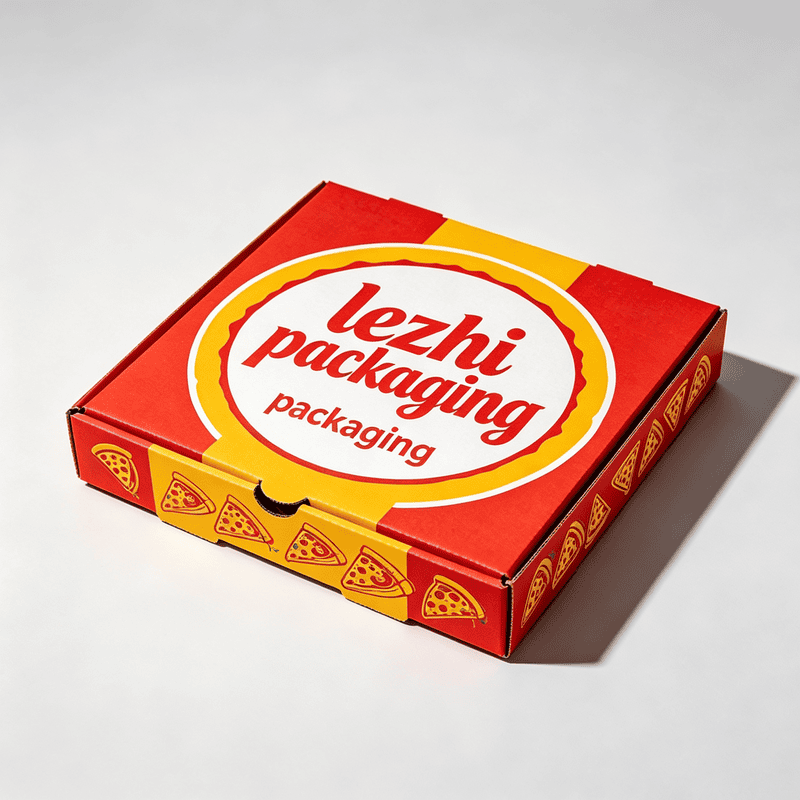
Disposable Takeaway Pizza Packaging Box Custom Logo Printing Pizza Packaging Boxes Food Grade Snake Paper Box
Reference for food-service logo printing, paperboard stiffness and quick-assembly cartons.
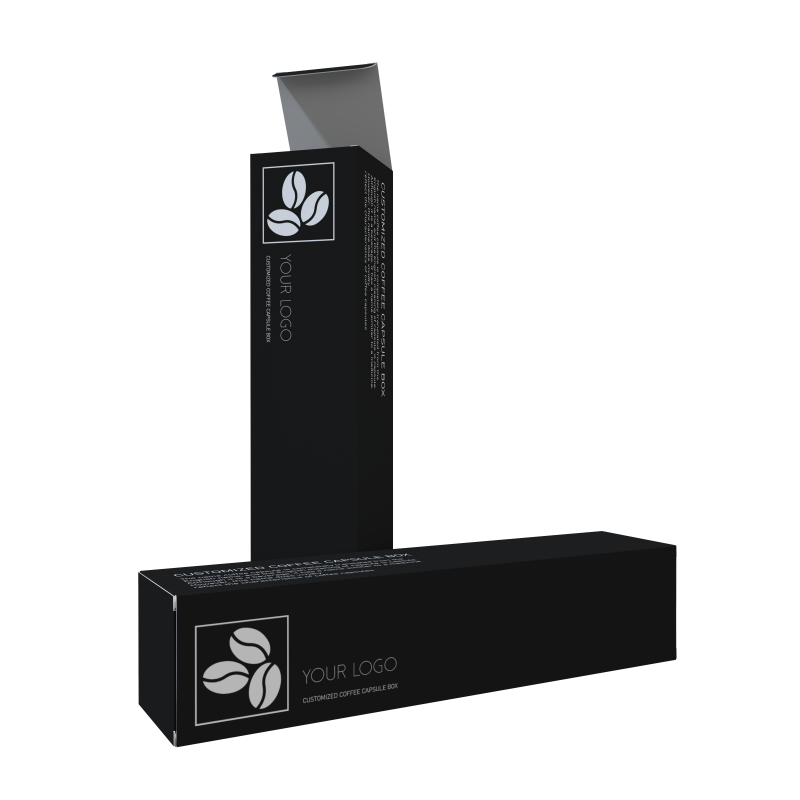
Custom High Quality Cardboard Paper Coffee Capsules Coffee Pod K Pack Packaging Box
Useful example for small-format retail packaging, insert planning and batch-controlled printing.
CE Certified Magnetic Gift Boxes Supplier & Suppliers: What Professional Buyers Should Verify
CE marking is frequently misunderstood in packaging RFQs. In the European Union, CE marking is a manufacturer’s declaration that a regulated product—such as electrical equipment, toys, medical devices, machinery or personal protective equipment—meets the applicable health, safety and environmental requirements. A magnetic gift box, considered only as packaging, is usually not CE-marked. Yet packaging is often part of a CE-marked product system: it may contain electrical accessories, cosmetics, toys, food-contact items or promotional gifts, and it must not undermine the safety, labelling or compliance of the final product.
For that reason, the phrase “CE certified magnetic gift boxes supplier” should be read by serious procurement teams as shorthand for a supplier that can support compliance-ready projects with documented materials, stable production controls and transparent declarations. A credible supplier will not simply print “CE” on a box or use CE as a decorative badge. Instead, the supplier should help the buyer identify which requirements belong to the packaging, which belong to the finished product, and which documents must be collected before shipment.
Ask your magnetic gift box supplier for material specifications, paperboard grammage, adhesive declarations, ink and lamination information, food-contact statements when relevant, REACH and RoHS declarations where applicable, FSC transaction certificates for certified paper, and heavy-metal compliance for printed surfaces. If the gift box contains magnets, small parts, ribbon closures or foam inserts, review the risk of child access, packaging opening force, sharp edges and material migration. The responsible brand or importer remains accountable for the final CE-marked product, but the packaging supplier must be able to provide the evidence that supports that responsibility.
At Yiwu Jersey Packaging, we treat compliance as a specification activity, not a sales slogan. We review the destination market, product category, packaging construction, printing process and insert materials before recommending a production route. When product-level testing is required, it should be performed by the brand owner or an accredited laboratory; our role is to supply consistent materials, controlled manufacturing and the documentation needed for the buyer’s technical file.
Why Magnetic Gift Boxes Continue to Outperform Standard Folding Cartons
Magnetic rigid boxes are not simply “nicer boxes”. They are engineered packaging formats that combine structural strength, tactile branding, retail presentation and reusable value.
Rigid Board Architecture
A typical magnetic gift box uses greyboard or durable paperboard wrapped with art paper, specialty paper or textured stock. The rigid shell protects premium products, keeps corners crisp and supports a high-value shelf presence.
Hidden Magnetic Closure
Embedded magnets create a controlled opening and closing experience. The box can be reopened for inspection, gifting or storage, which extends brand exposure after purchase and strengthens the perception of quality.
Custom Inserts
EVA foam, paperboard, molded pulp, corrugated fitments and satin or paper wraps can position every component. Good insert design reduces movement, protects finishes and guides the customer through the unboxing sequence.
Finishing as Brand Language
Hot foil stamping, embossing, debossing, spot UV, matte lamination, soft-touch lamination and Pantone colour matching turn a box into a brand asset. Finishing must be selected for durability, recyclability and cost.
Magnetic Gift Box Procurement Trends for 2025–2028
Buyers are consolidating suppliers while asking for more evidence, faster sampling and lower freight exposure. The successful supplier relationship is becoming more data-driven and more design-led at the same time.
1. Compliance evidence moves into the RFQ
Requests for quotation increasingly include material declarations, FSC evidence, food-contact status, ink composition, adhesive data and packaging-waste considerations. Suppliers that can answer these questions early avoid delays during technical review.
2. Lower MOQ and faster sampling
Brands are testing more SKUs and launching smaller collections. Magnetic gift box suppliers are responding with lower minimum order quantities, digital proofs, stock-size references and modular tooling that reduces the cost of a first production run.
3. FSC, recycled and plastic-free preferences
FSC-certified paper, recyclable kraft board and paper-based inserts are becoming default options for many European and North American buyers. Plastic foam can still be appropriate for high-value products, but it should be justified by protection requirements.
4. Foldable rigid boxes reduce freight
Foldable magnetic boxes ship flat and assemble on site, reducing carton volume and ocean-freight cost. This structure is especially attractive for e-commerce brands, subscription programs and imported gift sets.
5. Digital printing supports versioning
Short-run digital printing enables seasonal artwork, limited editions, regional variants and faster market tests. For established magnetic gift box programs, offset printing remains cost-efficient at higher volumes with Pantone-controlled colour.
6. Audit-ready supplier consolidation
Procurement teams prefer fewer suppliers with documented processes. Onsite verification, consistent QC records, export documentation and responsive communication now carry as much weight as unit price when selecting long-term packaging partners.
How Magnetic Gift Box Design Is Evolving
The next generation of luxury gift packaging is being designed for reuse, disassembly, lighter freight and stronger digital connection—without losing the sensory impact that makes magnetic boxes desirable.
Mono-material thinking
Designers are reducing mixed materials by using paper-based inserts, water-based adhesives and separable magnet pockets. The goal is to protect the product while helping the end user separate paper, board and any non-paper components.
Refillable and reusable systems
Gift boxes are increasingly designed as keepsake storage. Strong hinges, removable trays and durable wrapped surfaces encourage reuse and extend the brand experience beyond the first purchase.
QR-linked digital experiences
Printed QR codes can connect the unboxing experience to authentication, care instructions, product registration or a brand story. The packaging remains paper-based, but the experience becomes interactive.
Low-profile luxury formats
Slim magnetic boxes reduce material consumption and shipping volume for cosmetics, jewelry, electronics and small gift sets. Precise fitments and clean typography carry the premium effect instead of excessive size.
Soft-touch and tactile contrast
Soft-touch lamination, uncoated textured paper, foil and embossing are being combined in restrained ways. The goal is a tactile hierarchy that feels expensive but still aligns with recycling and durability expectations.
Engineering-led sample rounds
Buyers are using physical samples to test closure force, insert fit, corner strength and assembly time. Product development is shifting from visual mockups alone to functional validation before bulk production.
How to Evaluate a Magnetic Gift Box Supplier
A good factory does more than quote a unit price. It reduces rework, protects your launch date and provides evidence that your packaging can meet the requirements of your market.
Inside Yiwu Jersey Packaging: A Verified Partner for Custom Paper Packaging
Yiwu Jersey Packaging Co., Ltd. is a manufacturer and trading company based in Zhejiang, China. Our business type and production capabilities have been verified onsite by SGS Group, giving overseas buyers independent verification before an order is placed.
Our team of 38 staff includes dedicated export specialists who turn brand briefs into production-ready dielines, proofs and finished boxes. Because printing, die-cutting, box forming and inspection are managed within one workflow, buyers gain tighter colour consistency and fewer hand-offs between suppliers. This is particularly important for magnetic gift boxes, where wrap alignment, magnet placement and corner quality determine whether the finished box looks premium.
We support four customization modes: sample-based customization, design-based customization, minor customization for logos and graphics, and full structural customization. Most custom paper boxes start from 200 pieces, while simple folding styles such as kids’ cube boxes can start from 100 pieces. For magnetic gift boxes, the exact minimum order quantity depends on size, board thickness, finishing and insert complexity; our team will recommend the most cost-efficient structure once the product dimensions and quantity are confirmed.
Sustainability options include FSC-certified paper, recyclable kraft and paperboard, soy-based inks on request and plastic-free paper inserts. We also provide CMYK offset printing, Pantone colour matching, digital printing, hot foil stamping, embossing, debossing, spot UV, gloss lamination, matte lamination and soft-touch lamination. Inserts can be produced in EVA, foam, paperboard or other specified materials to protect the product during transit.
Production control is supported by incoming material inspection, in-line checks and final inspection. Before mass production, buyers can approve a dieline, 3D mockup or physical sample; before shipment, final photos and packing details can be reviewed. Our export experience covers brand owners, distributors, retailers and online sellers across five continents, with sea, air and express shipping options available through the buyer’s forwarder or our export team.
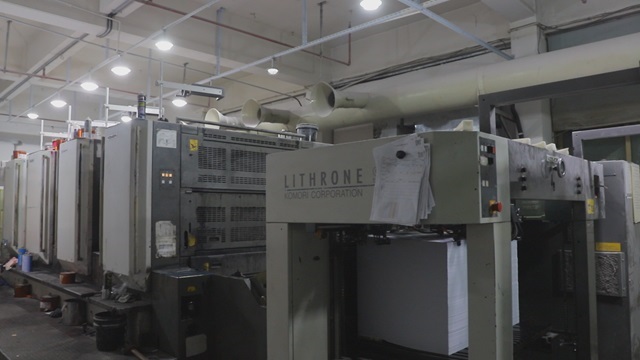 Factory Overview
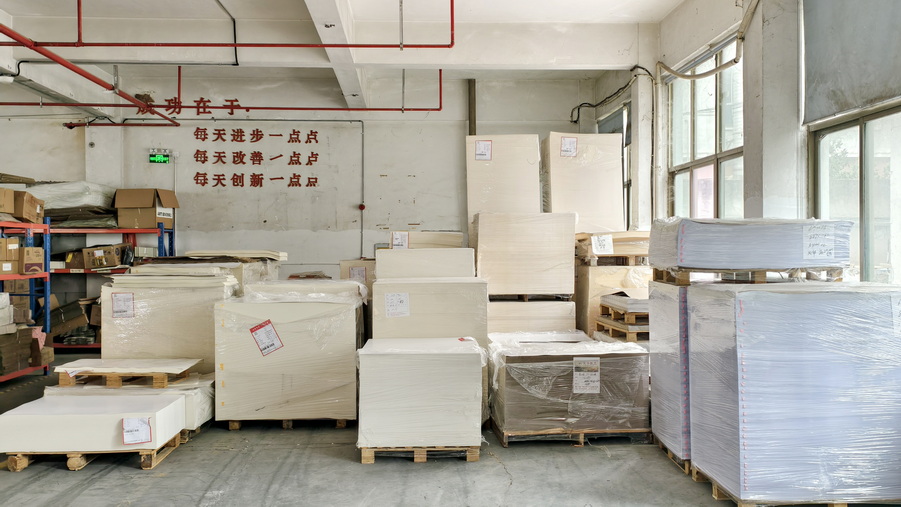 Printing Workshop
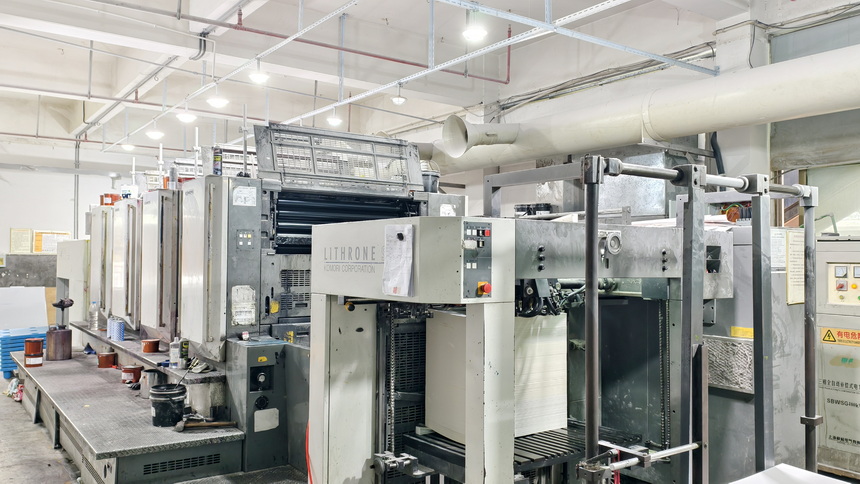 Die-Cutting
 Box Forming
From Brief to Shipment in Six Approval Gates
A transparent workflow protects the launch date. Each stage is confirmed before the next begins, so artwork, structure and packing requirements do not change after production has started.
Consultation
Share product dimensions, weight, quantity, target market, box style and artwork status. We identify whether a magnetic rigid box, foldable magnetic box or another structure is the best starting point.
Confirm Needs
We advise board grade, paper, magnet closure, insert material and finishing options. Compliance questions are reviewed at this stage so the specification is realistic before sampling.
Approve Dieline
Review the dieline, 3D mockup or physical sample. Check the product fit, opening direction, insert clearance, printing area and finishing placement.
Deposit & Materials
After approval, a deposit confirms the order and reserves materials. Paper, board, magnet and insert specifications are locked to the approved sample or written specification.
Production & QC
Printing, lamination, die-cutting, assembly and inspection are completed according to the approved plan. In-process checks focus on colour, structure, wrapping and packing.
Balance & Shipment
Final photos and packing details are reviewed. After balance payment, boxes are packed for export and handed to the agreed shipping channel or forwarder.
Materials, Printing and Inspection Notes for Magnetic Gift Boxes
Magnetic gift boxes can be produced in greyboard, art paper, specialty paper, kraft board and FSC-certified paper options. Board thickness should be selected according to product weight, box size and shipping method. A larger box with a heavy product may require a thicker greyboard, reinforced corners or a stronger insert than a small jewelry box. The outer wrap also affects durability: soft-touch lamination feels premium but must be tested for scuff resistance, while textured specialty paper can hide minor handling marks but may limit fine-detail printing.
Printing options include CMYK offset printing, Pantone spot colours, digital printing and screen printing where appropriate. Finishing options include hot foil stamping, embossing, debossing, spot UV, matte lamination, gloss lamination and soft-touch lamination. For export markets, ink, adhesive and coating choices should be reviewed against the buyer’s compliance requirements. When the packaging is intended for food, cosmetics or children’s products, material declarations and contact-safety considerations should be discussed before sampling.
Quality control should cover more than the printed artwork. Incoming board and paper are checked for grade, thickness and surface condition. Printed sheets are checked for colour variation, ink adhesion and surface defects. Die-cut parts are checked for dimensional accuracy and crease quality. During assembly, operators check wrap alignment, magnet closure, corner tightness and insert fit. Final inspection verifies box dimensions, appearance, opening function and carton packing before shipment.
For buyers comparing CE certified magnetic gift boxes suppliers, the most useful question is not simply “Do you have CE?” but “Can you document the materials and control the process consistently enough to support my technical file?” A supplier who understands the difference between packaging compliance and product compliance is better prepared to support long-term international sales.
Frequently Asked Questions About Magnetic Gift Box Sourcing
These are the questions buyers ask most often before requesting a custom magnetic gift box quotation.
Are magnetic gift boxes CE certified?
Packaging itself is usually not CE-marked. CE marking generally applies to regulated finished products. A magnetic gift box can support a CE-marked product by using documented materials and controlled production, but product-level testing remains the responsibility of the brand owner or importer. We help collect relevant packaging information and coordinate the specification.
What is the minimum order quantity for custom magnetic gift boxes?
Most custom paper boxes start from 200 pieces, and simple folding styles can start from 100 pieces. The exact MOQ for a magnetic gift box depends on size, board grade, finishing, insert type and whether new tooling is required. Send your dimensions and target quantity for a precise recommendation.
Can you make samples before bulk production?
Yes. We offer sample-based customization, design-based customization, logo and graphic customization, and full structural customization. A digital proof or physical sample is approved before mass production begins so that structure, colour and finishing are confirmed.
Are eco-friendly materials available?
We supply FSC-certified paper options, recyclable kraft and paperboard, soy-based inks on request and plastic-free paper inserts. For projects with strict sustainability requirements, we can review the full material mix and recommend alternatives to mixed plastic components where practical.
Can you print my logo and custom artwork?
Yes. We support CMYK and Pantone printing, digital printing, hot foil stamping, embossing, debossing, spot UV and matte, gloss or soft-touch lamination. Artwork files, logo specifications and colour references should be provided before the sample stage.
Is Yiwu Jersey Packaging a factory or a trading company?
We are both a manufacturer and a trading company. Our business type and production capabilities have been verified onsite by SGS Group, combining in-house production control with experienced export service for overseas buyers.
How do you control quality for export orders?
Quality control includes incoming material inspection, print and surface checks, die-cutting verification, assembly checks and final inspection before packing. Buyers can approve a sample and review final photos before shipment on applicable orders.
What information do I need to provide for a quote?
Please send the product dimensions and weight, preferred box style, quantity, printing and finishing requirements, artwork status, destination country and target delivery date. If you already have a dieline or reference sample, include it so our team can quote more accurately.
Ready to Source Compliance-Ready Magnetic Gift Boxes?
Send your box size, product weight, quantity, artwork status and destination market. Our packaging team will recommend a magnetic box structure, insert and finishing plan, then confirm the sample and production route.
For project review, include your target market, product category and any material or testing requirements. Clear inputs lead to faster sampling and fewer production changes.