China Best Food Packaging Manufacturer & Factories
A buyer-focused guide to food-grade paper boxes, takeaway packaging, coffee capsule cartons and premium gift boxes from verified manufacturing in Zhejiang, China.
8 Food Packaging Boxes Built for Retail, Takeaway and Premium Gifting
Food packaging is not one market. A pizza box competes on grease resistance, venting and fast assembly. A coffee capsule carton competes on shelf impact, recyclability and efficient palletization. An olive oil gift box competes on bottle support and premium finish. The reference products below show how different food and lifestyle packaging briefs can be translated into production-ready paper structures.

Food Grade Sliding Drawer Box Custom Takeaway Rectangle Pull Out Pizza Paper Box Fast Food Hand-held Pizza Packaging Box
A pull-out drawer in food-grade paperboard for pizza, pastries and handheld food. Buyers can specify grease-resistant liners, venting, custom dimensions and delivery-ready branding.
View product
Custom logo Luxury Cardboard Empty Print Cardboard Olive Oil Packaging Gift Boxes for Olive Oil Bottles
A premium bottle gift carton for olive oil, vinegar and pantry gifting. Structural inserts help stabilise glass bottles while supporting retail shelf storytelling and repeatable unboxing.
View product
Customized Cardboard Set Packaging Beautiful Shampoo Printing Paper Cosmetic Essences Shampoo Box Packaging
A printed set-pack box for shampoo, cosmetic essences and travel kits. Multi-piece inserts, clean typography and shelf-ready print suit lifestyle brands that need food-adjacent retail quality.
View product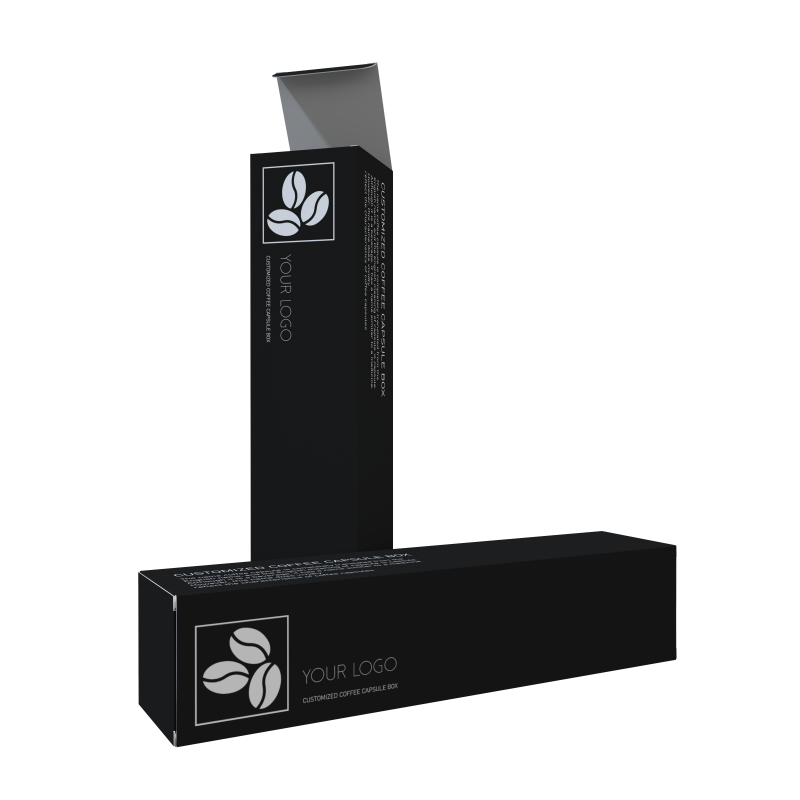
Custom High Quality Cardboard Paper Coffee Capsules Coffee Pod K Pack Packaging Box
A compact carton for coffee capsules, pods and K-cup formats. The format supports one-colour to full-colour branding, efficient palletization and retail shelf consistency.
View product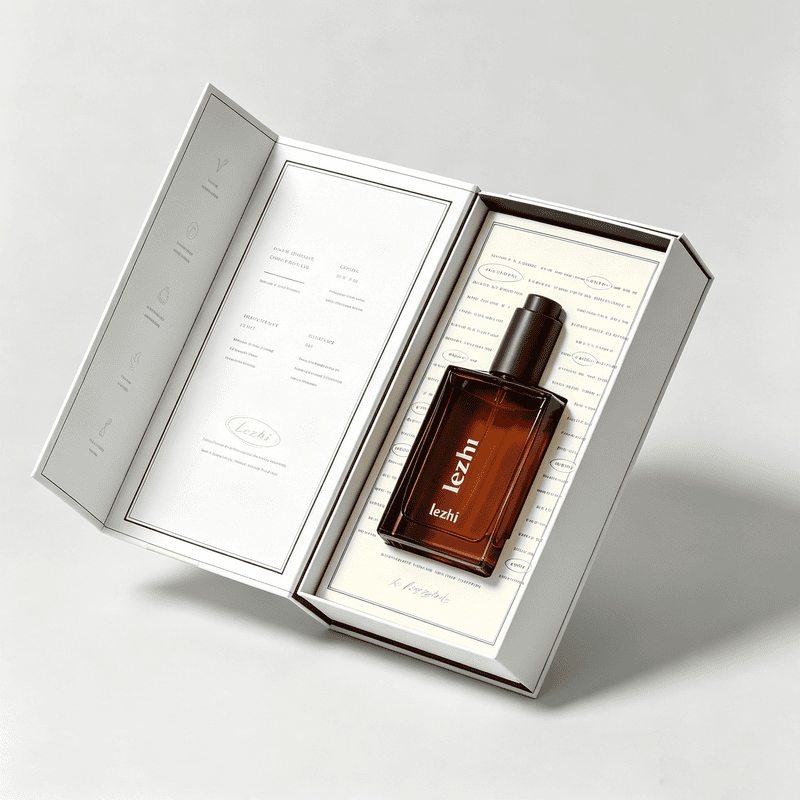
Custom Magnetic Flip Lid Box With Ribbon Pull Tab Empty Perfume Box Luxury Hard Rigid Perfume Packaging Gift Box
A hard rigid box with magnetic flip lid and ribbon pull. Use it for perfume, premium confectionery, VIP gifts or food gift sets that need a repeatable luxury unboxing.
View product
Custom Magnetic Box Packaging for Skin Care Serum Set With Cosmetic and High-end Gift Box Packaging Supplier
A magnetic presentation box for skincare serum sets, cosmetic kits and high-end gift packs. Insert engineering protects glass bottles, droppers and secondary components during transit.
View product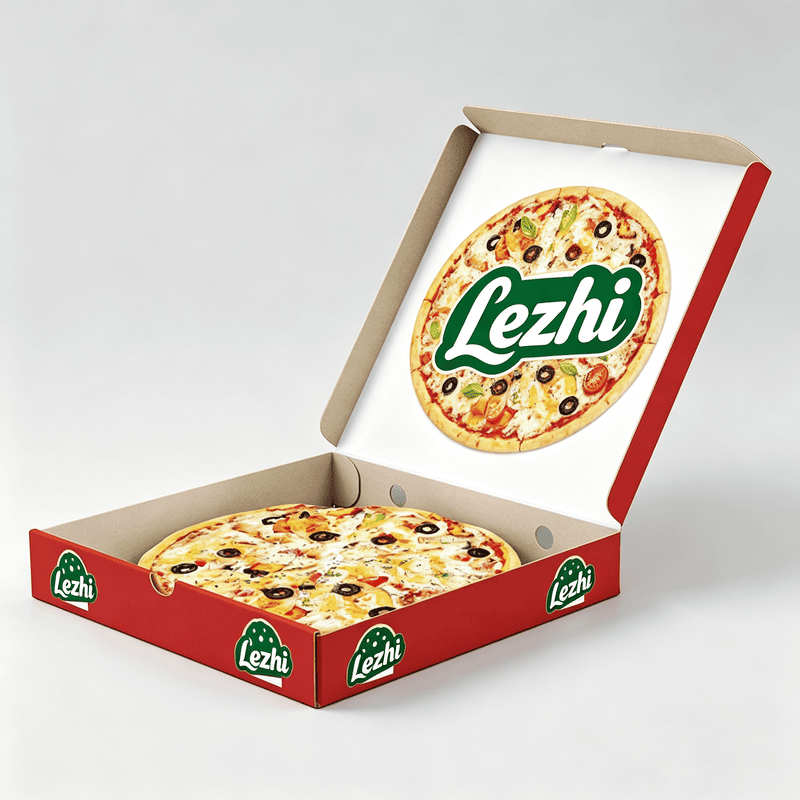
Wholesale 8 10 12 16 Inch Bakery Food Pizza Box Takeaway Pancake Food Box Disposable Cardboard Paper Packaging Box for Pizza
A disposable pizza and bakery box available in 8, 10, 12 and 16-inch formats. Buyers can specify corrugated or paperboard grades, vent holes and grease-resistant treatment.
View product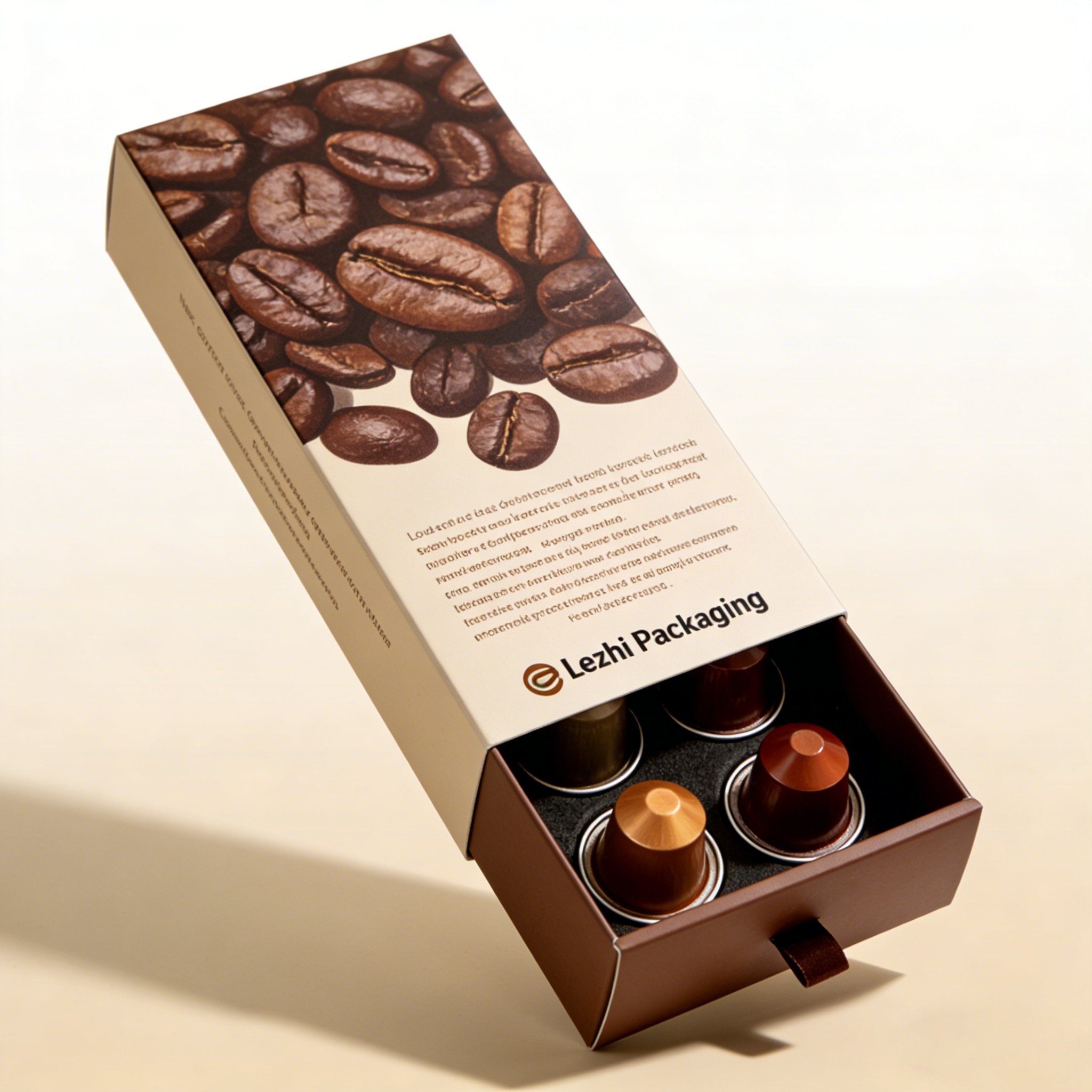
Custom Digital Printing Packaging Coffee Box Recyclable Coffee Capsule Paper Box
A recyclable coffee capsule paper box using digital print. A practical option for small-batch launches, seasonal flavours and DTC brands testing designs before offset volume.
View productWhy “China Best” Should Be a Checklist, Not a Slogan
For importers, the useful meaning of “China best food packaging manufacturer” is not a beauty contest. It is a supplier that can prove food-contact material control, structural engineering, colour consistency, export documentation and responsive sampling. China remains attractive because it combines dense paperboard, ink, adhesive, foil and insert supply chains with fast tooling, mature printing clusters and experienced export logistics. That density shortens iteration and can improve total landed cost — but only when the buyer qualifies the supplier correctly.
A serious food packaging factory should be able to show the paper grade intended for direct or indirect food contact, whether recycled fibre is used and what barrier or liner protects the food, ink and adhesive declarations, migration test reports for the target market, FSC chain-of-custody documentation where claimed, and a signed sample approval process. For pizza and bakery boxes, heat, grease and venting matter. For coffee capsules and olive oil, aroma, oil resistance and compression strength matter. For gift boxes, the risk shifts to scuff resistance, magnet strength and insert fit.
The best supplier is the one that asks which risk your product carries before quoting a unit price. A low carton price is meaningless if the box collapses in an e-commerce parcel, fails a retailer’s food-contact audit or arrives with inconsistent colour across three production runs. The stronger comparison is between qualified suppliers with documented processes, not between the lowest and second-lowest price on a marketplace listing.
Evidence to Request Before Deposit
Use this short list to separate a real food packaging partner from a catalogue reseller.
- SGS onsite verification and the factory’s actual business scope
- FSC certificate with chain-of-custody scope and material claim
- Food-contact declaration and migration report for the destination market
- Dieline, physical sample and signed approval before bulk production
- Colour target, press proof record and first-article confirmation
- Carton drop, compression and finished-box QC checklist
What to Verify in Food Packaging Factories
Procurement teams often compare quotes before comparing evidence. A better sequence is to qualify the process first, then compare the commercial offer. These four checks catch most avoidable failures.
Material Compliance
Ask for board type, coating, adhesive and ink declarations. Clarify direct versus indirect food contact, recycled content, PFAS-free requirements and the destination market’s migration rules.
Structural Engineering
The dieline must be tested with product weight, drop risk, stacking load and closure use. A visually attractive sample is not production-ready until insert fit and board grade are proven.
Print Consistency
Use Pantone or CMYK targets, press proofs and first-article approval. For food brands, colour consistency across reorders protects shelf recognition and reduces waste from rejected batches.
Supply Reliability
Confirm realistic MOQ, sampling speed, production slot, QC photo schedule and shipping terms. A supplier that communicates clearly during sampling usually communicates better during production.
How Food Packaging Buying Is Changing
Procurement is shifting from shopping for a box to buying an insured outcome. Across food, takeaway and premium retail categories, several practical changes are reshaping supplier selection.
Compliance Moves into the RFQ
Retailer specifications, PFAS restrictions, packaging waste rules and food-contact evidence are moving earlier in the buying process. Suppliers that can provide documents before sampling gain an advantage.
Inventory Compression
Brands are reducing stock commitments and testing seasonal flavours or regional SKUs in smaller runs. Digital print, flexible MOQ and quick reorder capability matter more than a single lowest unit price.
Sustainability as Evidence
FSC claims, recyclable board, mono-material thinking, paper inserts and PFAS-free barrier options are becoming procurement questions, not marketing extras. Buyers want documentation, not vague “eco” language.
Total Landed Cost
Flat-pack rigid boxes, nesting inserts, right-sized cartons and pallet utilization can reduce freight and storage cost. The winning design is often the one that ships smarter, not simply the one with the lowest ex-factory price.
RFQ Scorecard We Recommend
This illustrative 100-point weighting helps buyers compare suppliers on risk and total outcome rather than unit price alone. Adjust the weights by category, destination market and order size.
What the Next Generation of Food Packaging Will Require
The future box is less like a printed container and more like a designed system: material, barrier, insert, closing experience, compliance and end-of-life message all aligned. These three directions are already appearing in serious buyer briefs.
Barrier Without Plastic
PFAS-free grease barriers, water-based coatings, mono-material paperboard and paper-based inserts are moving from trial to specification. The important question is not “is it recyclable?” but “does it still protect the food while meeting the target market’s recyclability and migration requirements?”
Smart Print and Smaller Batches
Digital print, variable QR codes, region-specific artwork and short-run launches let food brands respond to demand quickly. Packaging increasingly carries information and traceability, so data placement, legibility and reprint consistency need to be designed early.
Right-Sized and E-Commerce Ready
Compact cartons, flat-pack rigid boxes, corrugated mailers and fit-to-product dimensions reduce void space and damage. For takeaway and delivery, venting and stack strength matter; for e-commerce, drop resistance and easy assembly win.
| Food Product | Packaging Direction | Procurement Question |
|---|---|---|
| Pizza and bakery | Vented corrugated or paperboard box with grease-resistant treatment | Will the board resist oil and heat while keeping stack strength during delivery? |
| Coffee capsules | Compact folding carton with digital or offset print and recyclable board options | Can the pack run efficiently on shelf and e-commerce, and can the paper claim be supported? |
| Olive oil and pantry gifts | Premium rigid or folding carton with bottle insert and compression testing | Does the insert stop glass movement without making assembly too slow? |
| Premium food gifting | Magnetic rigid box, ribbon pull and EVA, foam or paper insert | Will the finish resist scuffing, and is the magnet strength suitable for repeat opening? |
| Takeaway and delivery | Sliding drawer, sleeve and tray or disposable box with easy branding | Can staff assemble it quickly at peak hours, and does it travel safely? |
A strong packaging brief connects product, channel, compliance and assembly labour. If those four inputs are missing, even a beautiful sample can fail in production.
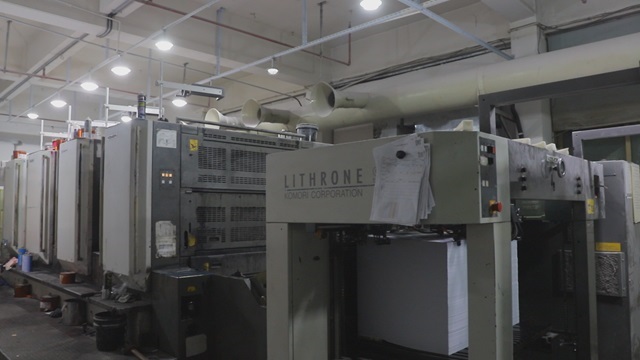
Inside Yiwu Jersey Packaging Co., Ltd.
Yiwu Jersey Packaging Co., Ltd. is a manufacturer and trading company based in Zhejiang, China, with 38 verified staff and export-focused service. Its business type and capabilities are SGS onsite-verified, giving overseas buyers third-party evidence before an order is placed. The company combines in-house production control with trading and export support, so a custom brief can move from dieline to sample to carton without unnecessary hand-offs.
The portfolio covers magnetic rigid boxes, food packaging boxes, cosmetic boxes, drawer boxes, kraft gift boxes and corrugated mailers. Materials include FSC-certified paper options, recyclable kraft and paperboard, and soy-based inks on request. Printing and finishing capabilities include CMYK and Pantone offset, digital printing, hot foil stamping, embossing and debossing, spot UV, and gloss, matte or soft-touch lamination. Inserts can be engineered in EVA, foam or paperboard.
Customization is organised into four practical modes: sample-based, design-based, minor logo or graphic customization, and full structural customization. Most custom boxes start from 200 pieces, while simple folding styles can start from 100 pieces. A 4.9/5 buyer rating and export experience across North America, Europe, Asia-Pacific and other regions support the claim that this is a working supply partner rather than a catalogue-only trader.
For buyers, the value is not simply “factory direct.” It is the combination of material selection, structural advice, sample approval, production QC and export packing that reduces the risk of a beautiful sample becoming an unsellable bulk order.
How to Match Packaging Style to Procurement Risk
Use this matrix during the first supplier conversation. It turns a visual preference into a production and compliance brief.
| Box Style | Typical Construction | Best For | Checks Before Deposit |
|---|---|---|---|
| Magnetic Rigid Box | Greyboard core wrapped in art or specialty paper with hidden magnets | Premium food gifts, electronics, beauty sets | Magnet pull, corner wrapping, scuff resistance, insert fit |
| Foldable Magnetic Box | Rigid panels with folding hinge; ships flat | E-commerce brands reducing freight volume | Hinge strength, assembly speed, crease quality |
| Drawer / Sleeve & Tray | Rigid or paperboard tray with sliding sleeve | Chocolate, tea, candles, bakery gifting | Slide tolerance, ribbon pull, food-contact liner |
| Folding Carton | Coated paperboard with tuck-end or auto-lock bottom | Coffee pods, supplements, retail food packs | Board grade, print registration, glue pattern, shelf fit |
| Corrugated Takeaway Box | E-flute or B-flute corrugated board | Pizza, bakery, delivery and subscription packs | Grease resistance, venting, stack compression, assembly |
Food Packaging Procurement Questions Buyers Ask
These answers reflect the practical questions raised during custom packaging RFQs, sampling and export order planning.
What makes a China food packaging manufacturer “best” for an export buyer?
Best should mean verifiable fit: food-contact documentation, structural engineering, consistent print, realistic lead time and clear export terms. SGS onsite verification and FSC-certified material options are useful evidence, but the buyer should still match sample quality, communication speed and compliance documents to the destination market.
What is the MOQ for custom food packaging boxes?
Most custom boxes at Jersey Packaging start from 200 pieces. Simple folding structures can start from 100 pieces. Exact MOQ depends on size, paperboard, finishing and insert complexity; smaller trial runs may be possible with digital print, while foil and rigid boxes usually require a higher run.
Can you supply food-grade and FSC-certified materials?
Yes. We offer FSC-certified paper options, recyclable kraft and paperboard, food-contact paperboard grades and soy-based inks on request. Buyers should specify direct or indirect food contact, target market and migration requirements so the correct board, coating and adhesive combination can be quoted.
Can you make samples before mass production?
Yes. We support sample-based, design-based, minor logo or graphic and full structural customization. The usual path is a dieline review, a digital or physical proof, and a signed sample approval before bulk production. This approval gate is important for colour, insert fit and closure strength.
How do you control printing colour and structural quality?
Colour is controlled against an approved Pantone or CMYK target, with press proof or first-article confirmation. Structural quality is checked through dieline fit, board grade, glue strength, magnet pull, surface finish and finished-box dimensions. Final QC photos can be shared before balance payment and shipment.
Are the boxes suitable for pizza, coffee capsules, olive oil and bakery products?
Yes, but the specification changes by product. Pizza and bakery boxes need grease resistance, venting and stack strength; coffee capsule cartons need compact dimensions and shelf impact; olive oil gift boxes need bottle support and compression strength. We recommend a structure based on product weight, distribution method and retail channel.
What information should I send for a fast quote?
Send product dimensions and weight, quantity, box style or reference image, artwork status, destination country, food-contact requirement and preferred finish. If you have a dieline or sample, include it. This lets us recommend board grade, insert and shipping format instead of quoting a generic box.
How do I start a project with Jersey Packaging?
Use the quote button or email info@jerseypackage.com. Share your requirement and our export team will respond with a recommended structure and quotation plan. For food packaging, mention the product, target market and whether direct food contact is involved.
Request a Food Packaging Quote with the Right Structure, Material and Compliance Path
Send your box size, product weight, quantity, artwork status and destination market. Our export team will recommend a practical structure and outline the sample approval route before production.
Get a QuoteEmail: info@jerseypackage.com · Yiwu Jersey Packaging Co., Ltd. · Zhejiang, China