China Best Paperboard Boxes Suppliers & Exporters
A buyer-side whitepaper for brand owners, e-commerce sellers, food-service distributors and procurement teams that need verifiable quality, FSC paper options, low-MOQ customization and export-ready paperboard packaging from China.
8 Paperboard Box Styles Buyers Should Evaluate First
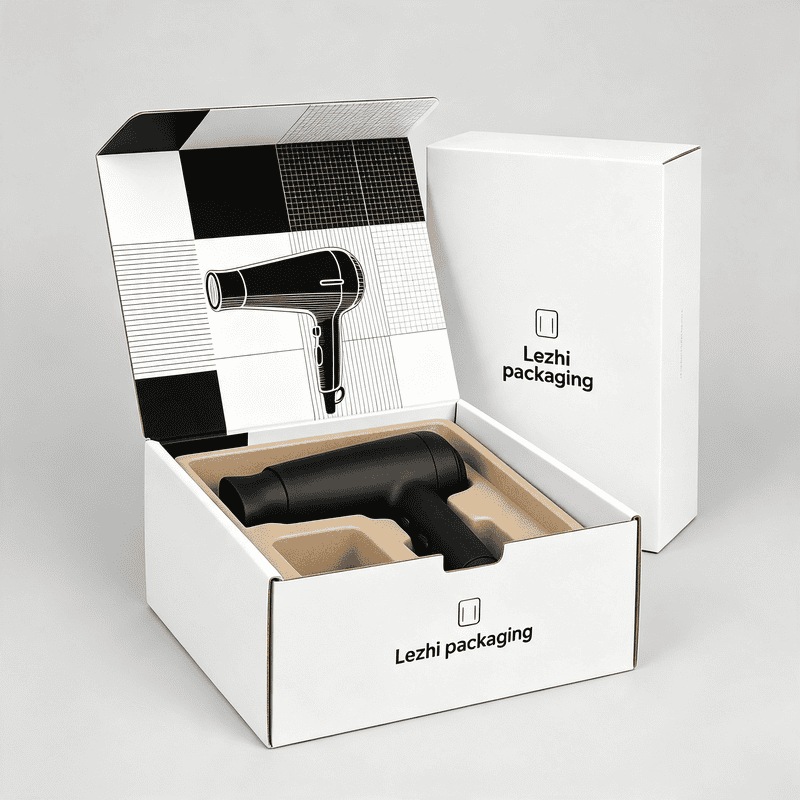
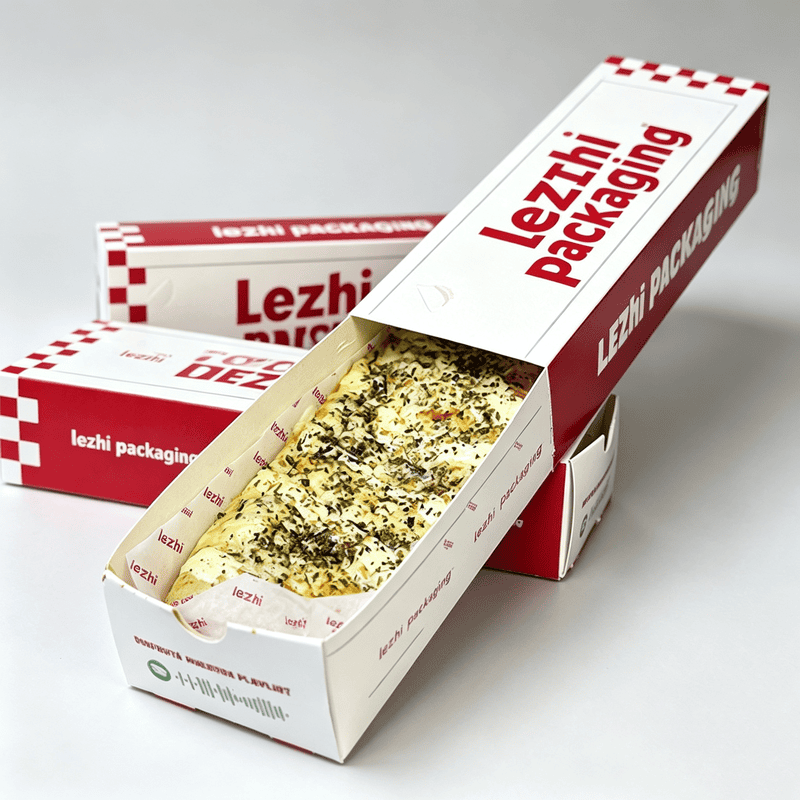
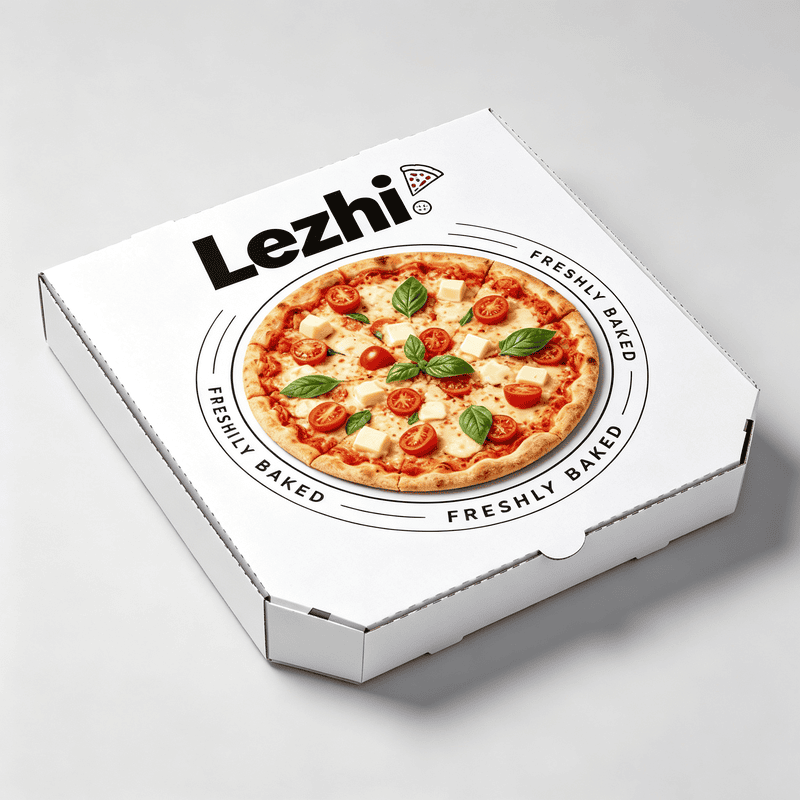
These eight reference products reflect real sourcing briefs: luxury magnetic gift boxes, food-grade takeaway packaging, e-commerce mailers, perfume rigid boxes, bakery cake boxes and high-volume pizza cartons. Use them as starting points for structure, material and finishing discussions—not as blind catalog picks.





What “Best” Really Means in China Paperboard Boxes Sourcing
The phrase “China best paperboard boxes suppliers & exporters” hides several buying intents. A startup buying 200 magnetic gift boxes, a food-service distributor ordering 100,000 pizza cartons, and a skincare brand preparing for FSC and food-contact questions each need a different kind of “best.”
A genuine top-tier paperboard packaging partner should pass five tests: structural fit, material compliance, print consistency, export reliability and communication quality under pressure. Structural fit means the supplier can recommend a board grade, box style and insert that protect the product without overspending. Material compliance means the paperboard, ink, coating, adhesive and insert are suitable for the product’s market—especially for food, cosmetics and children’s products. Print consistency means the approved color survives different board batches, lamination finishes and repeat orders. Export reliability means cartons, shipping marks, pallets and documents arrive correctly. Communication quality is visible in how quickly the factory answers technical questions after the deposit, not only during quotation.
Price per box is the easiest number to quote and one of the most dangerous numbers to compare. Total landed cost includes board and finishing, MOQ-linked waste, sampling, plate or tooling charges, freight, duties, defect handling, rework, chargebacks and cash tied up in inventory. A supplier that helps you right-size the box, consolidate cartons, use a foldable rigid structure, reduce void fill or select a better board grade can beat a lower unit price without changing a single print color.
Evidence matters more than slogans. SGS onsite verification can confirm that a supplier exists, operates at a stated address and has the staff and production capabilities claimed. It does not automatically certify every box. FSC certification confirms chain-of-custody for eligible paper products within a defined scope. Food-contact suitability should be supported by material declarations and, where required, migration testing. Serious buyers ask for certificate numbers, scope statements, expiry dates and product lists—not just logo images on a homepage.
Experience you can see
Factory-floor experience appears in dielines, board recommendations, insert tolerance and realistic lead times. Ask how the supplier handles board warp, foil adhesion, color shifts and shipping compression.
Expertise beyond printing
Technical competence covers greyboard thickness, corrugated flute choice, food-safe liners, EVA density, ribbon pull strength, lamination rub resistance and AQL inspection planning.
Authority with proof
Independent audit reports, FSC chain-of-custody scope, trade history and product-specific test reports give procurement teams defensible evidence—not anonymous claims.
Trust built into process
Written approvals, pre-production samples, QC photos, clear payment terms, claim windows and export documentation reduce the risk that a beautiful sample never becomes a reliable bulk order.
2026 Procurement Trends Reshaping Paperboard Box Sourcing
Procurement teams are rewriting supplier scorecards. The old question—“What is your best FOB price?”—is being replaced by “Can you prove material compliance, control color, protect the product in transit and scale from a test run to seasonal peak?”
Compliance-led sourcing
FSC claims, food-contact declarations, recyclability data and packaging waste requirements are moving into the RFQ. Under Europe’s Packaging and Packaging Waste Regulation, buyers increasingly need material data that is specific to the box, not a generic “eco-friendly” statement. Ask for material breakdowns, coating data and certificate scope before approving artwork.
Lower MOQ and digital runs
Brands still test markets with short runs. Digital printing, standardized dielines and modular inserts let suppliers support low-MOQ programs—often from 100 to 200 pieces—without locking buyers into huge inventories. The trade-off is that unit costs and finishing choices differ from offset volume production.
Freight-aware structures
Foldable magnetic boxes, right-sized mailers and nested cartons reduce volumetric weight and damage. Procurement teams now compare packaging designs by shipped volume, not only by piece price. A box that ships flat and assembles quickly can lower total landed cost even when the unit cost is slightly higher.
Data-rich supplier briefs
Winning suppliers receive dielines, Pantone targets, product weight, drop-test requirements, barcode placement, FBA carton rules and artwork versions in one structured package. QR codes and digital product information are also entering packaging discussions, so file management and traceability must be planned early.
What the Next Generation of Paperboard Boxes Must Do
The next wave of paperboard innovation is less about decoration alone and more about system performance: material reduction, food safety, e-commerce survivability and data-enabled traceability.
Mono-material and paper-first inserts
Paperboard inserts, molded pulp and separable components are replacing mixed-material constructions where recycling streams are strict. Where EVA or foam is necessary for high-value tools, design the insert for easy separation or reuse so the outer box remains recoverable.
Right-sized e-commerce mailers
Corrugated roll-end tuck-front mailers, tear strips, easy-return formats and printed interiors turn shipping packaging into brand experience. The key is balancing product protection with reduced void fill, lighter cartons and faster pack-out times.
Food-safe functional paperboard
Grease resistance, moisture control and barrier coatings must be matched to the food and market. Buyers should request board, ink, coating and adhesive declarations, plus migration testing where required by FDA, EU Framework Regulation 1935/2004 or retailer standards.
Premium unboxing with operational discipline
Soft-touch lamination, hot foil, embossing, spot UV and magnetic closures still sell premium products—but they must survive rubbing, stacking and transport. A beautiful box that dents in transit is not premium. Demand color tolerance, rub tests and transit-ready carton specifications.
A Practical Supplier Verification Checklist for Overseas Buyers
Before sending a deposit, collect evidence that is specific to the supplier, the factory and the product you are buying. This checklist is designed for defensible procurement decisions.
Legal identity
Match the legal company name, production address, beneficiary name, export licence and invoice entity. Mismatches can complicate payment and customs clearance.
SGS onsite report
Review the audit date, scope and site address. Verification is a starting point; it does not replace product-specific QC or material testing.
FSC certificate scope
Check the FSC code, expiry, certificate type and product scope. Confirm that your paper, printer and trading entity are covered before using the FSC mark.
Food-contact file
Request declarations for board, ink, coating, adhesive and liner. If required, confirm migration test reports and retailer-specific compliance documents.
Approved sample
Sign off dieline, board swatch, Pantone target, finish, insert fit and assembly method. Keep a sealed master sample for repeat orders.
QC and AQL plan
Agree incoming material checks, in-line color checks, dimensional tolerances, visual AQL, carton drop or compression tests where relevant, and photo documentation.
Export packing
Confirm carton count, shipping marks, pallet dimensions, moisture protection, barcode placement and whether the packaging is ready for Amazon FBA or retail DC receiving.
Commercial terms
Document MOQ, sample fees, tooling ownership, payment schedule, lead time, inspection rights, claim window and replacement policy for defects.
Paperboard Box Structure Guide
Use this reference to align product weight, retail positioning and shipping method with a practical box structure.
| Box style | Typical construction | Best for | Common finishing and inserts |
|---|---|---|---|
| Magnetic rigid box | Greyboard core wrapped with art or specialty paper, hidden magnets | Beauty appliances, electronics, luxury gift sets | Soft-touch lamination, hot foil, EVA or foam insert |
| Foldable magnetic box | Rigid panels with folding hinge, shipped flat | DTC brands reducing freight volume | Matte lamination, spot UV, ribbon pull |
| Drawer or sleeve-and-tray | Rigid or paperboard tray with sliding sleeve | Perfume, chocolate, candles, tea, jewelry | Ribbon pull, embossing, paper divider |
| Folding carton | Coated paperboard, tuck-end or auto-lock bottom | Cosmetics, coffee pods, supplements, retail shelves | CMYK or Pantone print, matte varnish, window patch |
| Kraft paper box | Natural kraft board, recyclable construction | Eco brands, bakery, handmade goods | One-color print, stamping, paper insert |
| Corrugated mailer | E-flute or B-flute corrugated board | Subscription boxes, DTC shipping, apparel | Inside and outside printing, tear strip |
Not sure which structure fits your product? Send dimensions, weight, quantity and target market so the supplier can recommend a board grade and finishing plan.
Why Yiwu Jersey Packaging Is a Credible China Paperboard Boxes Exporter
Yiwu Jersey Packaging Co., Ltd. is based in Zhejiang, China, the heart of the world’s small-commodity export hub. Its business type and capabilities have been verified onsite by SGS Group, giving overseas buyers independent evidence of who they are working with. The company operates as a manufacturer and trading company—an important distinction because it combines production control with export service and documentation support.
The company profile reports 38 staff, including dedicated export specialists, and four customization modes: sample-based customization, design-based customization, logo and graphic (minor) customization and full structural customization. Most custom boxes start from 200 pieces, while simple folding styles can start from 100 pieces; the exact MOQ depends on size, board, finishing and print method.
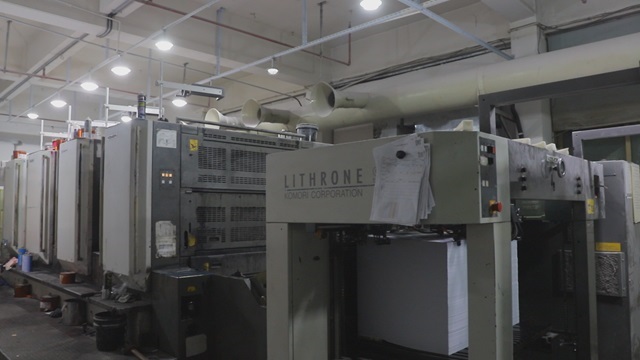
For buyers with sustainability or retailer requirements, Yiwu Jersey Packaging offers FSC-certified paper options, recyclable kraft and paperboard, soy-based inks on request and plastic-free paper inserts. Printing, die-cutting, box forming and inspection are managed in one workflow, which helps tighten color consistency and reduce hand-offs between suppliers. Product coverage includes magnetic rigid boxes, food packaging boxes, luxury cosmetic boxes, cardboard drawer boxes, kraft gift boxes and corrugated mailer boxes.
The company also supports global export markets across North America, Europe, Asia-Pacific and other regions, with sea, air and express shipping options and FBA-ready carton planning. Its published profile displays a 4.9/5 buyer rating from verified reviews; treat ratings as one signal and combine them with certificate checks, samples and order-specific references. For due diligence, review the company profile, factory video tour, trade capacity and trade history pages.
 Factory overview
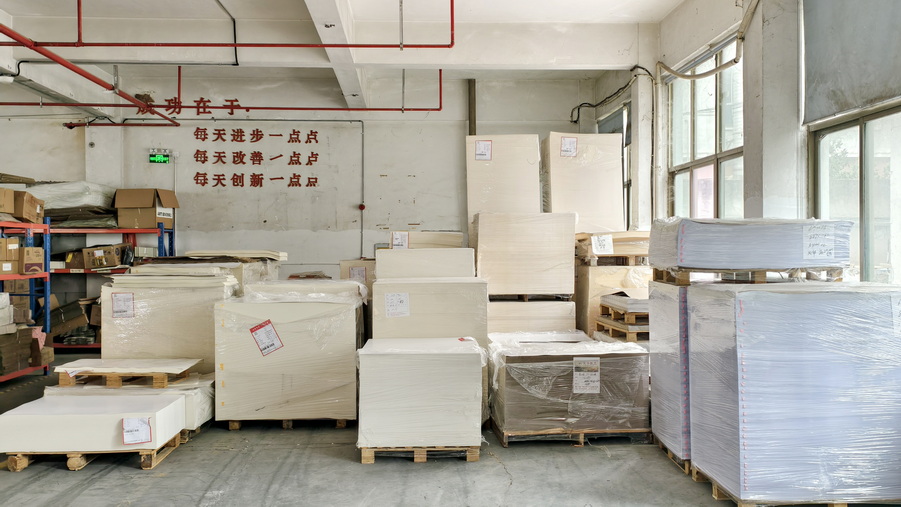 Offset printing
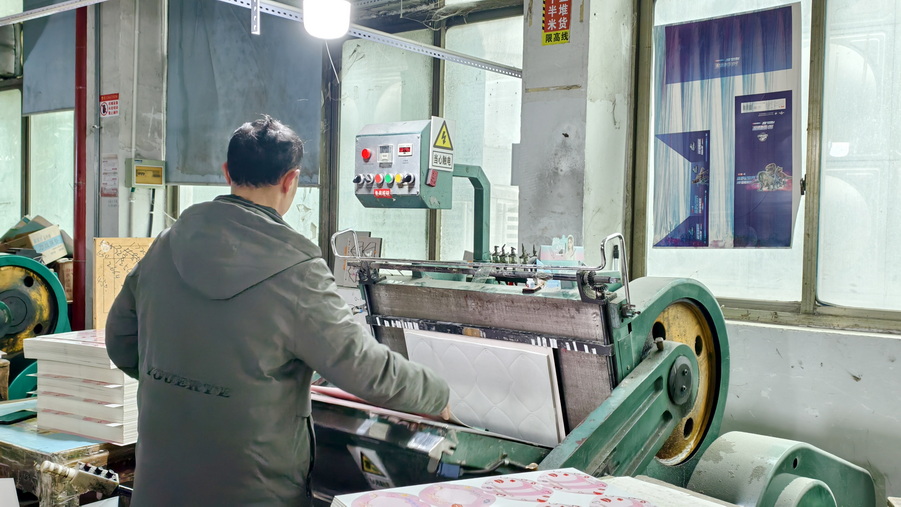 Quality inspection
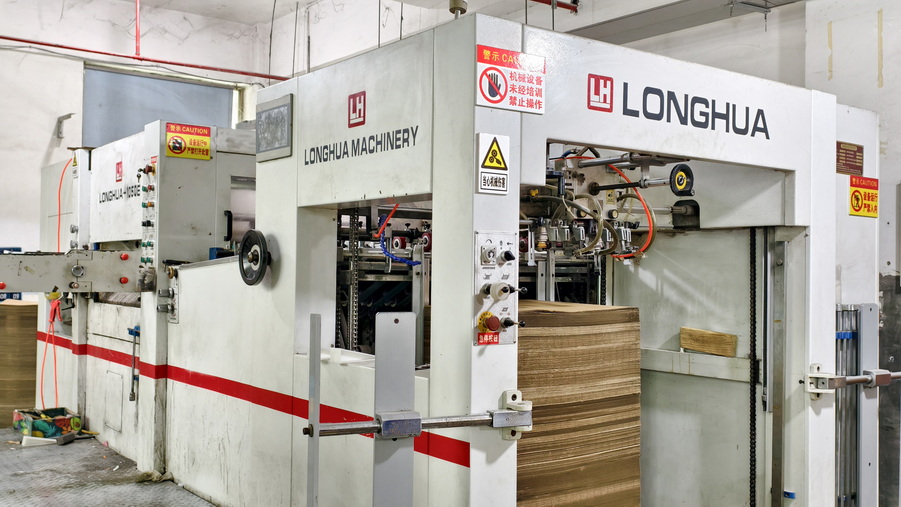 Export packing
SGS onsite-verified manufacturer
Independent onsite verification supports buyer due diligence on company identity, staff and production capabilities. Request the current report for your order-specific review.
FSC and eco-material options
FSC-certified paper choices, recyclable kraft and paperboard, soy-based inks on request and plastic-free paper inserts help brands meet sustainability and retailer requirements.
Low MOQ and four customization modes
Simple folding styles from 100 pcs and most custom boxes from 200 pcs, with sample-based, design-based, logo/graphic and full structural customization.
Integrated production workflow
Printing, die-cutting, box forming and inspection are managed together, reducing hand-offs and helping maintain color and dimensional consistency.
Food, cosmetic and gift box coverage
Magnetic rigid boxes, food packaging, cosmetic boxes, drawer boxes, kraft gift boxes and corrugated mailers support multiple retail and e-commerce categories.
Export-ready service
Global shipping support, export documentation and FBA-ready carton planning help overseas buyers move from approved sample to delivered production.
From Brief to Delivered Paperboard Boxes in Six Steps
A transparent workflow with an approval gate at each stage helps avoid the most expensive packaging mistake: discovering a structural or print problem after mass production.
Consultation
Share product dimensions, weight, target market, quantity, artwork status and required delivery date.
Structure and material advice
Confirm box style, board grade, corrugated flute, finishing, insert and compliance documents needed.
Dieline and sample approval
Review the dieline, 3D mockup, digital proof or physical sample before mass production is released.
Deposit and scheduling
Pay the agreed deposit so materials, printing plates and production capacity can be locked.
Production and QC
Printing, lamination, foil, die-cutting, box forming and inspection are completed against the approved standard.
Balance and shipment
Review final photos or inspection results, complete balance payment and arrange export delivery.
Frequently Asked Questions About China Paperboard Box Suppliers
These answers reflect the questions serious buyers ask before sampling and placing a bulk order.
What is the minimum order quantity for custom paperboard boxes?
Can you make samples before bulk production?
Are paperboard boxes eco-friendly, and what should buyers verify?
Is Yiwu Jersey Packaging a factory or a trading company?
Which printing and finishing options are available?
How can I verify FSC, SGS and food-contact claims?
How is color consistency controlled across repeat orders?
Request a Supplier-Specific Paperboard Packaging Recommendation
Send your product dimensions, weight, target quantity, market, artwork status and required delivery date. A useful quotation should include structure advice, material options, finishing feasibility, sample plan, MOQ, lead time and export packing assumptions.