8 Paperboard Packaging Products Buyers Ask For Most
These eight reference structures are not a random catalog. They show the range of paperboard packaging that global buyers request most often: skincare mailers, appliance retail boxes, whiskey gift boxes, pizza takeaway boxes, sliding drawers, perfume rigid boxes, cosmetic cartons and food-grade gourmet gift boxes. Every style can be customized by size, board grade, printing, finishing and insert.
 Skincare
FSC
Custom Printed Corrugated Roll End Tuck Front Mailer Box Cosmetic Mailer Box for Skincare Subscription Gift Shipping Packaging
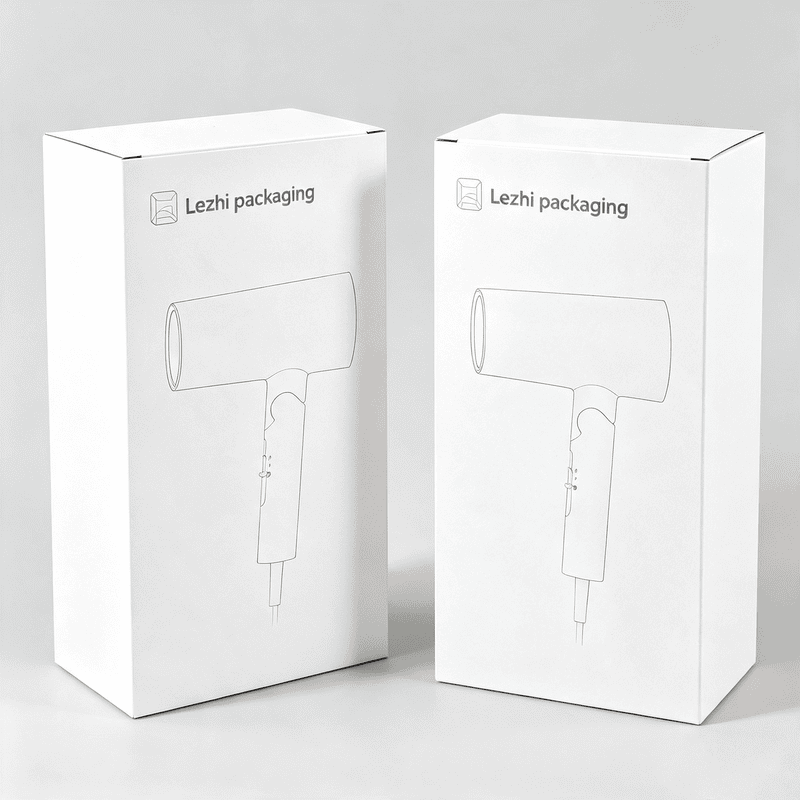 Appliance
FSC
Packaging Boxes Personal Household Hair Dryers Single-head Paper Boxes Small Household Appliances Color Gift Boxes
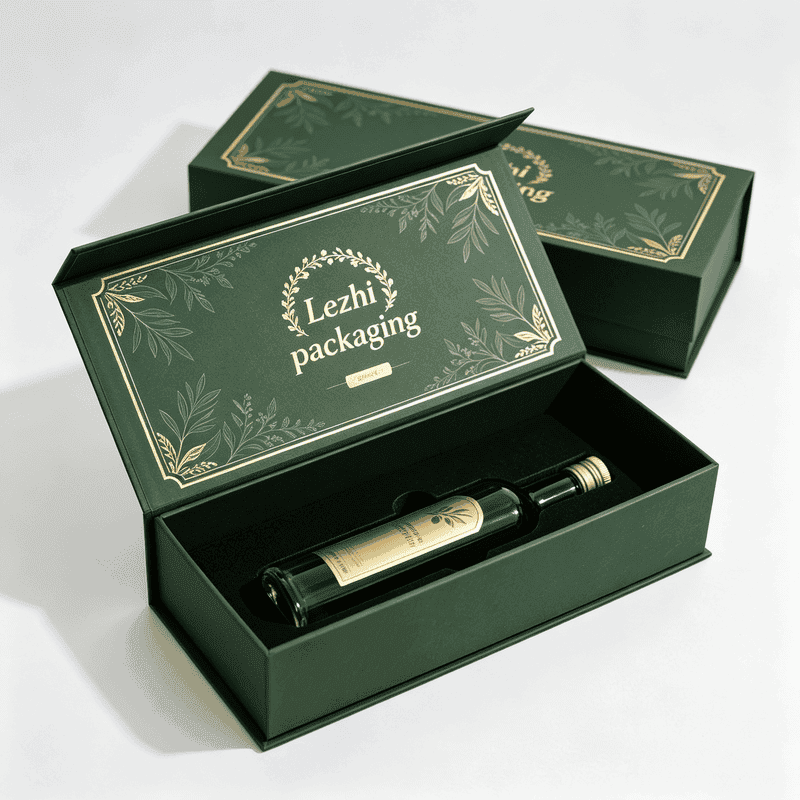 Spirits
FSC
Manufacture Customized Printing Luxury Whiskey Glass Storage Box Cardboard Premium Packaging Gift Wine Box with logo
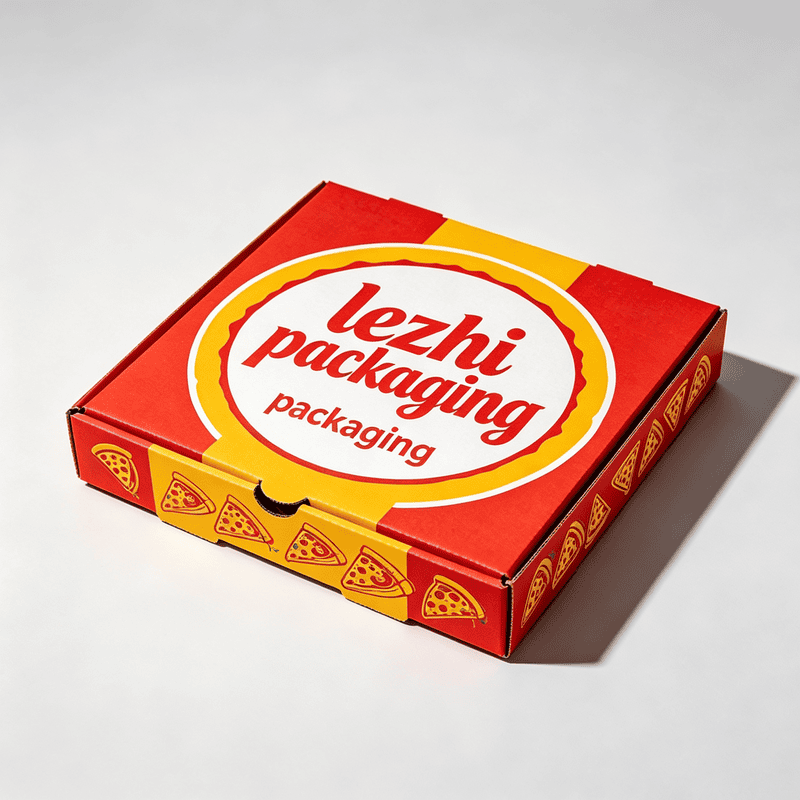 Takeaway
FSC
Disposable Takeaway Pizza Packaging Box Custom Logo Printing Pizza Packaging Boxes Food Grade Snake Paper Box
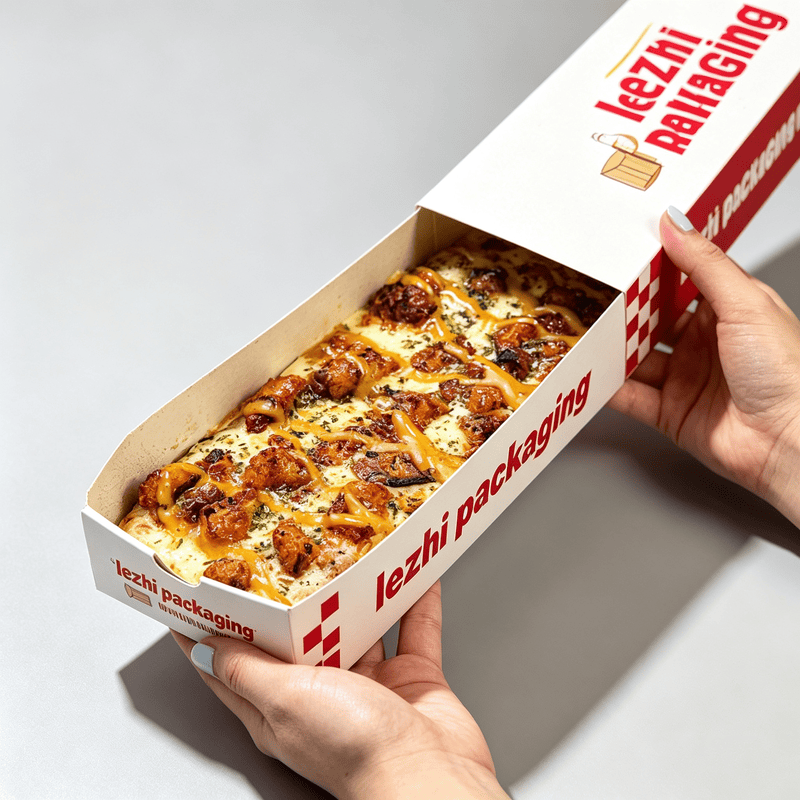 Drawer
FSC
Disposable Pizza Paper Cardboard Box Food Grade Sliding Pizza Drawer Box Custom Hot Dog Sandwich Tray Pizza Box Packaging Boxes
 Perfume
FSC
Custom Magnetic Flip Box With Ribbon Pull Tab Empty Perfume Box Luxury Hard Rigid Perfume Packaging Gift Box
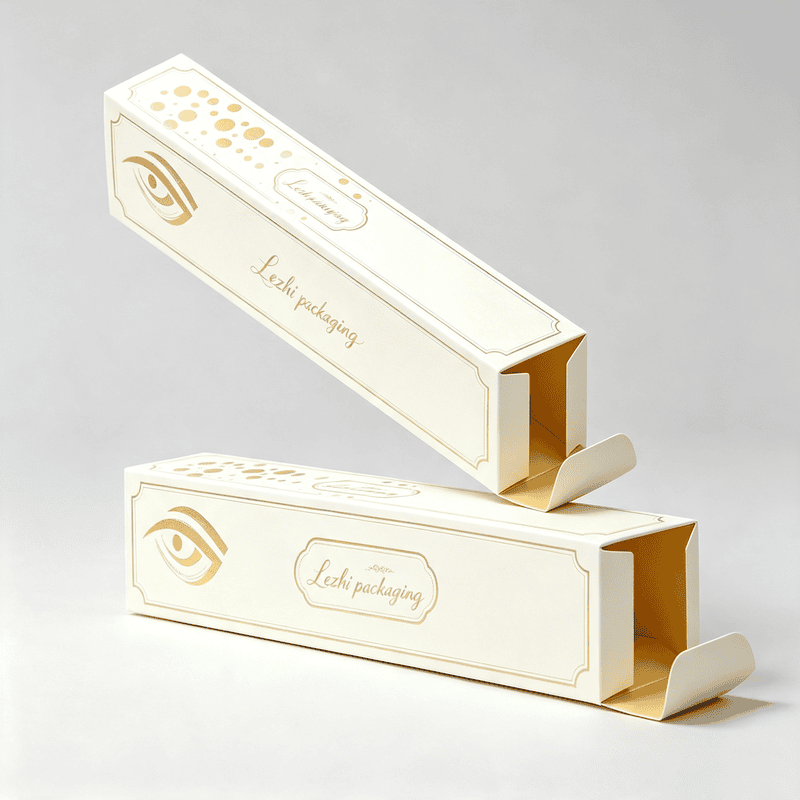 Cosmetic
FSC
Tuck End Recyclable Cosmetic Paper Box Matt Lamination Silver Foil Logo for Makeup Brushes Face Cream Beauty Accessories
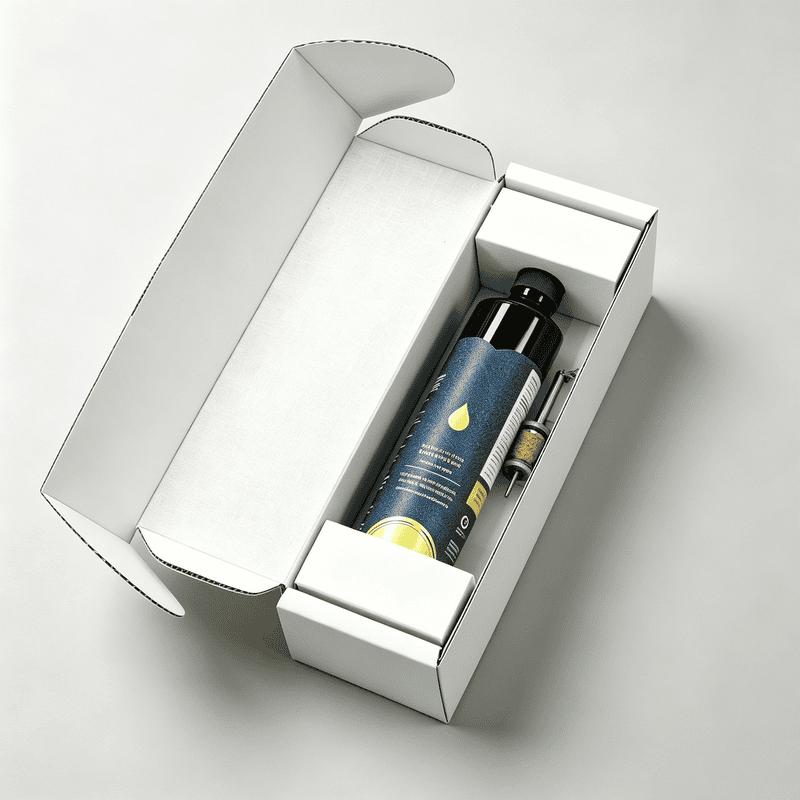 Gourmet
FSC
Custom Food-Grade Square Paperboard Gift Box Gold Foil Embossing Stamping Biodegradable for Olive Oil Gourmet
What Defines China's Best Paperboard Packaging Factories?
For procurement teams, “best factory” is not simply the lowest quotation. It is the supplier that can control structure, materials, color, compliance, packaging and export documentation without creating hidden cost after the purchase order is signed.
China remains the world’s most complete source for custom paperboard packaging, but the market is broad. A buyer can find a folding-carton printer, a rigid-box workshop, a food-grade packaging converter and an export trading company in the same province. The difference between an average supplier and a reliable long-term partner is usually found in engineering discipline, process visibility and material accountability, not in a single machine list.
This white-paper guide is built from the operating reality of a manufacturer and exporter: SGS onsite verification, FSC-certified paper options, low-MOQ production from 100 pieces on simple styles, four customization modes, in-house printing and box-forming coordination, and export service for brand owners, distributors and marketplace sellers. It is written for buyers who need more than a product catalog; they need a repeatable way to compare paperboard packaging factories in China.
The central recommendation is simple: evaluate packaging as a total landed cost and brand-risk decision. A box that saves a few cents per unit but fails retailer compliance, delays replenishment or damages the product during transit is rarely the cheaper box. The strongest factories reduce risk through dieline ownership, proof approval, material inspection, production gates and documented final inspection.
6 Criteria for Comparing China Paperboard Packaging Suppliers
Use these six criteria as a procurement scorecard. They help convert a visual quotation into a measurable supplier comparison before you invest in samples or tooling.
Verified Factory Identity
Confirm whether the supplier is a factory, a trading company or both. An SGS onsite-verified profile gives overseas buyers independent evidence of business type, staff and production capability.
Material & Compliance Evidence
Ask for board grade, paper source, food-contact declarations where relevant, FSC-certified paper options, ink type and recyclability claims in writing. Sustainability should be specified, not implied.
Structural Engineering
The best factories recommend a box structure based on product weight, fragility, shelf position and shipping mode. They provide dielines, 3D mockups or physical samples before mass production.
Low-MOQ Flexibility
Low MOQ is valuable for launches, seasonal SKUs and marketplace testing. Flexible production from 100 to 200 pieces can reduce inventory risk, but it must still be paired with stable color and finishing standards.
Quality Control Gates
Look for incoming material inspection, print-color checks, die-cut and crease accuracy, box-forming checks, surface inspection and pre-shipment carton audit. A process with approval gates is safer than a promise.
Export & Landed-Cost Discipline
Carton configuration, pallet planning, shipping mode and documentation affect the real cost. A strong exporter helps buyers compare FOB, CIF and DDP options with realistic packaging and freight data.
How to Match Paperboard Box Structure to Product Risk
The same artwork can be produced as a folding carton, a rigid box, a drawer box or a corrugated mailer. Structure selection determines protection, unboxing experience, freight volume and cost.
| Box Structure | Typical Construction | Best-Fit Products | Procurement Note |
|---|---|---|---|
| Magnetic Rigid Box | Greyboard core wrapped in art paper or specialty paper with hidden magnets | Perfume, beauty devices, electronics, whiskey glasses, premium gift sets | Confirm magnet strength, wrap tolerance, insert fit and drop-test requirements. |
| Foldable Magnetic Box | Rigid panels with folding hinge that ships flat and sets up at destination | E-commerce brands, subscription kits, marketplace sellers managing freight volume | Compare flat-pack freight savings against assembly time and crease durability. |
| Drawer Box / Sleeve & Tray | Rigid or paperboard tray inside a sliding sleeve with ribbon pull | Chocolate, tea, candles, jewelry, perfume samplers, gourmet food gifts | Specify pull force, sleeve clearance and divider material for product security. |
| Folding Carton | Coated paperboard with tuck-end, auto-lock bottom or crash-lock base | Cosmetics, skincare, coffee capsules, supplements, small retail accessories | Check board stiffness, print density, lamination rub resistance and food-contact needs. |
| Corrugated Mailer | E-flute or B-flute corrugated board printed outside and inside | DTC shipping, apparel, subscription boxes, skincare mailers, social-commerce kits | Review edge crush, tear strip, inside print and fulfillment-center drop requirements. |
| Kraft Paper Food Box | Natural kraft board or food-grade paperboard with low migration inks | Bakery, pizza, hot dog trays, olive oil, gourmet hampers and eco retail | Confirm sauce resistance, grease barrier, stack strength and food-contact declaration. |
Practical rule: send product dimensions, weight, fragility, shipping method and retail channel before requesting a quotation. These five inputs change structure, board grade, insert design and carton volume.
Paperboard Packaging Procurement Trends for 2025–2030
Buyers are moving from price-led sourcing toward resilience-led sourcing. The packaging factory that wins repeat business will be the one that can document compliance, control small runs and support retailer-ready delivery.
1. Audited Suppliers Replace Anonymous Quotes
Procurement teams now ask for business-license verification, onsite audit evidence, named export contacts and traceable production steps. An SGS onsite-verified supplier shortens due-diligence time and reduces the risk of paying a broker who cannot control quality.
2. Sustainability Evidence Becomes a Purchase-Order Line
FSC paper options, recyclable board, soy-based inks, paper inserts and plastic-free inner packaging are moving from marketing language into buyer specifications. Brands serving European retailers increasingly need material declarations and recyclability claims that can survive compliance review.
3. Smaller Runs and Faster Replenishment
Low-MOQ production is no longer only for startups. Established brands use smaller runs to test SKUs, reduce obsolete packaging and respond to seasonal demand. Digital printing and flexible folding-carton production make 100 to 500-piece runs more practical than before.
4. Flat-Pack and Freight-Efficient Design
Foldable magnetic boxes, knock-down rigid boxes and optimized carton configurations reduce freight volume. For high-value products, the extra assembly step can be offset by lower container cost and better warehouse use — a trend that is especially relevant for e-commerce and gift sets.
5. Dual-Source and Risk-Balanced Supply Chains
Brands still source complex paperboard packaging from China because of integrated printing, converting and hand-assembly skills. At the same time, buyers keep a second qualified supplier for critical SKUs. The best factory supports this by sharing dielines, color targets and quality standards.
6. Retailer-Ready and Marketplace-Ready Packaging
Packaging must now survive retailer compliance checks, Amazon FBA handling, direct-to-consumer delivery and unboxing content creation. Exporters with experience in North America, Europe and Asia-Pacific can recommend board strength, carton labels and packing methods that reduce claim risk.
How Paperboard Packaging Itself Is Evolving
Packaging development is moving toward material reduction, plastic elimination, stronger shelf impact and connected experiences. These changes affect both the box structure and the production data buyers should request.
Mono-Material Engineering
Paper inserts, moulded pulp, paperboard fitments and easy-separation laminates are replacing foam, plastic windows and mixed-material trays where possible. The design goal is a package that protects the product while simplifying recycling instructions.
Lower-Carbon Paperboard Options
FSC-certified paper, recycled board, lightweight high-strength grades and soy-based inks are being requested alongside conventional art paper and greyboard. Buyers should confirm the claim, the material certificate and the exact stock used in production.
Soft-Touch, Foil and Embossing Still Sell
Premium finishes remain important in beauty, spirits and gifting. The difference is that buyers now combine luxury with recyclability: matte lamination, spot UV, hot foil stamping and embossing are selected more carefully to support brand positioning without unnecessary material.
Connected and Smart Packaging
QR codes, batch codes, authenticity labels and digital instructions are turning the printed box into a brand touchpoint. Packaging factories that manage artwork, variable data and print quality can help brands connect the physical box to warranty registration, reorder pages or product education.
Why the Cheapest Box Quotation Is Rarely the Lowest Cost
A paperboard box quotation should be compared on total landed cost, not FOB unit price alone. Sampling, tooling, carton volume, inspection, damage rate and replenishment speed all change the true cost per sellable unit.
A useful comparison model is to divide every relevant cost by the number of sellable units delivered. The formula below helps procurement teams expose hidden differences between suppliers that quote similar unit prices but different carton configurations, minimum order quantities or quality controls.
For a white-paper level review, ask each supplier to provide the board grade, dieline, print method, finishing list, insert material, carton size, carton weight, units per carton and pre-shipment inspection plan. Without these data points, a “cheaper” quotation may simply move cost into freight, damage or delayed launch.
Illustrative weighting used in Jersey Packaging quotation reviews; actual priorities vary by product category, retail channel and destination market.
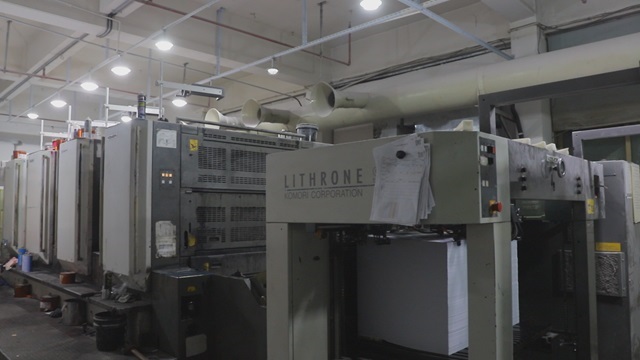 Factory Overview
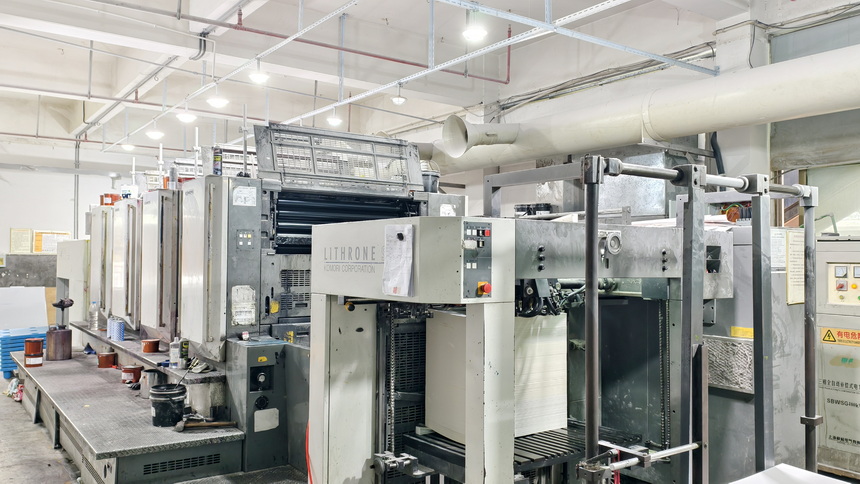
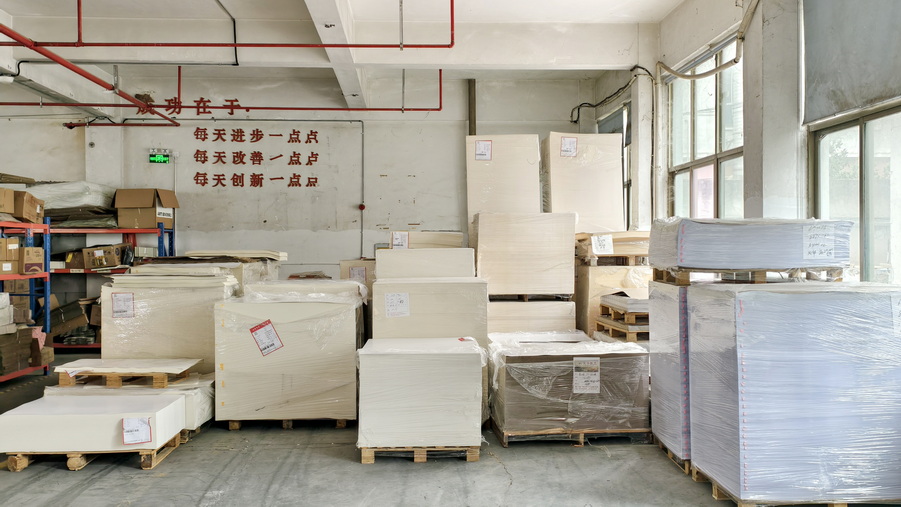 Offset Printing
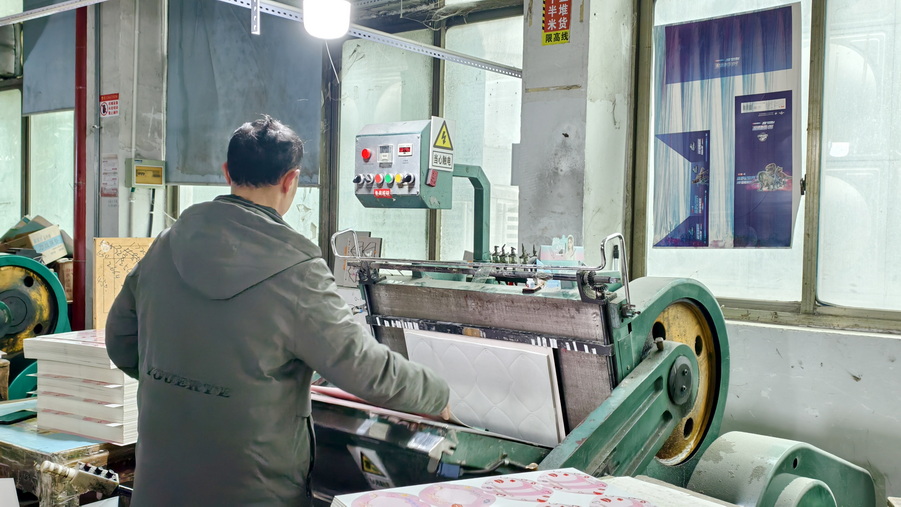
 Die-Cutting
 Quality Inspection
Why Yiwu Jersey Packaging Fits a White-Paper Standard
Yiwu Jersey Packaging Co., Ltd. is based in Zhejiang, China — one of the world’s most active small-commodity and packaging export regions. Our business type and capabilities have been verified onsite by SGS Group, giving overseas buyers independent evidence of the supplier behind the quotation.
We operate as a manufacturer and trading company, combining in-house production coordination with export service. Our 38-person team includes dedicated export specialists who support buyers from artwork and dieline review through sample approval, bulk production, final inspection and shipment.
- Sample-based customization
- Design-based customization
- Logo and graphic customization
- Full structural customization
- FSC-certified paper options
- On-site material inspection
Our product scope includes magnetic rigid boxes, folding cartons, food packaging boxes, cosmetic packaging, drawer boxes, kraft gift boxes and corrugated mailers. For buyers who need a faster launch, simple styles can start from 100 pieces, while most custom projects start from 200 pieces depending on size, board and finishing.
Get CatalogFrom Packaging Brief to Export Delivery in 6 Controlled Steps
A clear approval gate at every stage is more valuable than a vague promise of “good quality”. The workflow below keeps buyers informed from the first inquiry to final shipment.
Consultation
Share product dimensions, weight, quantity, target market and desired unboxing style. We identify the most suitable box family and flag compliance questions early.
Confirm Needs
We recommend board grade, structure, printing, finishing and insert materials. Buyers receive a clear specification for quotation comparison.
Approve Dieline
Review the dieline, 3D mockup or physical sample. Artwork, color target and structural details are approved before mass production begins.
Deposit
A deposit locks materials and production scheduling. We confirm the lead-time window, inspection plan and shipping terms in writing.
Production
Printing, lamination, die-cutting, box forming and in-line quality checks run through the approved workflow with feedback at agreed checkpoints.
Balance & Ship
Final photos and inspection records support balance payment. Cartons are packed for sea, air or express delivery according to the buyer’s destination.
What to Write Into a Paperboard Packaging Purchase Order
Quality is easier to enforce when it is written down. These six checkpoints help buyers move from “please make it good” to measurable acceptance criteria.
Incoming Material Check
Confirm board thickness, paper weight, color and batch consistency before printing. For food-related products, verify food-contact grade and barrier requirements.
Print-Color Verification
Approve a physical proof or color target. During production, spot-check against the approved sample under consistent lighting and record any acceptable tolerance.
Die-Cut & Crease Accuracy
Check dimensions, folding lines, slot alignment and edge cleanliness. Poor creasing can cause cracking, uneven box shape or machine-feeding problems later.
Box Forming & Magnet Test
For rigid and magnetic boxes, test closure strength, lid alignment, corner wrapping, ribbon pull and insert fit. The box should open cleanly and close securely after repeated use.
Surface & Lamination Inspection
Review foil adhesion, embossing depth, spot UV registration, soft-touch consistency, scratches and glue residue. These details shape perceived quality more than many buyers expect.
Pre-Shipment Carton Audit
Verify quantity per carton, product protection, labels, carton strength, pallet plan and shipment marks. Final photos reduce disputes and help the buyer prepare for retail or fulfillment intake.
Audited Manufacturing, Export-Ready Documentation
Independent verification and export experience help reduce supplier risk for brand owners, importers and marketplace sellers.
Certificates & Supplier Verification
Yiwu Jersey Packaging combines SGS onsite verification with FSC-certified paper options, environmentally compliant materials and food-contact board choices for suitable projects. Buyers can request the documentation relevant to their product category and destination market.

Global Export Markets
We support sea, air and express shipments for brand owners, distributors and Amazon sellers. Our export team can advise on flat-pack options, carton configurations and packaging methods that suit different destination markets.

Questions Buyers Ask Before Ordering Paperboard Packaging
These answers reflect the questions our export team handles most often when buyers compare China paperboard packaging factories and exporters.
What is the minimum order quantity for custom paperboard boxes?
Can you make samples before bulk production?
Are your packaging materials eco-friendly?
Is Yiwu Jersey Packaging a factory or a trading company?
Which printing and finishing options are available?
What lead time should buyers plan for?
Can you support food-grade and retailer compliance requirements?
How do I get a catalog and quotation?
Build Your Next Paperboard Packaging Program with a Verified Exporter
Share your product size, target quantity, artwork status and destination market. We will recommend the structure, board grade, finishing and export packing plan for your project.
Get Catalog