8 Custom Paper Packaging References for Lipstick, Beauty & Cosmetic Brands
These eight production-ready references show the structural, print and finishing range that lipstick brands can adapt for slim outer cartons, holiday gift sets, refill mailers, makeup-brush kits and beauty-device packaging. Each product URL is preserved exactly as supplied.
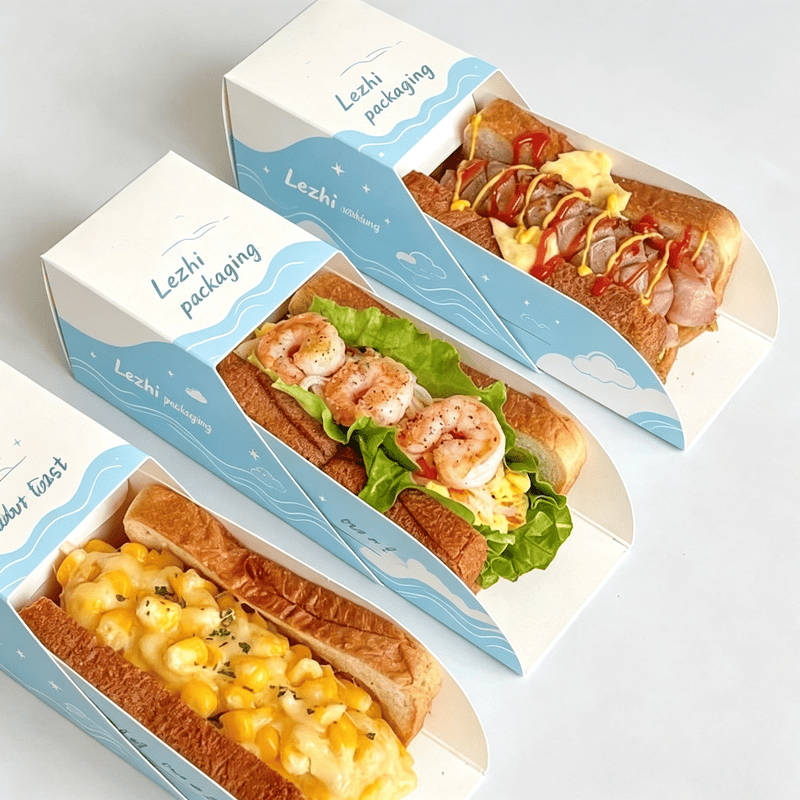
Food Grade Leak-proof Takeaway Sandwich Box Custom Printed Heat Resistant Kraft Toast Panini Packaging for Fast Food Chains
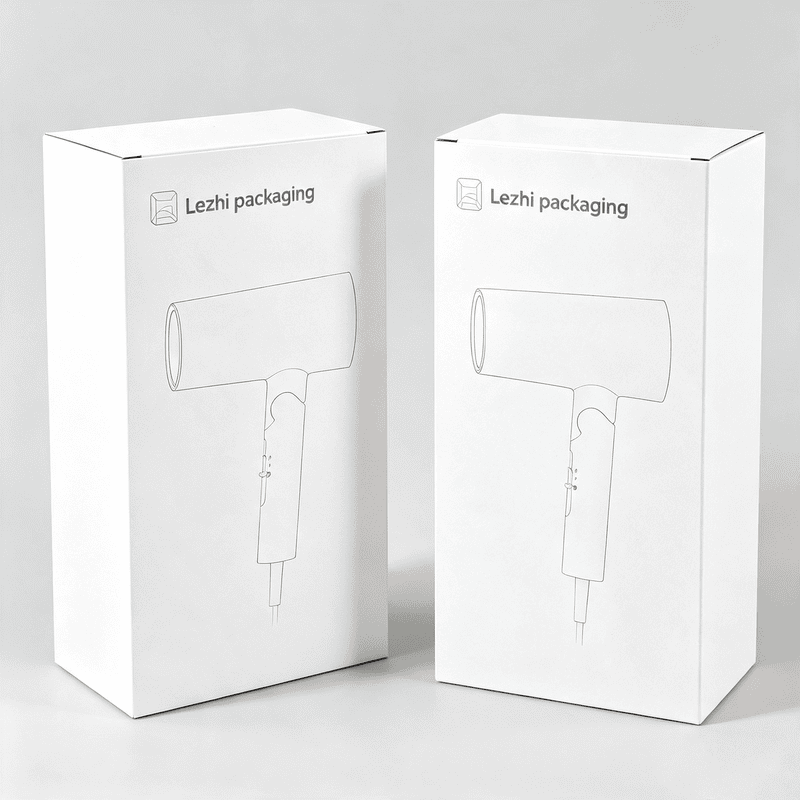
Packaging Boxes Personal Household Hair Dryers Single-head Paper Boxes Small Household Appliances Color Gift Boxes

Recyclable Biodegradable Eco-Friendly Makeup Cosmetic Nail Polish Oil Packaging Carton Box Custom Printing Folding Beauty
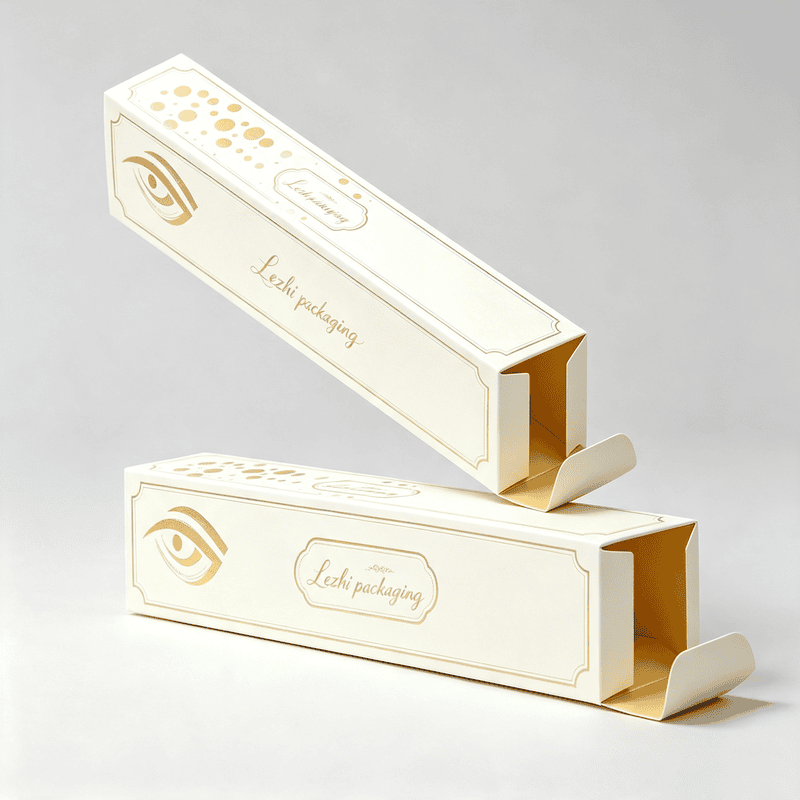
Tuck End Recyclable Cosmetic Paper Box Matt Lamination Silver Foil Logo for Makeup Brushes Face Cream Beauty Accessories

Custom logo Luxury Cardboard Empty Print Cardboard Olive Oil Packaging Gift Boxes for Olive Oil Bottles
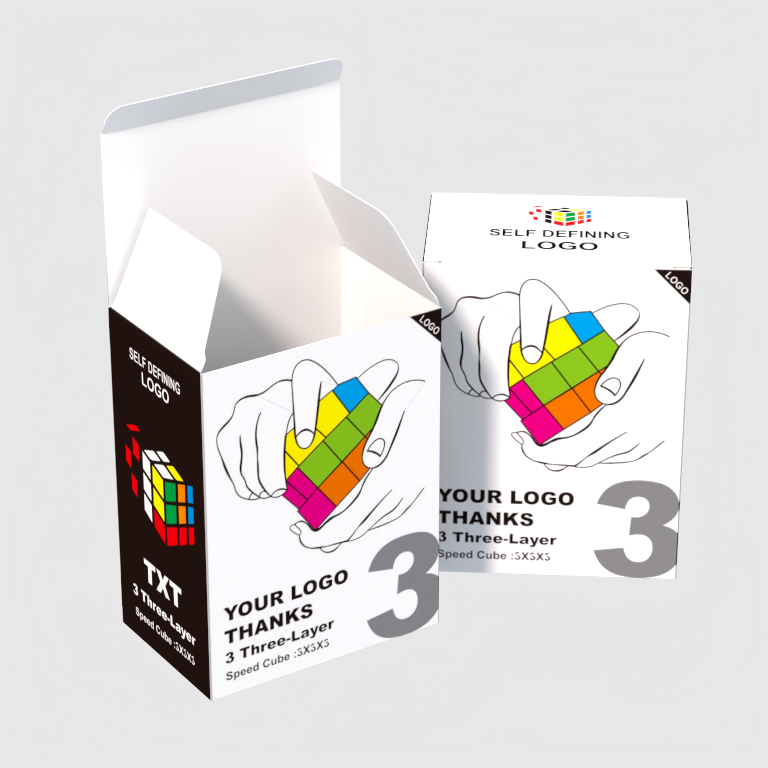
Custom Kid 's Cube Folding Box Children's Toy 3d Puzzle Paper Packaging Box

Custom Printed Corrugated Roll End Tuck Front Mailer Box Cosmetic Mailer Box for Skincare Subscription Gift Shipping Packaging
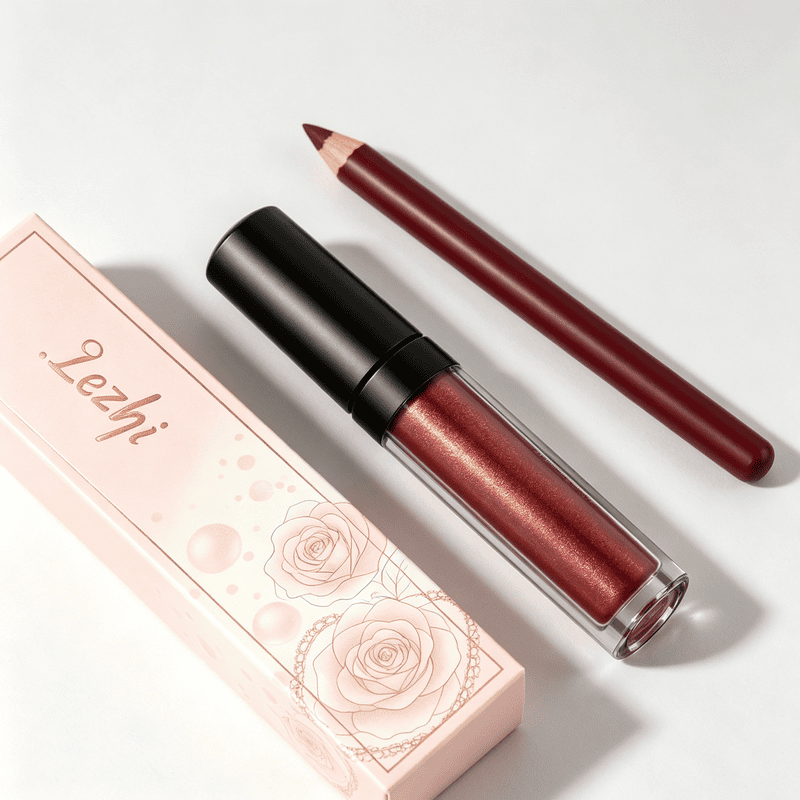
Makeup Brush Packaging Box Textured Paperboard with PET Window and Insert for Beauty Tool Collection OEM Custom Printing Factory
What “Top” Should Mean in a China Lipstick Packaging Factory & Exporter Search
Lipstick packaging is not a generic carton. The secondary pack must protect a fragile bullet, present shade and finish at retail, survive e-commerce, and carry brand cues in a very small surface area.
From search intent to supplier evidence
Buyers searching for China top lipstick packaging factory & exporters usually have one of four intents: find a custom manufacturer, compare export-ready suppliers, validate sustainability claims, or source a new structure for a launch. A useful supplier page must answer those intents with evidence, not only with “low MOQ, OEM, fast delivery” slogans.
This white-paper-style guide combines procurement analysis with factory evidence from Yiwu Jersey Packaging Co., Ltd., an SGS onsite-verified manufacturer and trading company in Zhejiang, China. Its profile includes 38 staff, five export specialists, a 4.9/5 buyer rating, four customization modes, FSC-certified paper options and a starting MOQ from 100 pieces for suitable styles.
Information gain: instead of repeating catalogue copy, this guide explains how lipstick brands should evaluate structural fit, color consistency, sustainability documentation, total landed cost, sampling speed and export readiness. It also maps eight custom paper packaging references to common lipstick and beauty scenarios, so procurement teams can brief a factory with clearer technical language.
For best results, treat the lipstick tube and the outer carton as one system. The tube diameter, cap height, bullet clearance, surface finish and refill mechanism all influence the carton’s internal dimensions, board grade, insert design and drop-test performance.
Buyer verification checklist
- Confirm factory identity, audit status and export experience
- Request a sample that fits your actual lipstick tube
- Check FSC, recyclability and food-contact paper options
- Review dieline, print proof, foil adhesion and lamination
- Compare unit price against total landed cost and reorder risk
Why China Remains Central to Lipstick Packaging Supply
China’s advantage is not simply labor cost. It is the density of board mills, specialty paper suppliers, foil and lamination workshops, insert fabricators, print houses and export logistics within a mature packaging ecosystem.
Material and decoration depth
Lipstick cartons often combine coated paperboard, specialty textured paper, hot foil, embossing, spot UV, soft-touch lamination, PET windows and paper or EVA inserts. A mature cluster allows faster sourcing of these components and more reliable repeat production than a fragmented supply chain.
Craft and color control
Premium lipstick packaging depends on exact Pantone matching, consistent foil density and clean edges on very small surfaces. Factories that manage printing, die-cutting, box forming and quality control in one workflow reduce hand-offs and protect color consistency across reorders.
Export-ready service
Global beauty brands need more than a box. They need dielines, samples, carton marks, shipping documents, compliance files and predictable lead times. SGS onsite verification and experienced export staff help overseas buyers complete supplier due diligence before placing a bulk order.
Lipstick Packaging Procurement Trends for 2025–2030
Procurement teams are moving from “price per box” to “risk-adjusted packaging program.” The strongest suppliers will support faster sampling, clearer documentation and more sustainable material choices without sacrificing shelf impact.
Total landed cost replaces unit price
Buyers increasingly compare carton cost against freight volume, damage rate, reorder lead time, storage footprint and markdown risk. A slightly higher unit price can be cheaper when it reduces damaged lipstick bullets or air freight.
Low-MOQ pilots and faster iteration
Beauty launches often test shades, markets and influencer channels before scaling. Factories that support low-MOQ pilot runs, digital proofs and rapid sample revisions help brands validate demand before committing to large inventories.
Audit-ready supplier transparency
Procurement teams now ask for factory identity, SGS or third-party verification, material certificates, QC records and clear sample approval gates. A supplier that can document each step reduces compliance risk for retailers and marketplaces.
Sustainability becomes a written specification
FSC-certified paper, recyclable mono-material cartons, soy-based inks, plastic-free inserts and clear disposal guidance are moving from marketing claims into purchase specifications. Lipstick brands should define which claims are verifiable for each SKU.
Refill and reuse influence outer cartons
Refillable lipstick systems require outer packaging that explains the refill journey, protects interchangeable components and supports premium gifting. This creates demand for rigid boxes, drawer structures and inserts designed for repeated open-and-close use.
Digital print and regional forecasts
Digital printing supports shorter runs, versioned artwork and market-specific copy. To control freight, brands are sharing rolling forecasts and asking exporters to coordinate production windows with regional warehousing or e-commerce replenishment cycles.
Procurement priority signals
Directional buyer-brief signals from custom packaging inquiries; this is not a statistical survey, but it reflects the questions that repeatedly appear in export quotations and sample approvals.
Where Lipstick Packaging Design Is Moving Next
The next generation of lipstick packaging will be judged by three tests: shelf appeal, material responsibility and e-commerce survival. Designers are responding with mono-material structures, refill-ready systems and tactile finishes that photograph well.
Mono-material paper outer cartons
Brands are reducing mixed-material constructions to simplify recycling. Paperboard cartons with paper inserts, water-based coatings and minimal plastic can support sustainability claims while keeping the unboxing experience premium.
Refillable lipstick systems
Refillable cases need secondary packaging that communicates reuse, protects spare cartridges and allows retail staff to demonstrate the refill step. Rigid boxes with custom inserts and drawer structures are well suited to this premium education role.
Tactile premium finishes
Soft-touch lamination, micro-embossing, registered hot foil, spot UV and textured paper create a premium hand feel on a small carton. The key is balancing decoration with rub resistance, foldability and production repeatability.
Windows and product visibility
PET windows and paper cut-outs let shoppers see shade, finish or brush shape before purchase. For lipstick and makeup brushes, window placement must be tested with the actual product to avoid glare, scratches or structural weakness.
Connected packaging and QR journeys
QR codes can link to shade tutorials, refill instructions, authenticity checks or recycling guidance. The carton design must reserve clean scan space and avoid foil or dark inks that interfere with code readability.
E-commerce-ready beauty mailers
Subscription boxes and direct-to-consumer lipstick kits need corrugated mailers, retention inserts and clean inside printing. The mailer should protect the lipstick during parcel sorting while still delivering a branded unboxing moment.
How to Specify a Lipstick Outer Carton That Actually Fits
Most packaging failures begin with a tolerance problem, not a printing problem. Use these practical specifications when briefing a China lipstick packaging factory.
Tube fit and internal clearance
Measure the lipstick tube at its widest point, including the cap and any refill release button. Allow enough clearance for paper thickness, lamination and inserting speed. A physical sample should be tested with the actual tube, not only with a 3D drawing.
Board grade and structural style
Slim folding cartons often use 300–400 gsm coated paperboard. Premium holiday sets may use greyboard rigid boxes, magnetic closures or drawer structures. The board grade should match product weight, retail channel and the level of protection required.
Finishing and rub resistance
Hot foil, embossing, spot UV and soft-touch lamination look premium but must survive handling. Ask for a finished sample and test foil adhesion, scuff resistance and fold cracking before approving mass production.
Inserts, protection and testing
Paperboard inserts, EVA foam, molded pulp and corrugated fitments can hold a lipstick bullet upright and prevent movement. For e-commerce, request drop-test and vibration-test planning before the packaging is approved for fulfillment centers.
What to Verify Before Approving a Lipstick Packaging Sample
E-E-A-T is not a badge. It is the evidence a buyer can inspect: factory identity, production workflow, sample approval, material documentation and communication discipline.
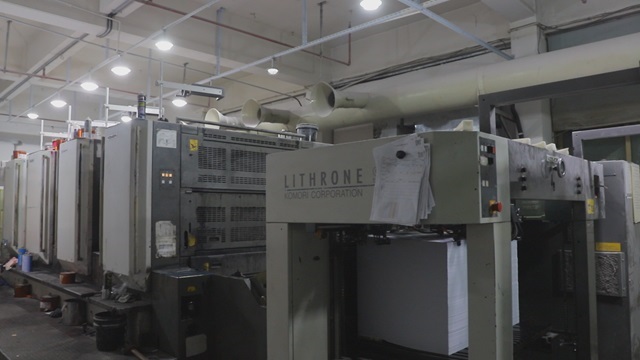
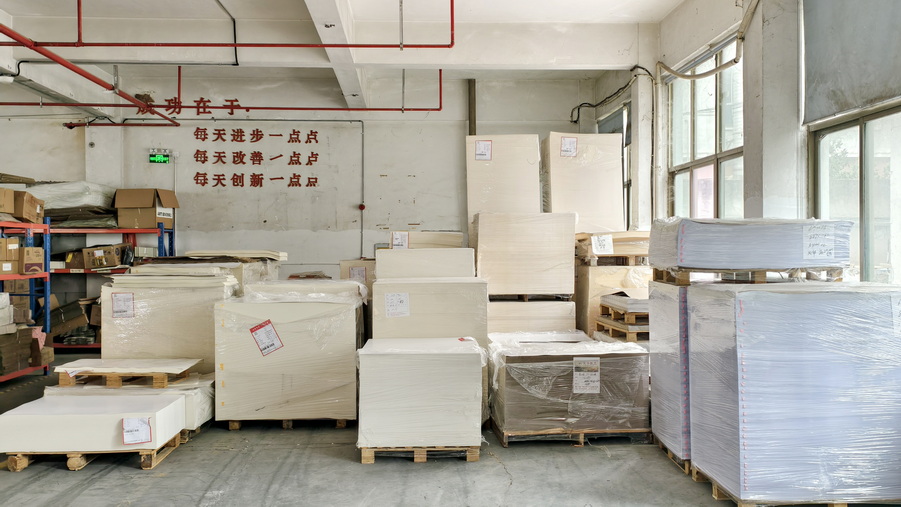
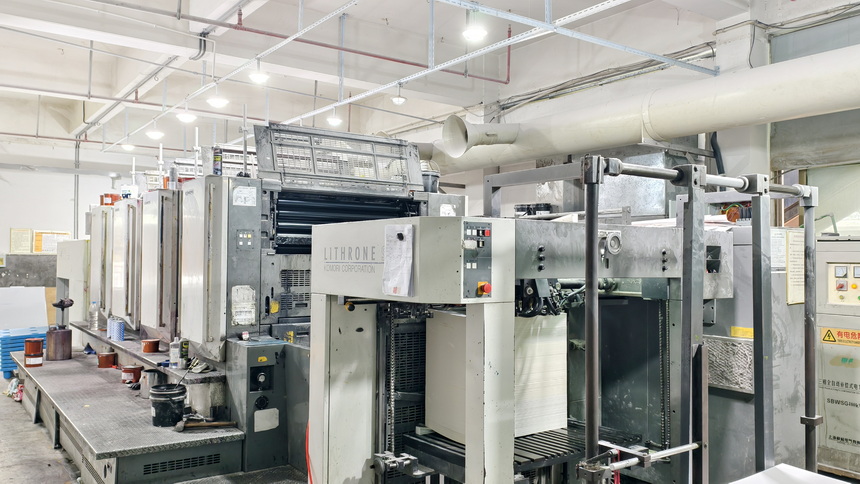
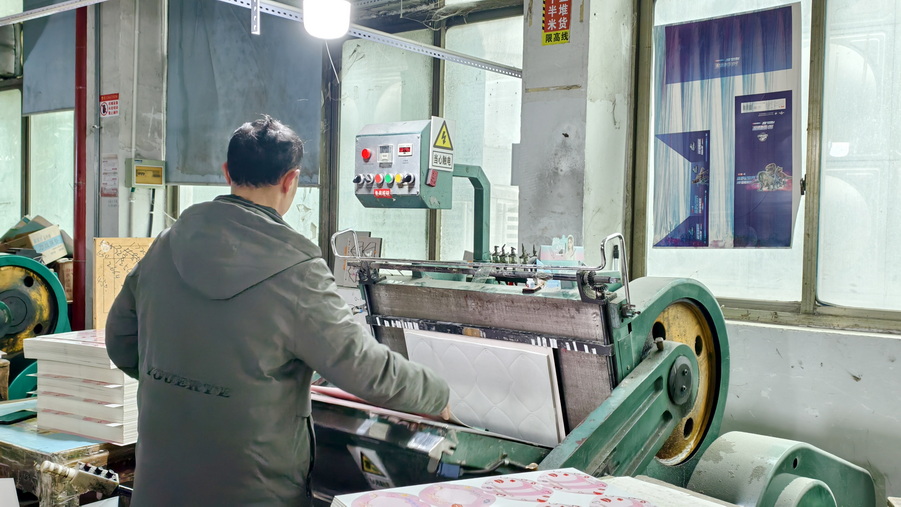
Experience: ask for recent production photos, a factory video tour and examples of similar cosmetic or beauty projects. Our workflow connects printing, die-cutting, box forming and inspection, so buyers can follow a single production chain instead of managing multiple hand-offs.
Expertise: a professional supplier should advise on dieline design, board thickness, insert fit, foil coverage, lamination type and carton closure. A good factory will flag a risky structure before it reaches mass production.
Authoritativeness: Yiwu Jersey Packaging Co., Ltd. is an SGS onsite-verified manufacturer and trading company. The profile lists FSC-certified paper options, on-site material inspection, 38 staff and export specialists, giving buyers independent and operational signals to review.
Trust: confirm the MOQ, sample fee policy, production lead time, payment terms, QC process and shipping responsibilities in writing. For lipstick packaging, also confirm color targets, foil references and the exact tube sample used for fit testing.
Why Yiwu Jersey Packaging Is a Practical Partner for Lipstick Packaging Programs
Based in Jinhua, Zhejiang, the company combines manufacturing control with export service for brand owners, distributors, Amazon sellers and beauty subscription businesses.
SGS onsite-verified supplier
Third-party verification helps overseas buyers confirm business type, staff and production capabilities before committing to a lipstick packaging program.
One workflow from print to QC
Printing, die-cutting, lamination, foil stamping, box forming and inspection are managed as one production chain, reducing communication gaps and color drift.
Low MOQ and flexible pilot runs
Simple styles can start from 100 pieces, with most custom boxes starting from 200 pieces. Exact MOQ depends on size, board, finish and insert complexity.
Four customization modes
Sample-based, design-based, minor logo/graphic customization and full structural customization give brands a clear path from reference sample to original packaging.
FSC and recyclable material options
FSC-certified paper, recyclable kraft and paperboard, soy-based inks on request and plastic-free inserts help beauty brands align packaging with sustainability goals.
Export service and documentation
Five export specialists support quotation, sampling, carton marks, shipping coordination and buyer communication for markets across North America, Europe, Asia-Pacific and beyond.
Six Approval Gates from Lipstick Packaging Brief to Export
A transparent process protects both brand and factory. Nothing should move to mass production without a signed-off dieline, material specification and sample reference.
Consultation
Share lipstick tube dimensions, target quantity, retail channel, artwork status and sustainability requirements.
Structure recommendation
Review folding carton, rigid box, drawer box, mailer or window style, plus board grade and insert options.
Dieline and proof
Approve the dieline, 3D mockup, color proof or physical sample before tooling and material release.
Deposit and materials
Confirm deposit, lock paper, foil and lamination specifications, then schedule production.
Production and QC
Printing, finishing, die-cutting, box forming and inline inspection are checked against the approved sample.
Balance and shipment
Final photos, balance payment, export packing and shipping coordination complete the order.
Questions Lipstick Packaging Buyers Ask Before Ordering
These answers reflect common export inquiries and should be confirmed against your specific tube size, artwork, quantity and destination market.
What is the MOQ for custom lipstick packaging?
Most custom paper boxes start from 200 pieces, while simple folding styles can start from 100 pieces. Exact MOQ depends on size, board grade, finishing and insert complexity. A higher quantity usually improves unit cost and material scheduling.
Can you make a sample that fits my lipstick tube?
Yes. Provide the tube diameter, cap height, total closed length, weight and any refill release details. A physical sample or digital proof can be approved before mass production. Always test the actual lipstick tube in the sample carton.
Are FSC and recyclable options available for lipstick cartons?
FSC-certified paper options, recyclable kraft and paperboard, soy-based inks on request and plastic-free paper inserts are available. If you plan to make a specific environmental claim, confirm the material chain and labeling requirements before printing.
Is Yiwu Jersey Packaging a factory or a trading company?
It is a manufacturer and trading company verified onsite by SGS Group. The company combines in-house production coordination with export service from Zhejiang, China, and lists 38 staff including five export specialists.
Which finishes suit premium lipstick outer cartons?
Popular options include hot foil stamping, embossing and debossing, spot UV, matte or soft-touch lamination, textured specialty paper, PET windows and paperboard or EVA inserts. The final choice should balance shelf impact, rub resistance and cost.
How do you control color consistency across reorders?
Keep an approved physical sample, Pantone references, paper specification and foil code on file. During production, compare print density, lamination and foil appearance against the approved reference. Clear documentation is especially important for brand colors on small cartons.
What information is needed for an accurate quote?
Send the box style, internal dimensions, lipstick tube sample or drawing, target quantity, board preference, printing colors, finishing, insert requirement, artwork status and delivery country. Photos of a reference box also help the factory recommend a cost-effective structure.
How long do production and shipping take?
Sampling and production lead times depend on structure, finishing, quantity and material availability. After sample approval, the factory can confirm a production schedule and recommend sea, air or express shipping based on launch date, volume and destination. Confirm all timelines in the quotation.
Turn Your Lipstick Packaging Brief Into a Production-Ready Sample
Send your tube dimensions, carton size, target quantity, artwork status and preferred finish. The packaging team can recommend a structure, prepare a dieline and outline the next sampling step for your lipstick or beauty program.