8 Custom Packaging Styles for Skincare, Beauty Gifting & Subscription Programs
Compare reference constructions before choosing a dieline. The styles below include skincare serum sets, cosmetic mailers, perfume rigid boxes, gift-set packaging and retail cartons. Each product URL is preserved from the original catalogue.
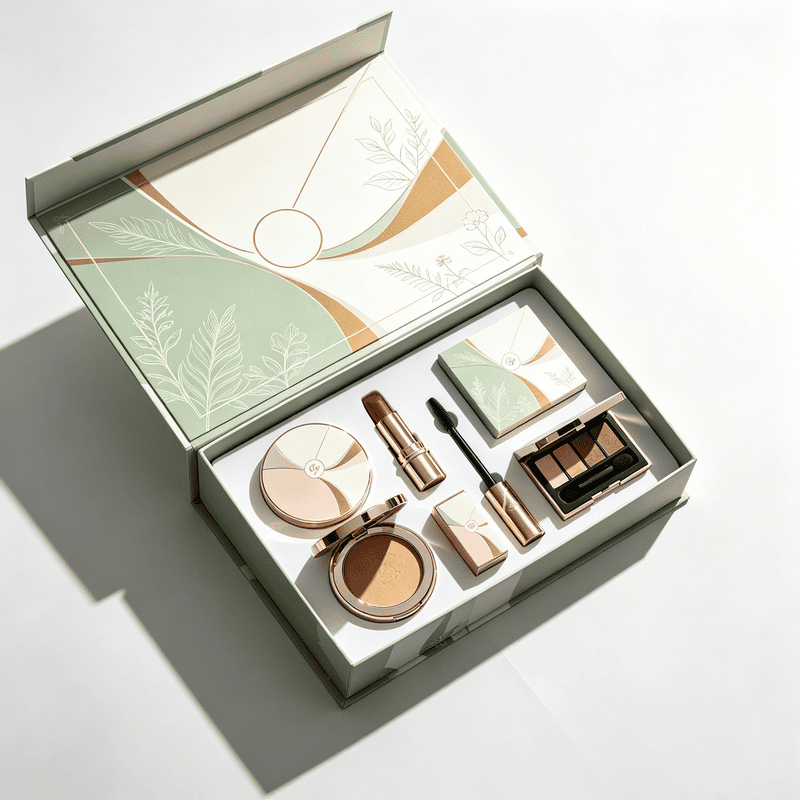

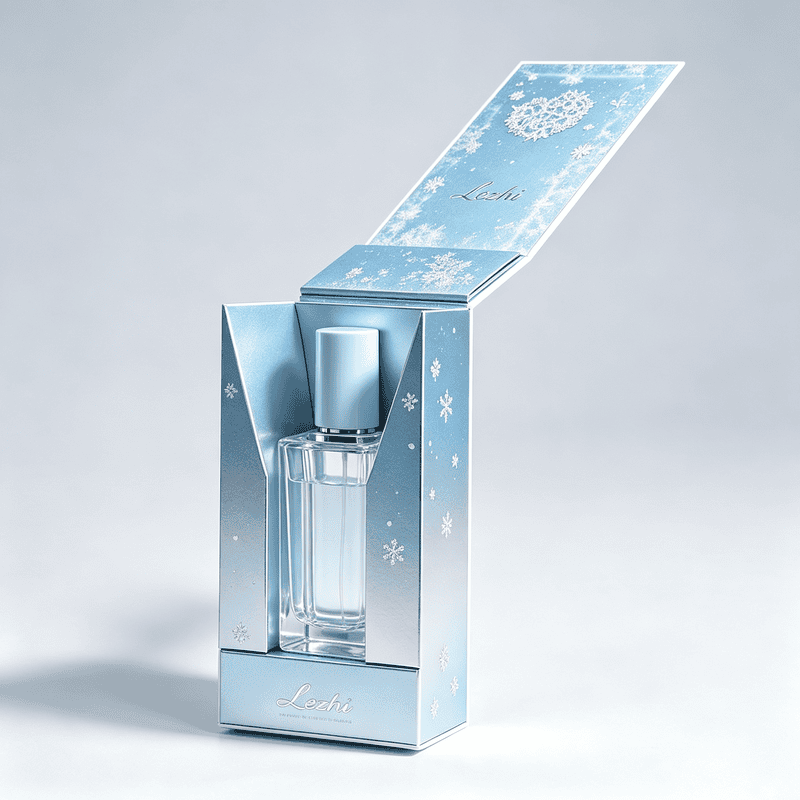
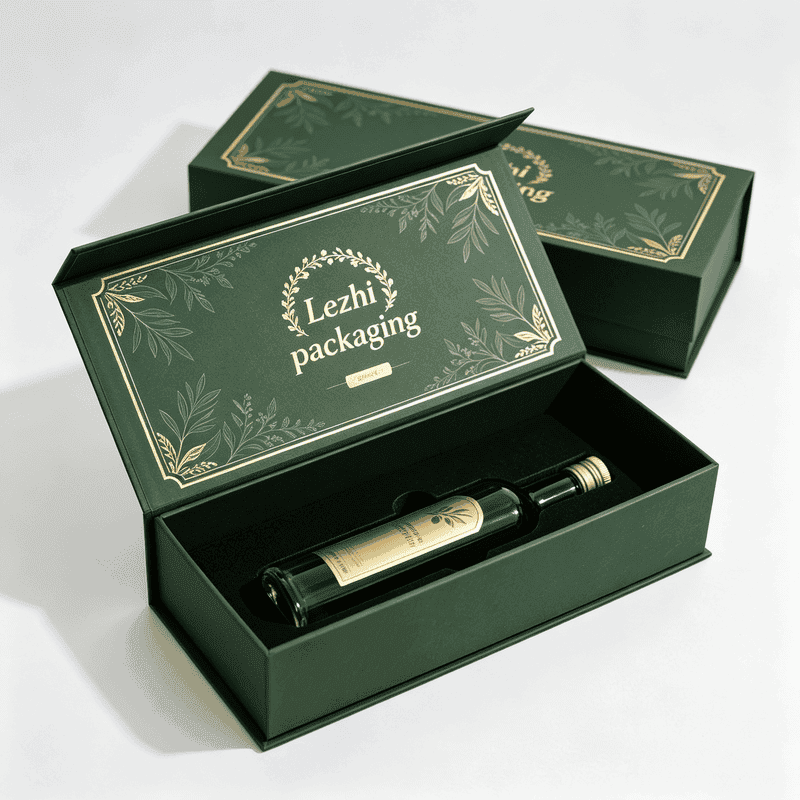
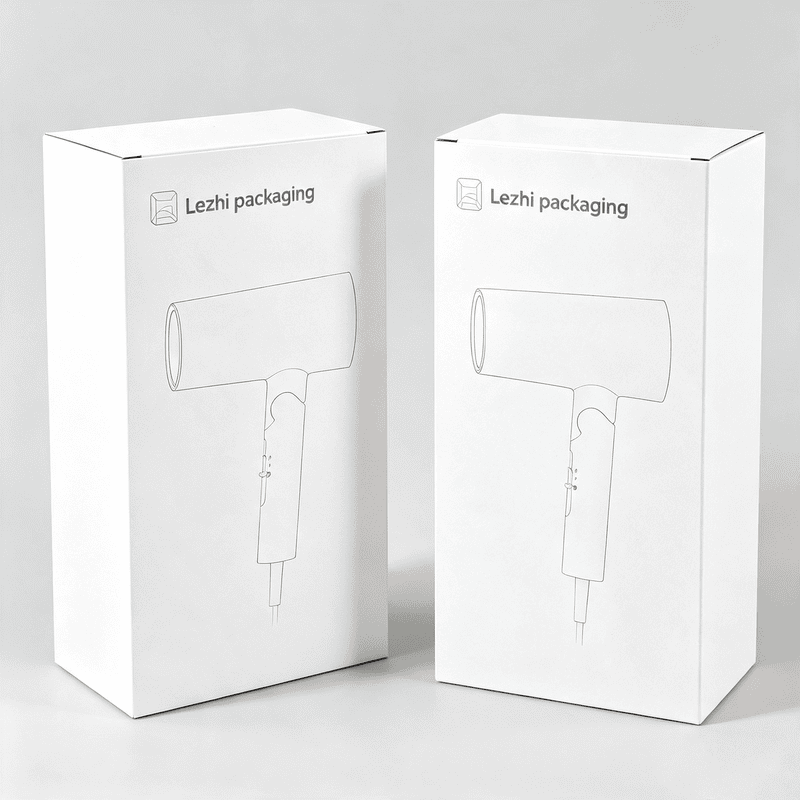

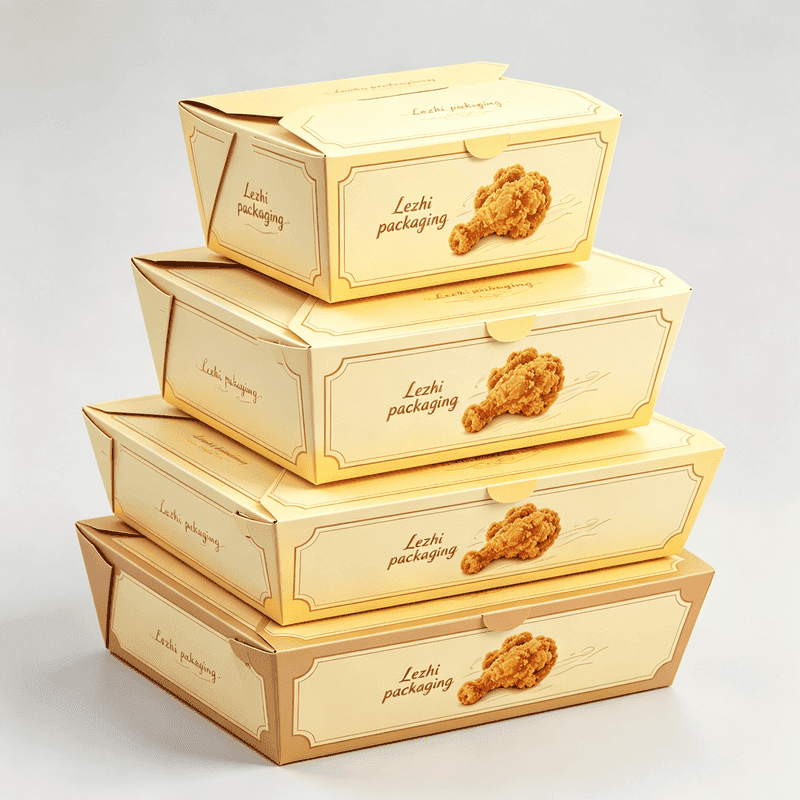
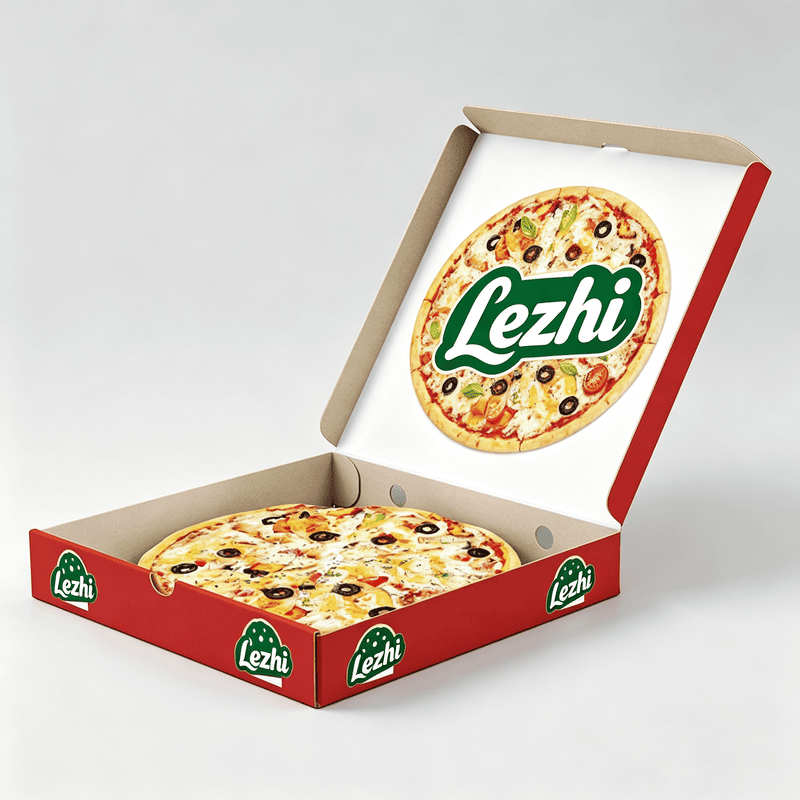
Need a specific dieline, insert or material declaration? Use the inquiry button and include bottle/jar dimensions, target quantity, finish and destination market.
Wholesale skincare packaging is not a generic paper-box purchase. A serum carton, magnetic gift box, subscription mailer and luxury set all carry different structural loads, compliance documentation and channel requirements. The box must protect the formula, support brand positioning, survive fulfilment, and arrive with the correct export paperwork.
This guide is written for beauty brand owners, Amazon sellers, private-label distributors and sourcing teams that want to compare China-based suppliers beyond price per piece. It combines supplier-verification criteria, product-development trends, procurement benchmarks and a transparent view of how Yiwu Jersey Packaging Co., Ltd. supports OEM and ODM paper packaging projects.
For skincare buyers, a practical starting configuration is: a folding carton with soft-touch lamination and spot UV for single-SKU retail; a magnetic rigid box with molded pulp or EVA insert for serum sets; and a printed corrugated mailer for subscription or direct-to-consumer shipping. The same brand can use all three without changing its visual language.
Why China Remains the Core Sourcing Market for Skincare Packaging
China’s advantage is not only unit cost. It is the density of board mills, printing houses, foil and lamination suppliers, magnet and insert producers, and export consolidators within a short radius.
An Export Platform, Not Just a Print Shop
For skincare brands, the supplier’s location and ecosystem matter because packaging is a multi-step product: board sourcing, artwork separation, colour management, lamination, hot foil, die-cutting, rigid box wrapping, insert fitting, inspection and export carton packing. When these steps are managed inside a tight workflow, colour consistency improves and hand-off errors decrease.
Yiwu Jersey Packaging Co., Ltd. is a manufacturer and trading company based in Zhejiang, China. Our business type and capabilities were verified onsite by SGS Group, giving overseas buyers independent evidence of facilities, staff and business scope before a deposit is paid. Our team supports sample-based, design-based, minor logo/graphic customization and full structural customization.
“China supplier” is not a quality grade. Buyers should separate three roles: the factory that owns production, the trading company that coordinates export, and the intermediary that only passes messages. A verified manufacturer-exporter reduces the risk of unclear responsibility when a colour batch, magnet strength or insert fit fails inspection.
How Serious Buyers Weight Supplier Selection
A simple scorecard can prevent “cheapest quote wins” decisions that create rework after launch.
Five Checks That Reveal Whether a Skincare Packaging Supplier Is Truly Production-Ready
Use these checks before comparing quotations. A supplier that cannot answer them clearly is a risk to your launch schedule.
1. Legal identity and audit evidence
Request the business licence, SGS or equivalent onsite report, export markets and factory photos dated within 12 months. Confirm the supplier can issue a commercial invoice, packing list and certificate of origin. For FSC claims, ask for the certificate number and product-specific confirmation, not just a logo.
2. Material specification
For folding cartons, record paperboard grammage, coating, ink type and lamination. For rigid boxes, record greyboard thickness, wrap paper GSM, magnet grade and insert material. Ask for material declarations where the packaging supports cosmetic-contact-adjacent claims. Secondary packaging is not automatically food-contact packaging, so claims must match actual test documentation.
3. Structural engineering
A dieline is not a design file; it is a production contract. Check bottle and jar clearance, finger notches, ribbon pull strength, hinge life and carton compression. For e-commerce, request ISTA 3A or Amazon-relevant packaging testing where applicable. For luxury sets, check insert fit after transit, not only at the sample stage.
4. Print and finishing control
Ask how Pantone colours are approved, whether a drawdown or printed sample is provided, and how foil adhesion is tested. Soft-touch lamination, spot UV and embossing can look premium but may scuff in fulfilment. A strong supplier recommends finishing by channel: retail, e-commerce, sampling or travel retail.
5. Documentation and communication
A reliable exporter provides a written spec sheet, sample approval record, pre-production proof, QC checklist and shipping plan. Response time matters, but technical response quality matters more. Ask one test question: “What board and insert would you recommend for a 30 ml glass serum bottle in a 4-piece gift set?” The answer should include dimensions, fit tolerance and transit considerations.
Quote normalisation worksheet
Before comparing prices, make every supplier quote the same dieline, board, print method, finish, insert, packing method, Incoterm and destination. Otherwise a low quote may use thinner board, omit the insert, exclude export cartons or add hidden sample and plate charges later.
Skincare Packaging Trends Reshaping Wholesale Specifications
These trends affect dielines, material selection and the evidence buyers ask for during supplier approval.
Plastic reduction with credible paper engineering
Brands are replacing plastic trays with molded pulp, paperboard inserts or bagasse. The important question is not “Is it paper?” but “Does it protect the bottle through transit and still create a premium reveal?” Ask for insert prototypes and drop-test evidence before committing to a full run.
Refillable and keepsake rigid boxes
Skincare gift sets increasingly use rigid boxes designed to be retained and refilled. This supports perceived value and repeat purchase, but it raises the bar for hinge durability, magnet strength and surface scuff resistance. Specify these requirements in the sample approval record.
Mono-material and recycle-ready cartons
Mixed laminates can complicate recycling. Buyers are asking for paper-based finishes, water-based coatings or clearly documented material combinations. Recycling rules vary by country and municipality, so avoid unsupported “100% recyclable” claims without current evidence for the destination market.
Digital print for launches and limited editions
Digital printing helps beauty brands test new SKUs, seasonal sets and influencer kits without committing to large offset volumes. The trade-off is unit cost and colour consistency across substrates. Ask for a printed sample on the exact board you plan to use.
Mailer-first engineering
Subscription and direct-to-consumer skincare programs need right-sized mailers, tear strips, internal printing and frustration-free opening. Dimensional weight affects freight, so a smaller mailer with a well-designed insert can reduce landed cost even when the unit price is slightly higher.
Documentation moves upstream
Extended producer responsibility fees, packaging waste rules and retailer chemical policies are pushing documentation requests into the packaging specification stage. Suppliers should be able to provide material weights, recycling information, FSC evidence and packaging declarations in a clear format.
How Wholesale Buyers Will Source Skincare Packaging in 2025–2030
Price still matters, but the buying decision is shifting toward risk control, freight efficiency and evidence-backed sustainability.
Test-first procurement
More brands start with a low-MOQ run, validate sell-through, then scale. This makes sample quality and structural accuracy more important than a headline low unit price. A supplier that can produce a reliable 100–200 pcs test batch is often more valuable than one that only accepts large volumes.
Total landed cost
Procurement teams now model board cost, finish, inserts, export cartons, dimensional weight, freight mode and duty. Foldable magnetic boxes and right-sized mailers can reduce shipped volume. A slightly higher unit price may lower total landed cost when packaging is engineered around freight.
Sustainability evidence
Buyers are asking for FSC certificate details, recycled content, material weight, plastic-free insert options and recyclability notes. Vague eco claims are becoming a liability. The strongest suppliers provide a specification sheet that separates verified facts from marketing language.
Dual sourcing with quality continuity
Brands are adding backup suppliers without losing finish quality. The practical solution is to standardise board, colour targets, dielines and approval records so that a second source can match the original. This reduces risk without turning every new supplier into a full redesign project.
MOQ, Sampling, Lead Time and Shipping: Planning Ranges for Wholesale Programs
Use these ranges for early planning, then request a written quotation based on your exact dieline, material, finish and destination.
100–200 pcs test runs
Simple folding styles such as small cartons or cube boxes may start from 100 pcs. Magnetic rigid boxes and complex inserts commonly start around 200 pcs. Exact MOQ depends on size, board, print method, foil coverage and material minimums.
Proofs before bulk
Digital proofs are fast, but a physical sample is the real approval gate. Check print colour, paper texture, foil adhesion, magnet strength, insert fit and opening experience. Keep a signed sample or dated photo record for mass-production reference.
10–25 working days typical
Bulk lead time varies with structure, finishing, insert complexity and seasonality. Rigid boxes with hand-wrapping and magnet assembly usually need more time than folding cartons. Chinese New Year and peak retail seasons can extend schedules, so forecast early.
Express, air or sea
Express is suitable for samples and urgent small batches; air freight balances speed and cost; sea freight is economical for larger programs but requires longer planning. Ask for carton dimensions, gross weight and whether packaging ships flat to reduce volume.
These are planning ranges, not a quotation. Confirm size, material, finishing, quantity, Incoterm and destination before budgeting.
A Practical QC Protocol for Wholesale Skincare Boxes
Inspection should be built into the process—not added after the cartons are finished.
1. Incoming material check
Verify board grammage, paper wrap GSM, greyboard thickness, colour, adhesive and insert material against the approved specification. Record supplier batch information for traceability.
2. Print colour approval
Compare the printed sheet against the approved Pantone target or drawdown under standard light. Check ink density, registration and consistency across the run, especially for skin-tone and pastel cosmetics palettes.
3. Surface finishing test
Check lamination adhesion, foil edge sharpness, embossing depth and spot UV alignment. Perform a simple scuff or tape test where relevant and record the result before die-cutting.
4. Die-cut and crease control
Confirm dimensions, crease depth, cut accuracy and folding behaviour. A carton that scores poorly may crack at the fold or jam an automatic packing line, creating hidden costs after delivery.
5. Rigid box assembly
Check corner wrapping, magnet position, lid alignment, ribbon pull strength and insert fit. Open and close the box multiple times to catch weak hinges or visible glue before final packing.
6. Final AQL and export packing
Run a final random inspection for appearance, function and quantity. Confirm export carton strength, inner protection, shipping marks and pallet requirements so the boxes arrive ready for your fulfilment centre.
Why Yiwu Jersey Packaging Co., Ltd. Is a Low-Risk Wholesale Partner
We combine manufacturer-level production control with export-service responsiveness for beauty brands, distributors and marketplace sellers.
SGS onsite-verified manufacturer & exporter
Our business type and capabilities were verified onsite by SGS Group. This supports supplier due diligence for buyers who need independent evidence before placing a sample or bulk order.
FSC-certified and recyclable options
We supply FSC-certified paper options, recyclable kraft and paperboard, soy-based inks on request and plastic-free paper inserts for brands aligning packaging with retailer and market requirements.
Low MOQ and four customization modes
Simple styles can start from 100 pcs, while most custom boxes start around 200 pcs. We support sample-based, design-based, minor logo/graphic customization and full structural customization.
One workflow from proof to export
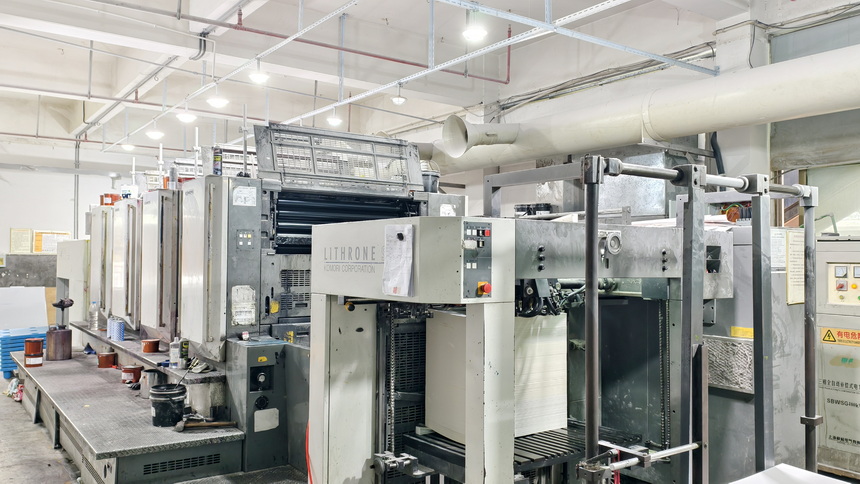
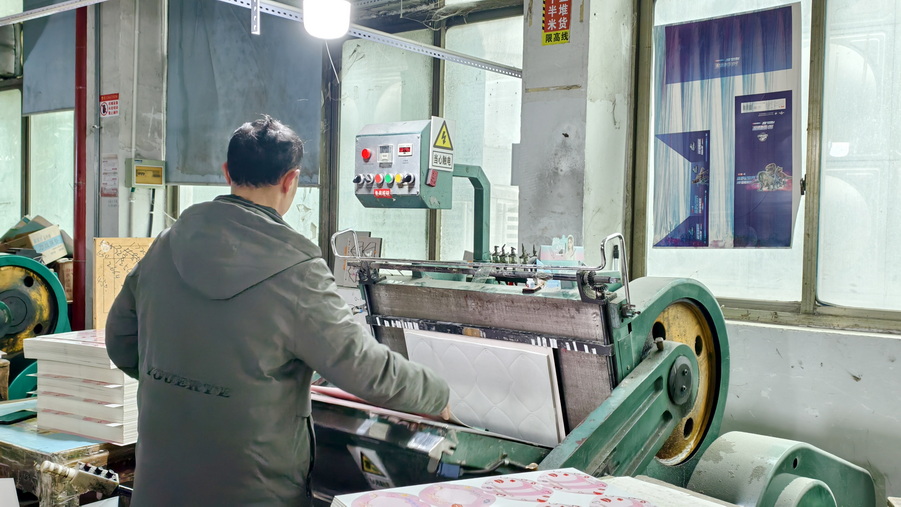
Printing, die-cutting, box forming, insert fitting and final inspection are managed in one workflow. Our 38-person team includes export specialists who support documentation, packing and shipping coordination.
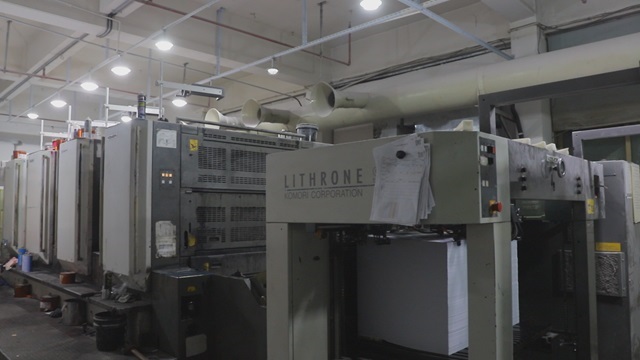
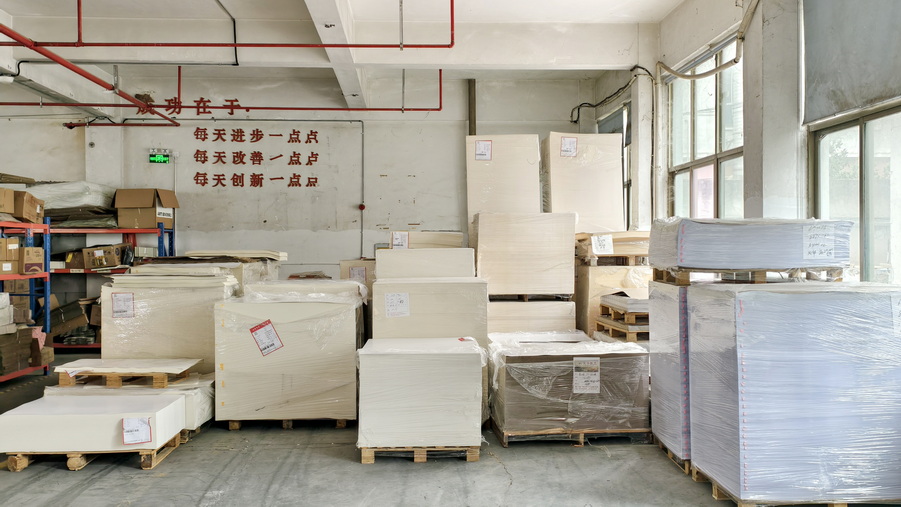
Certificates and audits
Supplier assessment by SGS Group plus FSC-certified paper sourcing for products that carry the FSC mark. Certification scope should always be confirmed against the exact material and product.

Global export markets
We support brand owners, distributors and marketplace sellers across North America, Europe, Asia-Pacific, the Middle East and Oceania with sea, air and express shipping options.

Request a Skincare Packaging Quote
Send your box size, bottle or jar dimensions, target quantity, finish reference and destination market. Our team will reply with structure advice and a production plan.
info@jerseypackage.comChina Wholesale Skincare Packaging Suppliers & Exporters: Common Buying Questions
Direct answers for procurement teams comparing MOQ, samples, materials, quality control and shipping.
What is the MOQ for wholesale skincare packaging from China?
Can I get a sample before bulk production?
Which materials are best for skincare secondary packaging?
Are your boxes FSC-certified and recyclable?
Is Yiwu Jersey Packaging a factory or a trading company?
Which printing and finishing options are available?
Can you design inserts for serum bottles and jars?
How do you control colour consistency and quality?
What are typical lead times and shipping methods?
Do you support Amazon FBA and subscription box packaging?
Start Your Wholesale Skincare Packaging Project
Tell us what you are packaging: serum bottle, cream jar, ampoule set, beauty device, subscription kit or gift set. We will recommend a structure, material and finishing plan based on your market and budget.
info@jerseypackage.com