Wholesale Two-Piece, Magnetic, Food and Cosmetic Packaging References
These eight buyer references show how different box structures can be customized under one factory workflow. Use them to compare board grade, insert design, print finish and transit protection before requesting a sample.
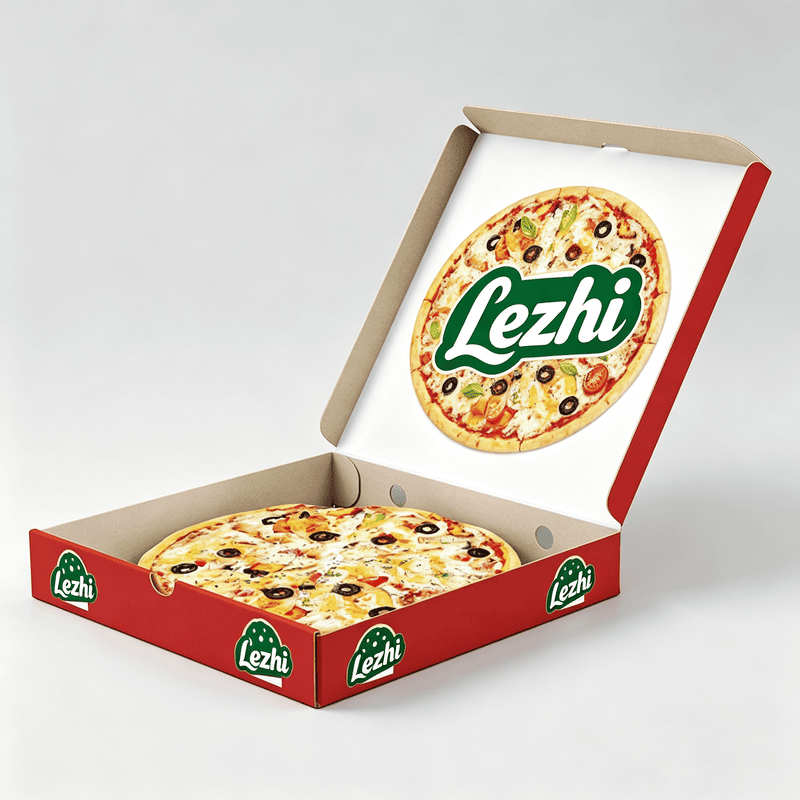 Food takeaway
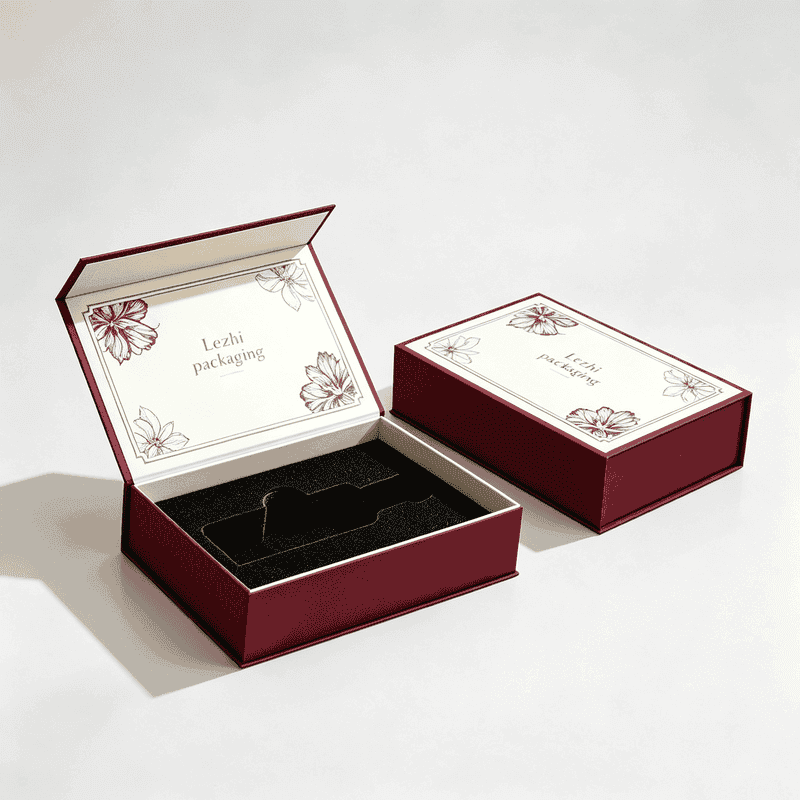 Luxury gifting
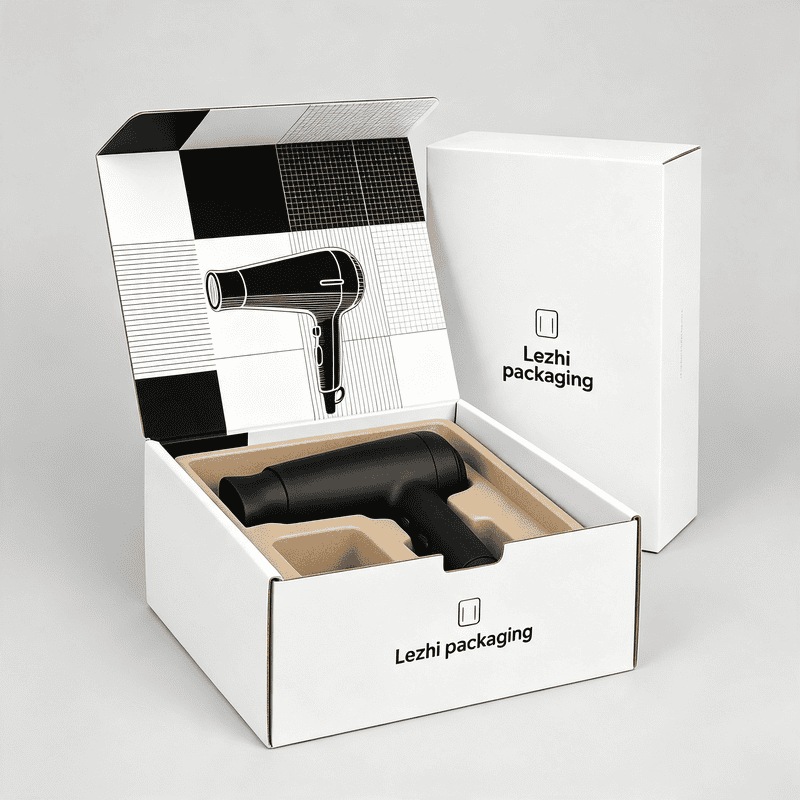 Beauty appliance
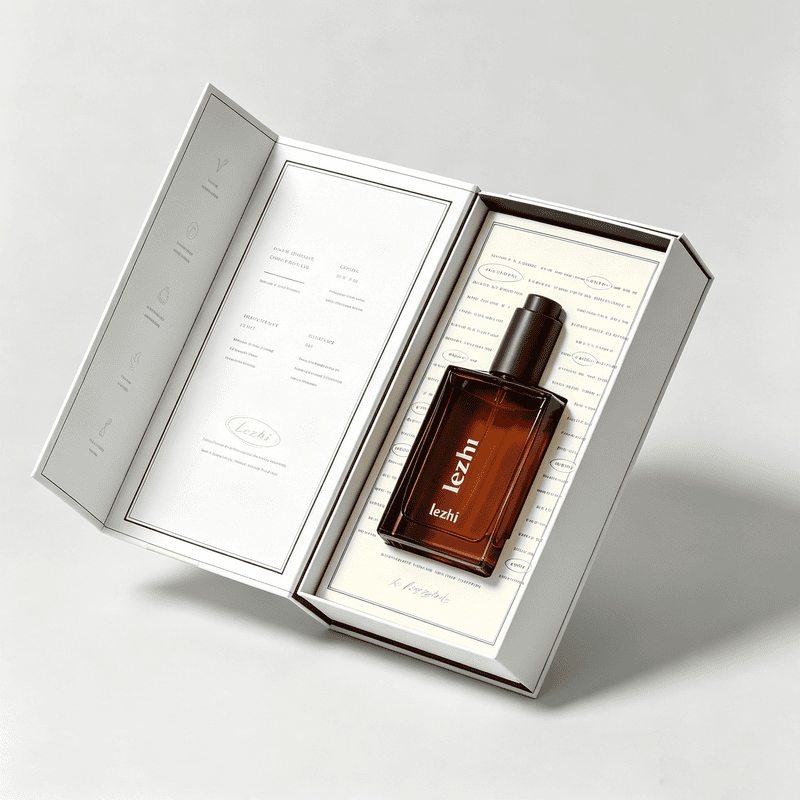
 Corrugated food
 Cosmetic retail
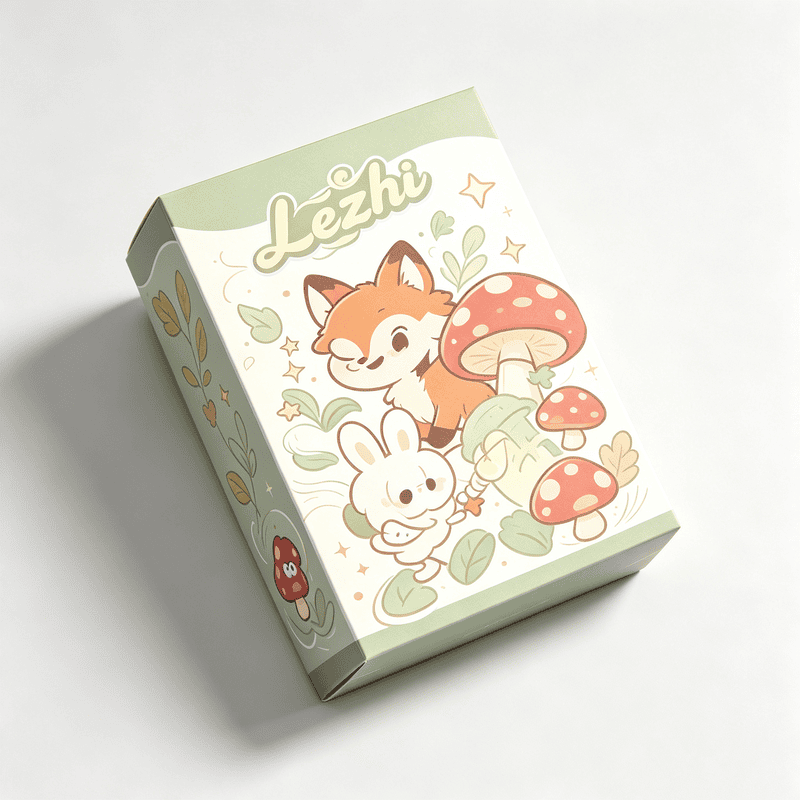 Large format
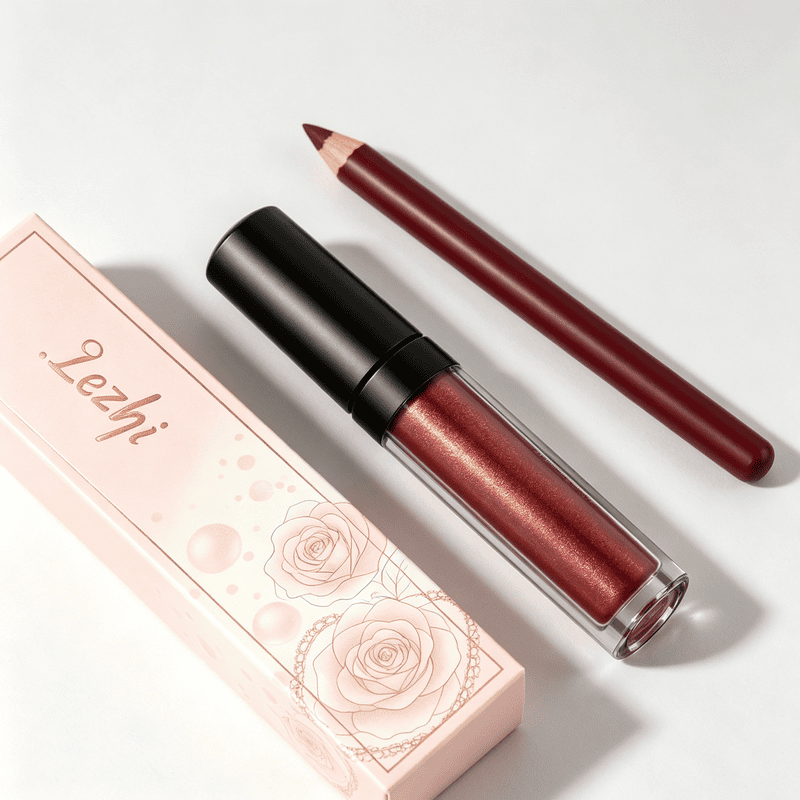 Window carton
What Buyers Really Compare When Searching for China Wholesale Two Piece Boxes
The query is commercial-investigational. A buyer is not simply looking for a box definition; they are building a shortlist of manufacturers and exporters that can deliver a specific structure, print quality and compliance package at a workable MOQ.
The phrase combines three purchase signals: China wholesale for supply-base economics, two piece boxes for a lid-and-base or premium rigid construction, and manufacturers & exporter for direct factory credibility. In practice, buyers compare supplier type, sampling speed, board quality, print consistency, insert engineering and the true landed cost of the order. They also need to know whether the supplier can coordinate artwork, food-contact paper, FSC-certified materials, retail packaging compliance and export cartons without multiple hand-offs.
Because two-piece packaging is rarely a catalogue SKU, the strongest supplier page should behave like a mini technical brief. It should help the buyer separate rigid lid-and-base boxes from folding cartons, magnetic gift boxes from drawer boxes, and corrugated food packaging from premium cosmetic packaging. It should also make the sampling path transparent: dieline, white sample or printed sample, material confirmation, print proof, insert fit, transit test and final inspection. That is the information gain a serious wholesale buyer expects before sending an RFQ.
At Yiwu Jersey Packaging Co., Ltd., our production workflow is built around exactly that decision process. We are an SGS onsite-verified manufacturer and trading company in Zhejiang, China, with in-house coordination for printing, die-cutting, box forming, material inspection and final QC. That does not remove the need for good specifications; it makes the specification conversation more precise, faster and easier to audit.
What Is a Two-Piece Box in Wholesale Packaging?
A two-piece box normally consists of a separate lid and base. In premium packaging, the term usually refers to a rigid greyboard box wrapped with printed paper, specialty paper or textured stock, often with magnets, ribbon pulls, EVA foam, paperboard inserts or molded pulp fitments.
Two-piece boxes are chosen when the product needs a more controlled unboxing experience than a folding carton can provide. Typical applications include whiskey and wine gift sets, perfume, skincare, small appliances, electronics, chocolates, tea, candles and promotional kits. The lid and base can be produced as a rigid neck box, a shoulder box, a magnetic flip box or a book-style box. Each structure carries different tooling, assembly and freight implications, so the specification should start with the product rather than with a picture from a marketplace.
Board selection matters. Rigid two-piece constructions commonly use greyboard in the 1.5–2.5 mm range depending on box size, product weight and the required shelf presence, then wrap the board with art paper or specialty paper. A larger box may need a thicker board or internal reinforcement to avoid bowing. A smaller cosmetic box may need a thinner board to keep the lid light and the opening smooth. The important point is that two-piece does not automatically mean stronger. Strength comes from board grade, corner wrapping, lid fit, insert compression, adhesive control and transit testing.
How to Shortlist the Eight Packaging References
Use the eight references above as specification anchors, not fixed stock items. Each can be re-engineered with your dimensions, artwork, insert, board grade and finish.
Food and takeaway
The bakery and pizza references are suitable for food-service buyers comparing corrugated strength, grease resistance, print coverage and flat-pack freight. Confirm food-contact paper and coating requirements before sampling.
Luxury gifting
Whiskey and perfume buyers usually need rigid two-piece or magnetic boxes with a controlled opening angle, ribbon pull and insert. Prioritize sample approval for color, magnet feel and surface scuff resistance.
Beauty and appliances
Hair dryer, mascara and makeup brush packaging shows the range from rigid magnetic boxes to folding cartons and window boxes. EVA foam, paperboard inserts and PET windows should be tested with the actual product.
Retail and e-commerce
Large cereal and hoodie packaging references are relevant for brands that need larger print panels, heavier products and durable shipping. Review pallet configuration and carton compression before committing to bulk.
Future Procurement Trends for Wholesale Two-Piece Boxes
Buyers are moving from price-only sourcing to total landed cost, compliance evidence and supply resilience. These shifts change how China packaging suppliers are evaluated.
Total landed cost replaces unit price
Procurement teams now compare freight volume, damage rate, rework cost, inventory carrying cost and packaging-line efficiency alongside the FOB unit price. A flat-ship rigid box may cost more per piece but reduce freight and storage enough to win on landed cost.
Low MOQ and digital print
Smaller brands and regional sales teams need shorter runs, faster version changes and localized artwork. Digital print and modular dielines make 100–500 piece launches more practical, while offset printing still wins for repeat volumes and color-critical projects.
Compliance as a purchasing gate
FSC-certified paper, recyclable board, soy-based inks and plastic-free paper inserts are increasingly requested in RFQs. Buyers should ask for material declarations, approved samples and documentation that matches the exact specification ordered.
Supplier resilience and evidence
Audits, on-site verification, photo reports, production schedules and final inspection records reduce risk when lead times tighten. A supplier that can document each quality gate is easier to approve than one that only promises “factory direct” pricing.
Where Two-Piece and Custom Box Design Is Heading
Packaging development is becoming more structural, more recyclable and more data-driven. The strongest box is the one that protects the product, supports the brand and survives the buyer’s compliance review.
Flat-ship rigid constructions
Foldable magnetic and collapsible rigid boxes reduce freight volume for e-commerce and cross-border sellers. The trade-off is that hinge design, assembly time and magnet placement must be validated before mass production.
Mono-material and paper inserts
Brands are asking for paperboard, molded pulp or corrugated inserts instead of plastic trays. Good insert design can improve protection while simplifying recycling instructions and reducing mixed-material packaging.
Digital versioning and QR content
Short runs, regional artwork and QR-linked product stories are easier with digital print. For regulated products, QR codes can support traceability, authentication or care instructions without changing the overall box structure.
Sensory design with test data
Soft-touch lamination, spot UV, embossing and foil still matter, but buyers increasingly pair them with scuff, drop and compression tests. Premium unboxing now means repeatable feel and reliable protection, not only decoration.
Why Yiwu Jersey Packaging Supports Wholesale Buyers
Yiwu Jersey Packaging Co., Ltd. is a manufacturer and trading company in Zhejiang, China, combining in-house production coordination with export service for global brands.
Our business type and capabilities have been verified onsite by SGS Group, giving overseas buyers independent evidence of who they are working with. Our team of 38 staff includes dedicated export specialists who turn brand briefs into production-ready dielines, proofs and finished boxes. Because printing, die-cutting, box forming, material inspection and final QC are managed in one workflow, buyers get tighter color consistency, fewer hand-offs and clearer accountability.
We support sample-based customization, design-based customization, logo and graphic minor customization, and full structural customization. Most custom boxes start from 200 pieces, while simple folding styles such as kids cube boxes can start from 100 pieces. Exact MOQ depends on size, board and finishing, so the fastest path is to send dimensions, target quantity and artwork status for a precise quote.
Material options include FSC-certified paper, recyclable kraft and paperboard, soy-based inks on request and plastic-free paper inserts. Popular finishes include CMYK and Pantone offset printing, digital printing, hot foil stamping, embossing and debossing, spot UV, and gloss, matte or soft-touch lamination. We also supply EVA, foam and paperboard inserts for product protection.
Verified buyer facts
- Manufacturer and trading company in Jinhua, Zhejiang, China.
- 38 verified staff, including export specialists.
- 4.9 / 5 buyer rating and four customization modes.
- MOQ from 100 pcs for simple styles; most custom boxes from 200 pcs.
- Email: info@jerseypackage.com
A Transparent Six-Gate Workflow for Custom Box Orders
Clear approval gates reduce costly surprises in color, structure, fit and transit performance.
Brief and specification
Share product dimensions, weight, quantity, artwork, target market, insert needs and any compliance requirement. We advise box style, board grade and finishing.
Dieline and quotation
We prepare a dieline or 3D mockup and confirm material, print method, surface finish, insert and packing method before pricing is finalized.
Sample approval
Review a digital proof or physical sample for structure, color, logo position, magnet feel, ribbon tension and insert fit. Mass production starts only after approval.
Material and print
Incoming paper is inspected, then printing and surface finishing are controlled against the approved sample. Color-critical jobs receive extra attention.
Forming and QC
Die-cutting, gluing, box wrapping, magnet placement and insert assembly are checked for alignment, scuffs, lid fit and product movement.
Final photos and shipment
Final inspection photos, packing confirmation and export carton checks help buyers approve balance payment and prepare for sea, air or express delivery.
How to Score a China Two-Piece Box Supplier
A practical RFQ scorecard should compare structural fit, compliance, print control, transit protection and landed cost. The weighting below is an illustrative starting model, not a fixed rule.
| Evaluation area | Buyer question | What to request |
|---|---|---|
| Structure and fit | Will the box protect the product and open correctly? | Dieline, physical sample, insert test, lid-fit check and product movement review. |
| Material compliance | Does the paper and finish match our market requirements? | Board specification, FSC option, food-contact confirmation, ink and lamination details. |
| Print and finish | Will the shelf appearance match the approved brand color? | Pantone target, print proof, surface swatch, foil/emboss sample and scuff test. |
| Transit performance | Will the box survive export, e-commerce or retail distribution? | Drop, compression and vibration requirements; export carton design and packing photos. |
| Commercial control | Is the total landed cost and schedule reliable? | MOQ, sample timeline, production plan, payment terms, freight volume and final inspection process. |
Illustrative weighting model
Adjust the weighting to your product risk, sales channel and compliance exposure.
Questions Buyers Ask Before Ordering Wholesale Boxes
Direct answers to the most common sourcing questions for two-piece boxes, magnetic gift boxes, food packaging and cosmetic cartons.
What is the minimum order quantity for custom paper boxes?
Can you make samples before bulk production?
Are your packaging materials eco-friendly?
Is Yiwu Jersey Packaging a factory or a trading company?
Which printing and finishing options are available?
Can you produce food-contact packaging and cosmetic packaging?
How do I control color and surface quality on a large order?
How do I request a catalogue or quotation?
Ready to Source Custom Two-Piece Boxes from China?
Send your box dimensions, quantity, artwork and insert requirements. Yiwu Jersey Packaging will review the structure, material options and production path, then return a clear quotation and sampling plan.