8 Custom Gift Box Products for OEM & Wholesale Programs
Use these eight factory references as a starting point. Each can be developed as a drawer gift box with a sliding tray, ribbon pull, finger notch, or nested insert; the right answer depends on product weight, retail channel, and the level of unboxing theatre you need. Where a product is naturally a rigid or mailer format, we can still quote a drawer alternative from the same material and print family.


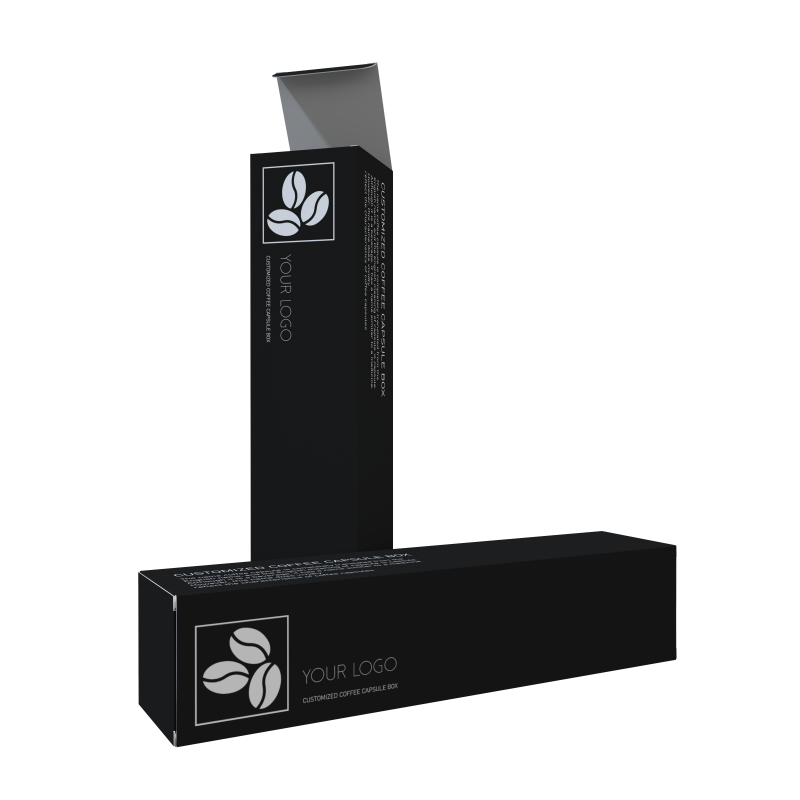
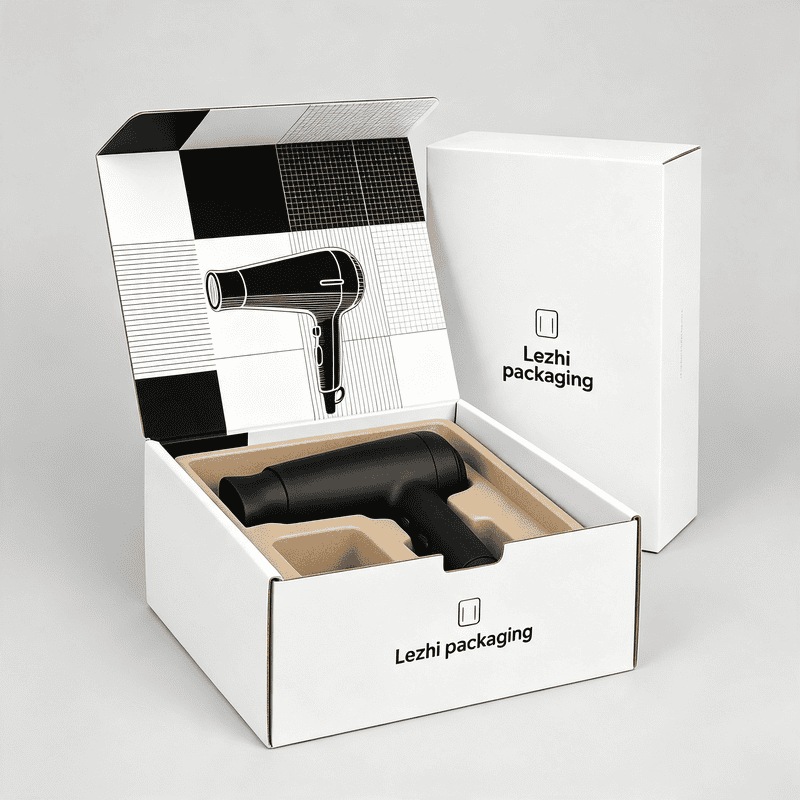
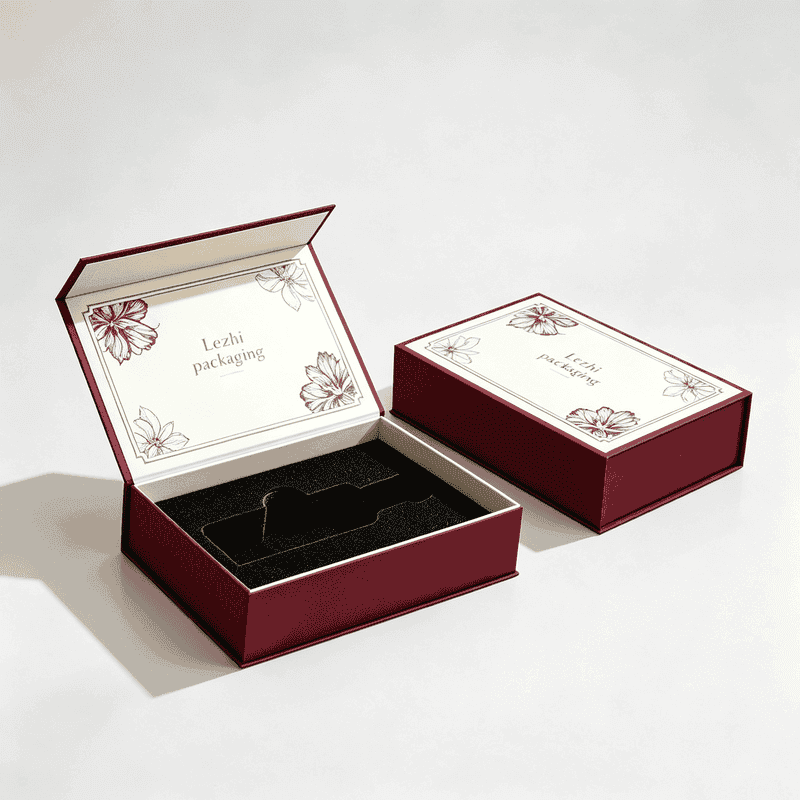
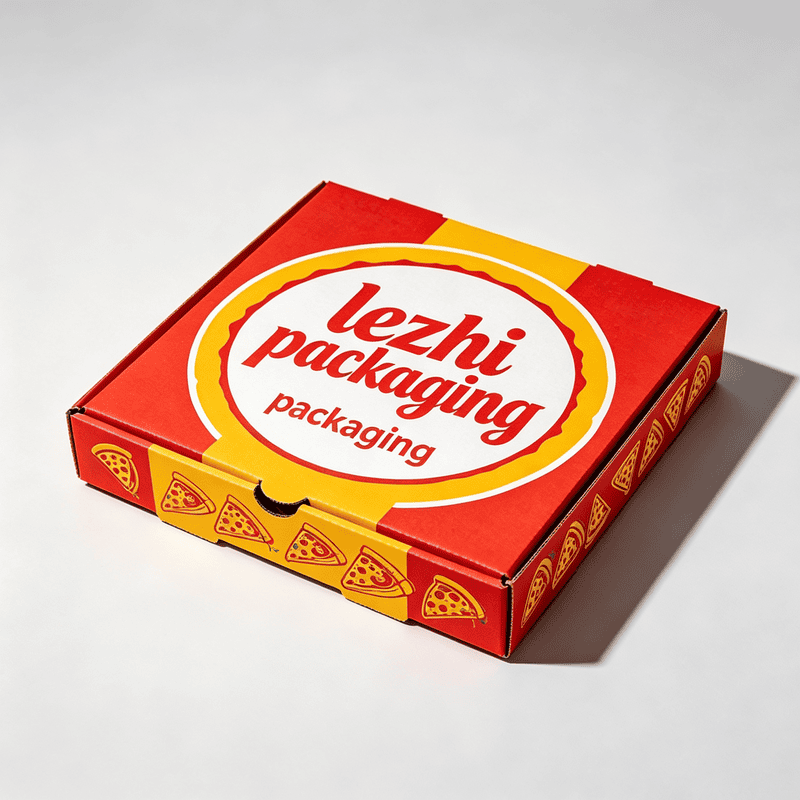


Need a drawer-specific dieline? Our team can convert any reference above into a sliding sleeve and tray structure.
Get CatalogWhat “Custom OEM Drawer Gift Boxes Factories & Wholesalers” Really Means
This query sits at the intersection of three buying intents: structural customization, factory verification, and wholesale program fit. A buyer typing it is usually not looking for a single retail box. They are screening for a supplier who can produce a drawer gift box in OEM volumes, hold a print standard across reorders, and provide documentation that survives a retailer or marketplace compliance review.
Structure & Opening Feel
Ask for a physical prototype and a pull-force test. A drawer that feels premium at 200 g may fail at 2 kg. Sleeve clearance, board grade, ribbon anchor, and thumb notch must be engineered together.
Supplier Evidence
SGS onsite verification, production floor photos, audit reports, and export history are more useful than a marketplace badge alone. Buyers need a factory identity, not just a trading inbox.
Commercial Fit
MOQ, tooling, sample cost, deposit terms, carton cube, and lead time should be quoted as one landed-cost model. Low unit price with high freight cube is not a wholesale advantage.
Compliance Readiness
FSC statements, food-contact declarations, low-migration inks, and recyclability notes should match the destination market. Documentation collected after the purchase order is a risk.
Drawer gift boxes are a system, not a SKU. The outer sleeve and inner tray must be engineered with the right clearance—often around 0.5–1.0 mm depending on board, wrap paper, and humidity—so the drawer slides smoothly without feeling loose. The pull ribbon must be anchored to the tray, not the sleeve, and the thumb notch must be positioned for the product’s weight. Board choice, usually 1.5–2.5 mm greyboard for rigid drawers, affects crush resistance and the crispness of the wrap. Insert design controls product movement and perceived value. For OEM and wholesale programs, the hidden cost is rarely the printed paper. It is the sample loop, the freight cube, the assembly labor, and the risk of a color mismatch on the second production run.
Match the Drawer Box to the Product Risk
Use this matrix to brief a factory before artwork is final. The best drawer gift box is the one that protects the product, opens predictably, and fits the retail or e-commerce journey.
Fragile Perfume & Glass
Use a rigid drawer with a molded pulp or EVA insert, 2.0–2.5 mm greyboard, and a ribbon stop. Validate drop performance before final artwork, especially when the bottle has a heavy cap.
Cosmetic & Skincare Sets
Choose a paperboard drawer with a die-cut paper insert. Soft-touch lamination and spot UV add tactility; avoid over-lamination if the brand claims easy recyclability.
Coffee Capsules & Subscription
Specify food-grade board, low-migration inks, and a divider that prevents capsule rattling. Digital print supports frequent origin or flavor versions without a full plate change.
Small Appliances
Pair an EVA or molded-pulp insert with a corrugated shipper. The drawer box can remain the retail hero while the shipper absorbs e-commerce transit risk and carrier handling.
Whiskey & Spirits
Use a rigid drawer or book-style box with a neck support and a base that can carry glass weight. Hot foil and blind emboss are common premium cues for liquor gift sets.
Beauty & Personal Care
For shampoo or treatment sets, use a moisture-resistant wrap, a leak-safe insert, and a tray depth that prevents bottles from tipping during opening.
How Wholesalers Will Buy Drawer Gift Boxes Next
Procurement is moving away from “price per box” as the only decision metric. The next buying cycle will reward suppliers who can compress MOQ, document compliance, reduce freight cube, and keep a repeatable color standard.
MOQ Compression, Not Quality Compression
Wholesalers are testing more SKUs with less inventory. Ask for a shared material and print platform so the MOQ can be spread across colors or sizes without resetting every process.
Landed Cost Becomes the KPI
Freight volatility has made carton cube and flat-pack potential part of the packaging brief. A drawer box that ships assembled may feel simpler, but a foldable structure or nested tray can reduce sea freight per unit.
Audit-Ready Supplier Files
Retailers and marketplaces increasingly ask for material origin, FSC claims, food-contact statements, and traceable production records. The best wholesaler is the one who can assemble these documents before the PO, not after.
Dual Sourcing with Portable Dielines
Brands are keeping one premium rigid supplier and one folding-carton backup. Dielines, color targets, and insert drawings should be owned by the buyer and written into the supplier agreement.
Sample-First Color Management
A digital proof does not show how soft-touch lamination changes a Pantone color. Request a physical mock-up under retail lighting and record the approved substrate, ink, and finish.
Postponement & Local Kitting
Ship flat or in bulk, then add product, ribbon, and market-specific leaflets closer to the sales region. This reduces obsolescence for subscription and gift-set programs.
What Is Changing Inside the Drawer Gift Box Itself
The structure is becoming more material-efficient, more recyclable, and more connected to the brand experience. These trends matter to OEM buyers because they change tooling, inserts, testing, and the artwork brief.
Mono-Material Paper Engineering
Paper hinges, paper wraps, and paper inserts are replacing plastic windows and foam where the product can tolerate it. The goal is a drawer that still opens with a premium feel but is easier to recycle.
Fiber-Based Inserts
Molded pulp, honeycomb paper, and die-cut corrugated inserts are improving in precision. For moderate-weight cosmetics and gifts, they can replace EVA while reducing plastic content.
Tactile Minimalism
Uncoated stock, blind emboss, deboss, and soft-touch without heavy plastic lamination are gaining ground. Brands are using texture and structure, not just full-color print, to signal quality.
Digital Print & Versioning
Short-run digital print supports seasonal drops, localized languages, and influencer editions. It also allows wholesalers to order a base drawer structure and update artwork more frequently.
Connected Packaging
QR codes can carry authentication, care instructions, refill programs, or a brand story. The box becomes a media surface, but the code must be tested on the actual finished substrate.
Automation-Friendly Assembly
Fulfillment centers need boxes that set up predictably. Designers are simplifying glue tabs, reducing hand assembly, and specifying ribbon pulls that can be added at the final kitting stage.
Why Yiwu Jersey Packaging Fits the Drawer Gift Box Brief
Yiwu Jersey Packaging Co., Ltd. is an SGS onsite-verified manufacturer and trading company based in Zhejiang, China. The company’s profile lists 38 staff, including 5 export specialists, and a 4.9/5 buyer rating. Because printing, die-cutting, box forming, and inspection are managed in one workflow, a drawer gift box program can move from dieline to sample to bulk production with fewer hand-offs than a broker-only supply chain.
For OEM buyers, the most relevant capabilities are sample-based customization, design-based customization, minor logo and graphic customization, and full structural customization. Most custom boxes start from 200 pieces, while simple folding styles can start from 100 pieces. FSC-certified paper options, recyclable kraft and paperboard, soy-based inks on request, and plastic-free paper inserts are available for brands that need to support sustainability claims.
- SGS onsite-verified manufacturer and trading company
- FSC-certified paper material options
- In-house printing, die-cutting, forming and QC
- 4 customization modes for first-time and repeat OEM programs
- Low MOQ support from 100–200 pcs depending on structure
- Export packing and global delivery support
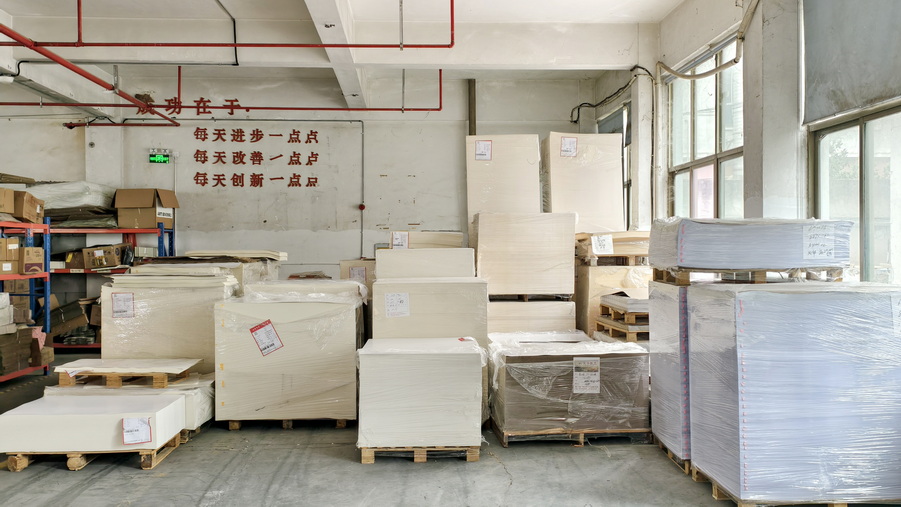
 Factory Overview
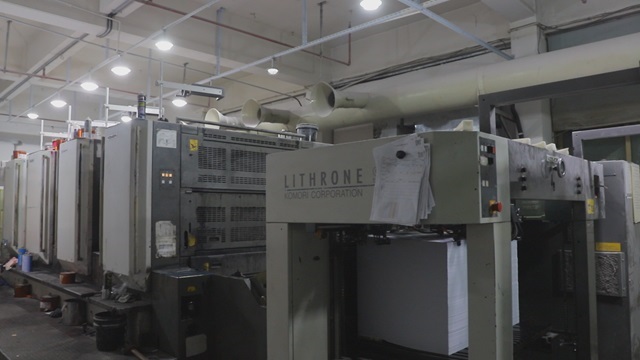
 Offset Printing
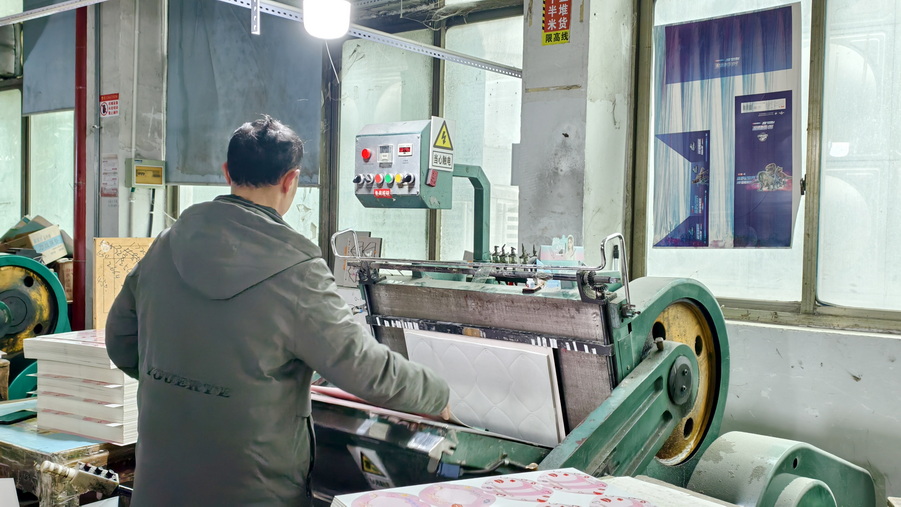 QC Check
From Brief to Bulk: 6-Step OEM Drawer Box Workflow
A drawer gift box program needs approval gates. This workflow keeps the structure, artwork, insert, and packaging method aligned before money is spent on bulk materials.
Consultation
Share product dimensions, weight, quantity, target market, and whether the drawer will ship assembled or flat.
Structure & Insert Review
We recommend sleeve-and-tray clearance, board grade, ribbon pull, notch, and insert material.
Dieline & 3D Proof
Approve the drawing and artwork placement before a physical sample is made.
Sample Approval
Test the opening feel, print color, insert fit, and drop performance. Nothing moves to mass production without sign-off.
Production & In-Line QC
Printing, lamination, foil, die-cutting, wrapping, and assembly are checked against the approved sample.
Export Packing
Cartons are labeled, photographed, and prepared for sea, air, or express delivery.
Certifications, Materials, and Export Readiness
Buyers increasingly ask for documentation before they ask for a price. Our response package can include SGS onsite verification, FSC material statements, material declarations, color targets, and pre-shipment inspection photos. For food-contact or child-related products, specify the destination market early so we can recommend board grade, ink system, and testing route.

SGS & Audit Documents
Independent supplier verification helps procurement teams complete due diligence before a sample order.

Global Export Markets
Support for brand owners, distributors, and marketplace sellers across five continents.
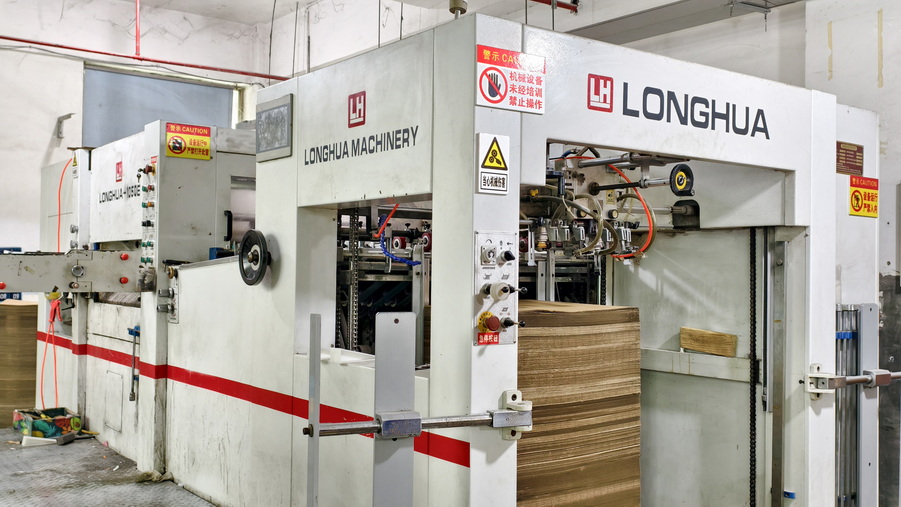
Export Packing & Final Inspection
Final photos, carton labels, and packing checks reduce surprises when the shipment reaches the warehouse.
Frequently Asked Questions About Custom OEM Drawer Gift Boxes
These are the questions buyers ask before they request a dieline, sample, or wholesale quote.
What is the minimum order quantity for custom OEM drawer gift boxes?
Can you make a drawer box from my sample, artwork, or reference product?
How do you make the drawer slide smoothly without falling open?
Are FSC and food-grade materials available?
Which insert works best for fragile products?
Can drawer boxes be shipped flat to reduce freight?
What lead time should a wholesaler plan for?
How can I verify a supplier before placing a bulk order?
Request a Drawer Gift Box Dieline & Wholesale Catalog
Send your product size, weight, target quantity, artwork status, destination market, and preferred finish. We will recommend a drawer structure, board grade, insert, and packaging method—then quote a sample and bulk plan. For wholesalers, include your estimated annual volume and the number of SKUs so we can suggest a repeatable material platform.