Custom OEM Snack Packaging Factory & Exporters
Food-grade, retail-ready and recyclable snack packaging developed by a Zhejiang-based manufacturer and exporter with low MOQ, in-house printing, die-cutting, forming and QC support for global brands.
8 Custom OEM Snack Packaging References for Global Buyers
These reference formats cover cereal cartons, bakery boxes, pizza takeaway packaging, coffee capsule boxes, premium gift rigid boxes and multi-piece set packaging. Each product URL below is preserved exactly for direct evaluation.
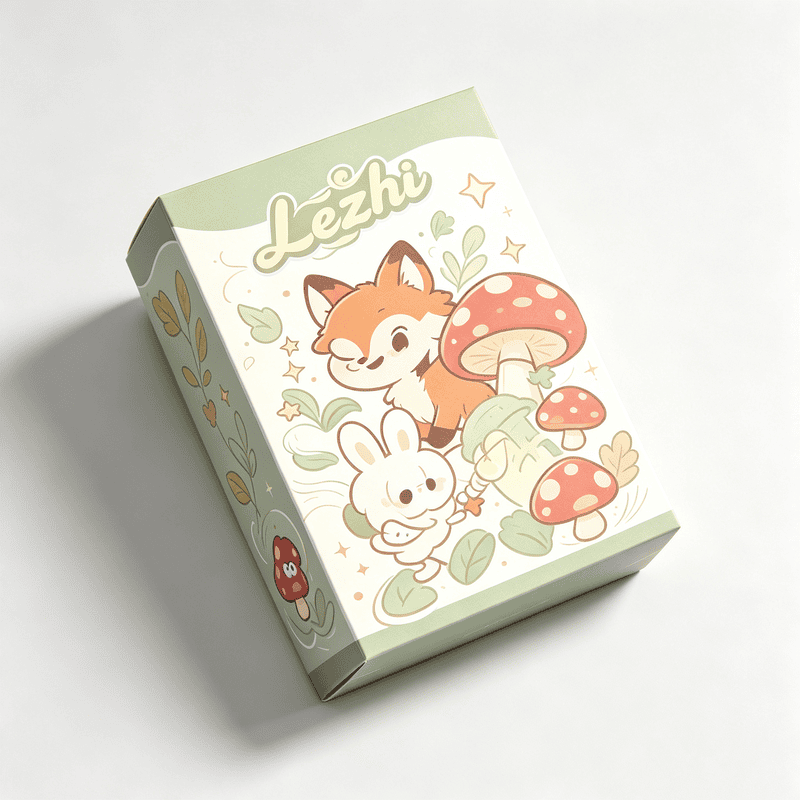
China Factory Manufacturer Printing Large Cereal Box Custom Printing Hoodies Packaging Custom Cereal Box
Large-format cereal carton for granola, breakfast cereal and dry snack launches; suitable for vivid retail graphics, food-grade board options and flat-pack export efficiency.
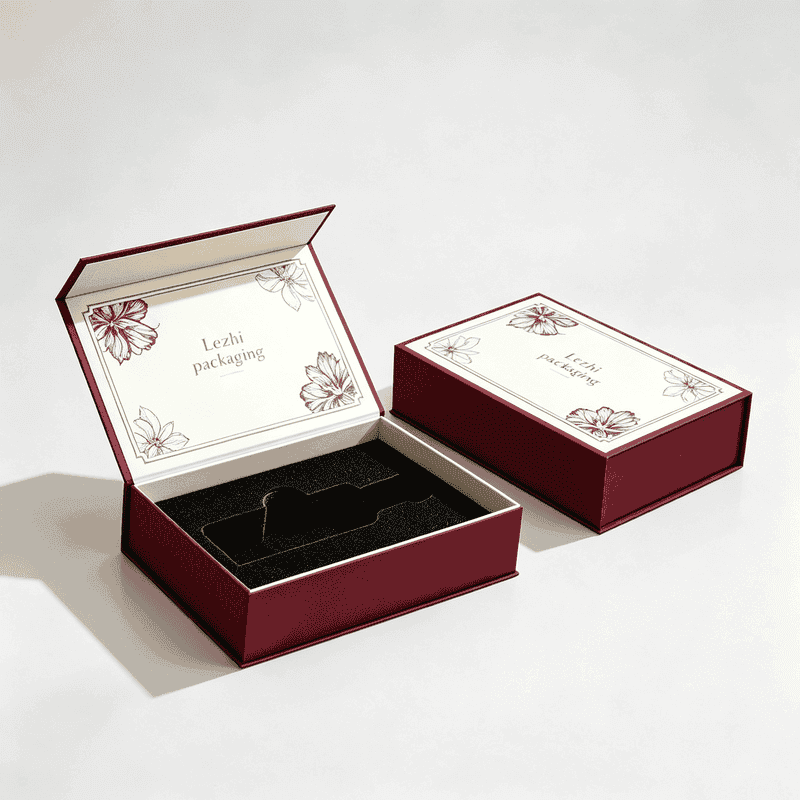
Liquor Gift Box Custom Logo Luxury Matt Black Rigid Cardboard Unique Whiskey Gift Box Foldable Magnetic Box
Premium rigid gift box for spirits, gourmet snack hampers and festive sets; magnetic closure, matt lamination and insert options improve unboxing value.

Printed Paper Cake Box Manufacturer With Food Artwork for Bakery Retail and Dessert Gift Packaging
Bakery and dessert packaging with custom food artwork; suitable for cakes, pastries, cookies and celebration snack sets requiring food-contact paperboard.

Cheap Factory Wholesale High-End Pizza Packaging Boxes Portable Takeaway Pizza Carton Customized 12 Inch Corrugated Pizza Box
Takeaway and delivery pizza carton engineered for stackability, heat management and branded food service; a practical reference for hot snack packaging.
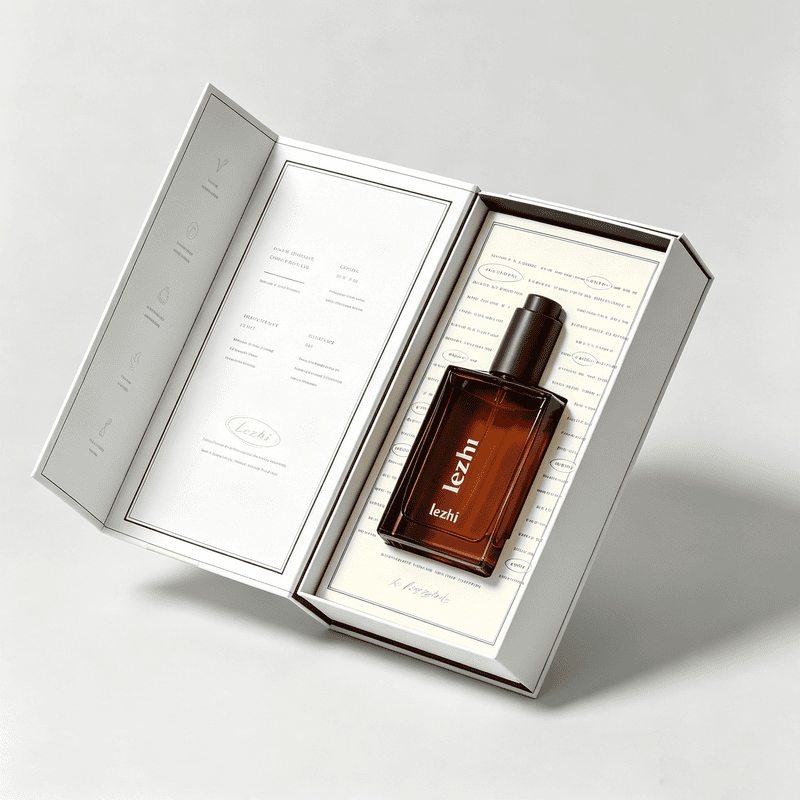
Custom Magnetic Flip Lid Box With Ribbon Pull Tab Empty Perfume Box Luxury Hard Rigid Perfume Packaging Gift Box
Luxury rigid flip-lid box that demonstrates high-end finishing capability for premium snack gift sets, sampler kits and retail gift packaging.
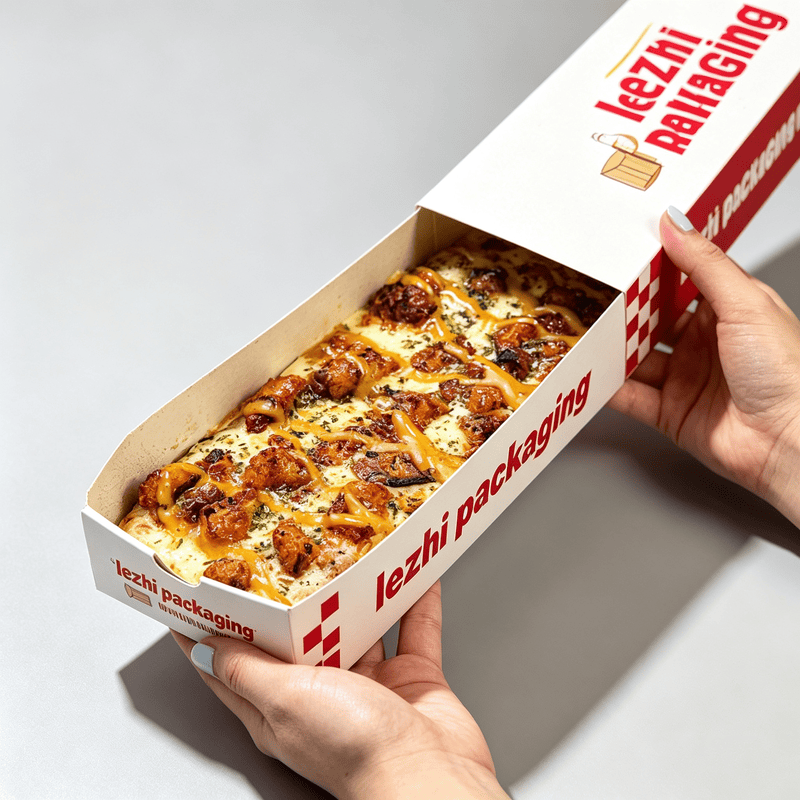
Disposable Pizza Paper Cardboard Box Food Grade Sliding Pizza Drawer Box Custom Hot Dog Sandwich Tray Pizza Box Packaging Boxes
Sliding drawer box for pizza, sandwiches and snack trays; food-grade paperboard and easy-loading structure support a cleaner takeaway experience.

Customized Cardboard Set Packaging Beautiful Shampoo Printing Paper Cosmetic Essences Shampoo Box Packaging
Multi-piece cardboard set box for cosmetic and personal care products; the same structural discipline applies to snack sampler boxes and gift-with-purchase kits.
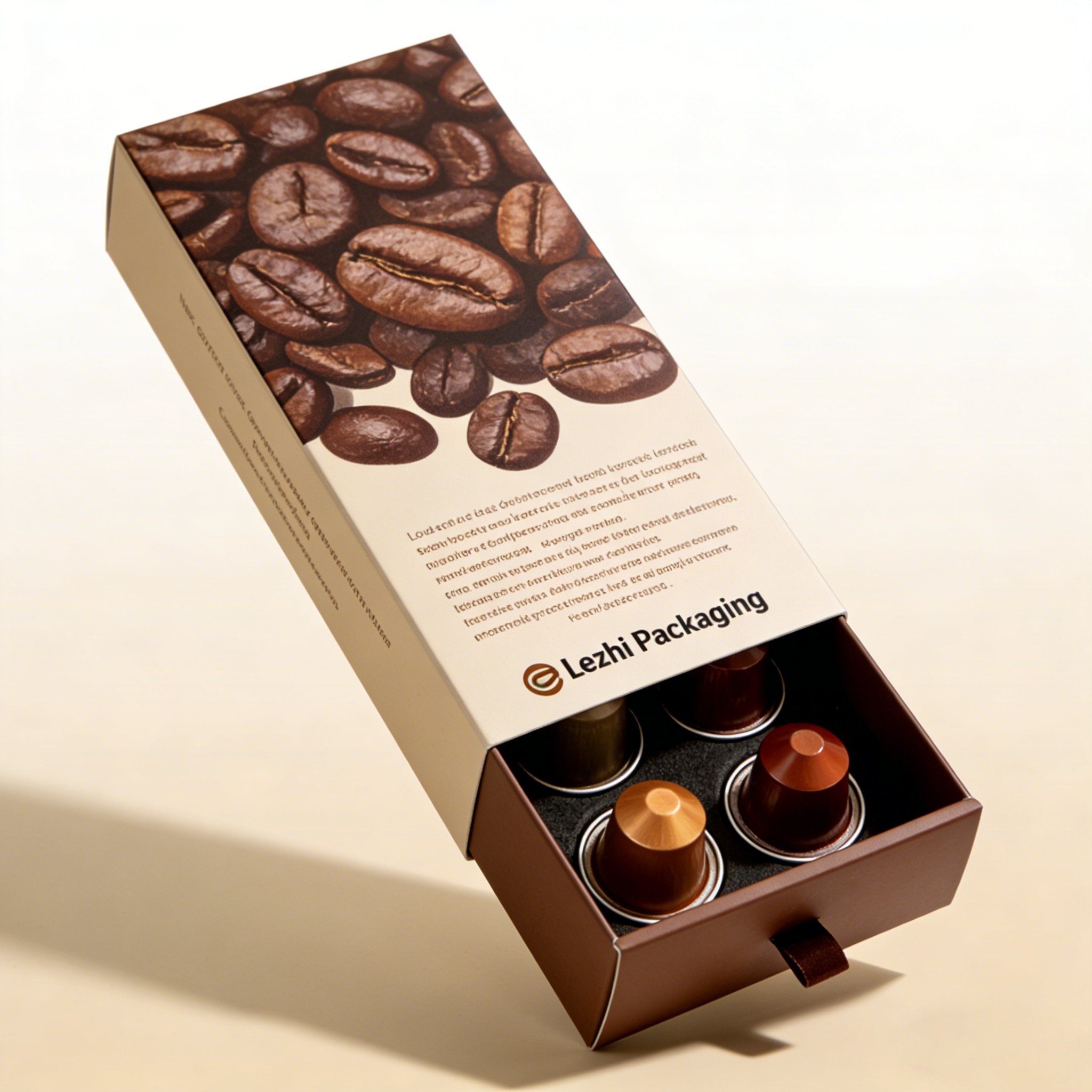
Custom Digital Printing Packaging Coffee Box Recyclable Coffee Capsule Paper Box
Recyclable coffee capsule carton with digital printing; suitable for coffee pods, tea sachets and single-serve snack portions needing fast version changes.
Every reference can be customized by size, board grade, printing method, insert and finishing. Product URLs are retained as supplied; buyers can also use the inquiry conversion button at the end of this page for a specification review.
Snack Packaging Is Now a Specification Game
Across export markets, snack packaging is no longer purchased as a low-cost carton. Buyers now compare suppliers on board grade, food-contact suitability, print consistency, recyclability path, carton cube, reorder MOQ and documentation readiness.
A snack package must do three jobs at once: protect fragile, oil-bearing or moisture-sensitive product; sell the product on shelf or in a digital listing; and pass the compliance expectations of retailers, marketplaces and importers. That is why the strongest exporters treat snack packaging as an engineering program rather than a commodity purchase.
Yiwu Jersey Packaging Co., Ltd. approaches OEM snack packaging through a controlled workflow in Zhejiang, China. The company is a manufacturer and trading company with SGS onsite verification, 38 staff including export specialists, four customization modes, FSC-certified paper options and MOQ levels starting from 100 pcs for simple folding styles and typically 200 pcs for custom runs.
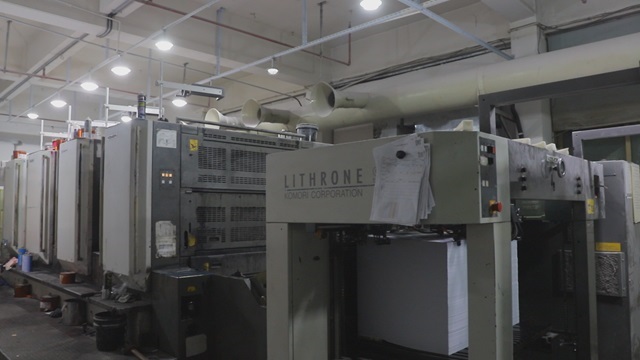
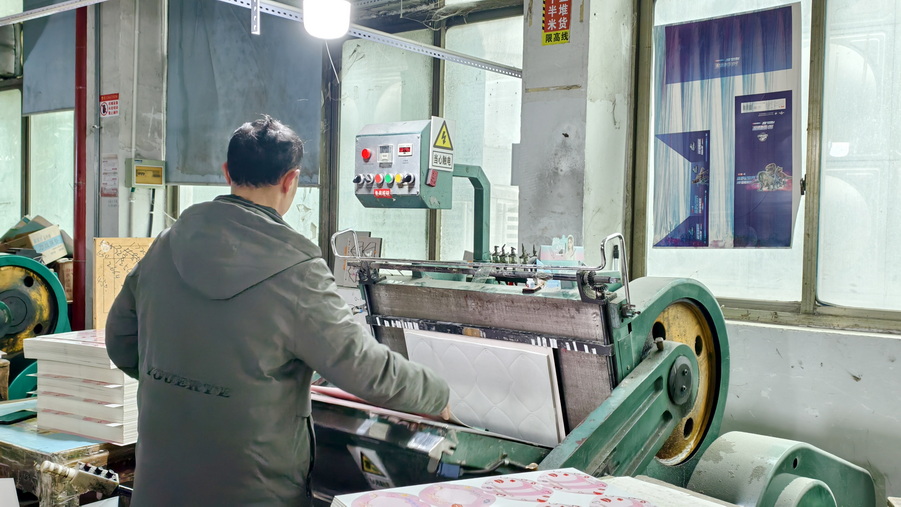
Because printing, die-cutting, box forming and inspection are managed in one workflow, buyers can reduce the hand-offs that cause colour drift, late artwork approvals and inconsistent board quality. This white paper gives procurement teams the questions to ask, the trends to benchmark and the specification choices that influence total landed cost.
Information gain for buyers: do not compare only unit price. Compare the cost of waste allowance, board grade, print setup, insert tooling, carton cube, reorder minimums, warehousing and compliance documentation. A slightly higher box price can lower total cost when it reduces damage, freight volume or reprint risk.
What a credible snack packaging supplier should prove
Credibility is not a logo wall. It is evidence that the supplier can reproduce the approved board, colour, structure and finish across reorders.
Future Snack Packaging Procurement Trends Buyers Will Benchmark
Procurement teams are being asked to buy packaging that supports faster launches, cleaner sustainability claims, lower freight waste and more transparent supplier audits. The following trends are already shaping RFQs for snack brands and private-label programs.
Low-MOQ Testing and Replenishment
Brands want to test seasonal flavours, sampler packs and limited editions without holding a year of inventory. Suppliers that support 100–200 pcs starting runs, digital printing and repeatable reorder specifications will win more trial orders than factories that quote only high-volume production.
Sustainability Documentation as a Gate
FSC-certified paper options, recyclable kraft, paperboard and plastic-free inserts are no longer optional talking points. Buyers increasingly ask for material declarations, recyclability pathways and evidence before a packaging claim is printed on the pack.
Retail and E-Commerce Dual Readiness
Snack products increasingly sell through both supermarket shelves and DTC channels. Procurement now asks for an outer transit pack, an inner retail box and sometimes a subscription mailer that can survive parcel handling while keeping the unboxing presentation clean.
Freight Cube and Warehouse Economics
Large snack cartons can ship flat or nested to reduce container volume. Foldable rigid boxes, right-sized cartons and optimized inner partitions can lower freight cost and storage pressure without weakening the retail impression.
Audit-Ready Supplier Transparency
Third-party verification, material inspection records and production photos before shipment help procurement teams complete due diligence. SGS onsite verification gives overseas buyers a clearer starting point when comparing a factory-trading company against unverified intermediaries.
Total Landed Cost and Supply Resilience
Freight volatility has made landed cost modelling essential. Buyers now combine factory price, packaging cube, damage rate, reorder lead time and inventory buffer into one decision. A supplier that can consolidate multiple snack box SKUs in one production plan reduces administrative load and stockout risk.
Snack Packaging Product Development Trends to Watch
The next generation of snack packaging will be judged on material efficiency, opening experience, barrier performance and how well the pack communicates verified sustainability information.
Mono-Material, Paper-First Structures
Brands are simplifying mixed-material packs to improve recyclability. Paperboard cartons, paper inserts and paper-based tamper features are replacing foam or plastic components where product protection allows it.
High-Barrier Paper and Bio-Coatings
Oil, moisture and oxygen protection remain critical for snacks. Buyers should test barrier requirements against the intended shelf life instead of assuming that a heavier board alone solves freshness. Coatings and liners must be matched to food-contact requirements.
Right-Sized and Resealable Portions
Households and single-person consumption are driving smaller snack portions. Packaging development is focusing on right-sized cartons, easy-open tear features and paper-based resealable concepts that balance convenience with material efficiency.
Digital Printing and Version Control
Digital printing supports limited editions, regional artwork and rapid reorders without large plate investments. The advantage is strongest when colour targets, dielines and substrate specifications are locked across every version.
Premium Finishing With Recyclability
Hot foil stamping, embossing, spot UV and soft-touch lamination still create premium cues, especially for gift and seasonal snack sets. Procurement should confirm whether the finish supports the desired recycling claim or requires a mixed-material warning.
Ergonomic, Inclusive Opening Design
Clear opening instructions, thumb-notches, tear strips and easy-to-grip formats improve the experience for older shoppers and children. These details also reduce product damage and negative reviews in e-commerce channels.
Snack Packaging Specification Matrix
Use this specification matrix to align product format, distribution method and compliance questions before an RFQ is issued.
| Snack Category | Recommended Format | Engineering Question | Procurement Checkpoint |
|---|---|---|---|
| Breakfast cereal / granola | Large printed folding carton or bag-in-box | Does the board provide enough compression strength for pallet and shelf stacking? | Confirm board grade, inner liner if needed, print coverage and flat-pack carton plan. |
| Bakery / cake / dessert | Printed paper cake box with food artwork | Is grease resistance or venting required for the specific bakery product? | Confirm food-contact paperboard, window choice, assembly speed and insert options. |
| Pizza / hot snack takeaway | Corrugated pizza carton or sliding drawer box | Will the pack be stacked during delivery or held warm on a counter? | Confirm flute grade, locking strength, delivery route and custom print area. |
| Coffee capsules / tea / single-serve | Recyclable paper box with digital print | What barrier and capsule protection does the product need? | Confirm recyclability pathway, insert fit, version control and reorder quantity. |
| Confectionery / premium gift | Magnetic rigid box or drawer box | Does the insert protect the product without creating unnecessary plastic? | Confirm finishing compatibility, paper insert design, weight and tooling cost. |
| E-commerce snack subscription | Corrugated mailer with inner retail carton | Can the outer pack survive parcel drop and still create a clean unboxing moment? | Confirm carton cube, tear strip, D2C print and return-friendly opening design. |
Why Yiwu Jersey Packaging Fits OEM Snack Programs
For overseas buyers, the best packaging partner is not simply the lowest quotation. It is the supplier that can document its identity, reproduce specifications and coordinate export production without hiding behind multiple intermediaries.
SGS Onsite-Verified
Business type and production capability have been verified onsite by SGS Group, giving buyers independent evidence before the first sample order.
Low MOQ Flexibility
Simple folding styles can start from 100 pcs, while most custom boxes start from 200 pcs. Four customization modes support testing, scaling and full OEM programs.
In-House Workflow
Printing, die-cutting, box forming and quality inspection are managed in one workflow, reducing hand-offs and improving colour and structural consistency.
FSC and Eco Materials
FSC-certified paper options, recyclable kraft, paperboard and plastic-free paper inserts help brands meet retailer and marketplace sustainability requirements.
Factory, exporter and specification partner in one place
Yiwu Jersey Packaging Co., Ltd. is a manufacturer and trading company based in Zhejiang, China. Our team of 38 staff includes dedicated export specialists who translate packaging briefs into production-ready dielines, proofs and finished boxes. We support sample-based, design-based, minor logo and graphic customization, plus full structural customization.
For snack packaging, the technical conversation usually starts with the product: dimensions, weight, oil or moisture exposure, expected shelf life, retail or e-commerce channel, and the packing method. From there, we recommend a board grade, box style, printing method, finishing and insert approach that match the target market and budget.
Available printing and finishing options include CMYK and Pantone offset printing, digital printing, hot foil stamping, embossing and debossing, spot UV, matte or soft-touch lamination, plus EVA, foam and paperboard inserts where appropriate. Food-grade paperboard options and FSC-certified materials can be discussed against the specific snack application.
- ✓Sample-based customization
- ✓Design-based customization
- ✓Logo and graphic customization
- ✓Full structural customization
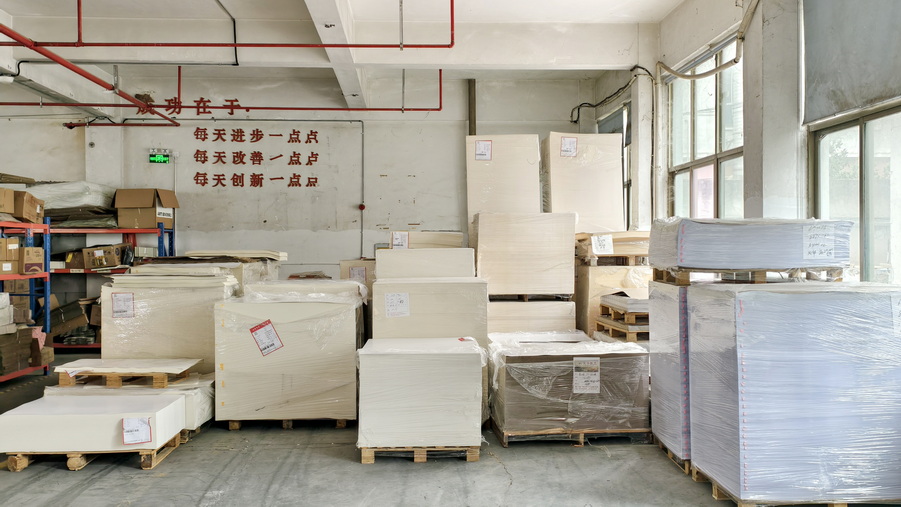
- ✓On-site material inspection
- ✓Global export packing support
Evidence buyers can request during due diligence
Procurement teams can ask for SGS verification references, material swatches and board grade confirmation, digital proofs or physical samples before mass production, production photos before shipment and applicable FSC paper documentation for the chosen material.
These checkpoints matter because snack packaging often carries a retail brand promise. A supplier should be able to show how the approved colour, dieline, board and finish will be repeated on reorders, not just on the first sample.
Export experience: sea, air and express shipment planning supports brand owners, distributors, food service buyers and marketplace sellers across major export markets.
Snack Packaging Buying Questions
These are the questions overseas buyers most often ask before placing a custom OEM snack packaging order.
What is the minimum order quantity for custom OEM snack packaging?
Most custom boxes start from 200 pcs, while simple folding styles such as small kid cube boxes can start from 100 pcs. The exact MOQ depends on box size, board grade, printing method and finishing. For a snack packaging project, send the product dimensions, weight, artwork status, target quantity and delivery market so we can suggest a cost-efficient structure rather than quoting a generic carton.
Is Yiwu Jersey Packaging a factory or a trading company?
We are both a manufacturer and trading company. Our business type and capabilities have been verified onsite by SGS Group, combining in-house production control with export service from Zhejiang, China. This structure helps buyers access factory production discipline and export coordination in one relationship, especially when a snack packaging program involves multiple SKUs, inserts and finishing options.
Can you produce food-grade and recyclable snack boxes?
We can discuss food-grade paperboard options, FSC-certified paper, recyclable kraft and paperboard, soy-based inks on request and plastic-free paper inserts. The right combination depends on the snack type, oil or moisture exposure, shelf life expectation and the recycling claim you plan to print. Buyers should approve the material and insert specification before mass production so the packaging claim and the packaging construction are aligned.
How do we choose the right box style for a snack product?
Start with three variables: product weight, distribution route and shelf position. A cereal carton prioritises compression and print area, a cake box prioritises food-contact paperboard and grease management, a pizza carton prioritises heat and stacking, and a premium gift box prioritises structure and insert protection. We review dimensions, product fragility, packing method and e-commerce or retail channel before recommending a folding carton, rigid box, drawer box, corrugated carton or mailer.
What artwork files and dieline information are needed for a quote?
For an accurate quote, provide product dimensions and weight, target quantity, box style if known, artwork files in AI or PDF format where available, required printing method, finishing requests, insert requirements and destination country. If you do not have a dieline, we can recommend a structure. A digital proof or physical sample can be approved before mass production so colour, fold lines, text sizing and material choice are confirmed in advance.
How should buyers plan lead time, shipping and reorders?
Lead time depends on box structure, board availability, printing method, finishing, insert tooling and current production queue. The safest plan is to confirm the approved sample, deposit and delivery schedule before production, then request production photos before shipment. For repeat snack packaging programs, keep the dieline, board grade, colour standard and finishing specification on file so reorders do not restart from zero. Sea, air and express shipping can be planned according to urgency, volume and destination.
Turn Your Snack Packaging Brief into a Production-Ready Specification
Share product dimensions, weight, quantity, artwork status, target market and preferred box style. Our team will review the structure, material, printing, finishing and export packing plan so your snack packaging project can move from reference image to approved production specification.