8 Cosmetic and Premium Packaging Styles to Compare
Use these production-reference structures to compare board grade, insert tolerance, print finish and unboxing. Product URLs and images are preserved from the live catalogue; images are displayed in full to keep proportion and detail intact.
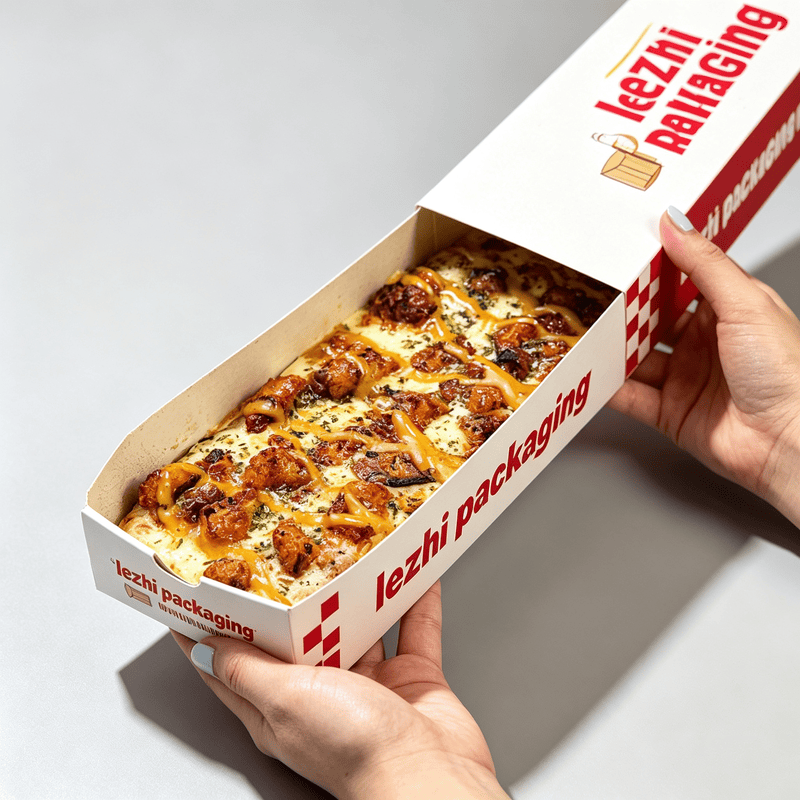
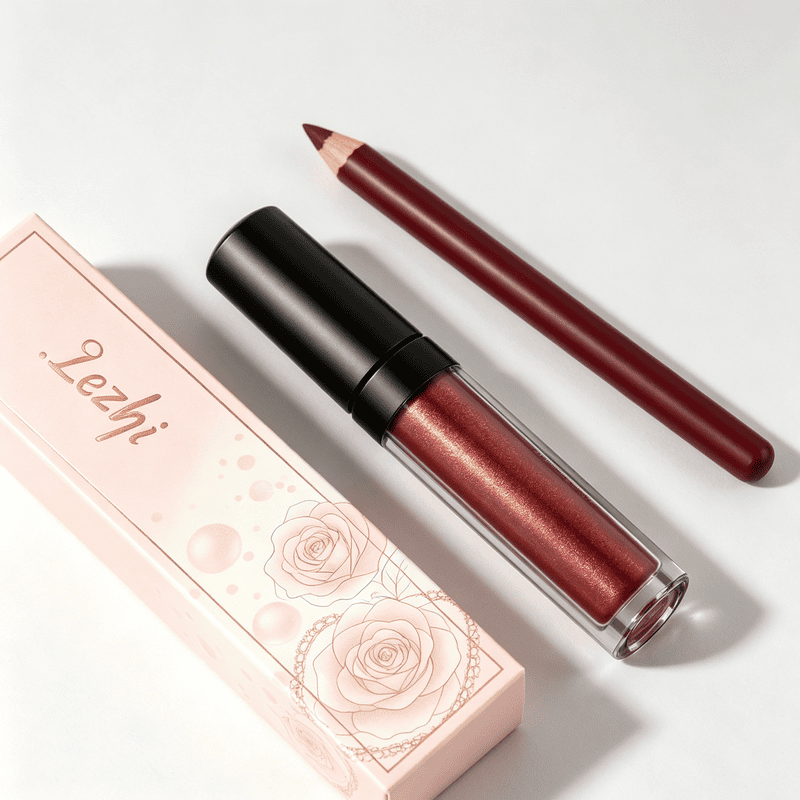

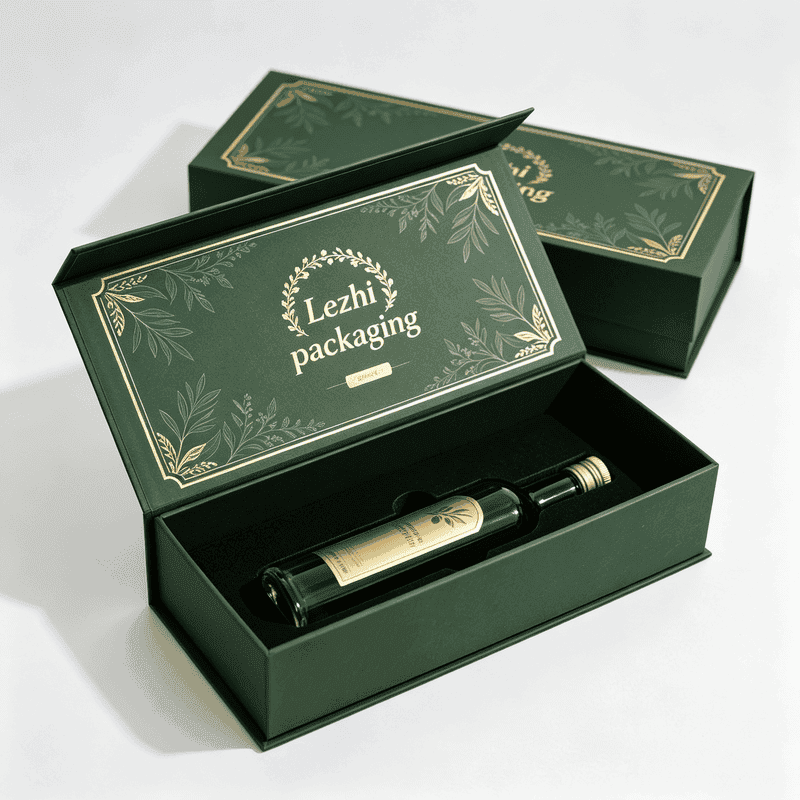
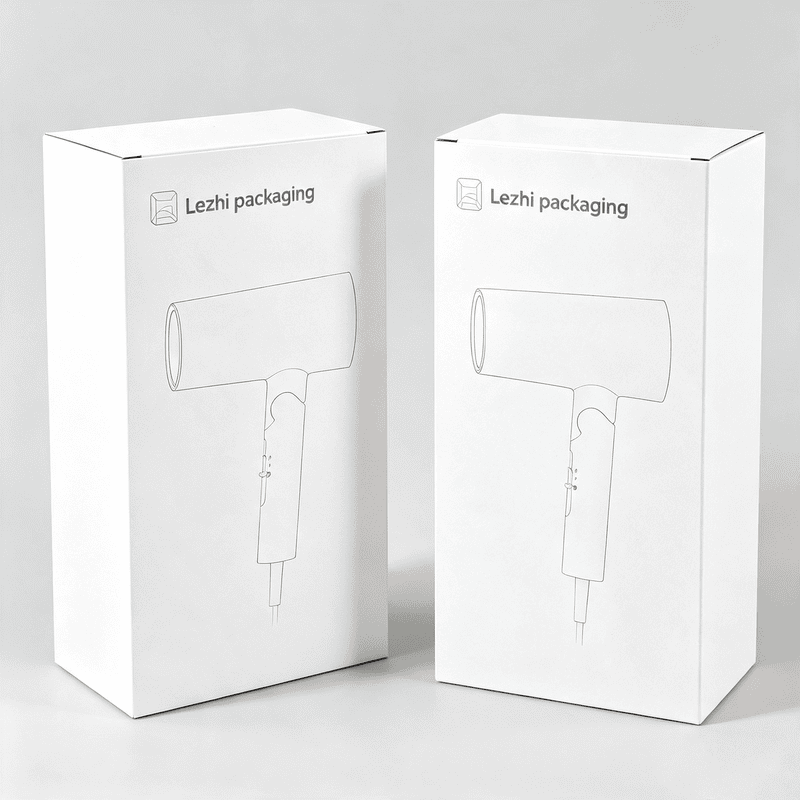

A Better Way to Read a Top 10 Cosmetic Boxes Manufacturers & Supplier List
The phrase Top 10 Cosmetic Boxes Manufacturers & Supplier usually appears at the start of a procurement project, not at the end. The buyer’s real job is to separate verified production capability from directory visibility, trading markup and recycled claims.
Most “top 10” lists are editorial shortcuts. For a cosmetics brand, the cost of a poor supplier choice is not only a late carton. It is a missed retail launch, a crushed serum bottle, a color mismatch under store lighting, a failed marketplace packaging test or a sustainability claim that cannot be documented. This whitepaper therefore treats “top 10” as a shortlist of verifiable supplier capabilities, not a paid badge.
A credible cosmetic packaging manufacturer should be able to prove factory identity, paper sourcing, structural engineering, print control, insert tolerance, export packing and reorder consistency. When those proofs are missing, the cheapest quotation often becomes the most expensive purchase order.
Yiwu Jersey Packaging Co., Ltd. is used here as a benchmark because its published company profile provides concrete evidence: an SGS onsite-verified manufacturer and trading company in Zhejiang, China; 38 staff including export specialists; FSC-certified paper options; low MOQ from 100 pcs for simple folding styles and about 200 pcs for most custom boxes; and full OEM/ODM support across sample-based, design-based, minor and structural customization.
For information gain, use a three-proof rule before ordering: a verified factory identity, a physical or digital structural proof, and a documented material/finishing specification. That rule is more valuable than any unverified league table.

The 10-Point Standard Behind a Reliable Cosmetic Boxes Shortlist
A true Top 10 Cosmetic Boxes Manufacturers & Supplier comparison should evaluate these ten checkpoints with documents, samples and production evidence.
1. Verified Factory Identity
Confirm legal name, factory address, staff count, production scope and whether the supplier is a manufacturer, trader or both. Ask for the SGS onsite report.
2. Material Traceability
Verify FSC claim, board GSM, food-contact grade, recycled content, ink type and recyclability. Claims must match the market and retailer.
3. Cosmetic Structure Engineering
Check insert fit for bottles, compacts, brush handles and beauty devices. Require tolerance, drop-test and opening-angle evidence.
4. Print & Finishing Control
Approve CMYK or Pantone color under D50/D65 lighting. Test hot foil, emboss, spot UV and soft-touch lamination on the actual board.
5. Low-MOQ Sampling
Ask whether MOQ includes custom size, printing and inserts. Simple folding styles can start from 100 pcs; most custom boxes from 200 pcs.
6. In-House Workflow
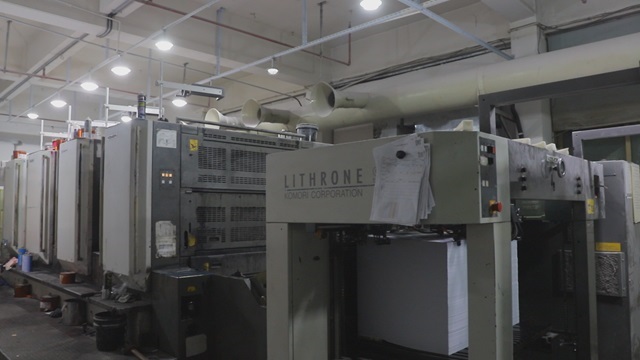
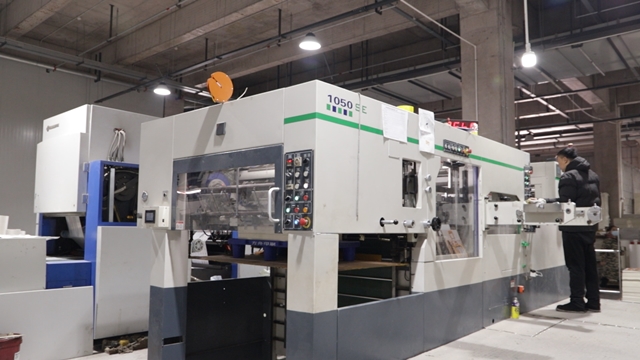
Printing, die-cutting, box forming, wrapping and QC under one workflow reduce hand-offs, color drift and quality disputes.
7. Retailer Readiness
Check barcode zones, FBA labels, EU packaging law readiness, plastic-free inserts and documented sustainability wording.
8. Export Packing
Request carton drop-test photos, master-carton dimensions, flat-pack options and protection against humidity and compression.
9. Dieline Communication
A qualified supplier can turn artwork into a dieline, 3D mockup and sample approval path before mass production begins.
10. Landed-Cost Transparency
Compare tooling, sampling, unit price, packaging, freight, duties and reorder terms. The lowest FOB price may not be the lowest landed cost.
How Yiwu Jersey Packaging Meets the Benchmark
For buyers comparing cosmetic boxes manufacturers, capability must be supported by verifiable company evidence, not only a product gallery.
Yiwu Jersey Packaging Co., Ltd. is a manufacturer and trading company based in Zhejiang, China. Its business type, staff and production capabilities have been verified onsite by SGS Group, giving overseas buyers independent proof of who they are working with before a deposit is paid.
The company’s packaging workflow combines printing, die-cutting, box forming, wrapping and inspection in one managed process. That reduces the hand-offs that often cause color drift, misaligned foil or inconsistent insert fit. For cosmetic packaging, these details matter because the box is part of the product experience, not a shipping afterthought.
Customization covers sample-based, design-based, logo/graphic minor and full structural customization. Material options include FSC-certified paper, recyclable kraft and paperboard, plus soy-based inks on request and plastic-free paper inserts. Finishing capabilities include CMYK and Pantone offset printing, digital printing, hot foil stamping, embossing and debossing, spot UV, and gloss, matte or soft-touch lamination. Inserts can be engineered in EVA, foam or paperboard.
- SGS onsite-verified manufacturer and trading company
- FSC-certified paper options and recyclable board
- MOQ from 100 pcs; most styles from 200 pcs
- Sample, design, minor and full customization modes
- Offset/digital print, foil, emboss, spot UV, soft-touch
- EVA, foam and paperboard insert engineering
A 38-person team, including export specialists, supports global buyers from sample approval to export packing. For procurement teams, the practical value is a supplier that can move from dieline advice to production-ready packaging without losing accountability between departments.
Recommended Cosmetic Box Structures by Use Case
Specify by product risk, not only by box name. The right structure protects the product, supports the brand story and survives the chosen sales channel.
Makeup Brushes & Applicators
Use textured paperboard with a clear or paper window and a fitted insert. Critical specs: window clarity, insert friction and brush-head support.
Hair Dryers & Salon Tools
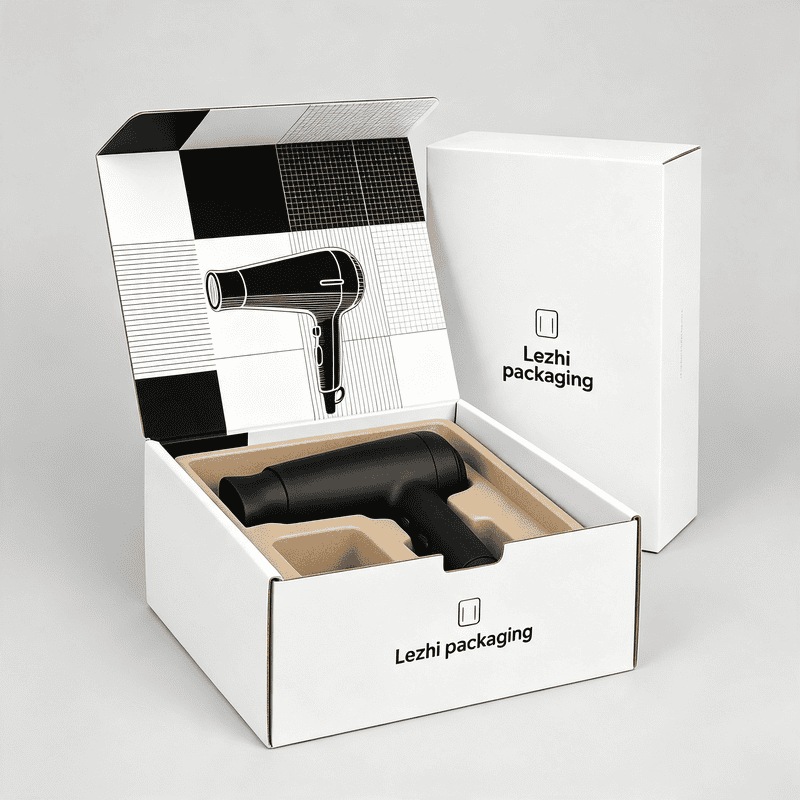
Magnetic rigid boxes with EVA foam or molded paper cavities protect heavy tools and add a premium salon unboxing experience.
Serums, Oils & Bottled Skincare
Use rigid drawer, lid-and-base or bottle gift structures with neck support. Keep bottle movement controlled and protect the label surface.
Fragrance & Premium Gift Sets
Magnetic rigid or lid-and-base boxes with soft-touch lamination, foil and emboss. Use EVA or paper inserts for glass bottles and jars.
Retail Beauty Appliances
Auto-lock folding cartons with internal corrugated or paperboard fitments balance shelf impact, protection and packing efficiency.
Subscription & Sample Kits
Sliding drawers and small folding cartons work well for discovery sets. Choose paper locks and plastic-free inserts to support recycling.
Future Procurement Trends for Cosmetic Boxes, 2025–2030
Cosmetic packaging procurement is moving from price-per-box to evidence-per-claim. Buyers should write these expectations into RFQs now.
Regulatory Proof at PO Stage
EU packaging rules, retailer sustainability questions and FSC claims will be checked before purchase-order release. Keep material declarations with every specification.
Micro-Batching & Lower MOQ
More SKUs and faster launches favor suppliers that can support 100–200 pcs runs without sacrificing print quality or structural consistency.
Landed-Cost Engineering
Foldable magnetic boxes, flat-pack rigid designs and optimized master cartons reduce freight volume without removing the premium hand-feel.
Digital Print Versioning
Seasonal drops, influencer editions and localized labels reward digital printing and short-run workflows that keep artwork versions separate.
Supplier Transparency
Audit reports, board certificates, batch records and final inspection photos are becoming normal procurement attachments, not special requests.
DTC Returns & Refills
Reusable rigid boxes, refill cartons and easy-open structures will be specified for e-commerce returns, refill subscriptions and loyalty kits.
Cosmetic Box Development Trends Buyers Should Specify Now
The strongest packaging briefs combine material reduction with a premium unboxing feel. These six development directions are practical for 2025 and beyond.
Mono-Material Paper & Plastic-Free Windows
Replace PET windows with paper mesh, open-front cartons or printed product windows where the product can be seen without plastic. This simplifies recycling messaging and reduces material complexity.
Refillable & Reusable Secondary Packaging
Magnetic rigid boxes and drawer boxes can be designed as keep-sets, travel cases or vanity organizers. The packaging becomes part of the product value rather than waste.
Tactile Luxury on Lower Board Weight
Soft-touch lamination, micro-emboss, registered foil and spot UV can create a premium feel on optimized board grades. The goal is sensory quality without unnecessary GSM.
QR-Connected Packaging
QR codes can support authenticity checks, refill tutorials and loyalty registration. Keep the code area matte and test scanning after lamination, foil or varnish.
Insert Innovation for Fragile Actives
Molded pulp, paperboard locks and precision die-cut EVA can protect glass, compacts and devices. Use plastic foam only where drop-test evidence requires it.
Foldable Rigid Boxes
Foldable magnetic and collapsible rigid boxes ship flat but set up with a rigid hand-feel. They are a strong option for DTC brands managing freight cost and storage space.
Specification Matrix: Matching Cosmetic Product to Box Structure
Use this matrix to brief a supplier with measurable requirements rather than subjective descriptions.
| Cosmetic Product Type | Recommended Box Structure | Critical Specification | Finish & Insert Recommendation |
|---|---|---|---|
| Makeup brush sets | Folding carton with window | Clean window edge, insert friction, brush-head clearance | Textured paper, paperboard insert, spot UV |
| Serum and oil bottles | Rigid drawer or magnetic box | Bottle movement, neck support, label protection | Soft-touch lamination, molded pulp or paper insert |
| Fragrance gift sets | Magnetic rigid box | Magnet strength, hinge alignment, drop protection | Hot foil, emboss, EVA or paperboard cavity |
| Hair dryer or beauty device | Magnetic rigid box | Cavity compression, charger storage, drop test | EVA foam, matte lamination, ribbon pull |
| Retail single SKU | Auto-lock folding carton | Shelf impact, barcode area, board strength | CMYK/Pantone, spot UV, paper lock insert |
| Subscription or refill kit | Sliding drawer or mailer | Reclose strength, recyclability, postal protection | Soy ink, paper insert, plastic-free finish |
Request a white sample before a printed sample when the fit is complex. Fit problems are cheaper to solve before artwork is applied.
A 7-Day Protocol for Auditing a Cosmetic Packaging Supplier
Use a short, documented process before you compare final quotations. This is how procurement teams convert “looks good” into evidence.
Confirm Identity and Audit Status
Check legal entity, factory address, SGS or onsite audit report, staff count and whether production is in-house or subcontracted.
Request Material Declarations
Ask for board GSM, FSC certificate scope, food-contact grade where relevant, ink type and recyclability notes for your target market.
Send Product Dimensions and Risk Notes
Include weight, fragility, bottle shape, accessory list and sales channel. Ask for a dieline recommendation, not only a price.
Order a White Sample or 3D Mockup
Test insert fit, opening angle, lid alignment and product movement. Do not approve artwork until the structure is proven.
Approve Color and Finishing
Review Pantone targets under D50/D65 lighting, check foil registration, emboss depth and soft-touch consistency on the chosen board.
Validate Export Packing
Request master-carton dimensions, drop-test photos, humidity protection and FBA or retail label placement before booking freight.
Compare Total Landed Cost
Compare tooling, sampling, unit price, carton cost, freight, duties, lead time and reorder MOQ. Award the project on total risk, not FOB alone.
Frequently Asked Questions About Cosmetic Boxes Manufacturers
Practical answers for brand owners, product managers and procurement teams comparing custom cosmetic packaging suppliers.
What is a realistic MOQ for custom cosmetic boxes?
Can I approve samples before bulk production?
Which materials are suitable for skincare, makeup and fragrance packaging?
How do I control color and finishing quality?
Are eco-friendly cosmetic boxes available?
Is Yiwu Jersey Packaging a factory or a trading company?
Which printing and finishing options are available?
How should I calculate total landed cost?
Can cosmetic packaging support Amazon FBA and retail requirements?
How do I request a catalogue or start a sample?
Turn the Shortlist into an Approved Sample
Send your box size, product weight, target quantity, artwork status and market requirements. A qualified manufacturer should reply with structure advice, material options and a clear sampling path — not just a unit price.
Compare samples against the ten-point framework: verified identity, material traceability, structural fit, print control, insert tolerance and export packing.