Top China Chocolate Packaging Suppliers & Exporter
A procurement-grade guide for chocolate brands comparing custom paper boxes, food-safe materials, FSC options, low-MOQ sampling, and export-ready production from Zhejiang, China.
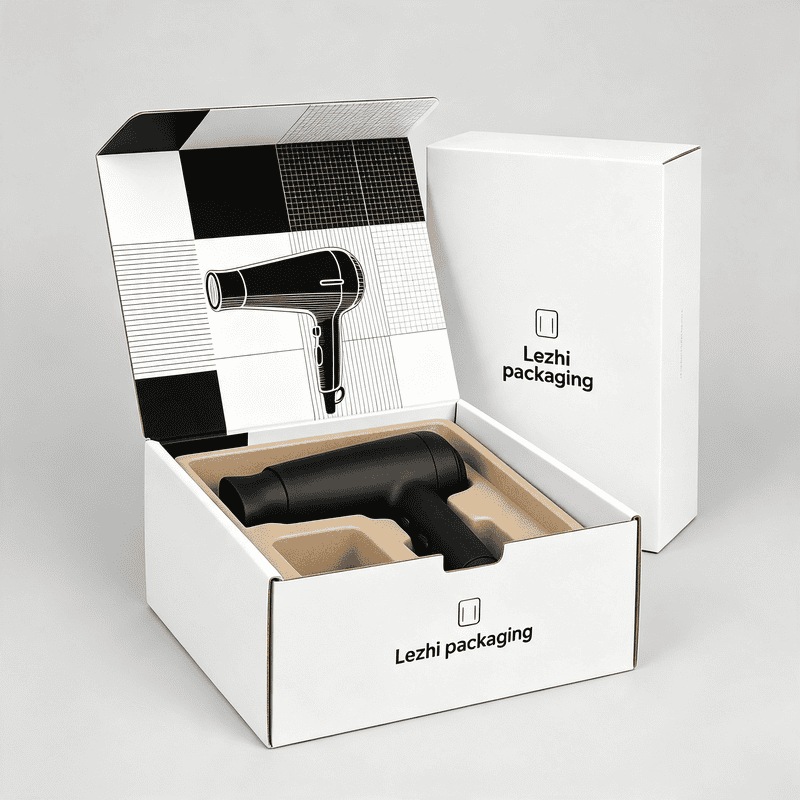
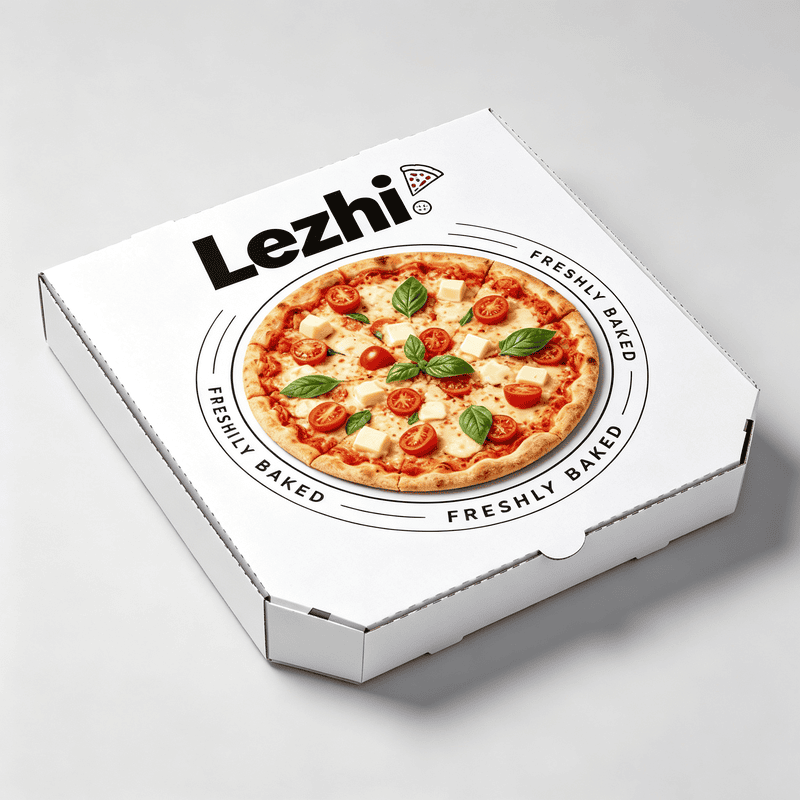
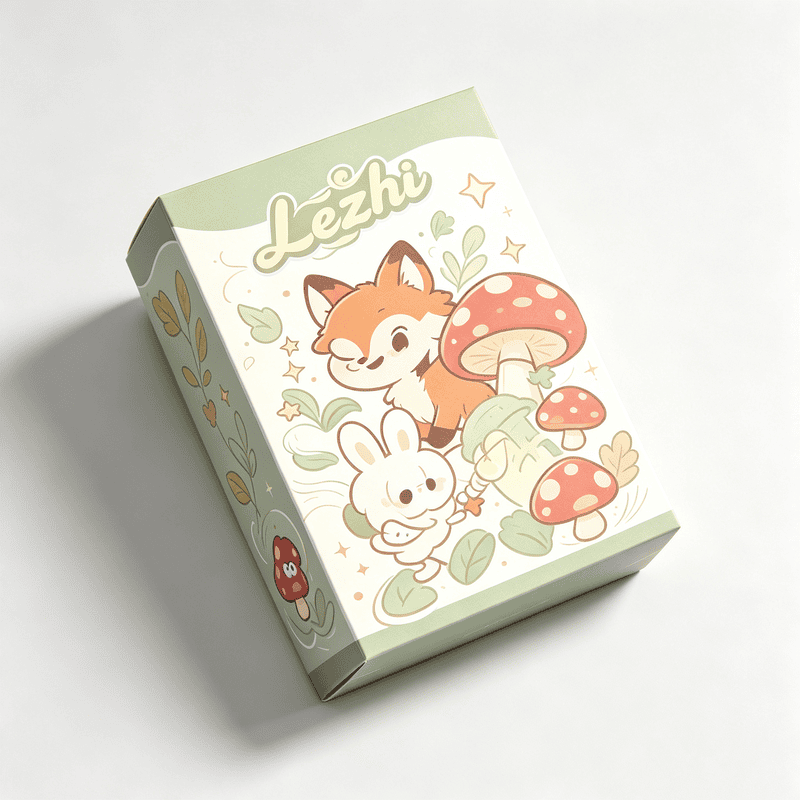
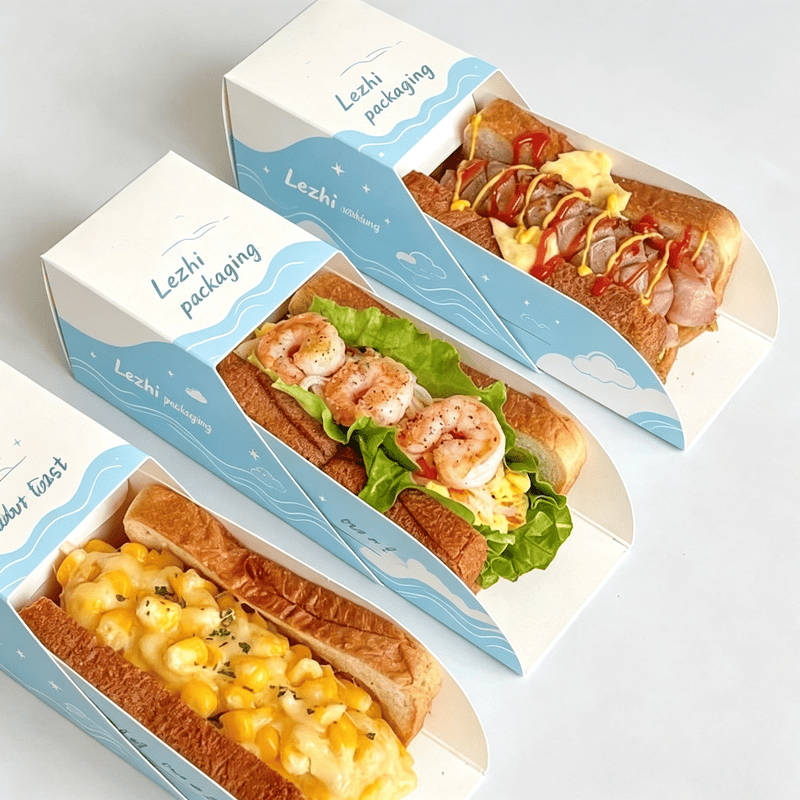
8 Reference Paper Packaging Formats for Chocolate Gift Sets and Confectionery Retail
The eight products below are live reference formats from Yiwu Jersey Packaging Co., Ltd. Chocolate brands adapt these constructions for bars, truffles, bonbons, seasonal gift sets, subscription boxes, and retail multipacks. Every product URL is preserved for direct review.




Why China Is a Strategic Sourcing Market for Chocolate Packaging
Chocolate packaging is not a commodity purchase. A box that looks premium in a catalog can fail in transit if the paperboard is too light, the insert does not immobilize the product, or the printed surface scuffs against a foil wrapper. For importers, private-label brands, and distributors, the real sourcing question is not “Who sells the cheapest chocolate box?” but “Which China chocolate packaging supplier can control food-contact safety, structural fit, decoration, sustainability documentation, and export execution in one workflow?”
China remains a deep manufacturing market for paper-based chocolate packaging because the supplier ecosystem covers board conversion, offset and digital printing, foil stamping, embossing, magnet insertion, foam and paper insert fabrication, hand assembly, and export consolidation. In Zhejiang, and especially around the Yiwu trading and manufacturing network, buyers can source folding cartons, rigid chocolate gift boxes, magnetic closures, drawer boxes, kraft retail boxes, and corrugated e-commerce mailers within a relatively concentrated supply chain.
However, chocolate has a demanding risk profile. Cocoa butter, sugar, nuts, dried fruit, and inclusions can be sensitive to heat, moisture, oxygen, and odor transfer. A serious supplier must understand food-contact suitability, grease resistance, print chemistry, insert fit, and export packing — not only box style. That is the difference between a low-cost converter and a reliable chocolate packaging exporter.
This guide is written from the perspective of Yiwu Jersey Packaging Co., Ltd., an SGS onsite-verified paper packaging manufacturer and trading company in Zhejiang, China. It is structured for procurement teams that need to compare suppliers, validate samples, and reduce total landed cost without compromising the brand experience.
- Food-safe material options and documented material checks.
- FSC-certified paper options for sustainability-led ranges.
- Low-MOQ sampling for bars, truffles, and seasonal gift sets.
- Export packing for North America, Europe, and Asia-Pacific.
What Separates Top Suppliers from Low-Cost Converters
- They ask about the chocolate format, weight, wrapping, climate, and distribution channel before quoting.
- They provide a dieline, material recommendation, insert proposal, and sample approval gate.
- They control printing, die-cutting, box forming, and QC in one workflow.
- They can explain FSC options, recyclable structures, and plastic-free inserts clearly.
- They treat packaging as protection and brand experience, not only as a printed surface.
How to Evaluate a China Chocolate Packaging Supplier
Use a consistent scorecard. The strongest supplier is usually the one that can prove process control, not the one that sends the fastest generic price list.
Identity and Audit Trail
Confirm whether the supplier is a factory, a trading company, or both. Ask for verification evidence such as an SGS onsite audit, business license, staff structure, and export history. Yiwu Jersey Packaging is an SGS onsite-verified manufacturer and trading company based in Zhejiang, China.
Food-Contact and Material Control
For chocolate, the inner liner and printed box must be evaluated together. Ask how the supplier separates printed inks from direct food contact, whether food-grade board is available, and how paper, glue, and inserts are inspected. FSC-certified paper options and food-contact board are important for retail and marketplace compliance.
Structural Engineering
A chocolate gift box must fit the product, protect the surface, and survive export handling. Review dielines, board thickness, magnet closure strength, insert tolerance, and drop-test expectations. For truffles and bonbons, paper cups, dividers, or molded-pulp inserts may be more appropriate than foam.
Print and Finishing Discipline
Premium chocolate packaging often uses hot foil stamping, embossing, soft-touch lamination, spot UV, or specialty paper. These finishes can scuff, crack, or delaminate if the supplier does not control paper grade and press conditions. Ask for physical samples, not only digital renderings.
Sustainability and Compliance
Sustainability claims must be specific. Ask whether the board is FSC-certified, whether the insert is plastic-free, whether the structure is recyclable in the destination market, and whether inks and coatings meet the buyer’s requirements. Avoid vague “eco-friendly” claims without supporting documentation.
Sampling and Export Execution
Top suppliers provide a clear approval path: dieline, digital proof, physical sample, mass production, final inspection, and export packing. Confirm carton labeling, moisture protection, pallet requirements, and shipping method before production starts.
Procurement Trends Reshaping Chocolate Packaging: 2025–2030
Chocolate packaging buyers are moving from unit-price comparison to total-value sourcing. The following trends are practical filters for supplier shortlisting.
From Lowest Price to Total Landed Cost
Freight volume, carton configuration, damage rate, reorder stability, and compliance risk now matter as much as unit price. Foldable magnetic boxes and right-sized cartons can reduce shipping cost while preserving premium presentation.
Shorter Runs and Faster Versioning
Seasonal launches, limited editions, and regional artwork require shorter production runs. Digital printing helps brands test packaging designs and reduce inventory risk, while offset printing remains efficient for stable, high-volume chocolate lines.
Paper-First and FSC Sourcing
Retail buyers increasingly ask for FSC-certified paper, plastic-free inserts, and recyclable mono-material structures. Suppliers that can propose a paper-based insert instead of EVA foam will be better positioned for eco-led chocolate brands.
E-Commerce-Ready Packaging
Direct-to-consumer chocolate brands need packaging that survives parcel networks and still delivers a premium unboxing moment. Corrugated mailers, protective inserts, and inside-print designs are becoming part of the primary packaging brief.
Premium Unboxing with Material Reduction
Luxury does not always mean heavier. Brands are asking for magnetic closures, foil details, and tactile paper with optimized board weight. Value engineering can reduce material use without weakening the brand experience.
Supplier Transparency and Documentation
Procurement teams want traceability from material to shipment. Clear specifications, batch records, inspection photos, and approval documents reduce risk when packaging is produced across borders.
How Chocolate Packaging Itself Is Changing
The next generation of chocolate boxes will be judged on protection, material responsibility, and retail performance at the same time.
Mono-Material Paper Construction
Brands are simplifying packaging separation for consumers. Paper-based trays, paper dividers, and water-based adhesive systems are replacing mixed-material inserts where protection requirements allow.
Barrier and Food-Safe Paper Options
Chocolate requires attention to fat, moisture, and odor. Where direct contact is intended, buyers should specify food-contact paper and compatible liners. For foil-wrapped bars, the printed carton can be optimized separately from the primary wrapper.
Right-Sized Retail Formats
Retailers and marketplaces penalize wasted space. Chocolate packaging is becoming more precisely sized to the product, with fewer empty voids and better shelf density.
Recyclable Inserts
Truffle and bonbon packaging traditionally used foam or plastic trays. Molded pulp, folded paperboard, and corrugated inserts are improving, giving chocolate brands more recyclable alternatives without sacrificing fit.
Tactile Finishing That Survives Shipping
Soft-touch lamination, embossing, and foil are still valuable, but brands now test scuff resistance and blocking risk. Finishing must be selected for the destination climate and shipping method, not only for the sample photo.
QR Codes and Traceability
Chocolate packaging can carry batch information, provenance stories, allergen guidance, and recycling instructions. Clean artwork and reliable variable-data printing help brands connect packaging to digital content.
What Yiwu Jersey Packaging Brings to Chocolate Brands
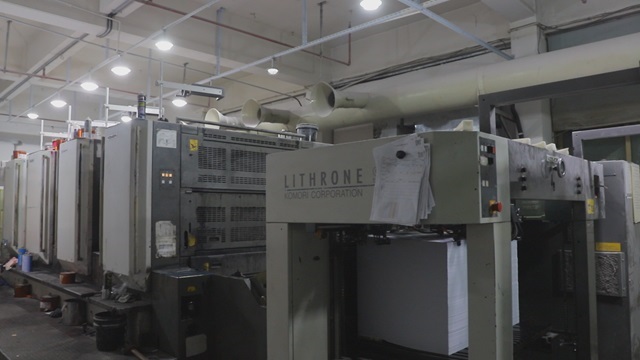
Yiwu Jersey Packaging Co., Ltd. is a manufacturer and trading company based in Zhejiang, China. Our business type, staff structure, and production capabilities have been verified onsite by SGS Group, giving overseas buyers independent evidence of who they are working with.
Our team of 38 staff, including dedicated export specialists, turns brand briefs into production-ready dielines, proofs, samples, and finished boxes. Because printing, die-cutting, box forming, and inspection are managed in one workflow, buyers get tighter color consistency and fewer hand-offs between suppliers.
For chocolate projects, we support sample-based, design-based, minor logo and graphic, and full structural customization. Most custom boxes start from 200 pieces, while simple folding styles can start from 100 pieces. Exact MOQ depends on size, board, finishing, and insert complexity.
- SGS onsite-verified manufacturer and exporter.
- FSC-certified paper options and recyclable kraft choices.
- Low MOQ and physical sample approval before mass production.
- One workflow for printing, die-cutting, forming, and QC.
Chocolate Packaging Structure Guide: Matching Format to Product Risk
Use this table to align the packaging format with the chocolate product, retail channel, and protection requirement.
| Chocolate Product / Use Case | Recommended Paper Packaging Approach | Critical Control Points | Best-Fit Buyer Intent |
|---|---|---|---|
| Chocolate bars and tablets | Printed folding carton with an inner foil or flow-wrap; optional paper sleeve | Grease resistance, scuff-resistant print, accurate bar clearance, retail shelf appearance | Supermarket, convenience, and specialty retail lines |
| Truffles and bonbons | Rigid drawer box, magnetic box, or lid-and-base box with food-grade paper cups or molded-pulp insert | Product immobilization, cocoa butter transfer, insert cleanliness, lid fit | Premium chocolate gifting and boutique retail |
| Seasonal gift sets | Magnetic rigid box with ribbon pull, printed sleeve, and paper divider system | Unboxing sequence, magnet strength, foil and embossing durability, export drop risk | Holiday, corporate, and limited-edition gifting |
| Subscription and e-commerce | Corrugated mailer with printed inside, foldable magnetic box, or right-sized carton with paper insert | Parcel shock, humidity, tear resistance, easy returns, minimal void fill | DTC brands, subscription clubs, and marketplace sellers |
| Vegan and eco-led ranges | FSC kraft or recycled-content paperboard, plastic-free insert, single-color or soy-based ink on request | Material claims, recyclability, print contrast on kraft, structural strength | Natural food retailers and sustainability-focused brands |
| Hot-climate export | Rigid or folding box with controlled fit; pair with suitable primary wrapper and logistics protection | Heat exposure, blocking, surface scuffing, transit time, carton ventilation | Distributors shipping to warm or humid markets |
Not sure which structure fits your chocolate product? Share the product dimensions, weight, wrapping method, destination, and target quantity. Our team can recommend a board grade, insert style, and finishing plan before sampling.
From Chocolate Packaging Brief to Export Delivery
A transparent six-step process with an approval gate before mass production.
Brief and Risk Review
Share chocolate type, size, weight, artwork status, destination, and target quantity. We identify food-contact, protection, and retail requirements.
Structure and Material Plan
We propose box style, board grade, printing method, finishing, and insert options, with attention to FSC materials and recyclable alternatives where suitable.
Dieline and Visual Proof
You review the dieline, artwork placement, and 3D mockup. We check fold lines, clearances, and print reproduction before sampling.
Physical Sample Approval
A physical sample is produced for fit, finish, and material confirmation. Mass production does not start until the sample or proof is approved.
Production and In-Line QC
Printing, lamination, die-cutting, box forming, insert assembly, and inspection are managed in a controlled workflow with photo updates as needed.
Export Packing and Delivery
Finished boxes are packed for sea, air, or express shipment. Final photos, carton marks, and shipping documents are prepared before dispatch.
Evidence That Supports Buyer Due Diligence
For chocolate packaging, trust is built on documentation, production control, and export experience.

Certificates and Audits
Supplier assessment by SGS Group and FSC-certified paper sourcing support buyer confidence. We can discuss food-contact board, recyclable kraft, and paper-based insert options for chocolate ranges where the specification allows.

Global Export Support
We ship sea, air, and express to brand owners, distributors, and online sellers. Our export team coordinates carton marks, packing lists, and delivery schedules so chocolate packaging reaches the destination in retail-ready condition.
Chocolate Packaging Procurement FAQ
Direct answers for importers, brand owners, and procurement teams comparing China chocolate packaging suppliers.
What is the MOQ for custom chocolate packaging boxes?
Are your chocolate packaging materials food-safe and eco-friendly?
Is Yiwu Jersey Packaging a factory or a trading company?
Can you make a physical sample before mass production?
Which printing and finishing options are available?
What should I include in a chocolate packaging quote request?
Build a Better Chocolate Packaging Program
Send your chocolate format, box size, quantity, artwork status, and destination market. Our packaging team will review the structure, material options, FSC and food-contact requirements, and sampling path before quoting production.
Email: info@jerseypackage.com · Zhejiang, China · SGS onsite-verified manufacturer and exporter.