Top China Magnetic Makeup Palettes Supplier & Exporter
Factory-direct magnetic palette cases, refillable pan systems, rigid presentation boxes, and export-ready beauty packaging supported by SGS onsite verification, FSC paper options, low MOQ, and full OEM/ODM customization.
8 Export-Ready Product References for Magnetic Makeup Palette Programs
Magnetic makeup palettes rarely ship alone. These eight packaging and retail references show the structures our team customizes for palette brands, beauty distributors, gifting programs, and e-commerce sellers. Product URLs are preserved; for an unlisted palette size or custom configuration, send us your dimensions and target quantity.
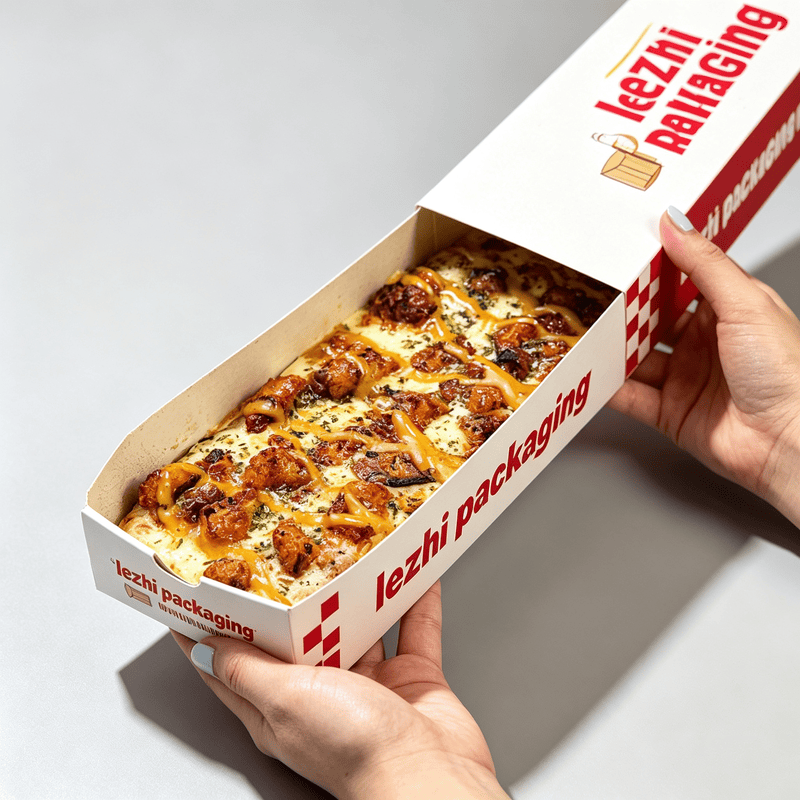
Disposable Pizza Paper Cardboard Box Food Grade Sliding Pizza Drawer Box Custom Hot Dog Sandwich Tray Pizza Box Packaging Boxes
Sliding drawer construction can be re-engineered for palette sample kits, brush compartments, and beauty accessories.
View product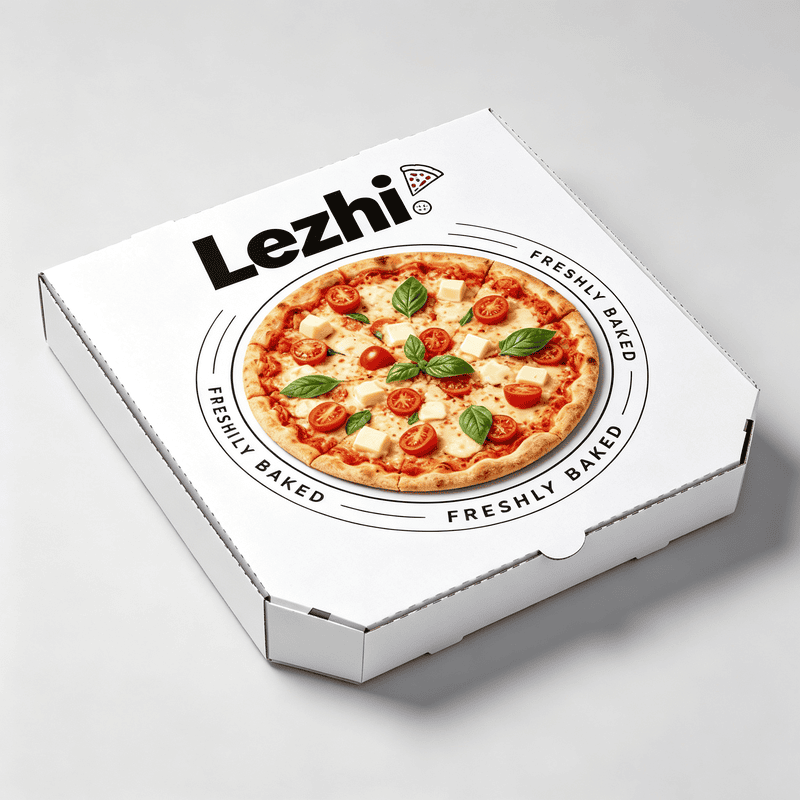
Custom Logo Paper Packaging Empty Eco Rectangular Pizza Box 6 10 12 Inches Pizza Boxes Packaging Boxes Cheap Snake Pizza Boxes
Custom-logo paperboard references for retail-ready sets, outer cartons, and low-cost promotional packaging.
View product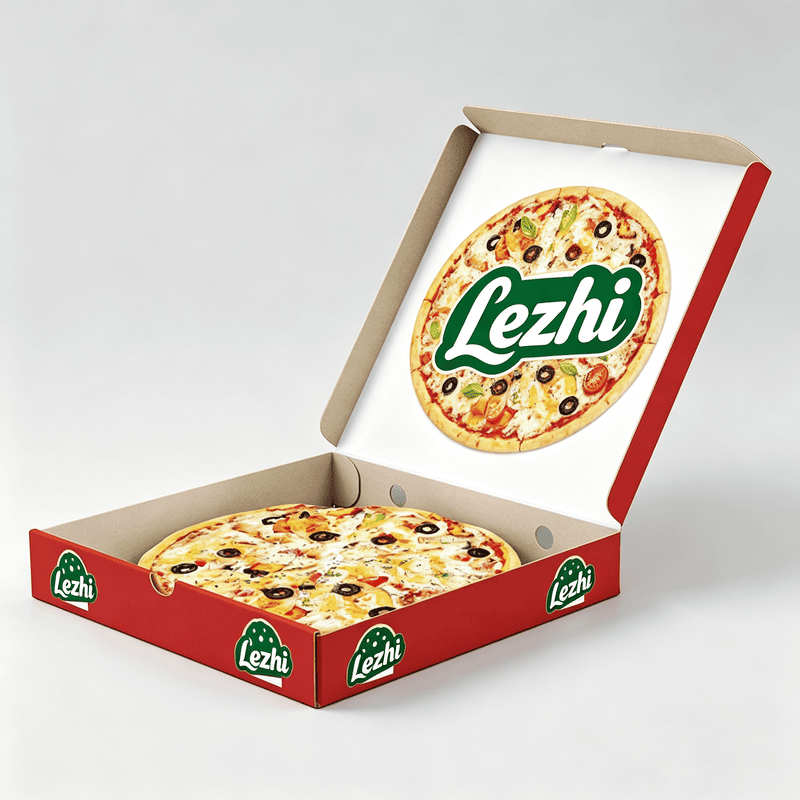
Wholesale 8 10 12 16 Inch Bakery Food Pizza Box Takeaway Pancake Food Box Disposable Cardboard Paper Packaging Box for Pizza
Takeaway and bakery carton references support secondary packaging, sampling, and fulfilment programs.
View product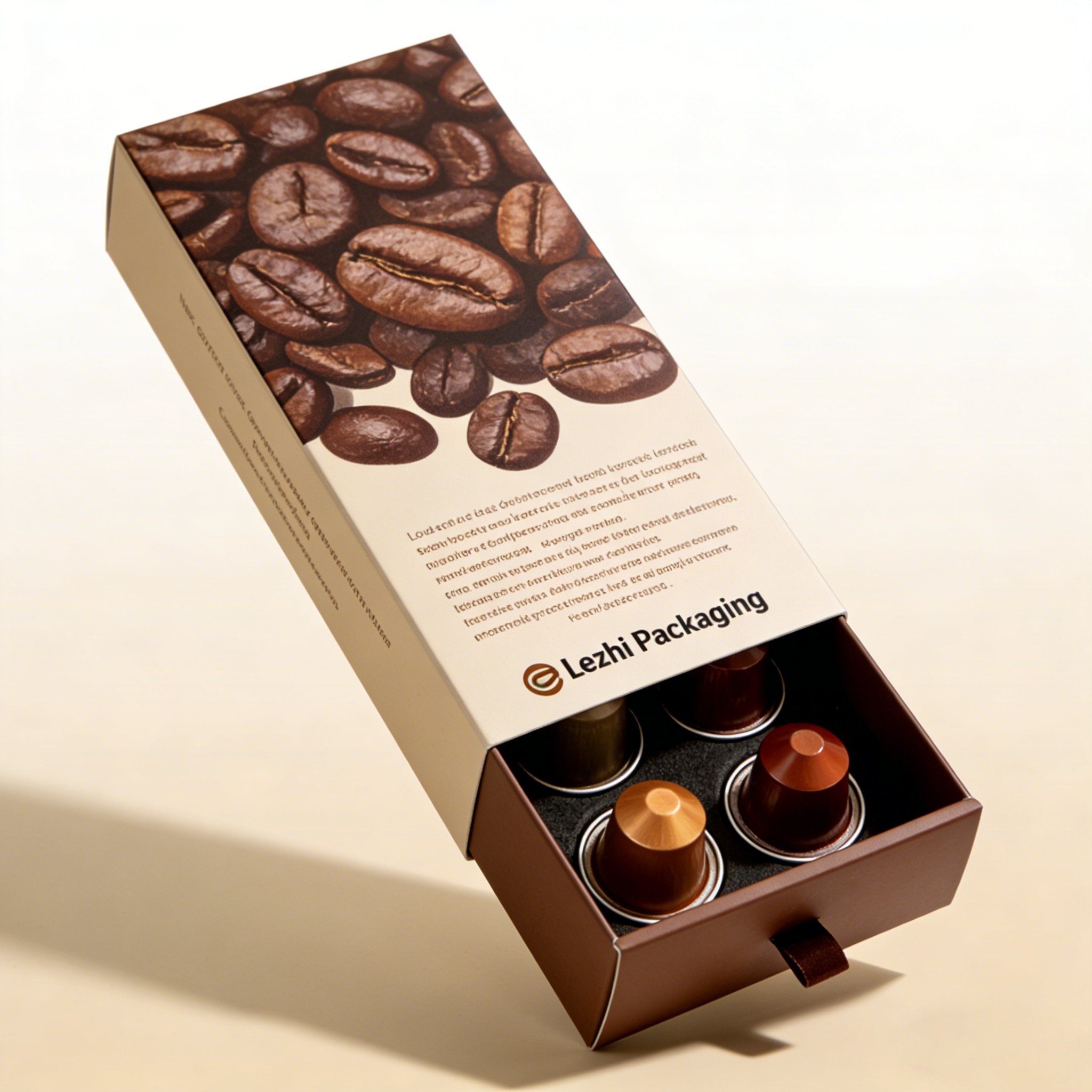
Custom Digital Printing Packaging Coffee Box Recyclable Coffee Capsule Paper Box
Digital-printed small-lot runs suit launch kits, palette refill pans, and beauty trial campaigns.
View product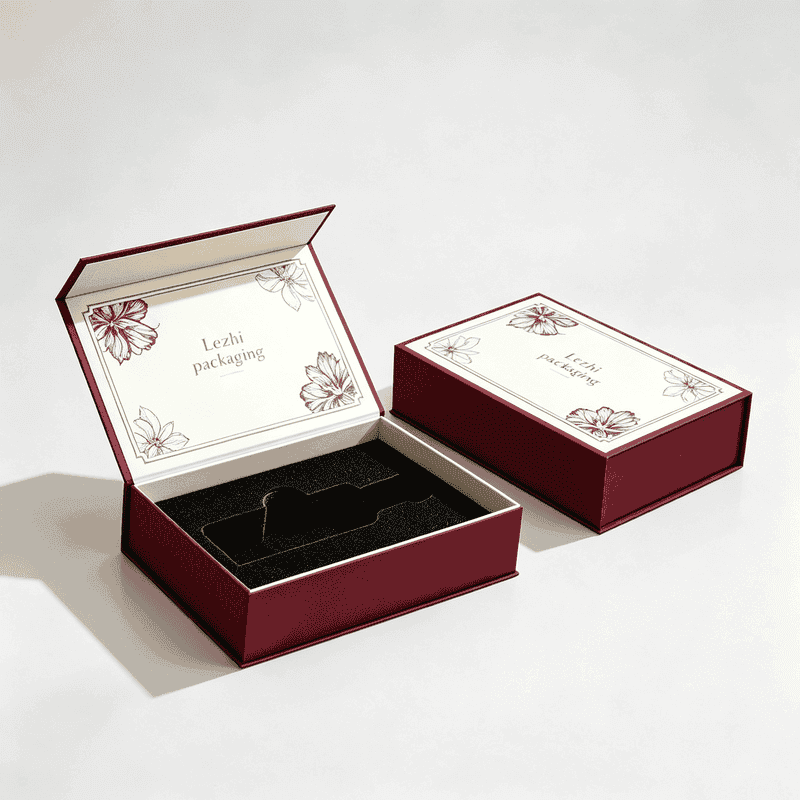
Liquor Gift Box Custom Logo Luxury Matt Black Rigid Cardboard Unique Whiskey Gift Box Foldable Magnetic Box
The closest reference for a premium magnetic makeup palette presentation box with hidden magnet closure.
View product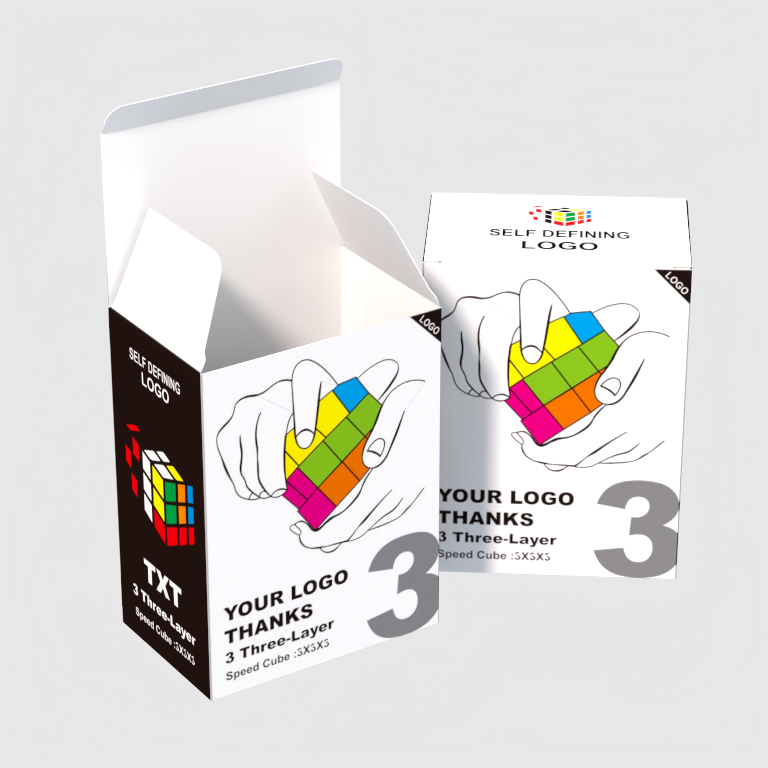
Custom Kid 's Cube Folding Box Children's Toy 3d Puzzle Paper Packaging Box
Folding mechanics can be adapted for interactive beauty gift sets, subscription boxes, and shelf displays.
View product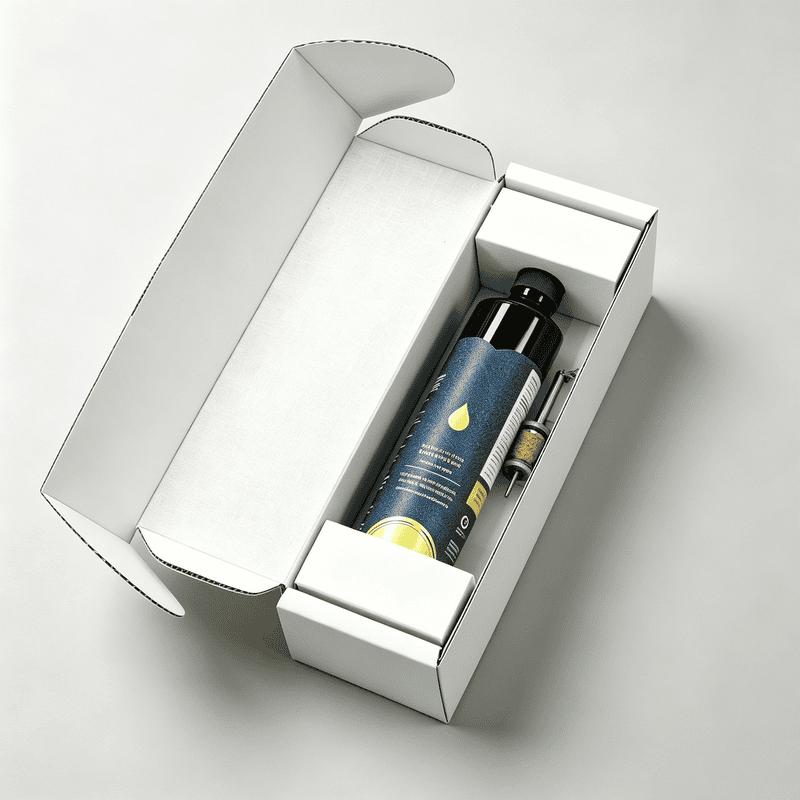
Custom Food-Grade Square Paperboard Gift Box Gold Foil Embossing Stamping Biodegradable for Olive Oil Gourmet
Demonstrates food-grade board, gold-foil stamping, and embossing for luxury cosmetic gift sets.
View product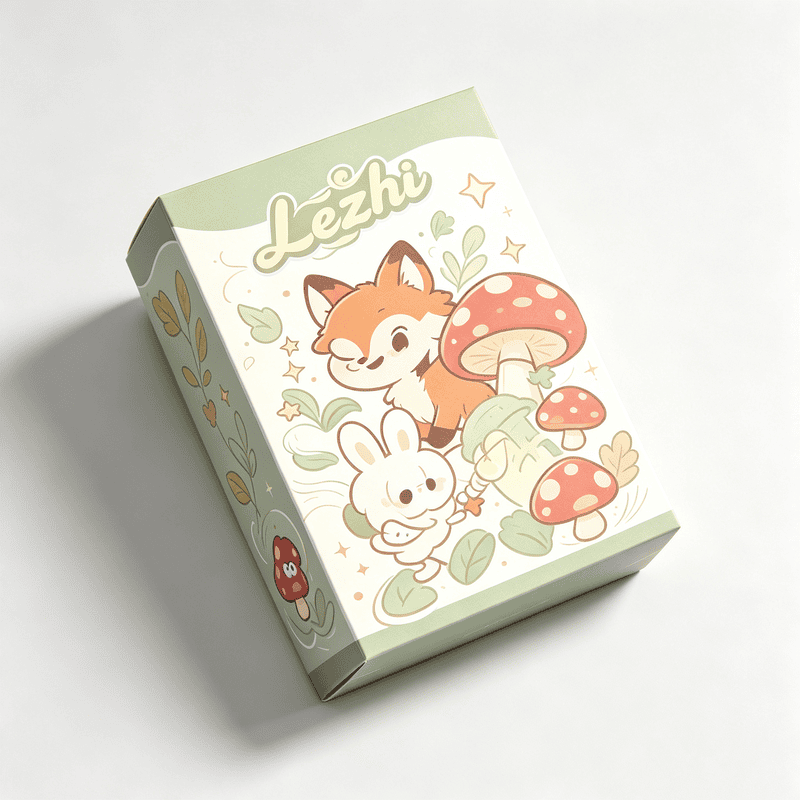
China Factory Manufacturer Printing Large Cereal Box Custom Printing Hoodies Packaging Custom Cereal Box
Large-format retail box capability supports display cartons, gift-with-purchase sets, and export packing.
View productNeed a magnetic makeup palette case not listed above? Send your target size, pan layout, closure requirement, and artwork status for a tailored recommendation.
A China Supplier That Gives Procurement Teams Evidence, Not Just Promises
Yiwu Jersey Packaging Co., Ltd. is a manufacturer and trading company based in Zhejiang, China. Our business type, staff, and production capabilities have been verified onsite by SGS Group. For overseas buyers sourcing magnetic makeup palettes and beauty packaging, that matters because the supplier is not asking you to rely only on a website or a sales claim.
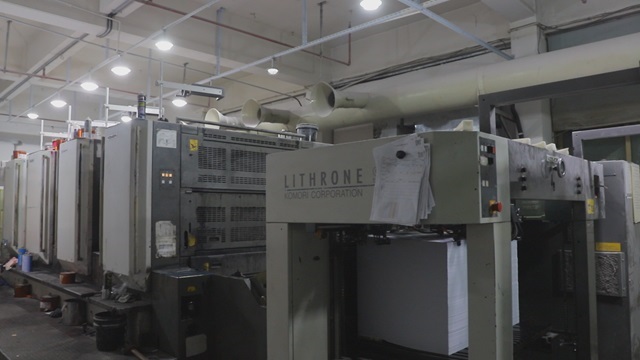
Our team of 38 staff includes export specialists who turn brand briefs into production-ready dielines, proofs, and finished packaging. Printing, die-cutting, box forming, and inspection are managed in one workflow, which reduces hand-offs, tightens color consistency, and creates a clearer approval path before mass production.
- Sample-based customization
- Design-based customization
- Logo and graphic customization
- Full structural customization
- On-site material inspection
- Export documentation support
What Procurement Teams Should Demand From a Magnetic Makeup Palettes Supplier
Price per piece is only one part of the landed-cost equation. A reliable China magnetic makeup palettes exporter should also prove material consistency, closure performance, artwork control, regulatory awareness, and export readiness.
Magnetic makeup palettes combine several risk areas in one product: a decorated outer shell, a durable hinge, a magnet closure, a mirror, a pan tray, and often a secondary gift box or e-commerce carton. When these elements are sourced separately, tolerance drift appears quickly. The palette may close with a visible gap, the mirror may sit unevenly, the pans may shift during transit, or the outer print may not match the refill carton. A supplier with one coordinated workflow can identify those conflicts before tooling and before PO approval.
The strongest procurement approach is to ask for evidence in layers. First, verify the legal entity and factory status. Second, confirm material and finish samples. Third, request a pre-production sample that matches the final construction, not just a digital mockup. Fourth, define inspection criteria before bulk production: magnet pull force, hinge operation, surface appearance, print color, insert fit, drop performance, and packaging configuration. Fifth, require final photos and packing list confirmation before balance payment.
For buyers comparing Chinese suppliers, the practical advantage of working with an SGS onsite-verified manufacturer and trading company is accountability across both production and export. The supplier can discuss board grade, lamination, foil stamping, insert tooling, and carton cube utilization in the same conversation. That reduces the common gap between a low quotation and a shipment that fails retail compliance or arrives with avoidable damage.
Palette and Packaging Specification Matrix
Use this table to structure your RFQ. It helps separate a cosmetic palette supplier that only quotes a price from one that understands the full product and packaging system.
| Specification Area | Buyer Options to Define | Quality or Procurement Note |
|---|---|---|
| Palette housing | Rigid greyboard wrapped with paper, paper-based case, PCR plastic, aluminum, or bamboo-look construction | Confirm drop, hinge, and surface wear requirements before choosing a material; paper-based formats need edge protection. |
| Magnetic closure | Visible or hidden magnet, single or dual magnet, closure tension, polarity, and magnet retention method | Ask for closure feel and a simple pull-force check; also plan for magnet separation where recycling is a priority. |
| Refill pan system | Round, square, rectangular, or mixed pan layout; removable tray; finger notch; brush compartment | Approve a loaded sample with your actual pans or weighted dummies to verify fit and transit retention. |
| Mirror and insert | Glass or acrylic mirror, full-lid or partial mirror, EVA foam, paperboard, molded pulp, or plastic-free insert | Mirror edge protection and insert compression matter more than appearance alone; test after a carton drop. |
| Print and finishing | CMYK, Pantone, digital print, hot foil stamping, embossing, debossing, spot UV, matte or soft-touch lamination | Request a physical proof for soft-touch, foil, and dark colors; these finishes can reveal scuffs and color shift. |
| Retail packaging | Magnetic rigid gift box, folding carton, drawer box, sleeve, mailer, barcode label, FBA preparation | Check barcode placement, carton strength, and cube utilization together; packaging that is too large raises freight cost. |
| Compliance and documentation | FSC paper option, material declaration, REACH or Prop 65 questions, heavy-metal limits, packaging tests | Define the target market first. EU, US, and marketplace requirements can change labels, materials, and testing needs. |
A good RFQ includes dimensions, target quantity, artwork status, fill weight, pan layout, shipping method, destination country, and required sample date.
Three Palette Programs Buyers Can Build With One Supplier
Different sales channels need different packaging logic. Matching structure to the channel avoids over-packaging, protects margin, and keeps the unboxing experience consistent with the brand.
Launch Kit for Premium Retail
Use a rigid magnetic presentation box with a mirror lid, fitted pan tray, and EVA or paperboard insert. Add hot foil, embossing, and a soft-touch finish for department-store or influencer launch kits. Specify a matching outer carton and barcode placement early.
Travel and Refill Palette
Use a slimmer magnetic case, compact mirror, and removable pan tray. Focus on hinge life, magnet strength, and spill resistance. A folding or drawer-style secondary carton can reduce freight volume for e-commerce and subscription replenishment.
Eco Gift Set and Holiday Edition
Use FSC-certified paper options, recyclable board, paper inserts, and a mono-material outer box where feasible. Keep decorative elements separable for recycling. This format suits holiday sets, loyalty gifts, and brands making a public sustainability claim.
2025–2030 Procurement Trends in Magnetic Makeup Palettes
Buying behavior is moving away from single-quotation sourcing. Beauty brands and distributors now compare suppliers on total landed cost, responsiveness, audit evidence, and the ability to support shorter product cycles.
Audit Evidence Before Price
Procurement teams increasingly request SGS status, certificates, material declarations, and factory photos before discussing target price. A supplier that can answer with documents moves faster than one that only sends a catalog.
Lower MOQ, Faster Tests
Beauty brands want to test colors, influencer kits, and regional campaigns without committing to oversized inventory. Low-MOQ programs from 100 to 200 pieces help validate demand before a larger seasonal PO.
Digital Print for SKU Variety
Digital printing makes short runs, localized artwork, and limited-edition palettes more practical. Buyers can test multiple color stories or retailer exclusives without the minimum-order burden of conventional plate printing.
FSC and Plastic-Free Requests
FSC-certified paper, recyclable board, soy-based inks on request, and paper inserts are becoming normal RFQ items. For magnetic palettes, buyers also ask how magnets, mirrors, and plastic pans can be separated at end of life.
Dual-Source but Single Standard
Many buyers keep a China supplier for scale and add regional assembly or decorating partners. The winning approach is to lock a single specification standard, then adapt cartons and labeling for each market.
Marketplace-Ready Packaging
Amazon, TikTok Shop, and DTC brands need barcode placement, drop-tested cartons, and efficient cube utilization. Suppliers that understand FBA preparation reduce the risk of delayed inbound shipments and damaged returns.
Product Development Trends to Specify Before Tooling
Magnetic makeup palettes are becoming thinner, more refillable, and more brand-specific. These trends should be discussed at the concept stage because they affect material choice, tooling, testing, and packaging size.
Refillable Magnetic Pan Systems
Consumers increasingly expect palettes that can be refilled rather than discarded. A removable pan tray, clear labeling, and a magnet layout that accepts replacement pans can extend product life. Buyers should test pan removal force and ensure that refill instructions are printed on-pack or inside the lid.
Slim Profiles With Stronger Closure Control
Travel-friendly palettes are moving toward thinner cases without sacrificing closure feel. A thinner wall can reduce stiffness, so the supplier must balance board or shell thickness, hinge geometry, and magnet placement. Request a loaded sample, not an empty case, because the weight of pans changes the opening experience.
Mono-Material and Easier Recycling
Paper-based palette cases appeal to eco-conscious brands, but they need edge protection and moisture resistance. When plastic is necessary, mono-material designs and separable magnets or mirrors make end-of-life instructions clearer. Avoid mixing foil directly into paper recycling streams when a simpler decoration can achieve the same look.
Cleanability and Spill Resistance
Soft-touch lamination feels premium but can attract fingerprints and powder residue. Matte lamination, spot UV, or a wipeable coating may be more practical for daily-use palettes. Test the surface with the actual formula and cleaning method before approving bulk production.
Mirror, Brush, and Applicator Integration
Larger mirrors and brush compartments improve perceived value, but they add weight and thickness. Define the mirror fixing method, adhesive type, and drop requirement early. A paperboard insert that holds brushes securely can replace plastic while still protecting the product in transit.
Personalization and Limited Editions
Short-run artwork, foil names, and region-specific cartons are becoming easier to execute. Brands can use a single structural palette and vary the outer print, sleeve, or gift box for different markets. This reduces tooling duplication while keeping the launch calendar flexible.
Quality Evidence and Export Checks Before You Approve a PO
Use this checklist during supplier qualification. The answers should be documented, not only discussed in a chat window.
| Evidence Item | Why It Matters | What to Request |
|---|---|---|
| Onsite verification | Reduces the risk of working with an unverified intermediary and clarifies whether production is controlled. | SGS verification details, company profile, factory video, and a live video call during production season. |
| Material responsibility | Supports retail, marketplace, and regional sustainability requirements. | FSC options, material declarations, recyclable board grades, and insert material details. |
| Sample control | Prevents bulk production from starting on an unapproved construction or color. | Dieline, digital proof, physical pre-production sample, and signed approval record. |
| Incoming inspection | Catches board, paper, magnet, mirror, and insert issues before production. | Material inspection records and a clear process for rejected components. |
| Final inspection | Protects against short shipments, visible defects, and carton labeling errors. | Pre-shipment photos, quantity check, packing list, carton marks, and inspection criteria. |
| Export readiness | Reduces friction from document errors, packaging damage, and shipment delays. | Export carton specification, barcode placement, packing method, destination, and Incoterm. |


Common Questions About Buying Magnetic Makeup Palettes From China
These are the questions buyers ask most often during supplier selection. Clear answers at the RFQ stage usually shorten the path from concept to sample approval.
What is the minimum order quantity for custom magnetic makeup palettes or packaging?
Most custom styles start from 200 pieces, while simple folding structures can start from 100 pieces. The exact MOQ depends on size, board grade, magnet configuration, insert tooling, printing, and finishing. Send your target quantity and we will recommend the most cost-efficient construction.
Can you make samples before bulk production?
Yes. We support sample-based, design-based, logo and graphic, and full structural customization. A digital proof or physical sample is approved by the buyer before mass production starts, so the closure feel, print color, and insert fit are reviewed early.
Are eco-friendly materials available?
We can supply FSC-certified paper options, recyclable kraft and paperboard, soy-based inks on request, and plastic-free paper inserts. For palettes, it is also important to discuss how magnets, mirrors, and pans can be separated or identified for end-of-life handling.
Is Yiwu Jersey Packaging a factory or a trading company?
Both. We are a manufacturer and trading company, verified onsite by SGS Group. This combines production control with export service, documentation support, and communication for overseas buyers.
Which printing and finishing options are available?
Options include CMYK and Pantone offset printing, digital printing, hot foil stamping, embossing and debossing, spot UV, gloss, matte, and soft-touch lamination, plus EVA, foam, and paperboard inserts. The best finish depends on artwork, handling, and target channel.
Can you support export packaging, barcodes, and marketplace fulfilment?
Yes. We can discuss export cartons, inner packing, barcode placement, and carton marks for your destination. For Amazon and DTC channels, buyers should share FBA or warehouse requirements before quotation so the packaging and carton cube are designed correctly.
Request a Magnetic Makeup Palette Quote
Send your palette dimensions, pan layout, mirror requirement, target quantity, artwork status, and destination market. Our team will advise on structure, materials, finishing, sampling, and export packing.