Featured Custom Paper Packaging Products
Use these eight reference styles as a technical shortlist, not a look-alike catalog. Each project can be re-engineered for your product dimensions, board grade, insert fit, artwork and destination-market requirements.

Custom logo Luxury Cardboard Empty Print Cardboard Olive Oil Packaging Gift Boxes for Olive Oil Bottles
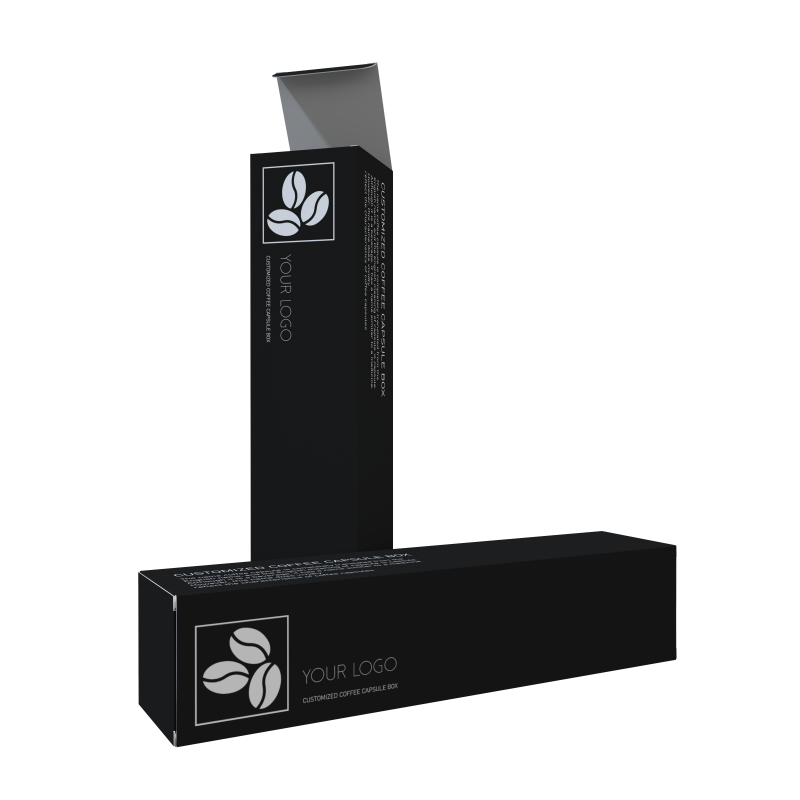
Custom High Quality Cardboard Paper Coffee Capsules Coffee Pod K Pack Packaging Box

Food Grade Sliding Drawer Box Custom Takeaway Rectangle Pull Out Pizza Paper Box Fast Food Hand-held Pizza Packaging Box
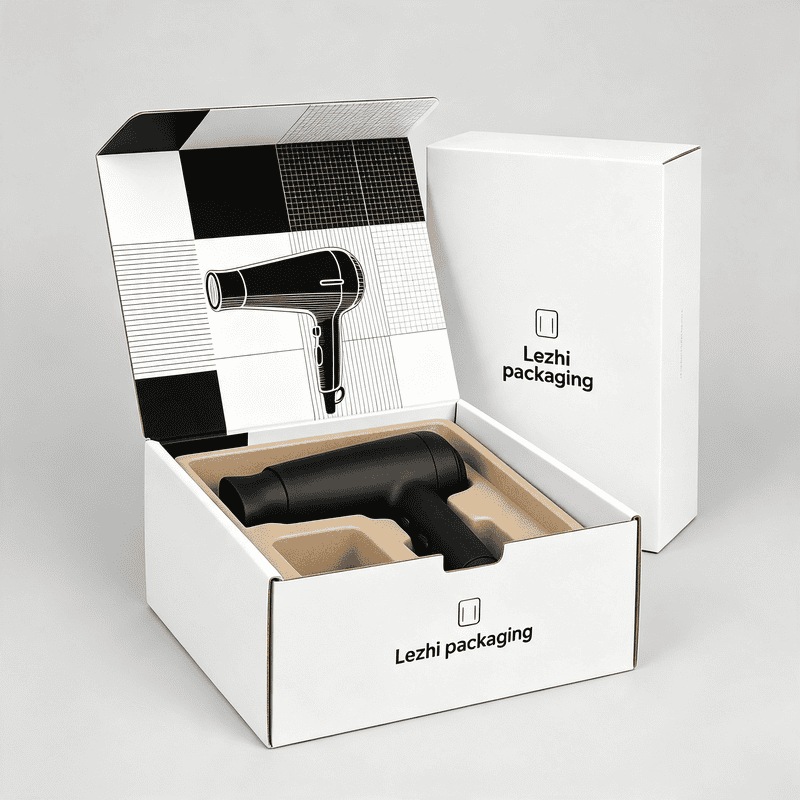
Custom Logo Appliances Magnetic Gift Box EVA Foam Insert Packaging Box for Hair Dryer Luxury Salon Tool Packing Boxes Cardboard
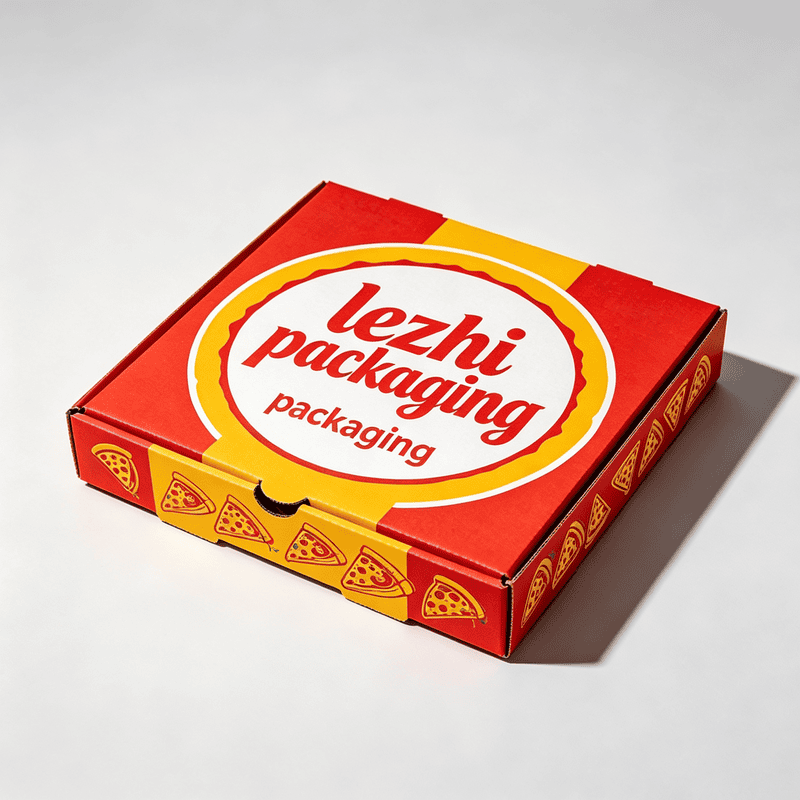
Disposable Takeaway Pizza Packaging Box Custom Logo Printing Pizza Packaging Boxes Food Grade Snake Paper Box
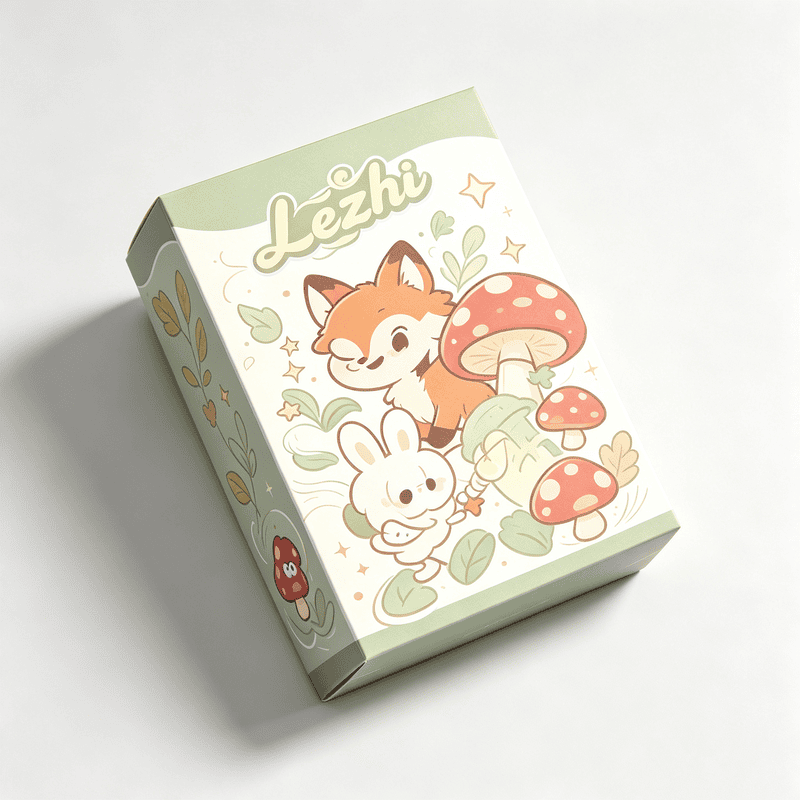
China Factory Manufacturer Printing Large Cereal Box Custom Printing Hoodies Packaging Custom Cereal Box
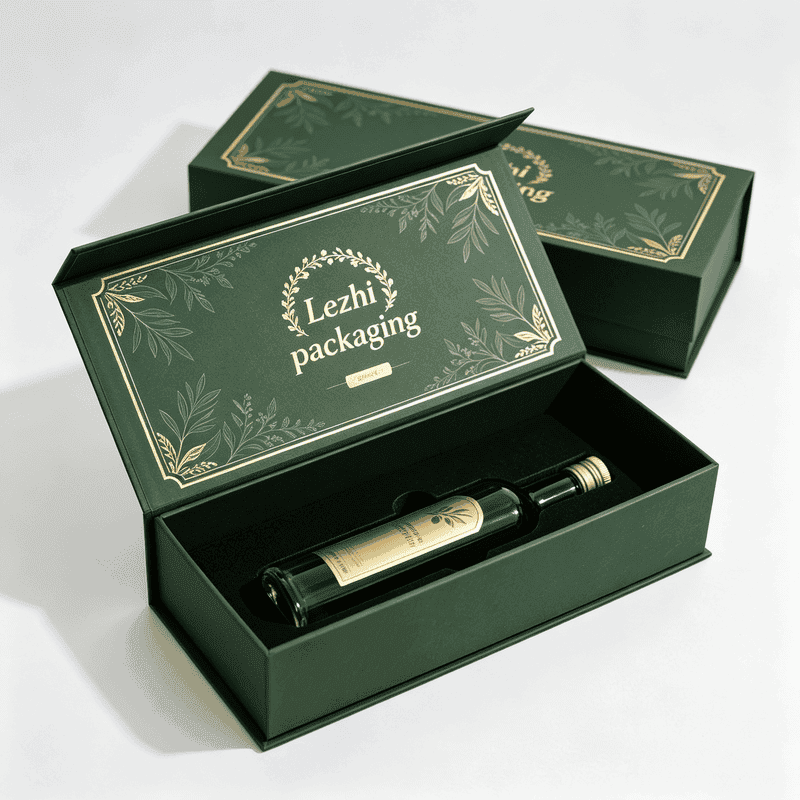
Manufacture Customized Printing Luxury Whiskey Glass Storage Box Cardboard Premium Packaging Gift Wine Box with logo
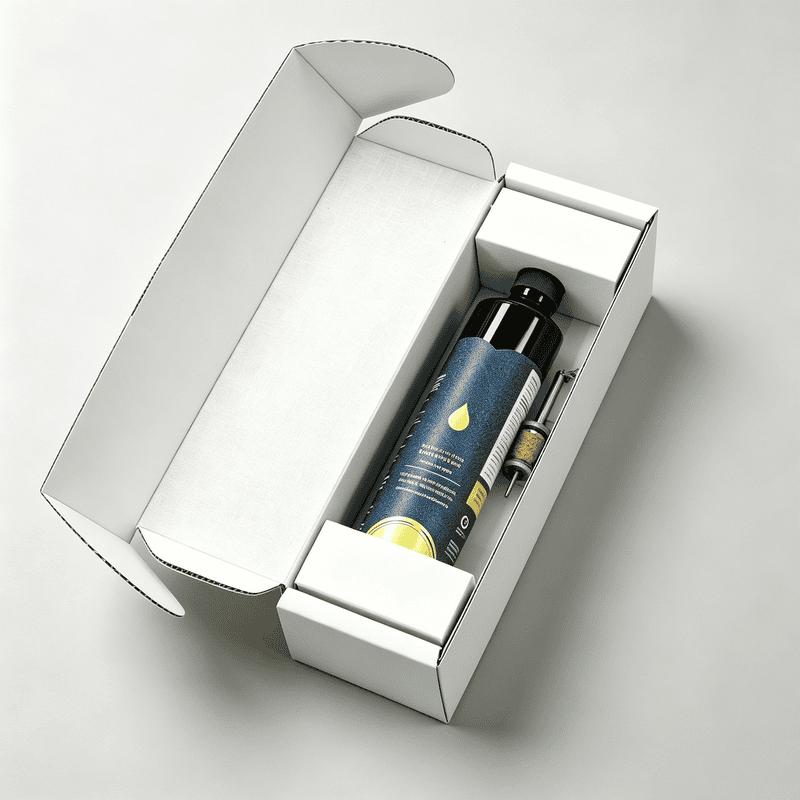
Custom Food-Grade Square Paperboard Gift Box Gold Foil Embossing Stamping Biodegradable for Olive Oil Gourmet
Why Global Buyers Shortlist Yiwu Jersey Packaging
Serious packaging sourcing is less about finding a low unit price and more about reducing uncertainty: material compliance, structural fit, color consistency, insert protection, and shipment readiness.
SGS Onsite-Verified Supplier
Yiwu Jersey Packaging Co., Ltd. is verified onsite by SGS Group, giving overseas buyers third-party evidence of business type, staff and production capability before a sample order.
FSC & Eco Material Options
FSC-certified paper, recyclable kraft and paperboard, soy-based inks on request, and plastic-free paper inserts help brands align packaging with retailer and market expectations.
Low MOQ From 100 Pcs
Simple folding styles can start near 100 pieces; most custom rigid, magnetic and printed boxes start around 200 pieces. This supports SKU tests before scaling.
Four Customization Modes
Sample-based, design-based, minor logo and graphic customization, or full structural customization — matched to your product, timeline and artwork readiness.
Factory & Trading Integration
In-house production control is paired with export coordination, so printing, die-cutting, box forming, inspection and shipping documents stay within one accountable workflow.
Export-Ready Communication
English-speaking export specialists review artwork, confirm dielines, coordinate inspections and support sea, air and express shipments for brand owners and marketplace sellers.
Choosing the Right Paper Box Structure
An attractive mockup is not a manufacturing plan. The most reliable RFQ begins with product weight, fragility, shipping method, retail channel, artwork, and the unboxing moment you want to create.
| Box Format | Typical Construction | Best Product Fit | Procurement Notes |
|---|---|---|---|
| Magnetic Rigid Box | Greyboard core wrapped in art or specialty paper, hidden magnets, customized insert | Beauty devices, electronics, salon tools, premium gift sets | Specify board thickness, magnet pull, insert material and drop-test expectation; EVA or foam adds protection but affects freight volume. |
| Foldable Magnetic Box | Rigid panels with folding hinge, shipped flat for assembly at destination | E-commerce brands, subscription sets, gift kits | Confirm hinge fatigue, assembly instructions and corner protection; flat shipping can reduce dimensional weight but requires careful packing. |
| Drawer / Sleeve & Tray | Rigid or paperboard tray inside a sliding sleeve, optional ribbon pull | Jewelry, chocolate, candles, tea, small gifts | Test sliding friction, pull strength and tray clearance; paper dividers can replace plastic fitments in many projects. |
| Folding Carton | Coated paperboard with tuck-end, auto-lock bottom or crash-lock base | Coffee pods, supplements, cosmetics, retail shelf products | Verify food-contact board where required, print registration, barcode quiet zones and retailer shelf dimensions. |
| Kraft Paper Box | Natural kraft board, simplified print, recyclable construction | Eco brands, bakery, handmade goods, seasonal gifting | Kraft absorbency changes print appearance; request a proof and confirm whether virgin, recycled or FSC-certified paper is required. |
| Corrugated Mailer | E-flute or B-flute corrugated board with inside/outside printing | DTC shipping, apparel, subscription boxes, marketplace orders | Use right-size dimensions to reduce dimensional weight; choose tear strips and corner protection based on courier handling. |
Material direction: greyboard for premium rigidity, food-grade paperboard for direct or near-food use, kraft for a natural recycled-fiber story, and E-flute corrugated for transit protection. Ask for a dieline and physical sample before committing to bulk production.
Paper Packaging Procurement Trends Buyers Are Planning For
Packaging RFQs are becoming more technical. Buyers increasingly request compliance evidence, lower trial quantities, e-commerce-ready geometry and market-specific versions before they approve a long production run.
Compliance-Led Material Choices
Retailer packaging scorecards, extended producer responsibility fees and the EU PPWR discussion are pushing brands toward recyclable paper, mono-material construction and plastic-free inserts. Request documentation before artwork lock.
Low-MOQ Trials Before Scale
DTC and marketplace sellers often validate a new SKU with 100–200 boxes, test unboxing and courier performance, then reorder. A supplier that can hold dielines and repeat finish standards becomes more valuable than a one-time low quote.
E-Commerce & FBA-Ready Geometry
Right-size cartons, flat-ship magnetic designs and stronger corner protection reduce dimensional weight and damage claims. For Amazon and DTC orders, packaging must perform in the warehouse as well as on camera.
Market-Specific Versioning
Brands need smaller order increments for language variants, seasonal promotions and retail exclusives. Digital print and disciplined dieline management make short-run versioning more practical without rebuilding the box structure.
The bars above are an illustrative procurement prioritisation framework, not a market statistic. They help specifiers discuss trade-offs; final requirements should follow your retailer, marketplace and destination-market rules.
What the Next Generation of Paper Boxes Will Look Like
The strongest packaging concepts combine material reduction with better product protection. The goal is not simply “less packaging”; it is a structure that uses fewer materials while preserving shelf presence, transit safety and brand experience.
Mono-Material and Easier Separation
Designers are replacing mixed-material laminates and plastic windows with paper-based alternatives where possible. When plastic or foam is still needed, the insert is increasingly designed for easy removal so consumers can separate components before recycling. FSC-certified paper options and paperboard fitments can support this direction without weakening the structural story.
Paper Fitments Replacing Foam
Molded pulp, folded paperboard cradles and die-cut corrugated inserts are maturing quickly. They are not automatically a drop-in replacement for EVA tooling: engineers must check clamping force, surface contact, abrasion risk and drop performance. The best results often come from combining a rigid outer box with a carefully tested paperboard inner tray.
Digital Print and Late-Stage Customization
Digital printing shortens the path from artwork approval to a saleable carton and reduces the penalty for version changes. For brands testing multiple markets, packaging can be printed in smaller batches and coordinated with insert labels or stickers. On longer runs, offset CMYK and Pantone remain cost-effective when color consistency is a priority.
How We Reduce Packaging Risk Before Bulk Production
Our working rule is simple: no mass production starts before written proof approval. That proof is more than a pretty image. It confirms the dieline, paperboard, print method, finishing, insert fit, barcode area and packing method. For food-adjacent projects, the board and ink system are matched to the declared contact scenario; for premium retail, we review shelf presence, foil adhesion, magnet alignment and box squareness.
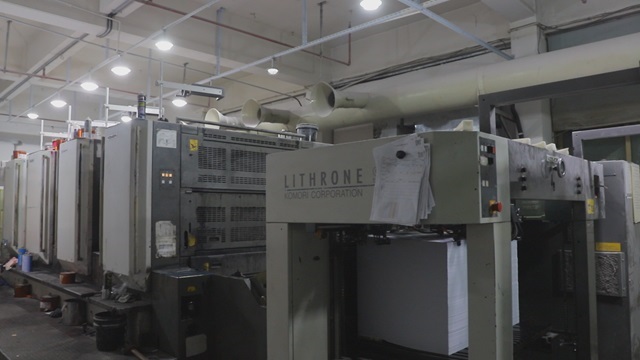
Because Yiwu Jersey Packaging operates as both manufacturer and trading company, the hand-off between production and export is controlled by the same team. Incoming materials are inspected, in-line QC checks print registration and lamination, and final photos are available before balance payment so remote buyers can review cartons, labels and palletization. This is especially useful for buyers sourcing from North America, Europe, the Middle East and Asia-Pacific without visiting Zhejiang.
Company address: 518 Chouzhou Building, Cross-border Park, Jinhua, Zhejiang, China. Email: info@jerseypackage.com. Buyers can also review the company profile and factory video before requesting a sample.


From Brief to Bulk Delivery in Six Steps
A transparent process keeps expectations aligned with production reality. Each stage creates a checkpoint for the buyer, the designer and the factory.
Consultation
Share product size, weight, quantity, destination market and target shelf or marketplace channel. We advise on structure and material direction.
Specification Review
Confirm board grade, print method, finishing, insert material and packing method. Surface trade-offs such as soft-touch versus recyclability early.
Dieline & Proof
Approve the dieline, artwork proof or physical sample. Check text, barcode placement, color references and product fit before production.
Deposit & Scheduling
Once the proof is signed off, a deposit locks materials and production scheduling. Any later artwork change may affect timing and cost.
Production & QC
Printing, lamination, foil stamping, die-cutting, box forming and in-line inspection are coordinated with material checks and final visual review.
Balance, Packing & Shipment
Final photos confirm the goods before balance payment. Export packing, labels, carton marks and shipping documents are prepared for delivery.
Common Procurement Questions About Custom Paper Packaging
These are the questions that most often appear before a sample order. If your project has a specific retailer requirement or transit test, include it in the first brief.
What is the minimum order quantity for custom paper boxes?
Can you make samples before bulk production?
Are your packaging materials eco-friendly?
Is Yiwu Jersey Packaging a factory or a trading company?
Which printing and finishing options are available?
How should I prepare artwork and what happens after inquiry?
Request a Custom Packaging Catalog and Dieline Review
Send your box style, product dimensions, target quantity, artwork status and destination market. Our packaging team will reply with structure advice, material options and a production plan tailored to your product — from low-MOQ trials to repeat retail programs.