8 Window Gift Box Product Formats Recommended for 2025–2026
The strongest sourcing brief starts with a reference structure. These eight export-catalogue products reflect formats frequently requested by buyers building custom window gift box programs: corrugated mailers, rigid magnetic gift boxes, food packaging, coffee capsule cartons, pizza takeaway boxes, and beauty packaging with PET windows. Each can be reviewed for a die-cut window, PET or rPET film, printed insert, and FSC paper options. Original product URLs are preserved exactly where available.
 Subscription
Custom Printed Corrugated Mailer Box for Skincare Subscriptions
Roll-end tuck-front corrugated mailer for skincare sets. Add a die-cut window and recycled PET film to show bottles, jars, or travel kits while keeping e-commerce compression strength.
View product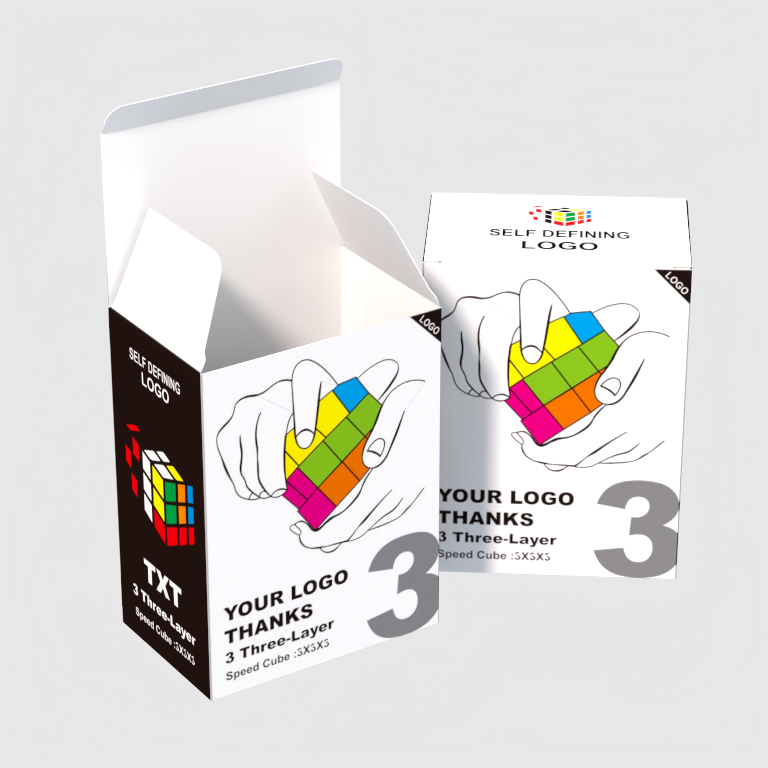 Toy & Puzzle
Custom Kids Cube Folding 3D Puzzle Paper Box
A folding cube box for children's 3D puzzles and educational toys. A window-ready front panel lets buyers preview colors and shapes, with low-MOQ retail tests available.
View product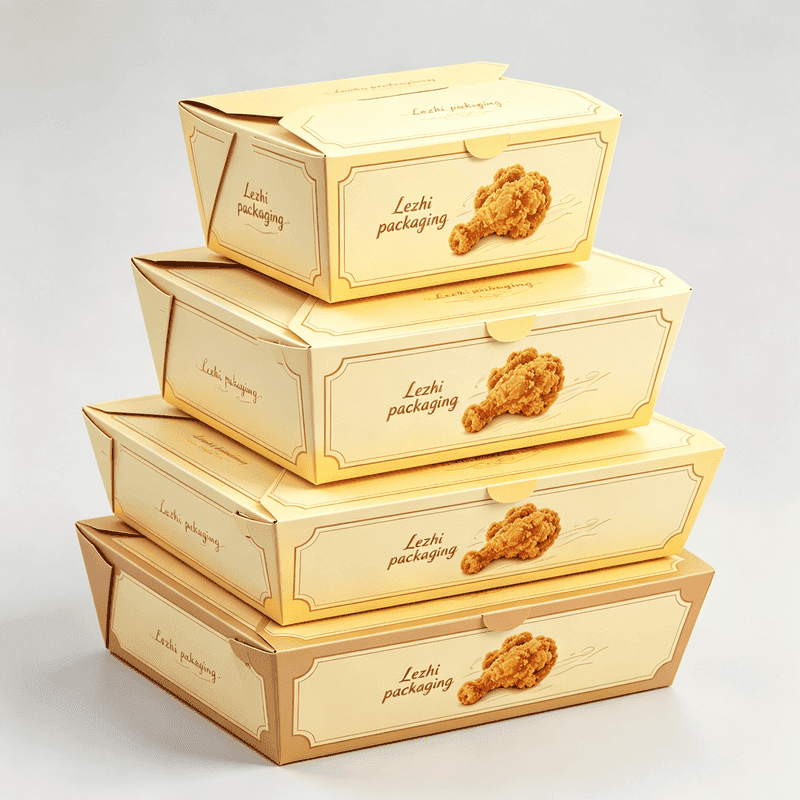 Food Service
Custom Kraft Fast Food Box for Fried Chicken & Fries
Kraft fast-food box for fried chicken, fries, and burgers. Grease-resistant board and an optional clear window support takeaway branding and quick product recognition.
View product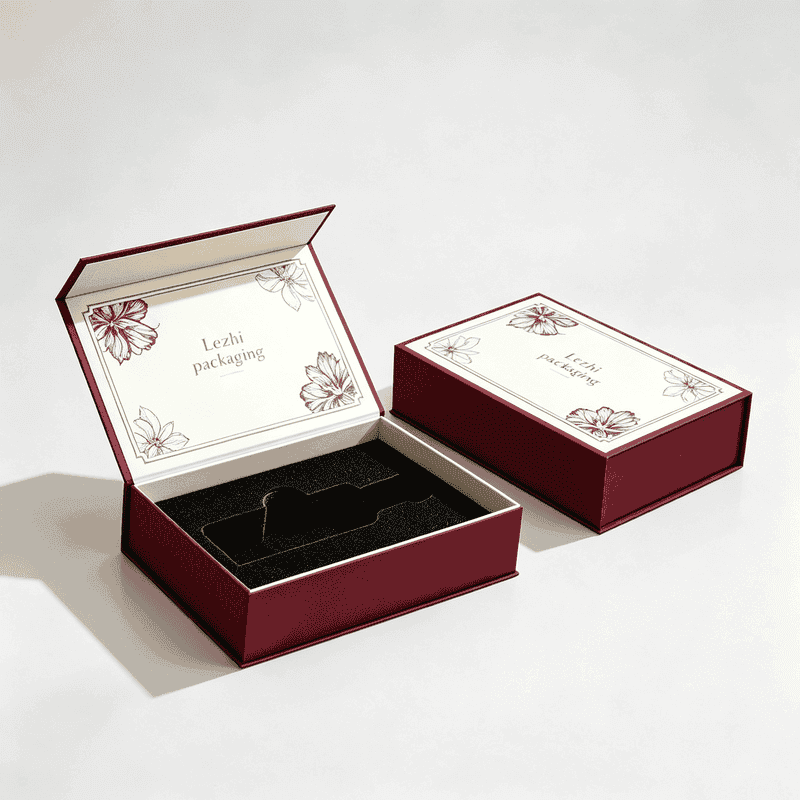 Premium Spirits
Luxury Matte Black Magnetic Whiskey Gift Box
Rigid magnetic gift box for whiskey sets and premium spirits. A windowed sleeve or acetate lid can reveal glassware while retaining the tactile luxury of a matte rigid shell.
View product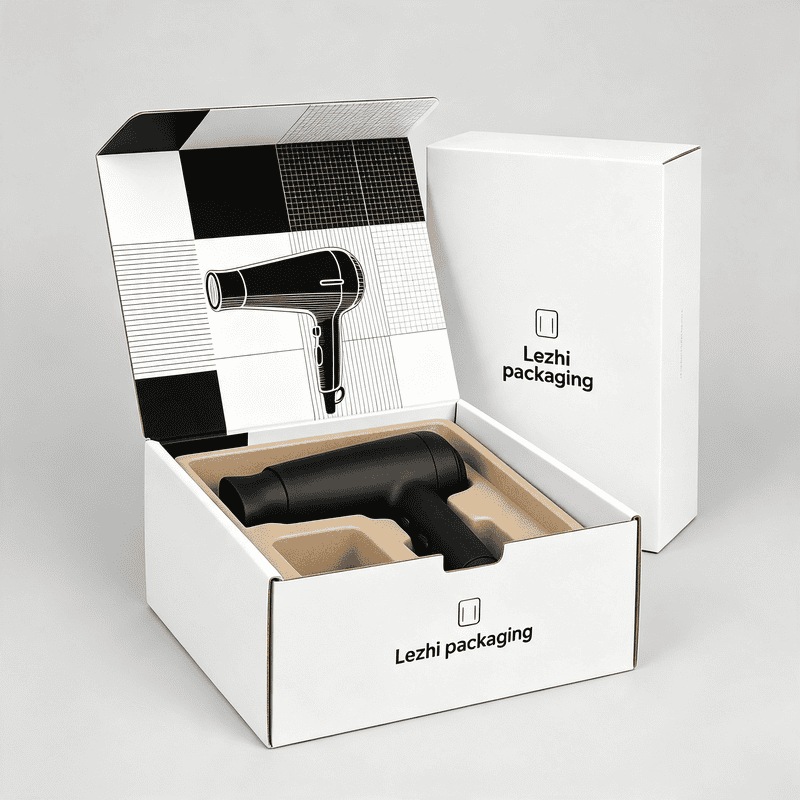 Beauty Appliance
Magnetic Gift Box with EVA Insert for Hair Dryer
Magnetic rigid box with EVA foam insert for hair dryers and salon tools. A custom window or cut-out display can highlight the product silhouette while protecting accessories.
View product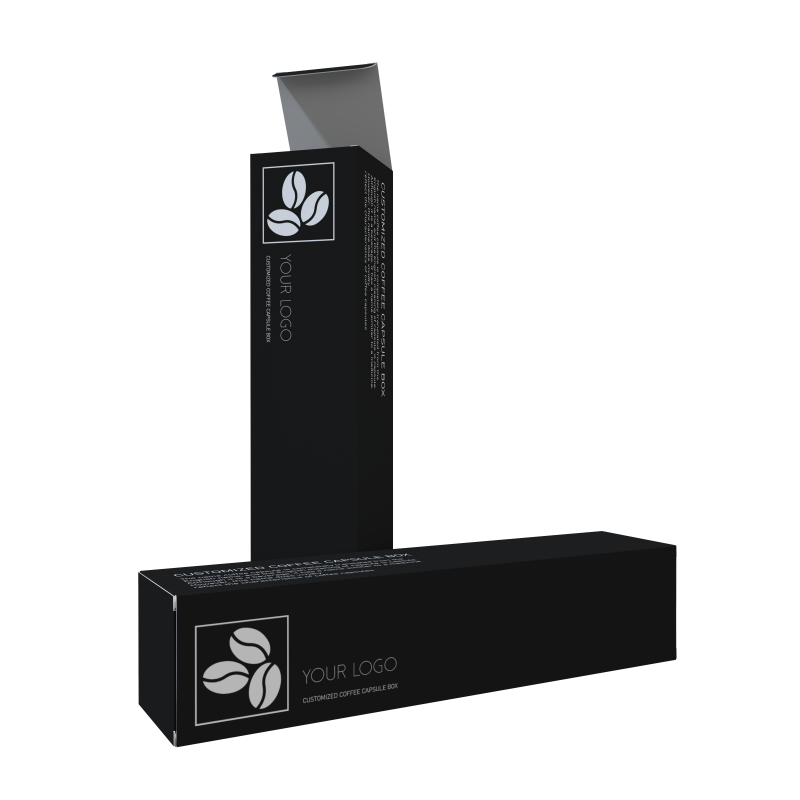 Coffee
Custom Cardboard Coffee Capsule & K-Pod Packaging Box
Cardboard capsule box for K-cup pods and coffee subscriptions. Window carton options help shoppers see flavor variety and support replenishment packaging.
View product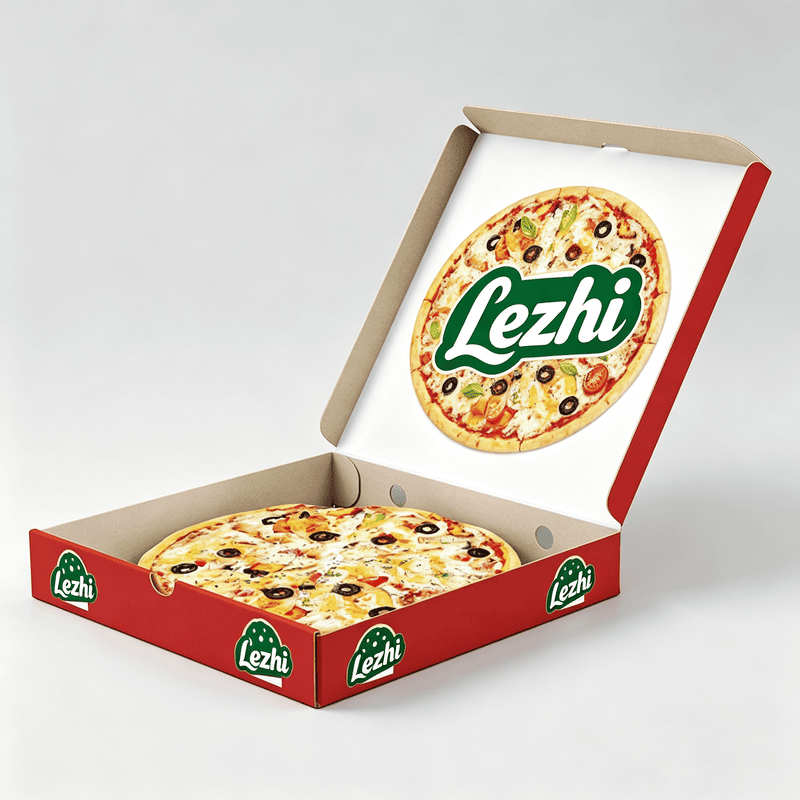 Pizza & Bakery
Wholesale Pizza Box for Bakery & Takeaway
Pizza box in 8–16 inch formats. Printed kraft board, vented panels, and an optional window can balance takeaway visibility with heat and moisture control.
View product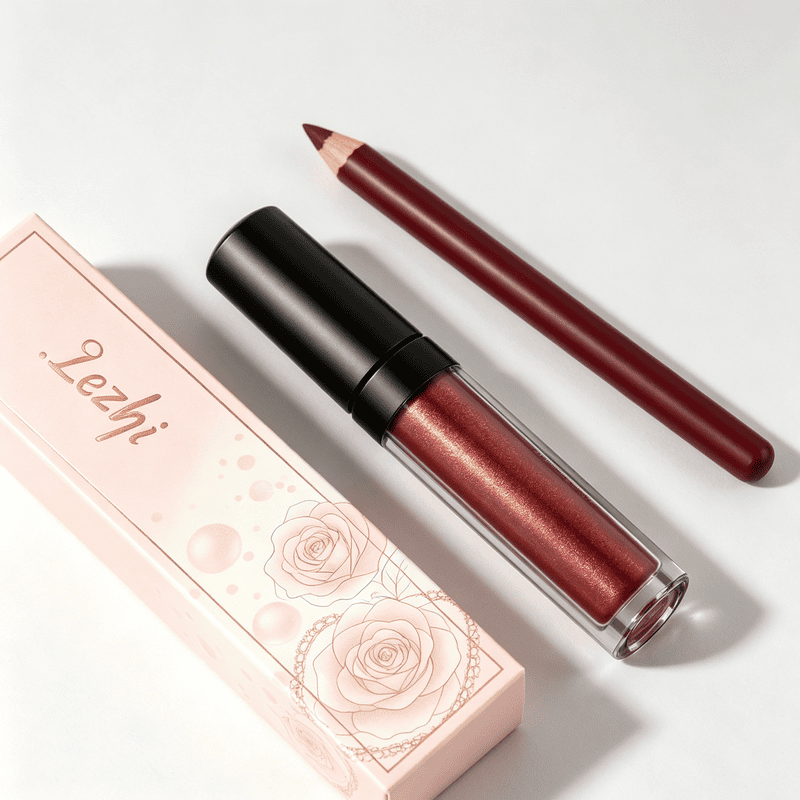 Cosmetic Tool
Makeup Brush Packaging Box with PET Window
Textured paperboard makeup brush box with PET window and insert. A strong reference for beauty brands that need product visibility, protection, and premium retail shelf appeal.
View productWhat Credible China Exporters Can Prove
Window gift boxes look simple at the quotation stage, but reliability depends on audit status, in-house production control, minimum order flexibility, and export experience. The figures below reflect Jersey Packaging's published company profile and onsite verification data.
Includes export specialists managing documentation and buyer communication.
Simple folding styles can start lower; most custom boxes begin at 200 pcs.
Sample-based, design-based, minor logo, and full structural customization.
Sea, air, and express delivery for brands, distributors, and marketplace sellers.
What Is a Window Gift Box—and Why It Changes Supplier Selection
A window gift box is a paper-based gift or retail package with a die-cut opening covered by transparent film—or left as an open aperture—so the product remains visible before purchase. The format is common in skincare, cosmetics, confectionery, tea, coffee, spirits, electronics accessories, toys, and subscription kits. For buyers searching Top China Window Gift Boxes Suppliers & Exporters, the real challenge is not finding a factory that can cut a hole in a box. It is finding a supplier that can engineer the window edge, control film flatness, protect the product, pass retail compliance, and repeat the same quality across reorders.
Search intent for this category is usually commercial and specification-heavy. A brand owner may start with “custom window gift box supplier China,” then compare “PET window gift box manufacturer,” “FSC window packaging exporter,” or “low MOQ transparent gift box factory.” The pages and quotations that win are not the ones with the most superlatives. They are the ones that clarify board grade, film thickness, printing method, insert design, MOQ logic, sampling steps, and destination-market requirements.
From a product-development perspective, the window is both a marketing device and an engineering feature. It creates shelf-stop visibility, reduces the need for product photography on the pack, and supports unboxing content. However, it also introduces variables: adhesive selection, film clarity, scratch resistance, static control, humidity, and recyclability claims. A low-migration window film may be necessary for indirect food contact or cosmetics; a compostable film may support an eco claim but behave differently in high humidity. These details separate a reference sample from a production-ready program.
For procurement teams, the most useful information gain is a clear RFQ vocabulary. Specify whether the window is on the lid, sleeve, or front panel; whether the film is PET, rPET, PLA, cellulose, or PVC for industrial use; whether the window must be anti-scratch or anti-fog; and whether the box will ship in e-commerce parcels, retail shelves, or gift sets. Also state the product weight and whether an insert will transfer load away from the film. A supplier with real export experience will ask these questions before quoting.
Six specification points to lock before sampling
Board grade and rigidity
Folding cartons often use 300–400 gsm coated board; rigid gift boxes use 1.5–2.5 mm greyboard wrapped in art paper. Window openings reduce stiffness, so board grade and window size must be engineered together.
Window material clarity
PET and rPET are common for retail clarity; PLA and cellulose support compostable positioning but require humidity testing. PVC may be specified for industrial uses but is increasingly restricted by brand policies.
Low-migration adhesive
For food, coffee, tea, and cosmetics, the window adhesive and film should be reviewed for indirect contact and odor risk. Ask for material declarations rather than accepting “food grade” as a vague claim.
Insert and load transfer
EVA foam, molded pulp, paperboard, or thermoformed inserts can protect the product and prevent pressure on the film. The insert should be designed with the product weight, not added after the box is chosen.
Printing and finishing
CMYK or Pantone offset printing, digital short runs, hot foil, embossing, spot UV, and soft-touch lamination all affect window registration. Matte lamination can look premium but may scuff in transit.
Performance and compliance
Approve drop, compression, humidity, color, and film-flatness criteria before mass production. For the EU, US, or marketplaces, prepare FSC evidence, material declarations, and packaging waste data early.
Product Trends Reshaping Window Gift Boxes
The next buying cycle will reward packaging that is visually persuasive and documentation-ready. These six trends are already appearing in RFQs from beauty, food, spirits, consumer electronics, and e-commerce brands.
Mono-material and recyclable windows
Brands are asking whether the film can be easily separated from paperboard or replaced with a paper cut-out. rPET and bio-based films are growing, but the recyclability claim must match the destination market's collection reality.
FSC board with molded-fiber inserts
Plastic-free inserts made from molded pulp or folded paperboard are replacing some EVA and plastic blisters. The trade-off is usually tooling, minimum quantity, and precision for fragile products.
Low-migration clarity for food and beauty
Coffee capsules, tea, skincare, and confectionery buyers increasingly request low-odor, low-migration film and adhesive options. Suppliers must be able to document material selection rather than rely on generic assurances.
Digital short runs and seasonal versioning
Digital printing makes limited editions, regional SKUs, and subscription variants more affordable. Brands can test a window gift box design with 100–500 pieces before committing to offset volume.
Smart packaging and QR storytelling
QR codes, batch codes, and NFC tags are being integrated into gift boxes for authentication, refill instructions, and brand content. The packaging structure must protect the code and keep it scannable through the window.
Refillable and gift-set architecture
Premium buyers want a box that survives the first unboxing and supports refill or reuse. Magnetic closures, drawer sleeves, and durable rigid trays are being evaluated as part of a longer customer relationship.
Future Procurement Trends for China Window Gift Boxes (2026–2028)
Price per box will remain important, but the winning supplier conversation is shifting toward landed cost, evidence, speed, and risk. Buyers are designing packaging programs that can survive material changes, freight volatility, and marketplace compliance checks.
Evidence-based sourcing
Procurement teams will ask for SGS or equivalent audit evidence, FSC certificates, material declarations, and low-migration statements before approving a window gift box program. Suppliers that organize these documents early will shorten qualification cycles and reduce email delays.
Landed-cost engineering
Foldable rigid boxes, optimized carton cube, and flat-packed designs can reduce freight cost even when the unit price is slightly higher. Buyers will compare DDP or FBA-ready delivery, not just FOB quotation, and will ask suppliers to calculate pack-out efficiency.
Lower MOQ plus digital print
Brands want to test more SKUs with smaller runs. Digital print and modular inserts allow 100–500 piece trials for seasonal gift sets, influencer kits, and marketplace launches. The supplier must manage color consistency across reorders.
Dual-sourcing and resilience
Rather than relying on one factory for every component, buyers will qualify primary and backup suppliers for board, film, printing, and inserts. Clear material lead times and production capacity visibility will matter as much as sample quality.
Design for disassembly
Retailers and brands are asking how the window film can be separated from paperboard. Structural choices such as paper windows, single-material cartons, or easy-peel film patches will influence packaging scorecards and sustainability claims.
Audit-ready artwork workflow
Version control, dieline approval, color targets, barcode placement, and marketplace label requirements should be locked before sampling. A supplier with a disciplined proofing workflow reduces reprints and protects launch dates.
How to Evaluate Top China Window Gift Boxes Suppliers & Exporters
A credible exporter should be able to explain its role, factory workflow, quality gates, and documentation. Use this eight-point checklist to compare quotations with the same lens.
What separates a manufacturer from a trading intermediary
Many suppliers describe themselves as “factory direct,” but buyers need to know which steps are controlled in-house. Printing, die-cutting, lamination, rigid box wrapping, window patching, and final QC may be split across partners. That is not automatically a problem, but the responsibility for quality must be clear. Ask who approves the window film, who checks color, and who signs the final inspection report.
For a window gift box program, the most important hand-off is between the printed sheet and the film. Registration, adhesive cure time, and film tension can change the look of the finished product. A supplier with an experienced sample room can catch these issues before bulk production. A supplier that only forwards quotations may not.
Information gain: ask for a window-specific sample report
A standard box sample is not enough. Request a report that records board grade, film thickness, adhesive type, window dimensions, insertion method, and any drop or humidity test. This creates a reference for reorders and makes it harder for quality to drift.
A repeatable window box is an engineered system, not a single sample.
Why Yiwu Jersey Packaging Fits a Window Gift Box Supply Chain
Yiwu Jersey Packaging Co., Ltd. is an SGS onsite-verified manufacturer and trading company based in Zhejiang, China. Its published capabilities match the practical needs of buyers sourcing custom rigid, magnetic, food, cosmetic, kraft, and corrugated paper packaging.
SGS onsite-verified supplier
Business type and onsite capabilities have been independently assessed by SGS Group, giving overseas buyers a clearer starting point for due diligence and supplier approval.
FSC and eco material options
FSC-certified paper, recyclable kraft and paperboard, soy-based inks on request, and plastic-free paper inserts can support retailer and EU sustainability requirements.
Low MOQ from 100 pcs
Simple folding styles such as kids cube boxes can start from 100 pcs; most custom boxes start from 200 pcs. The exact MOQ depends on size, board, printing, and finishing.
Four customization modes
Sample-based customization, design-based customization, minor logo and graphic customization, and full structural customization are supported, with proof approval before mass production.
In-house workflow control
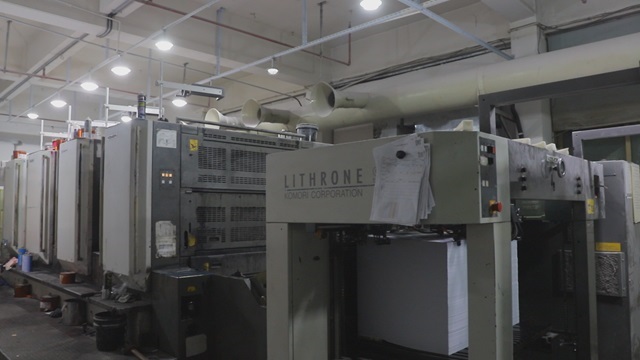
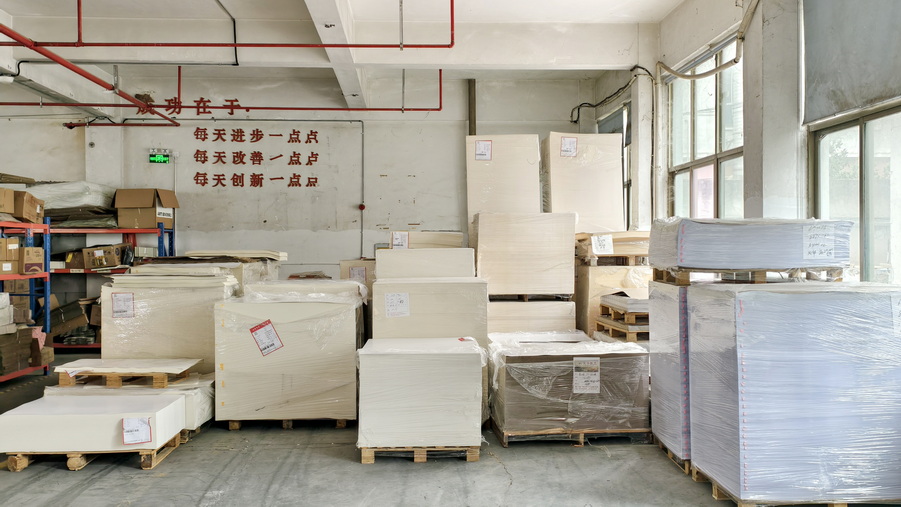
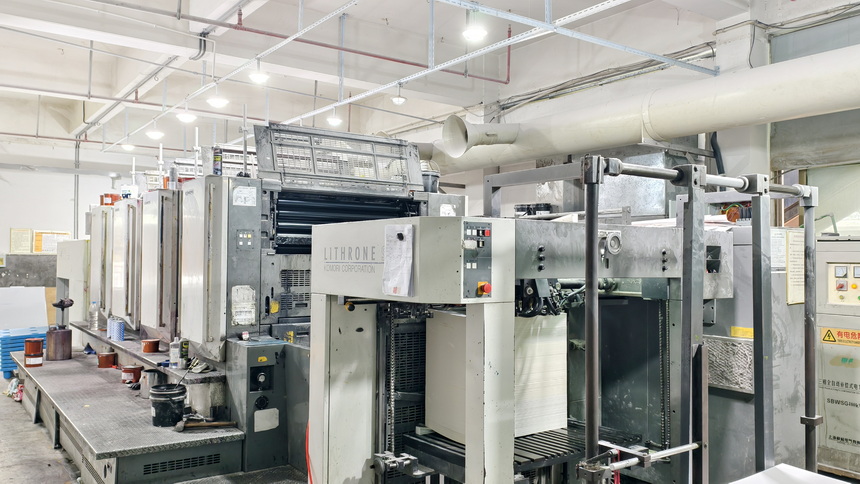
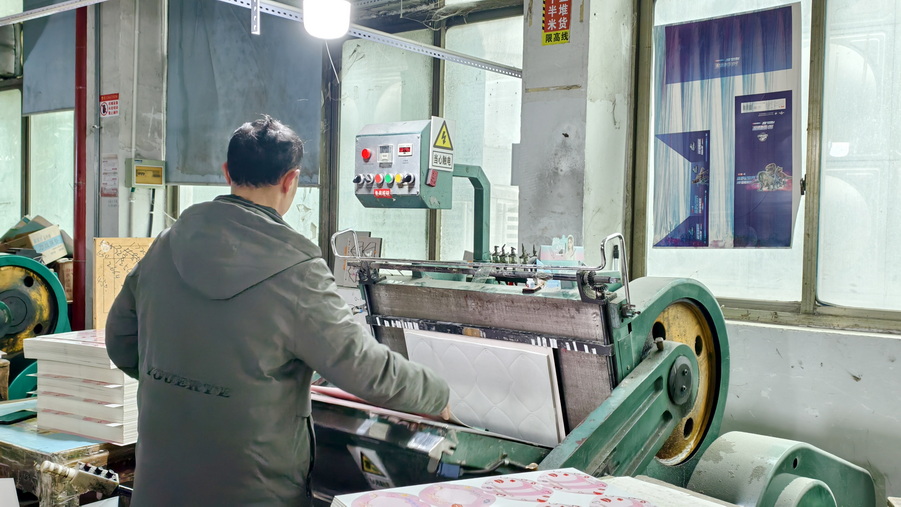
Printing, die-cutting, box forming, and inspection are managed in one workflow. That reduces hand-offs, supports color consistency, and helps resolve window registration issues faster.
Export-focused team
A team of 38 staff includes export specialists, and the company carries a 4.9 buyer rating. Sea, air, and express delivery options support brands, distributors, and marketplace sellers.
 Factory overview
 Offset printing
 Die-cutting
 Final QC
Company address: 518 Chouzhou Building, Cross-border Park, Jinhua, Zhejiang, China · Email: info@jerseypackage.com
Window Gift Box Specification Matrix for RFQ Approval
Use this reference to compare structures before requesting samples. Final board grade, film thickness, insert, and MOQ must be confirmed against product weight, artwork, and destination requirements.
| Box Format | Best Use | Window Options | Critical Approval Point | Typical MOQ |
|---|---|---|---|---|
| Rigid magnetic window box | Beauty devices, spirits, premium gift sets | PET or rPET film, printed border, acetate lid | Film flatness, magnet closure, wrap edges | 200–500 pcs |
| Drawer sleeve with window | Chocolate, tea, jewelry, candles | Window on sleeve or tray, ribbon pull | Sliding tolerance, film scratch, insert fit | 200–500 pcs |
| Folding carton window | Skincare, coffee pods, toys, supplements | Die-cut film patch or open paper cut-out | Board stiffness, glue line, window registration | 500–1,000 pcs |
| Corrugated mailer window | Subscription boxes, DTC shipping | Tear-resistant film, inside print | Compression strength, drop test, film adhesion | 200–500 pcs |
| Kraft food window box | Bakery, takeaway, fried food | Grease-resistant film, vented panels | Heat, steam, oil resistance, food-contact review | 1,000+ pcs |
| PLA or cellulose window | Eco gift sets, natural beauty, organic tea | Compostable or bio-based film | Humidity, shelf life, local composting claim | 500+ pcs |
For coffee capsules, skincare, and food-adjacent products, request low-migration and low-odor material options during sampling.
A Sampling and Production Workflow for Custom Window Boxes
A disciplined six-step process protects launch dates and reduces the risk of a beautiful sample that cannot be repeated in bulk.
Brief and product fit
Share dimensions, weight, product photos, target market, quantity, and whether the box will ship in e-commerce parcels or retail displays.
Dieline and window spec
Confirm box style, window shape, film type, board grade, insert concept, and print method before any artwork is placed.
Proof and sample approval
Review a digital proof or physical sample for color, structure, window clarity, and product fit. Approve one version in writing.
Deposit and material lock
Lock paper, film, adhesive, and finishing materials. Confirm production schedule and inspection criteria before mass production.
Production and QC
Monitor printing, die-cutting, window patching, box forming, and final inspection. Record any deviation before packing.
Export delivery
Review final photos and packing details, settle balance, and arrange sea, air, or express delivery with the required documents.
Window Gift Box Procurement FAQ
What is the MOQ for custom window gift boxes from China?
Most custom window gift boxes start from 200 pieces, while simple folding styles can start from 100 pieces. The exact MOQ depends on box size, board grade, window shape, printing, and whether a custom insert is required. For low-volume tests, digital printing and stock tooling are usually the most practical route.
Can I get a sample before bulk production?
Yes. A professional supplier should offer a digital proof, a physical white sample, or a printed sample before mass production. For window boxes, approve the film type, window dimensions, adhesive appearance, and product fit. Keep the approved sample as the quality reference for the reorder.
Which window material should I choose: PET, rPET, PLA, or PVC?
PET and rPET are common choices for clarity and durability. PLA and cellulose can support compostable or bio-based positioning but need humidity and shelf-life testing. PVC may be specified for industrial applications but is increasingly restricted by brand packaging policies. For food or cosmetics, ask for low-migration and low-odor options and documented material declarations.
Are window gift boxes suitable for food and cosmetics?
They can be, provided the film, adhesive, ink, and board are reviewed for the intended contact level. Coffee capsules, tea, chocolate, bakery items, skincare, and beauty tools are common applications. The supplier should ask whether the window is direct food contact or indirect contact and should avoid vague “food grade” claims without material evidence.
How do I verify a China window gift box supplier?
Check the legal company name, audit status, product scope, factory address, and export history. Ask for SGS or equivalent onsite verification, FSC certificates where relevant, recent product photos, and a clear explanation of which processes are in-house. A video tour or live call can confirm that the supplier understands window patching, rigid box wrapping, and final QC.
What lead time should I plan for?
Plan for artwork and dieline approval, sample production, sample approval, material preparation, mass production, and shipping. Digital or simple folding boxes move faster than rigid boxes with custom inserts and multiple finishes. Always buffer for Chinese public holidays and peak export seasons, and confirm whether the quoted lead time starts after deposit and sample approval.
Can you support FBA, DDP, or marketplace packaging requirements?
Export-focused suppliers can usually discuss FBA-ready cartons, barcode placement, polybag restrictions, and DDP or door-to-door delivery through freight partners. Requirements vary by marketplace and destination country, so provide the exact label, packing, and delivery instructions before the quotation is finalized.
What artwork files and product details should I prepare?
Prepare a vector logo, print-ready artwork, product dimensions and weight, target quantity, window placement preference, insert requirements, destination market, and any compliance claim you plan to make. If the artwork is not final, ask for a dieline first so the designer can place the window and branding correctly.
Send Your Window Gift Box Brief to a Verified China Exporter
Share product dimensions, weight, target quantity, window shape, artwork status, destination market, and delivery deadline. Our team can review the structure, suggest film and insert options, and prepare a production plan around your launch date.