Eight Buyer-Ready Carton Formats From One Wholesale Supply Base
Start with eight commercially useful references. The first two are engineered for cosmetic and skincare retail, while the additional paper carton programs show the material discipline, food-grade board handling and high-volume converting capability available from the same supply base. Use these as a starting point for a custom dieline, then ask for a structure review before committing to tooling or bulk production.
 Cosmetic
Custom Box Cosmetics Packaging Empty Box for Mascara Paper Packaging Lip Gloss Box Packaging
A tight-register folding carton for mascara, lip gloss and slim beauty accessories. Ideal for retail peg hooks, e-commerce sets and promotional bundles where crisp print and consistent glue lines matter.
 Skincare
Custom Magnetic Box Packaging for Skin Care Serum Set With Cosmetic and High-end Gift Box Packaging Supplier
A premium magnetic closure format for serums, ampoules and skincare sets. Rigid greyboard, soft-touch wrap and foam or paper insert options support high-value launches.
 Food-grade
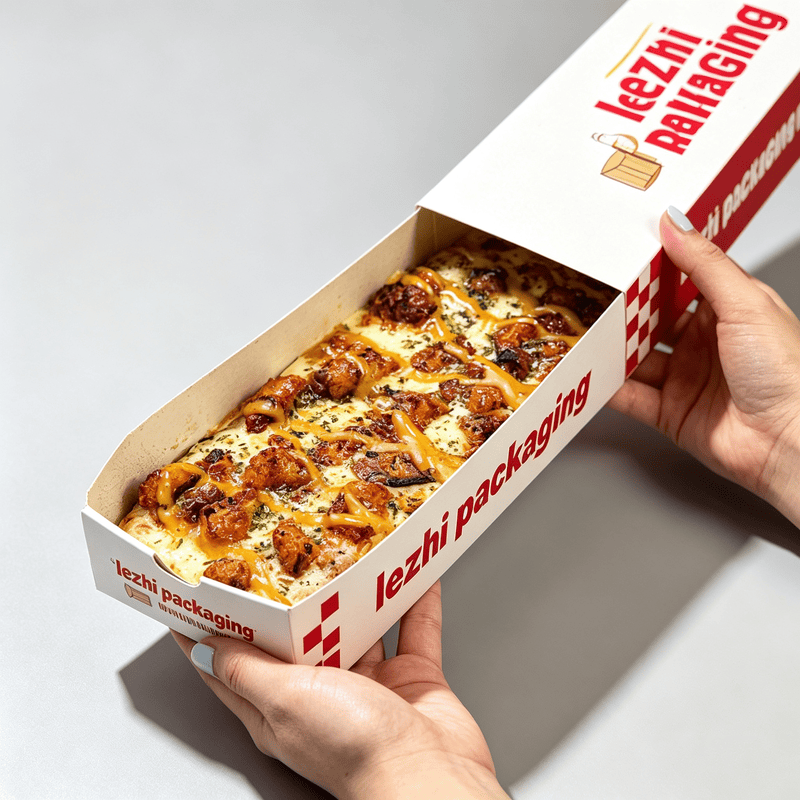
Disposable Pizza Paper Cardboard Box Food Grade Sliding Pizza Drawer Box Custom Hot Dog Sandwich Tray Pizza Box Packaging Boxes
A food-grade sliding drawer carton for quick-service and takeaway programs. The format demonstrates high-volume paperboard conversion, clean food-contact board handling and fast assembly.
 Takeout
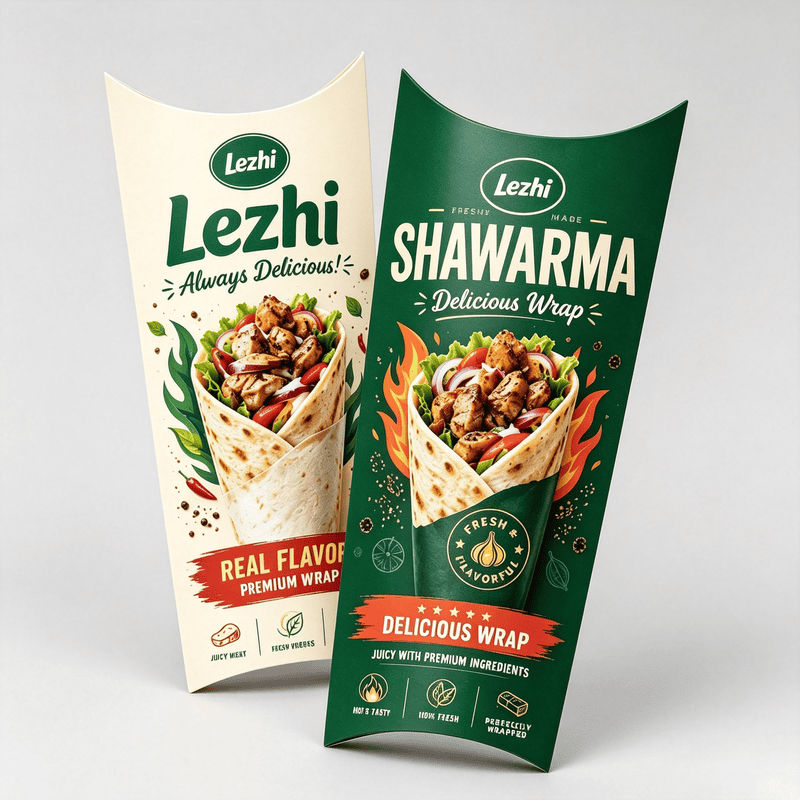
Customized Printing Packaging Box for Mexican Chicken Rolls Disposable Takeout Wraps Thin Paper Packaging Box for Tortillas
A printed takeout carton for wraps, tortillas and handheld food. Useful for brands that need the same folding-carton discipline as cosmetic retail packaging but with food-service board grades.
 Wholesale
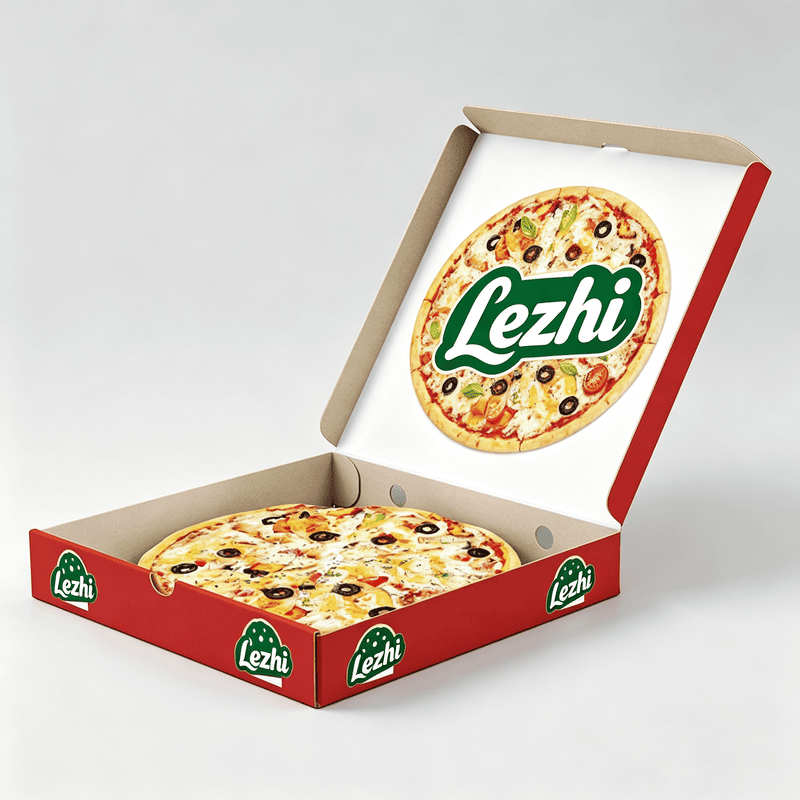
 8 10 12 16 Inch Bakery Food Pizza Box Takeaway Pancake Food Box Disposable Cardboard Paper Packaging Box for Pizza
A size-graded bakery and pizza carton program. It shows how standard board grades, print layouts and corrugated options can be scaled for distributors and multi-location food brands.
 Retail
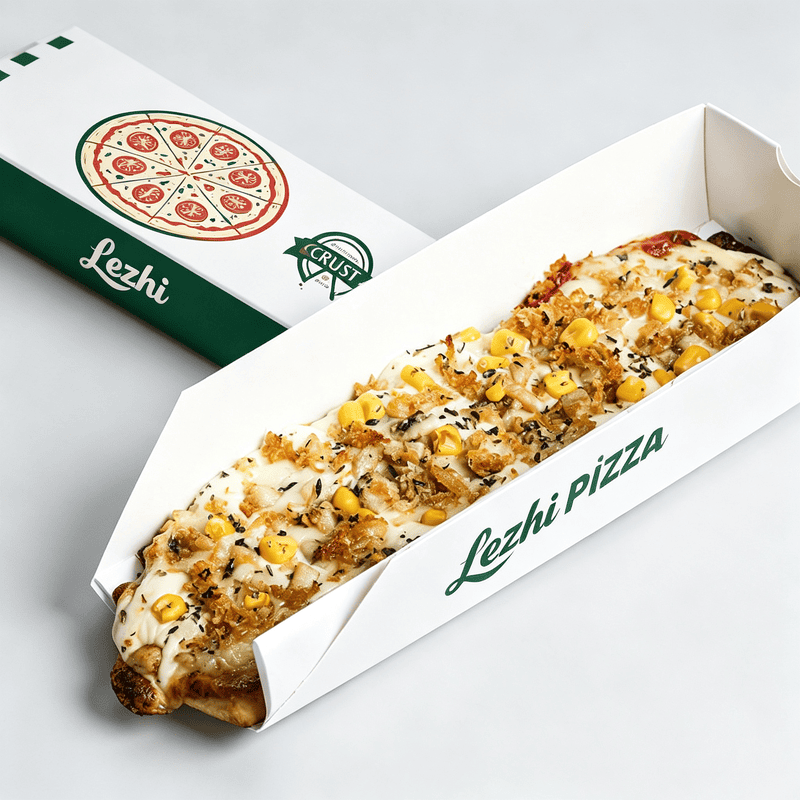
Disposable Pizza Slice Containers Food Packing Box Wholesale Takeaway Paper to Go Pizza Box Bakery Pancake Paper Packaging Box
A compact food packing carton for slices, bakery items and to-go service. The project type helps buyers evaluate board stiffness, fold memory and print coverage for high-turnover paper packaging.
 Beauty set
Customized Cardboard Set Packaging Beautiful Shampoo Printing Paper Cosmetic Essences Shampoo Box Packaging
A printed set carton for shampoo, essence and personal-care kits. It demonstrates how cosmetic-adjacent paper packaging can combine retail shelf impact with efficient set packing and shipping.
 Kraft
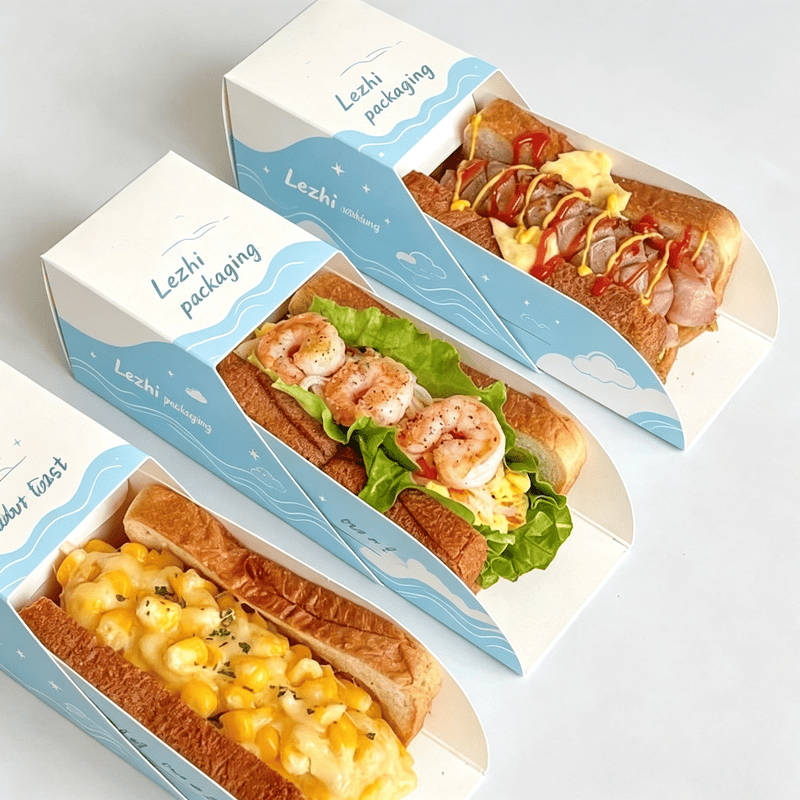
Food Grade Leak-proof Takeaway Sandwich Box Custom Printed Heat Resistant Kraft Toast Panini Packaging for Fast Food Chains
A custom printed kraft food carton for sandwich, toast and panini programs. The construction highlights heat resistance, coating selection and folding accuracy for multi-unit chain supply.
A Cosmetic Carton Supplier Built for Due Diligence, Not Guesswork
Beauty brands rarely buy cartons as isolated objects. They buy shelf confidence, packing-line reliability, export documentation and a supplier who can answer technical questions before the first purchase order.
Yiwu Jersey Packaging Co., Ltd. is a manufacturer and trading company based in Zhejiang, China. Its business type, staff and production capabilities have been verified onsite by SGS Group, giving overseas buyers an independent starting point for supplier due diligence. The company supports sample-based customization, design-based customization, minor logo and graphic changes, and full structural customization. For cosmetic buyers, that means the conversation can begin with a product, a retail channel and a target cost — not just a stock box size.
The team of 38 staff includes dedicated export specialists and packaging coordinators who translate brand briefs into production-ready dielines, proofs and finished boxes. Because printing, die-cutting, box forming, gluing, inspection and export packing are managed in one workflow, buyers get tighter color consistency, fewer hand-offs and more visible accountability when a launch deadline is tight.
For cosmetic cartons, experience matters at the small details: board caliper, score depth, glue-tab placement, insert fit, laminate tension and how artwork behaves after hot foil or embossing. A supplier who understands those variables can protect the unboxing experience while keeping the carton practical for packing lines and e-commerce delivery. That is the standard this factory applies to folding cartons, magnetic rigid boxes, drawer boxes and custom printed paper packaging.
- Sample-based, design-based, minor and full customization
- SGS onsite-verified supplier assessment
- FSC-certified paper options for brand compliance
- In-house printing, die-cutting, box forming and inspection
- Low MOQ from 100 pcs for simple styles; most custom boxes from 200 pcs
- Export packing and marketplace-ready production support
What Reduces Sourcing Risk for Cosmetic Carton Wholesalers
A wholesale carton program is only as strong as the weakest hand-off. The following advantages are the practical reasons buyers keep a factory-direct conversation open after the first sample round.
One roof, fewer quality gaps
Printing, die-cutting, lamination, hot foil, box forming and final inspection are managed in one workflow. That reduces the blame-shifting that can happen when cards, prints and box-makers operate separately. For cosmetic cartons, it also means a faster route from artwork approval to a production-intent sample.
Wholesale flexibility without heavy inventory
Low-MOQ options help beauty brands test a new serum set, lip gloss shade or gift kit before committing to a large run. Simple structures can start from 100 pieces, while most custom boxes begin from 200 pieces. The right production plan should match the launch forecast, not force the forecast to match the factory.
Export discipline built into the quote
Cartons must survive export packing, ocean humidity, warehouse handling and marketplace inbound requirements. The team plans flat-pack or assembled packing based on structure, adds protective layers where needed and coordinates final photos before balance payment. That discipline matters most when a beauty brand is shipping to distributors or e-commerce fulfillment centers.
Design-to-production feedback
Dielines, material advice, insert design and finishing recommendations belong in the same conversation as the quotation. Buyers can ask whether a magnetic closure, soft-touch lamination or foil detail will survive the chosen board and packing method before tooling is approved. This shortens sample rounds and protects the visual intent of the brand.
Cosmetic Carton Procurement Trends Buyers Should Plan For
A white-paper view of the forces changing how beauty brands source folding cartons, rigid boxes and paper gift packaging in the next buying cycle.
Documentation becomes part of the product
Procurement teams increasingly evaluate a carton by more than print quality. They ask for material declarations, recycling guidance, fibre sourcing and chain-of-custody evidence. A supplier that can answer those questions before the first purchase order reduces compliance friction later. For cosmetic cartons, the specification should record board grade, coating type, adhesive, ink system and insert material — not only dimensions and colors.
Smaller runs, faster versioning
Digital and hybrid print workflows make shorter launch runs more practical, especially for limited shades, influencer kits and regional promotions. Buyers can test a 100 to 500-piece run, learn from sell-through and reorder with adjustments. The trade-off is that low-volume programs need disciplined artwork files, realistic color targets and a sample gate before mass production. Suppliers who support versioning without hiding setup costs become stronger long-term partners.
Sustainability must remain functional
FSC-certified paper, recyclable kraft, paper inserts and soy-based inks on request are no longer niche requests. The practical challenge is keeping the box strong, printable and premium after removing plastic. A mono-material paper approach may work well for folding cartons but require careful insert design for serum bottles. The best sourcing decision balances recyclability claims with transport protection, packing speed and the shelf experience customers expect.
What Buyers Weigh in a Carton Sourcing Decision
An illustrative procurement scorecard drawn from common beauty and paper-packaging briefs. Use it as a discussion tool, not a market forecast.
How Cosmetic Cartons Are Evolving Beyond Simple Outer Packaging
The next generation of beauty packaging is being shaped by unboxing content, refill systems, e-commerce durability and the need to communicate a brand story before the product is touched.
Magnetic rigid boxes for high-value serums
Serum sets and gift kits benefit from rigid shells, hidden magnets and fitted inserts. The box opens slowly, presents the product upright and creates a repeatable unboxing moment. For premium skincare, the structure should be engineered around bottle height, glass weight and any secondary leaflet.
Soft-touch folding cartons for makeup
Mascara, lip gloss and compact products need light cartons that still feel premium. Soft-touch lamination, spot UV, embossing and metallic foil can elevate a folding carton without the cost of a rigid box. The print file must account for varnish contrast, small type and the way coatings behave on dark colors.
Mono-material and paper-based inserts
Brands are replacing plastic trays with paperboard inserts, molded pulp or folded paper cushions where the product allows. This trend is technical, not just ethical: the insert must hold the bottle, absorb movement and still let packing staff assemble the box quickly. Testing with the actual filled product is essential.
Versioned artwork and connected packaging
Short campaigns, seasonal gifts and regional launches demand fast artwork swaps. QR codes, batch codes and variable data can connect a carton to tutorials, refill instructions or authenticity checks. The carton design must reserve clean space for these elements while keeping the front panel focused on brand recognition and product benefit.
A Technical Framework for Choosing Cosmetic Cartons
The specification should be written as a production document, not a shopping list. A cosmetic carton must balance shelf presence, product protection, packing-line speed, transport durability and end-of-life messaging.
| Carton Format | Best Fit for Beauty Products | Typical Material & Finish | Procurement Note |
|---|---|---|---|
| Straight tuck folding carton | Mascara, lip gloss, eyeliner, cream tubes, single masks | 300–400 gsm coated paperboard; CMYK or Pantone; matte or gloss varnish | Confirm board caliper, score depth and glue-tab width before sample approval. |
| Auto-lock bottom carton | Serum bottles, small jars, retail sets that need faster packing | Coated board with reinforced base; soft-touch or spot UV | Test assembly speed and base strength with the filled product. |
| Magnetic rigid box | Serum gift sets, fragrance, premium beauty kits, holiday editions | Greyboard core, art paper wrap, hidden magnets, EVA or paper insert | Approve closure feel, wrap alignment and insert tolerance with a physical sample. |
| Drawer sleeve and tray | Eye shadow, sampler sets, beauty tools, travel kits | Rigid board tray with sliding paper sleeve; ribbon pull optional | Check sliding force, sleeve friction and ribbon pull strength. |
| Corrugated mailer carton | DTC e-commerce, subscription boxes, refill kits | E-flute or B-flute corrugated board, inside and outside printing | Run a drop test and verify inner fit before committing to a large run. |
| Kraft or recyclable paper carton | Clean beauty, refill programs, sampling, eco-focused launches | Natural kraft board, one-color print, water-based coating or uncoated surface | Expect natural fibre variation; align brand expectations before color approval. |
Calculate total cost per protected unit
A lower unit price can disappear when a carton increases damage, packing time or freight volume. Compare quotes using the same filled-product weight, transit route, packing method and artwork complexity. Include sampling, plates, tooling, freight and the cost of a reprint if color drifts. The winning structure is the one that protects the product and launches on time with predictable quality.
Lock color and finishing with physical proofs
Color consistency depends on board shade, ink laydown, lamination, lighting and press conditions. Deep blacks, metallic foils and soft-touch coatings can shift visually under retail lighting. Ask for a printed proof on the intended stock and, where possible, a production-intent sample. Retained reference samples help both buyer and factory judge future reorders against the same standard.
Use a two-stage sample gate
Stage one validates structure and dieline; stage two validates print, finish and insert fit. This prevents a beautiful printed carton from reaching production with a closure that pops open or an insert that cannot hold the bottle. For magnetic boxes, confirm magnet strength and wrap corners. For folding cartons, confirm glue lines and score cracking. A clear approval gate saves expensive surprises.
SGS Onsite Verification, FSC Paper and In-House Quality Control
Due diligence is easier when the evidence is visible. These production references show the factory, printing workflow and inspection discipline behind the carton quotation.
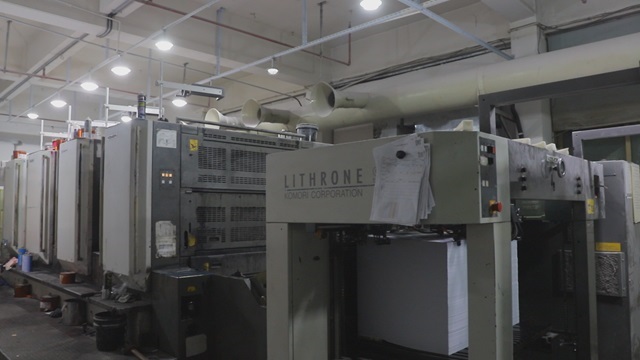
Factory Overview & Auditability
The supplier profile is supported by SGS onsite verification, giving buyers a documented starting point before sampling. Business type, staff and production capabilities can be reviewed alongside trade capacity and company information.
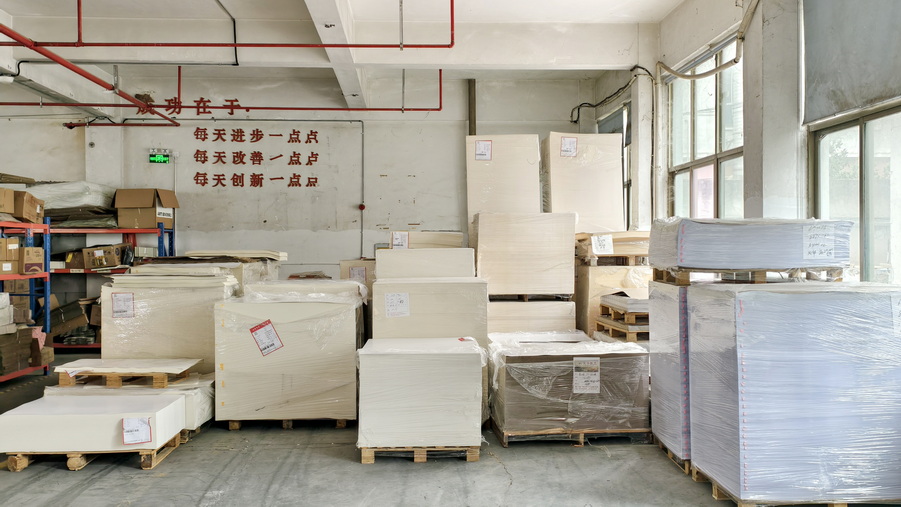
Printing & Finish Control
Offset printing, lamination, hot foil stamping, embossing, spot UV and die-cutting are coordinated with the carton structure. The goal is not only attractive print, but stable color, clean creases and a finish that survives packing and transit.
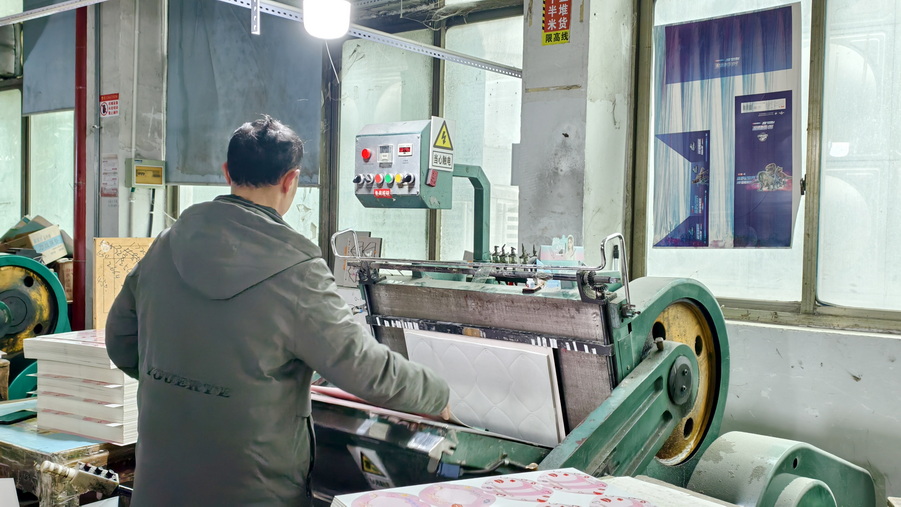
Inspection & Export Packing
Incoming material inspection and final checks help catch board defects, print issues and assembly problems before shipment. Finished cartons can be packed for export with protective layers and final photos, supporting smoother buyer approval.
From Brief to Bulk: A Six-Gate Carton Manufacturing Process
A transparent workflow gives buyers a clear approval point at every stage, so the carton does not move to mass production without confirmed structure, artwork and packing requirements.
Consultation
Share product dimensions, packed weight, target quantity, retail channel and artwork status. We advise on carton format and material direction.
Structure & Material Review
Confirm board grade, closure type, insert need, print method and finishing options. The draft dieline becomes the basis for sampling.
Sample Approval
Review a digital proof or physical sample. Check product fit, opening feel, print color and finishing before bulk production is released.
Deposit & Scheduling
A deposit locks materials and production time. Artwork files, dielines, color references and packing instructions are finalized.
Production & Inspection
Printing, lamination, die-cutting, gluing and box forming run through inline checks. Final inspection reviews appearance and assembly.
Balance & Shipment
Final photos, balance payment and export packing are coordinated. Shipping documents and delivery method are confirmed with the buyer.
Questions Buyers Ask Before Ordering Cosmetic Cartons
Practical answers for brand owners, distributors and sourcing teams comparing carton suppliers, MOQs, samples and compliance options.
What is the recommended MOQ for custom cosmetic cartons?
Can you produce samples and color proofs before bulk production?
Which carton structure is best for skincare and makeup?
Are FSC and recyclable paper options available?
Are you a factory or a trading company?
How do you control color and finishing consistency?
Send Your Dieline, Artwork and Quantity — Get a Carton Recommendation
Share product dimensions, packed weight, order quantity, artwork status, retail channel and target ship date. Our packaging team can review the structure, suggest material and finishing options, and outline the sampling route before you commit to bulk production.
For faster feedback, include the filled-product weight, whether the carton ships assembled or flat, and any required sustainability or marketplace documentation.