8 Lipstick-Compatible Packaging References from a Verified Factory
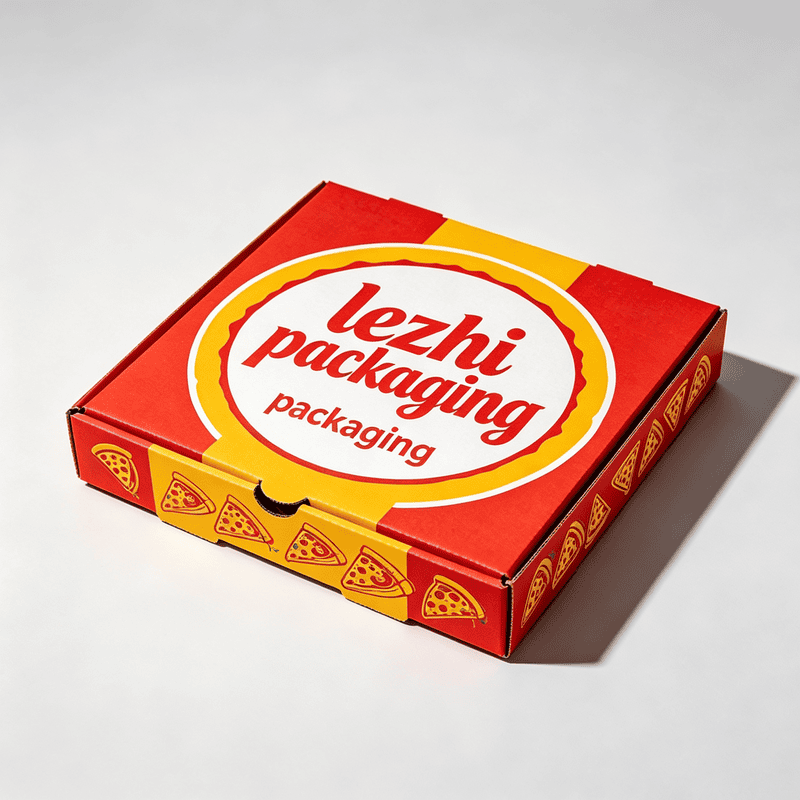
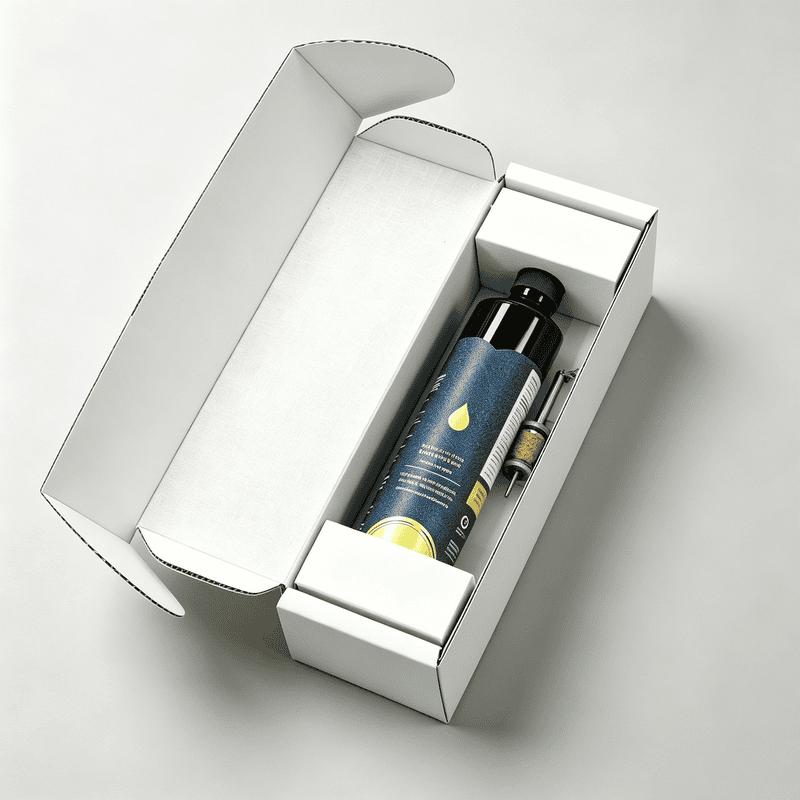
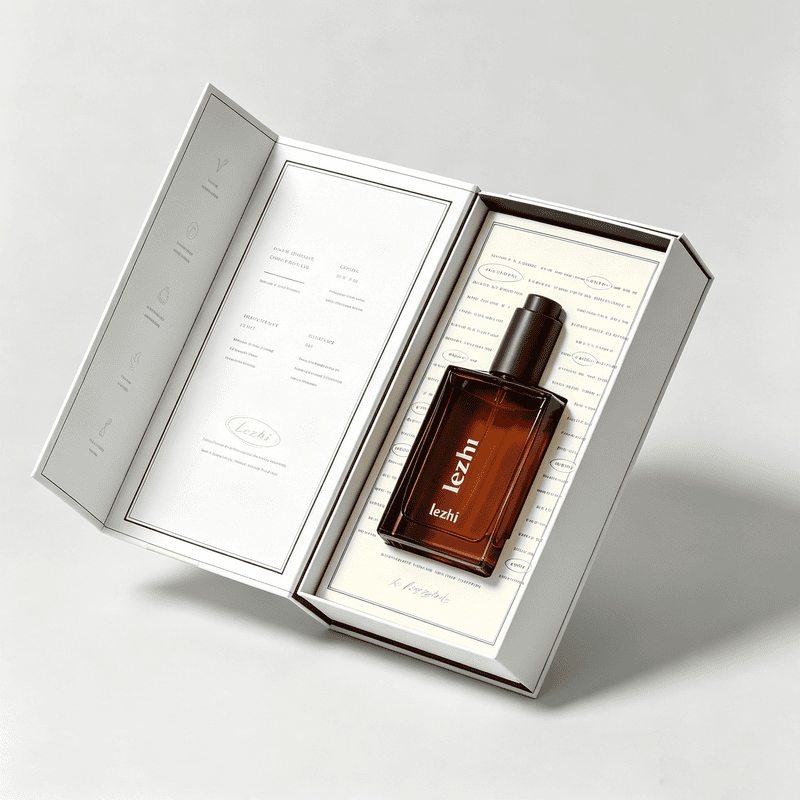
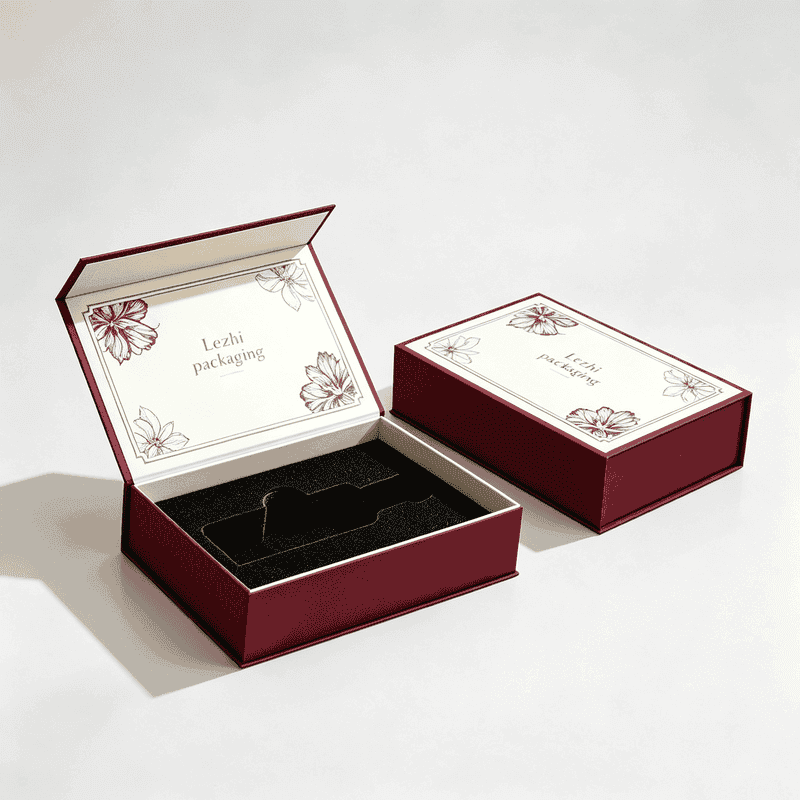
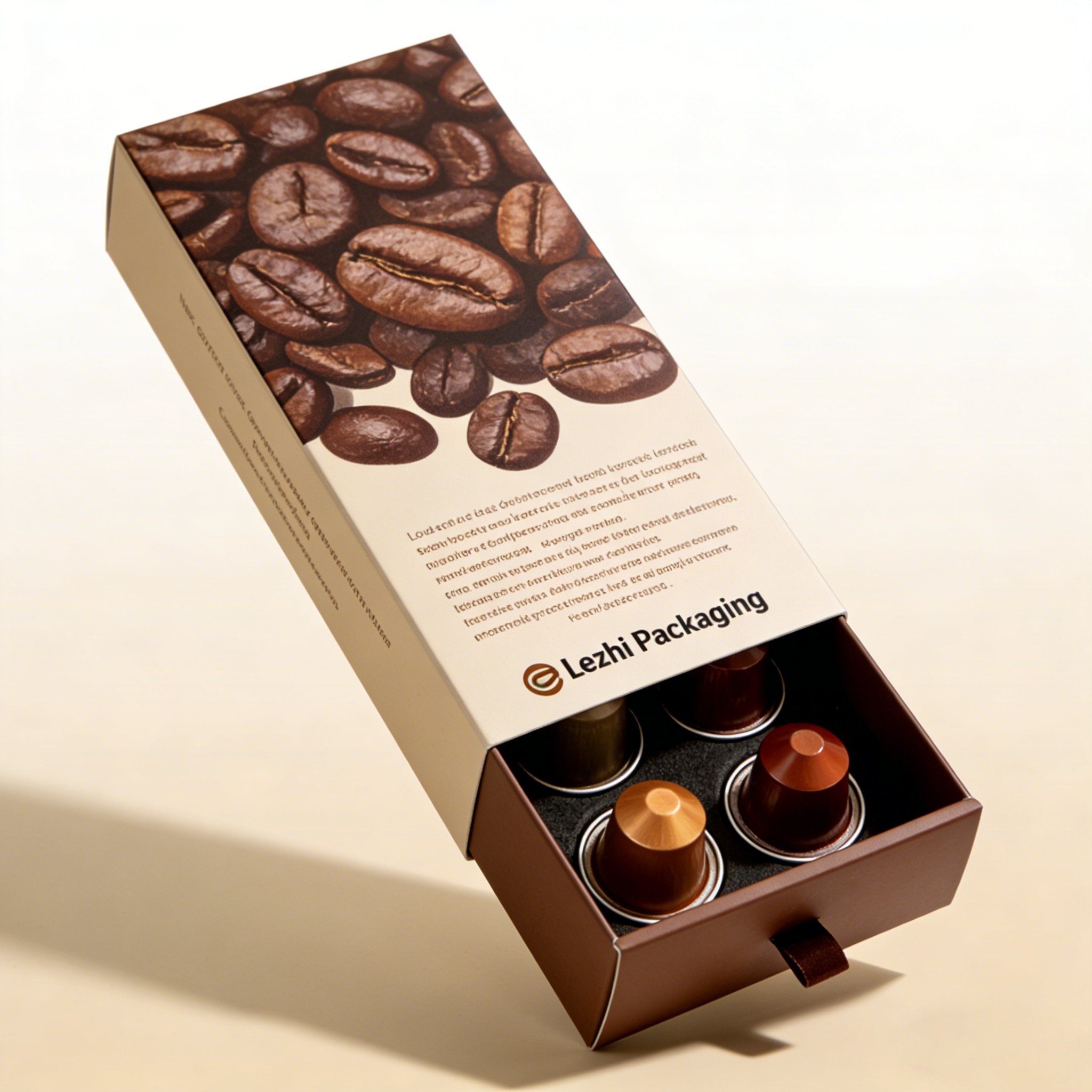
A lipstick box is judged on three practical points: tube protection, retail colour presentation and shipping efficiency. The eight references below use the same paperboard, rigid-box, magnetic, corrugated and food-grade engineering found in lipstick packaging programs. Use them to compare structure, print quality, insert options, MOQ signals and finishing capability before requesting a dedicated lipstick dieline.



Why a Semantic, Evidence-Led Shortlist Beats a Simple Supplier List
Procurement teams searching for lipstick boxes manufacturers and factories usually see the same claims: low MOQ, fast lead time, eco-friendly materials and “factory direct” pricing. The harder question is whether the supplier can prove those claims in a way that survives an audit, a retail compliance review and a live product launch. This guide treats the category as an engineered, documented supply chain rather than a catalogue of box shapes.
For lipstick packaging, the most useful supplier evidence includes SGS onsite verification, FSC-certified paper availability, documented incoming material inspection, colour proofing discipline, insert-development capability and a production workflow that keeps printing, die-cutting, box forming and QC under controlled hand-offs. A trusted lipstick box factory is not the one with the largest product grid; it is the one that can reproduce your approved colour and structure across repeat purchase orders.
What a Trusted Lipstick Box Manufacturer Should Prove Before You Send Artwork
The strongest supplier responses are specific, visual and auditable. Ask for the same level of proof you would expect from a cosmetics contract manufacturer, because the printed box is part of the product experience and, in many markets, part of the compliance record.
Onsite Audit and Identity Verification
A factory claim should be traceable to a legal entity, a physical address and an independent onsite assessment. Yiwu Jersey Packaging Co., Ltd. has been verified onsite by SGS Group, giving overseas buyers a documented starting point for due diligence.
FSC and Material Traceability
Lipstick cartons frequently carry sustainability messaging, so material claims need to match the actual paper source. Ask for FSC-certified paper options, recyclable board grades, soy-based ink options and a clear statement of which finishes affect recyclability.
Dieline and Structural Engineering
A lipstick tube has a small footprint but demanding tolerances. The supplier should review tube diameter, cap height, insert friction, opening clearance and shipping compression before recommending a folding carton, drawer box or magnetic rigid box.
Colour Proofing and Print Control
Beauty packaging is colour-sensitive. Confirm whether the factory uses CMYK plus Pantone offset, digital printing, or a hybrid approach; ask how they check drawdowns, proof approvals, lamination brightness and batch-to-batch colour consistency.
Insert and Unboxing Engineering
For premium lipstick sets, the insert is often the difference between “secure” and “expensive.” Ask for EVA, foam, moulded pulp or paperboard insert samples, and test how the lipstick moves when the box is dropped, tilted or opened one-handed.
Low MOQ and Export Workflow
Indie beauty brands and established cosmetic houses need different order economics. Confirm MOQ by size, board and finish; then verify export carton dimensions, barcode labelling, shipping marks, sample approval gates and balance-payment release procedure.
Mass Retail Lipstick
Recommendation: printed folding carton with auto-lock bottom, clear product window if required, and high-contrast shelf graphics. Best for fast runs, promotional variants and retail peg or shelf systems.
Luxury Lipstick Gift Set
Recommendation: rigid magnetic box or magnetic flip lid box with soft-touch lamination, foil stamping and a fitted insert. Best for holiday sets, limited editions and influencer seeding kits.
Refill and Subscription
Recommendation: drawer box, sleeve-and-tray structure or compact mailer with paper-based insert. Best for refill programmes, beauty subscriptions and e-commerce packs that need repeated opening and closing.
DTC and Marketplace Shipping
Recommendation: corrugated roll-end tuck-front mailer with inside printing and right-sized dimensions. Best for Amazon FBA, direct-to-consumer beauty brands and retailers that require transit-tested packaging.
Lipstick Packaging Procurement Trends Reshaping 2025–2030
Buyers are moving away from single-price comparisons toward total programme risk: compliance, repeatability, freight volume, refill logic and supplier transparency. These six shifts are particularly relevant when shortlisting lipstick boxes manufacturers and factories.
Compliance-Led Sourcing
Extended producer responsibility, packaging waste rules and retailer material policies are pushing brands to request FSC paper, recyclable mono-material structures and clear declarations for foil, lamination and inserts. Suppliers that can document material choices early will shorten approval cycles.
Low-MOQ, High-Version Speed
Influencer drops, seasonal shades and regional variants make 100–200 piece starts more commercially useful than ever. Digital printing and modular dielines let beauty brands test artwork and finishes without committing to a full container load.
Premiumization and Refill Logic
Lipstick is increasingly sold as an object, not just a colour. Magnetic closures, ribbon pulls, embossed logos and refill-ready cartons create a premium opening experience while supporting repeat-purchase models and subscription replenishment.
E-Commerce Durability
Right-sized mailers, corrugated reinforcement and insert testing are becoming procurement requirements rather than afterthoughts. The box must survive parcel networks, marketplace handling and customer returns while still protecting the lipstick bullet and cap.
Digital Print and Variant Control
Digital printing shortens proofing for multilingual artwork, shade names and campaign versions. The trade-off is that buyers must lock colour targets, paper shade and lamination before approving a run, especially when the same brand uses multiple suppliers.
Supplier Transparency as a Buying Criterion
Factory videos, audit reports, material inspection records and named export contacts are now part of the evaluation file. An SGS onsite-verified manufacturer with a clear contact path reduces the risk of misrepresentation and communication delay.
Lipstick Box Product Development Trends Worth Designing Into Your Next Brief
These development directions are practical rather than decorative. Each one affects tooling, material selection, MOQ, transit performance or end-of-life messaging, so it should be discussed during the dieline stage rather than after artwork approval.
Mono-Material Paper Structures
Designers are reducing mixed materials by replacing plastic windows, foam inserts and laminated components with paper-based alternatives. The result is easier recycling communication and fewer compliance questions from retailers.
Slimline and Compact Cartons
Smaller lipstick cartons reduce freight volume and material use, but they leave less tolerance for tube fit. Good suppliers test cap clearance, insert grip and opening angles before locking a slimline dieline.
Tactile Premium Finishing
Soft-touch lamination, embossing, debossing, spot UV and hot foil continue to signal luxury. The smart approach is to specify finishes that survive scuffing, retail handling and transit rather than choosing texture without testing.
Refill-Ready and Subscription-Friendly Packaging
Reusable outer boxes and recyclable refill cartons support loyalty programmes and replenishment commerce. Procurement teams should confirm that the box structure can be opened and closed repeatedly without visible wear.
Batch Codes and QR-Enabled Traceability
QR codes, batch labels and inside-print serialisation can connect packaging to tutorials, shade matching, authenticity checks and return programmes. Keep the code area separate from critical artwork and confirm variable-data capability.
Accessibility and Easy-Open Design
Braille, high-contrast printing, clear opening cues and low-force drawer pulls are moving into beauty packaging briefs. These details can be integrated without losing premium aesthetics when the dieline is planned early.
Yiwu Jersey Packaging Co., Ltd.: A Factory Partner Built for Global Beauty Buyers
Yiwu Jersey Packaging Co., Ltd. is a manufacturer and trading company based in Zhejiang, China, serving brand owners, distributors and e-commerce sellers with custom paper packaging. Its business type and production capabilities have been verified onsite by SGS Group, which gives overseas buyers independent evidence before they release artwork or pay a deposit.
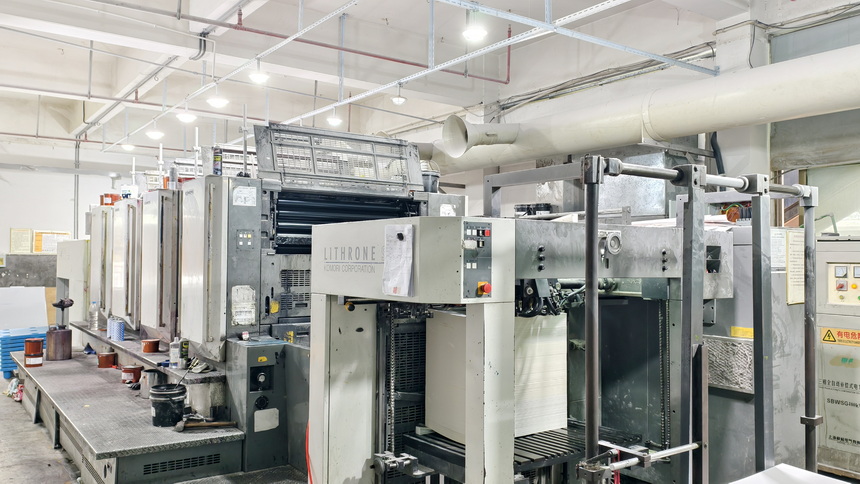
The company supports sample-based, design-based, minor logo/graphic and full structural customization. Printing, die-cutting, box forming, finishing and QC are managed inside one workflow, helping reduce hand-off risk and improve consistency between the approved sample and the bulk order. FSC-certified paper options, recyclable kraft and paperboard, soy-based inks on request and plastic-free paper inserts are available for sustainability-led briefs.
With a verified team of 38 staff and dedicated export specialists, the factory handles low-MOQ starts from 100 pieces for simple folding styles and generally from 200 pieces for custom boxes, depending on size, board and finishing. The team also provides material inspection, sample approval, production photos, export packing checks and global shipping coordination for North America, Europe, Asia-Pacific and other markets.
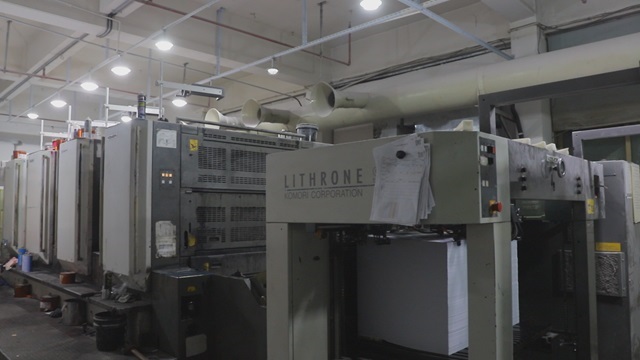 Factory Overview
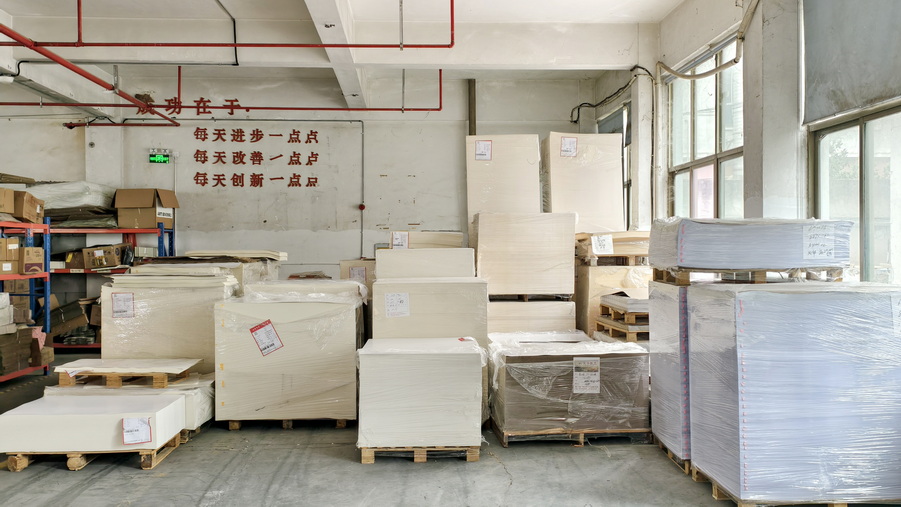 Offset Printing
 Die-Cutting
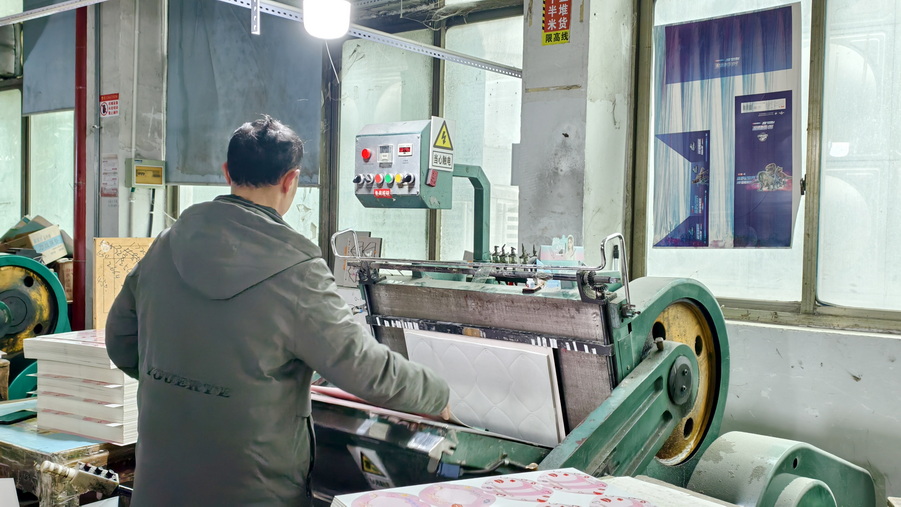 QC Inspection
How to Audit a Lipstick Boxes Factory Without Visiting in Person
Remote supplier verification is now normal, but it only works when the questions are specific and the evidence is comparable. Use this checklist to structure enquiries, sample requests and pre-production approvals.
1. Verify the Legal Entity
Match the quotation, invoice, business licence, factory address and SGS or third-party audit record. Confirm whether the supplier is a factory, trading company or integrated manufacturer.
2. Request Material Evidence
Ask for paper grade, board thickness, FSC certificate scope, recyclability statement and finish compatibility. For food-contact or cosmetic gift applications, confirm relevant material declarations.
3. Review the Dieline and Sample Gate
Approve a CAD dieline, 3D mockup and physical sample before mass production. The sample should use the intended board, print method, lamination, foil and insert material.
4. Check Colour Under Controlled Light
Compare the approved sample and bulk print under D50 or D65 lighting. Record Pantone targets, CMYK values, paper shade and lamination effect so repeat orders can be checked against the same reference.
5. Test Tube Fit and Transit Protection
Drop-test a filled sample, tilt it, open and close it repeatedly, and inspect whether the lipstick tube shifts. Insert friction, cap clearance and box compression matter more than catalogue photos.
6. Lock QC, Packing and Release Terms
Confirm AQL level, inspection timing, production photos, master carton dimensions, shipping marks, barcode placement and balance-payment release. Clear terms prevent surprises at shipment.
Lipstick Boxes Procurement FAQs
These are the questions that most often determine whether a lipstick packaging project moves smoothly from enquiry to repeat order.
What is the minimum order quantity for custom lipstick boxes?
Can samples be made before bulk production?
Which materials are suitable for lipstick packaging?
How do you protect lipstick tubes during shipping?
Is Yiwu Jersey Packaging a factory or a trading company?
Which printing and finishing options are available for lipstick boxes?
Ready to Source Lipstick Boxes from a Verified Paper Packaging Factory?
Send the lipstick tube diameter, box dimensions, artwork status, target quantity, preferred finish and destination market. The factory can then reply with a recommended structure, material options, MOQ guidance and a production plan before you release a sample request.