8 Packaging Boxes That Can Be Supplied with Matching Cardboard Inserts
Each product below can be developed as a complete insert system: an outer printed box plus a die-cut paperboard platform, corrugated divider, food-grade tray or recyclable fitment. This is especially useful for Warsaw wholesalers who want one supplier, one color standard and one shipment covering the outer carton and inner protection.
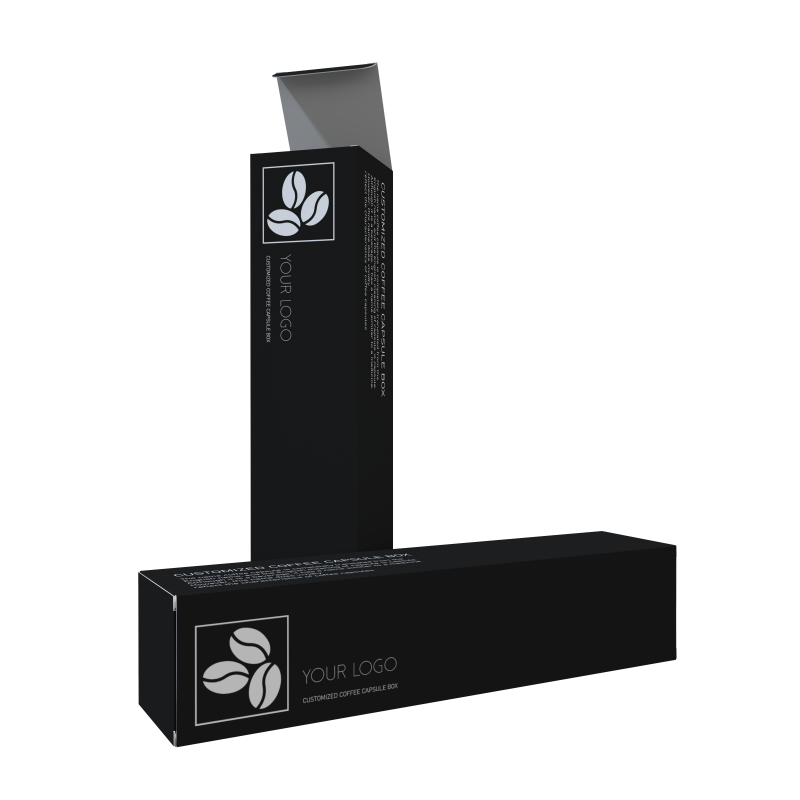
Custom High Quality Cardboard Paper Coffee Capsules Coffee Pod K Pack Packaging Box
View product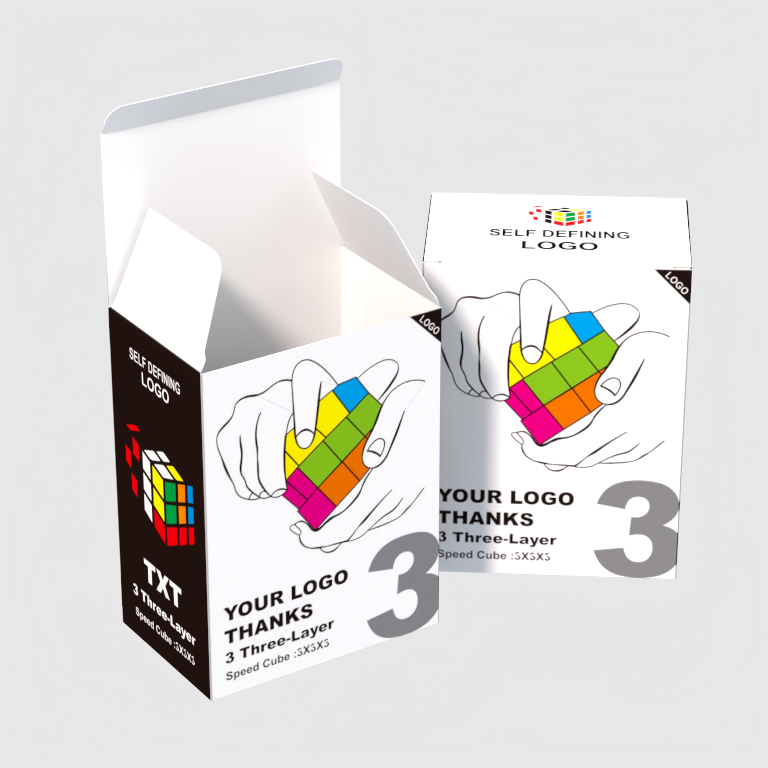
Custom Kid 's Cube Folding Box Children's Toy 3d Puzzle Paper Packaging Box
View product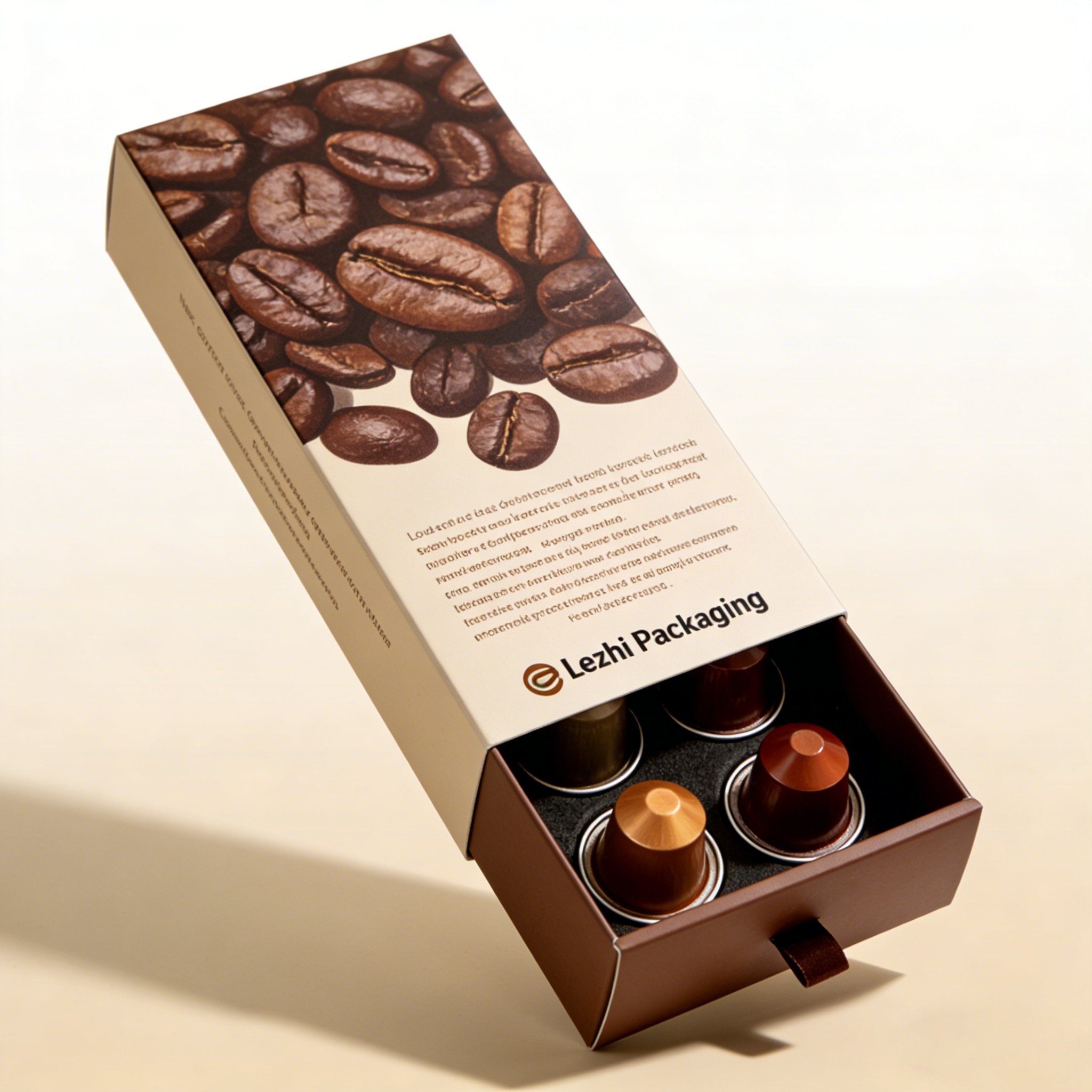
Custom Digital Printing Packaging Coffee Box Recyclable Coffee Capsule Paper Box
View product
Custom Logo Luxury Cardboard Empty Print Cardboard Olive Oil Packaging Gift Boxes for Olive Oil Bottles
View product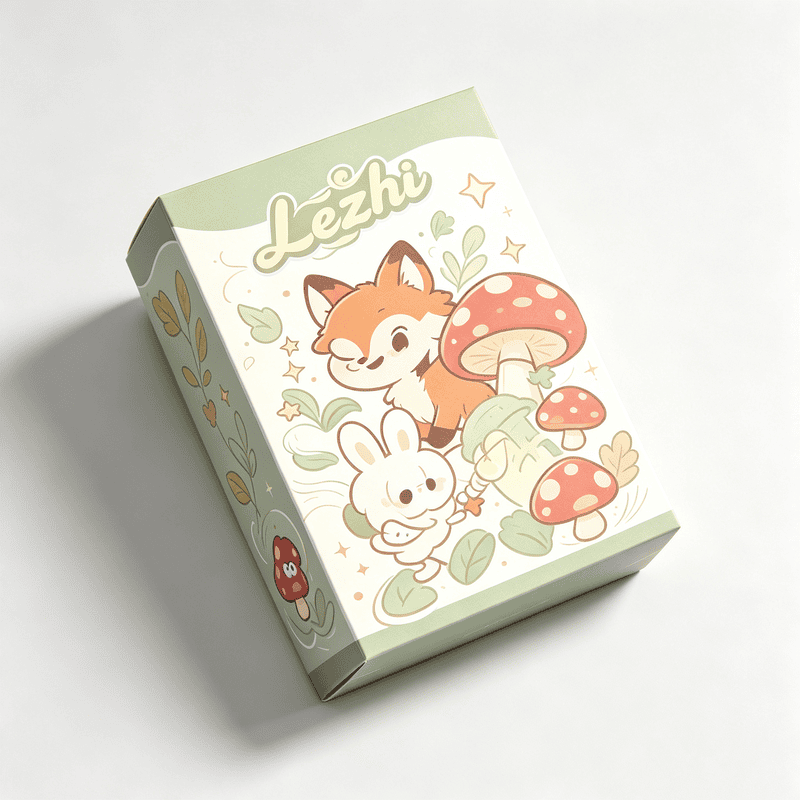
China Factory Manufacturer Printing Large Cereal Box Custom Printing Hoodies Packaging Custom Cereal Box
View product
Custom Box Cosmetics Packaging Empty Box for Mascara Paper Packaging Lip Gloss Box Packaging
View product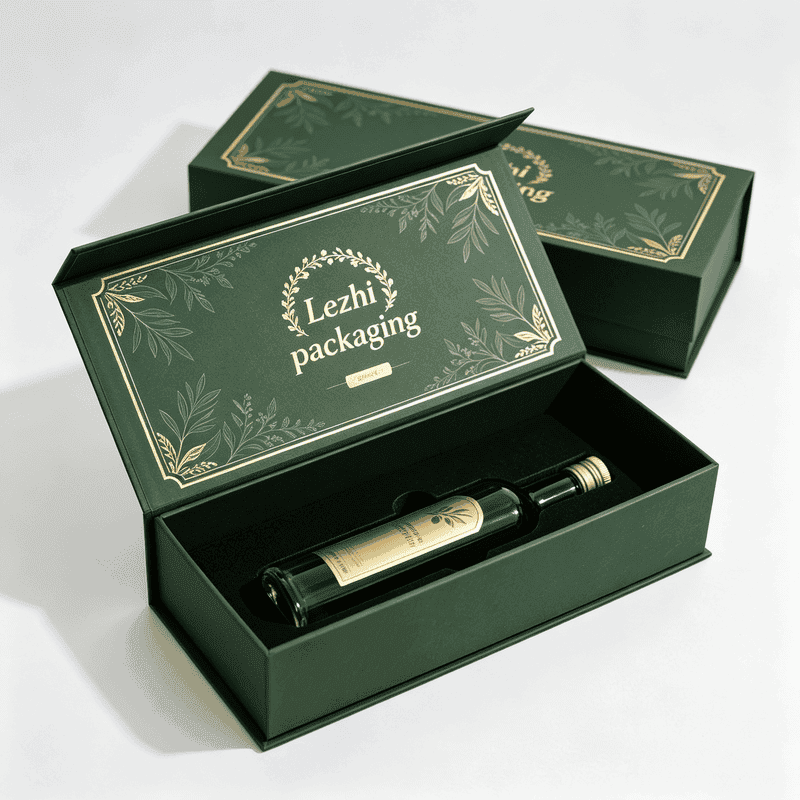
Manufacture Customized Printing Luxury Whiskey Glass Storage Box Cardboard Premium Packaging Gift Wine Box with Logo
View product
Customized Cardboard Set Packaging Beautiful Shampoo Printing Paper Cosmetic Essences Shampoo Box Packaging
View productWhy Warsaw Buyers Are Replacing Loose Void Fill with Engineered Cardboard Inserts
In the Warsaw packaging market, a cardboard insert is the internal fitment that positions, protects, separates or displays a product inside a folding carton, rigid gift box, mailer or gift set. Polish procurement teams also search for wkładki kartonowe and przekładki when they need paper-based dividers or trays, so clear terminology matters for both SEO and supplier briefing.
Warsaw is not just a local city market. It is the commercial gateway for brands selling throughout Mazowieckie, central Poland and the wider CEE region. A buyer in Warsaw may source packaging for pharmacy chains, premium cosmetics distributors, hotel gift programs, electronics importers, apparel e-commerce brands and food manufacturers at the same time. That mix creates a practical problem: loose bubble wrap, plastic air pillows and generic foam blocks look inexpensive at first, but they create extra labor, inconsistent unboxing and complicated waste separation for the final customer.
An engineered cardboard insert solves those issues in one component. A die-cut paperboard platform can hold a perfume bottle, mascara tube or coffee capsule set at a fixed angle. A corrugated divider can separate six jars without plastic. A molded-pulp tray can cradle a whiskey glass or olive oil bottle while displaying the brand on the outer lid. For Warsaw wholesalers, the strongest value is consolidation: the outer printed box, inner insert, tissue paper, ribbon and export carton can be planned as a single system instead of four unrelated purchases.
This is where information gain matters. A low-cost insert is not automatically the best insert. The correct specification depends on product weight, drop risk, retail shelf position, unboxing choreography, FSC claims, customs documentation and whether the package will be shipped by parcel, pallet or courier. The eight reference boxes above show the range: food packaging, toys, cosmetics, olive oil, whiskey glasses, apparel and shampoo sets. In each case, a different insert logic may be appropriate, and the factory should be able to explain the trade-off before a sample is made.
Recommended Cardboard Insert Systems for Warsaw Brand Owners and Wholesalers
Use this shortlist to align the outer box, inner fitment and sales channel. The right insert should reduce damage, shorten packing time and make the package easier to recycle without weakening the product presentation.
Die-Cut Paperboard Platform
A one-piece printed paperboard sheet with precision cavities for cosmetics, perfume, lip gloss, mascara, small electronics and corporate gift sets. It is lightweight, recyclable and usually has lower tooling complexity than molded pulp. Pair it with the shampoo set box or mascara box when the product is light but needs a clean retail presentation.
Corrugated Divider & Fitment
E-flute or B-flute corrugated inserts provide compression strength for e-commerce, subscription boxes and multi-item kits. They are ideal for Warsaw fulfillment operations that need fast packing, fewer breakages and right-sized cartons. A corrugated fitment can also replace plastic void fill for coffee capsules, small bottles and apparel accessories.
Molded Pulp or Paper Tray
For whiskey glasses, olive oil bottles, premium spirits and other high-value items, a molded-pulp tray or dense paper tray gives a stronger eco-positioning than EVA foam. It is especially relevant for hotel gift programs, corporate hampers and premium retail sets sold in Warsaw. Complex shapes require higher tooling and volume confirmation, so early sampling is recommended.
Folded Sleeve & Paperboard Divider
A folded paperboard sleeve can separate cubes, jars, tea tins, coffee pods or small toys without glue-intensive assembly. It suits low-to-mid MOQ projects, seasonal promotions and short-run digital print campaigns. For toys and puzzle boxes, this insert style keeps the unboxing playful while remaining paper-based and easy to pack.
Localized Use Cases for Cardboard Inserts in the Warsaw Market
Warsaw buyers rarely order an insert as an isolated item. They buy an outcome: faster packing, safer transport, better shelf presentation or a more credible sustainability story. The four scenarios below show where custom cardboard inserts deliver measurable operational value.
Premium Spirits, Wine and Corporate Gifts
Warsaw hotels, embassies, event agencies and corporate gifting companies need bottle-and-glass sets that survive transport while looking premium. Use the whiskey glass gift box with a molded-pulp or rigid paperboard insert, or the olive oil gift box with a bottle-shaped cavity and reinforced base. A well-designed insert removes the need for plastic foam and helps the recipient experience the gift as a complete set.
Beauty, Pharmacy and Cosmetic E-Commerce
Warsaw is a dense market for pharmacy chains, beauty retailers and DTC cosmetics brands. Mascara, lip gloss, serum bottles and shampoo sets need a stable cavity that prevents movement during parcel sorting. Paperboard platforms and folded sleeves can hold multiple SKUs in one gift set while keeping the outer box compact for courier delivery and retail shelf display.
Electronics, Apparel and Fulfillment Centers
Fulfillment operations around Warsaw handle accessories, small appliances, hoodies, subscription items and marketplace orders. A corrugated fitment or paperboard platform reduces packing decisions, protects the product and supports dimensional-weight control. For apparel, a light paperboard insert can keep a hoodie or folded garment neat while leaving room for a return label and branded tissue.
Food, Coffee, Confectionery and Gourmet Gifts
Coffee capsule boxes, chocolate trays, tea tins, cereal-style gift cartons and gourmet hampers require inserts that match food-contact expectations and retail presentation. Use food-grade paperboard, clean die-cutting and a cavity design that prevents capsules or jars from rattling. For gift sets, a printed insert face can double as a recipe card, brewing guide or Polish-language usage instruction.
Three Forces Shaping Cardboard Insert Procurement in Warsaw and Poland
Local sourcing decisions are moving quickly because regulatory expectations, e-commerce economics and consumer presentation standards are changing at the same time. A supplier that cannot explain these forces may still quote a price, but it cannot help a brand reduce risk.
Recyclability, PPWR and EPR Pressure
EU packaging rules and Polish extended producer responsibility expectations are pushing brands toward mono-material designs, clearer material declarations and fewer unnecessary plastic components. Cardboard inserts, paper dividers and molded pulp trays help Warsaw buyers discuss recyclability with retail partners without relying on vague green claims. FSC-certified paper options and documented board grades make those conversations more credible.
Right-Sizing for E-Commerce and Dimensional Weight
Warsaw’s role as a CEE logistics hub means many packages move through courier networks, fulfillment centers and marketplace warehouses. Oversized boxes and loose fill increase dimensional weight and damage risk. A custom cardboard insert allows a tighter carton, fewer packing steps and more consistent protection across multiple SKUs. This is particularly valuable for subscription kits, mixed cosmetics sets and small electronics.
Premium Unboxing and Polish-Language Localization
Warsaw consumers and B2B recipients expect packaging that feels intentional. Short-run digital print allows Polish-language inserts, QR codes, usage instructions, batch references and campaign-specific messages without heavy plate costs. For wholesalers, a localized insert face can be shared across several outer box designs, giving them a flexible way to serve multiple clients while reducing total inventory complexity.
Cardboard Insert Specification Matrix for Procurement Teams
This matrix is written for Warsaw buyers who need to compare options before requesting a sample. The bars are directional indicators, not universal promises: product weight, drop height, box size and artwork complexity can change the final recommendation.
Die-Cut Paperboard Platform
Best for light retail products, cosmetics, capsules and gift sets that need a clean presentation and low packing complexity.
Corrugated Divider & Fitment
Best for e-commerce, multi-item kits and parcel networks where compression strength and packing speed matter most.
Molded Pulp Tray
Best for premium bottles, glassware and high-value gift sets that require a plastic-free but sculpted cavity.
EVA or Foam Insert
Useful for high-value electronics where a soft-touch cavity is essential, but recyclability is lower and paper alternatives should be evaluated.
Paper Honeycomb or Rigid Board Insert
Best for heavier items, reinforced bases and large gift hampers where paper-based strength must replace plastic structural parts. This option is often developed together with the outer rigid box to control tolerances.
For a precise recommendation, send the product weight, outer dimensions, drop-test requirement, target quantity and whether the package will ship by courier, pallet or retail distribution.
Why Yiwu Jersey Packaging Is a Practical Partner for Warsaw Wholesalers
Yiwu Jersey Packaging Co., Ltd. is an SGS onsite-verified manufacturer and trading company based in Zhejiang, China. For Warsaw buyers, that combination matters because a cardboard insert is rarely a standalone purchase. It must match the outer box, the printed artwork, the product fit and the export carton. Our team of 38 staff, including export specialists, supports sample-based, design-based, minor logo/graphic and full structural customization.
We offer FSC-certified paper options, recyclable kraft and paperboard, soy-based inks on request and plastic-free paper inserts. Production control covers printing, die-cutting, box forming, material inspection and final quality checks. This reduces the hand-off risk that appears when an insert is bought from one supplier and the outer box from another. Our buyer rating is 4.9/5, and our MOQ starts from 100 pieces for simple folding styles, with most custom boxes starting from 200 pieces depending on size, board and finishing.
For Warsaw and wider CEE projects, we can discuss export packing, marketplace-ready cartons and documentation needs before production. The goal is not simply to quote a box. The goal is to give procurement teams a production-ready dieline, a clear insert recommendation and a shipment plan that supports their sales channel.
- SGS onsite-verified supplier
- FSC-certified paper options
- Low MOQ from 100–200 pcs
- OEM and ODM support
- In-house printing and die-cutting
- Material inspection before production
- Digital proof and physical sample approval
- Global sea, air and express shipping support
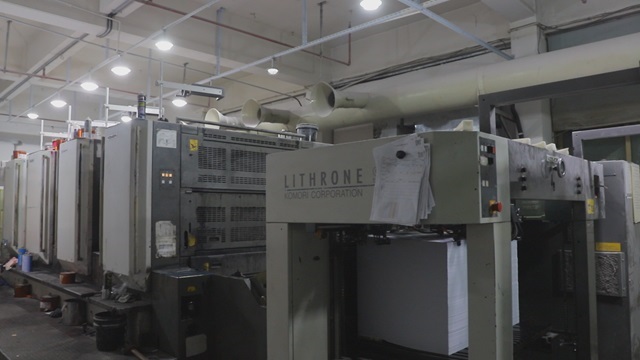 Factory Overview
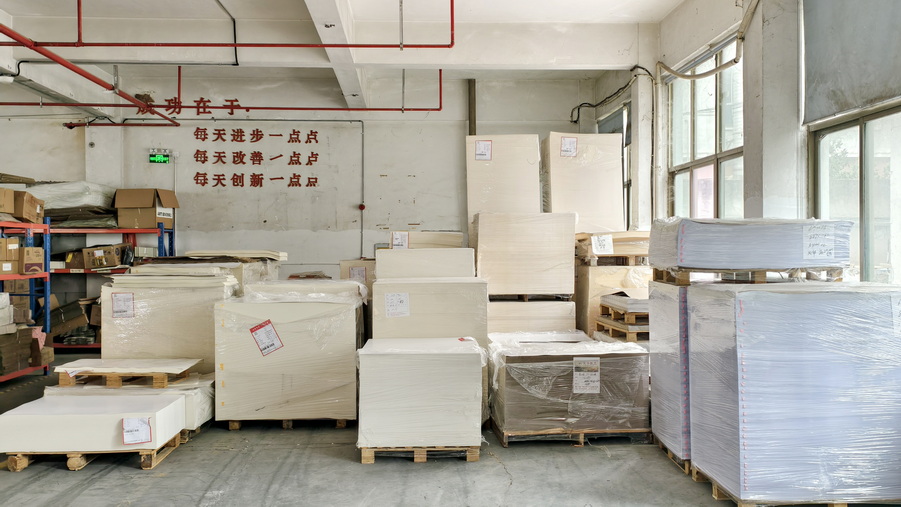 Printing Workshop
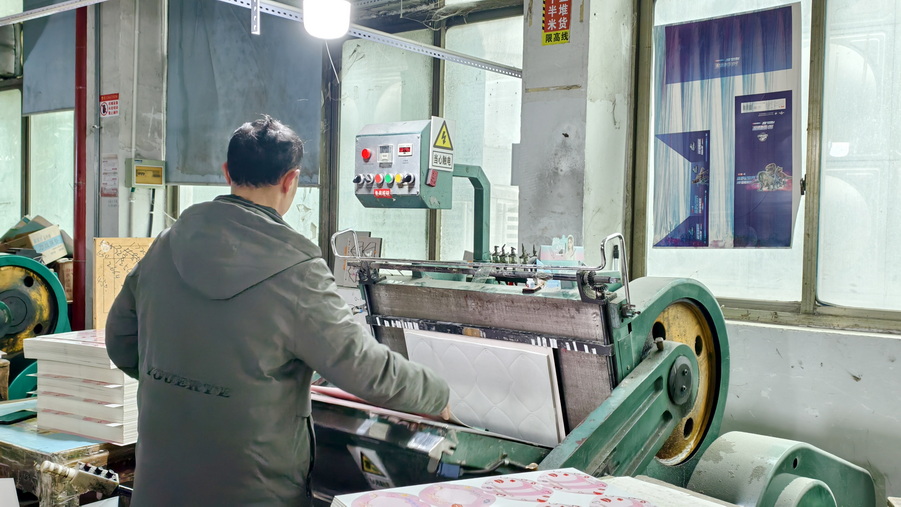 Quality Inspection
How to Brief a Warsaw Cardboard Insert Wholesaler Without Losing Time
A complete brief reduces sample rounds and prevents hidden costs. Use these six checkpoints when comparing an overseas factory with a local Warsaw wholesaler.
Provide length, width, height and net/gross weight. For sets, list each component and its position in the box.
State whether the package ships by courier, pallet, retail distribution or hand delivery. Mention drop-test or compression requirements.
Confirm if Polish-language legal text, QR codes, batch codes or braille are required. Check the dieline before final artwork is released.
Share initial quantity, repeat-order forecast and launch date. This helps the factory recommend the most economical insert construction.
Ask for FSC documentation, material declarations, food-contact information where relevant and carton marking requirements.
Confirm delivery to Warsaw or a Polish 3PL, preferred Incoterms, pallet height, label format and whether Amazon FBA or marketplace prep is needed.
FAQ for Warsaw Buyers Sourcing Cardboard Inserts and Wholesale Packaging
These are the questions that appear most often in Warsaw and Poland-focused packaging RFQs. Final answers depend on dimensions, material, finishing and order quantity.
What is a cardboard insert, and how is it used in Warsaw packaging?
A cardboard insert is an internal paper-based fitment used to hold, divide or display a product inside a box. Warsaw buyers use them in cosmetics gift sets, whiskey and olive oil packaging, coffee capsule boxes, cosmetic sets, e-commerce parcels and promotional gift boxes. The insert can be die-cut paperboard, corrugated board, folded paperboard or molded pulp.
Can I order custom cardboard inserts without a very high MOQ?
MOQ depends on the insert structure and printing method. Simple folding boxes and kids cube styles may start from 100 pieces, while most custom paper boxes start from 200 pieces. Complex molded pulp, magnetic rigid boxes or special finishes may require higher quantities. Share your dimensions and forecast so the factory can recommend a cost-efficient structure.
Which insert is best for premium gift boxes sold in Warsaw?
For premium bottles and glassware, molded pulp or reinforced paperboard inserts often give the best balance of protection and eco-positioning. For cosmetics and small retail items, a printed die-cut paperboard platform is usually cleaner and lighter. For gift sets that need a luxury feel but must remain recyclable, a rigid paper tray with a printed wrap is often a strong option.
Are your cardboard inserts FSC-certified and recyclable?
We offer FSC-certified paper options, recyclable kraft and paperboard, soy-based inks on request and plastic-free paper inserts. Recyclability depends on the full construction, including lamination, magnets, ribbons, coatings and adhesives. Ask for a material breakdown before making an environmental claim to retail partners or consumers in Poland.
Can you print Polish-language packaging and handling marks?
Yes. We can support Polish-language artwork, ingredient or usage text, barcodes, QR codes, batch numbers, recycling symbols and handling marks, subject to the final dieline and regulatory text provided by your brand. Always approve a digital proof and, where needed, a physical sample before mass production.
How long does production and delivery to Warsaw take?
Typical production planning depends on the box structure, printing, finishing and quantity. Sample approval must happen before mass production. Shipping to Warsaw can be arranged by sea, air or express, and transit time varies with the chosen Incoterms, customs clearance and final delivery address. Confirm the schedule with a written production plan before placing a wholesale order.
Can you match inserts to an existing box we already sell in Warsaw?
Yes, if you provide the existing box dieline, internal dimensions, board thickness and product sample or accurate 3D data. The factory can reverse-engineer a paperboard or corrugated insert to fit the box, then provide a digital proof or physical sample for fit testing before production.
Do you supply samples before a wholesale order?
We support sample-based, design-based, minor logo/graphic and full structural customization. A digital proof or physical sample can be approved before bulk production. For Warsaw buyers, this is the best moment to test product fit, closing force, insert tolerance and artwork readability.
Ready to Quote a Cardboard Insert Program for Warsaw?
Send your product dimensions, weight, target quantity, artwork status and preferred delivery terms. Our team will review the outer box, insert structure and export packing together, then recommend a practical next step for sampling or mass production.