8 Cardboard Packaging Products for Makeup Palettes and Beauty Sets
These eight reference styles can be re-engineered with custom dimensions, dielines, print, inserts, and finishes. Each product link is preserved from the Jersey Packaging catalogue; each format can be adapted for makeup palettes, mirrors, brushes, applicators, and gift-set bundles.
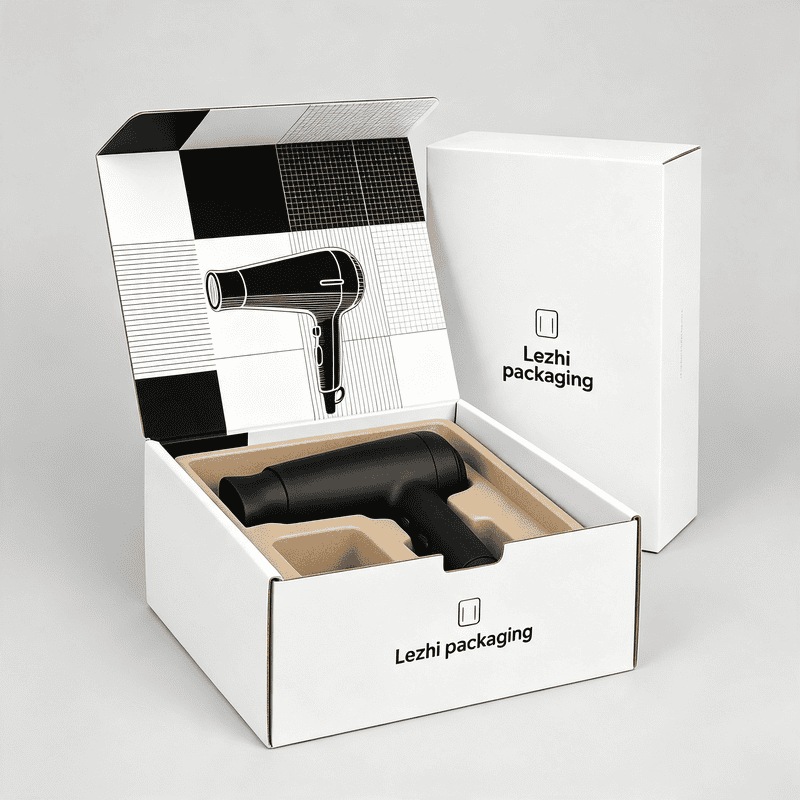
Custom Logo Appliances Magnetic Gift Box EVA Foam Insert Packaging Box for Hair Dryer Luxury Salon Tool Packing Boxes Cardboard
A premium magnetic rigid box with EVA foam insert. Well suited to mirrored palettes, compacts, and salon tools that need drop protection and a high-end reveal.
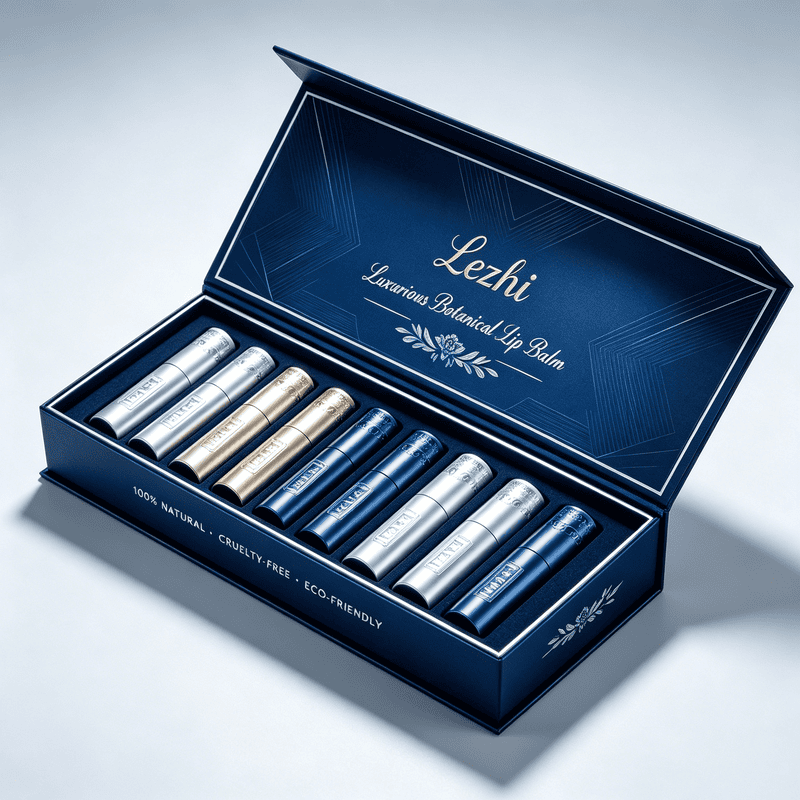
Luxury Eco-Friendly Magnetic Rigid Gift Box with Recycled Materials for Perfume Set Packaging
An eco-conscious rigid box for perfume and beauty bundles. Recycled board and soft-touch wrap can present a palette-and-fragrance set without plastic-heavy inserts.
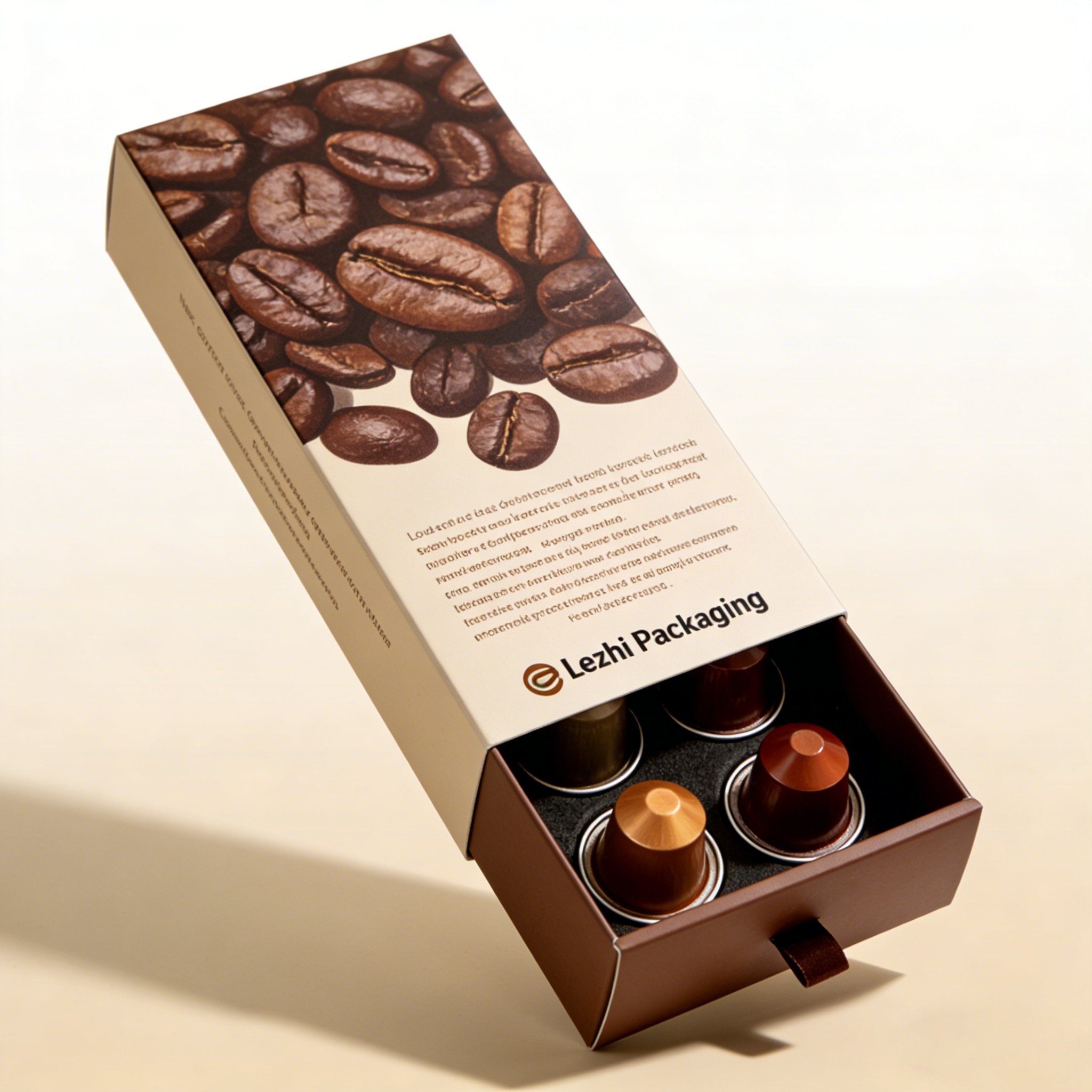
Custom Digital Printing Packaging Coffee Box Recyclable Coffee Capsule Paper Box
A digital-printed recyclable paper box. The same short-run workflow works well for limited-edition makeup palettes, influencer drops, and seasonal NYC launches.
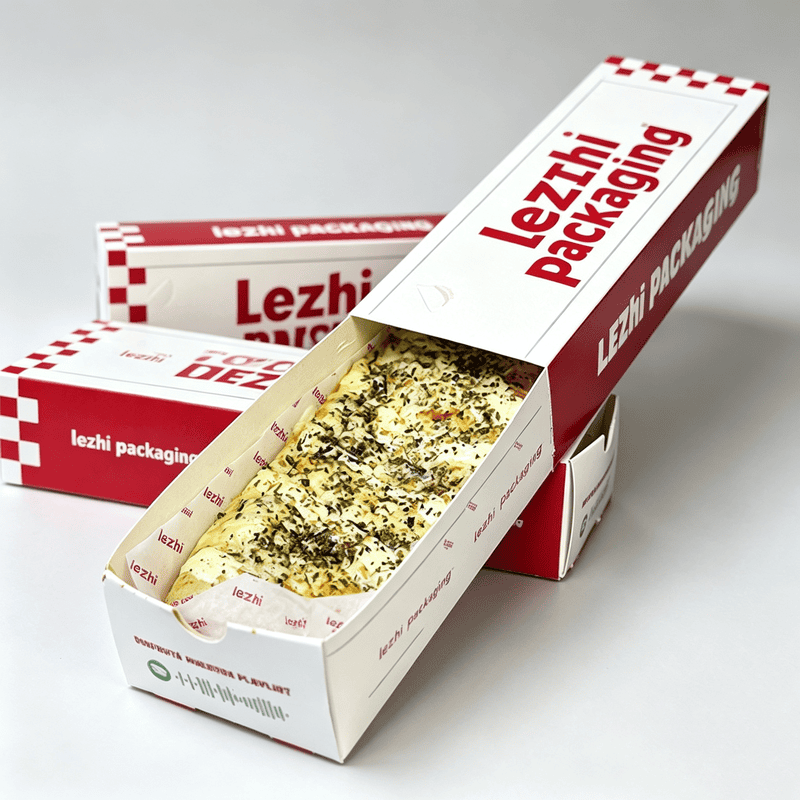
Wholesale Cheap Pizza Drawer Packaging Boxes Custom Cardboard Hot Dog Sandwich Tray Pizza Box Packaging Bakery Pizza Paper Box
A sliding drawer format that can be sized for palettes with brush wells, sponges, or applicators. Practical for NYC salon retail, gift-with-purchase, and shelf stacking.
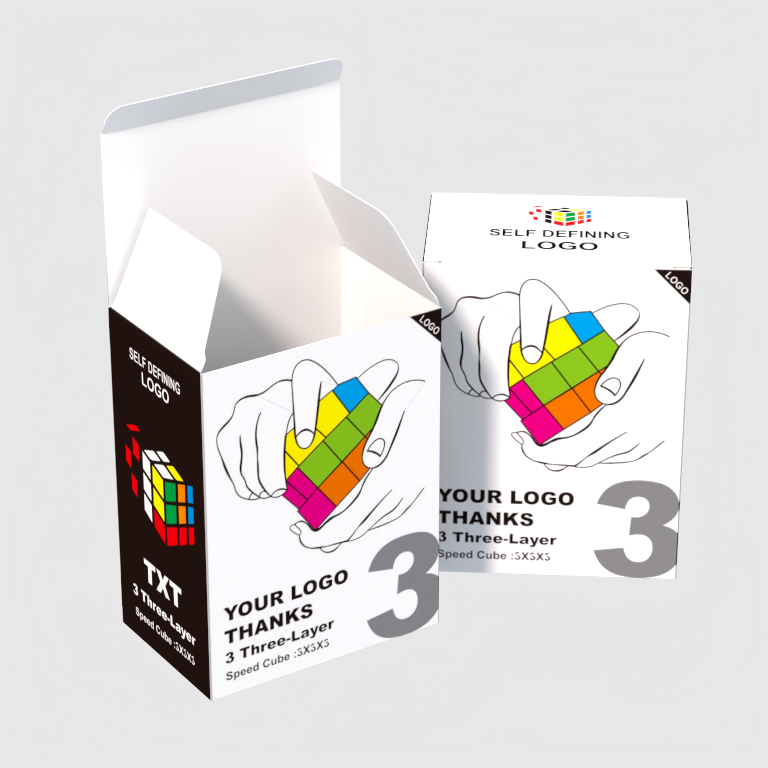
Custom Kid 's Cube Folding Box Children's Toy 3d Puzzle Paper Packaging Box
A low-MOQ folding construction for mini palettes, sample kits, and discovery sets. Ships flat to reduce freight volume while still allowing vivid brand graphics.
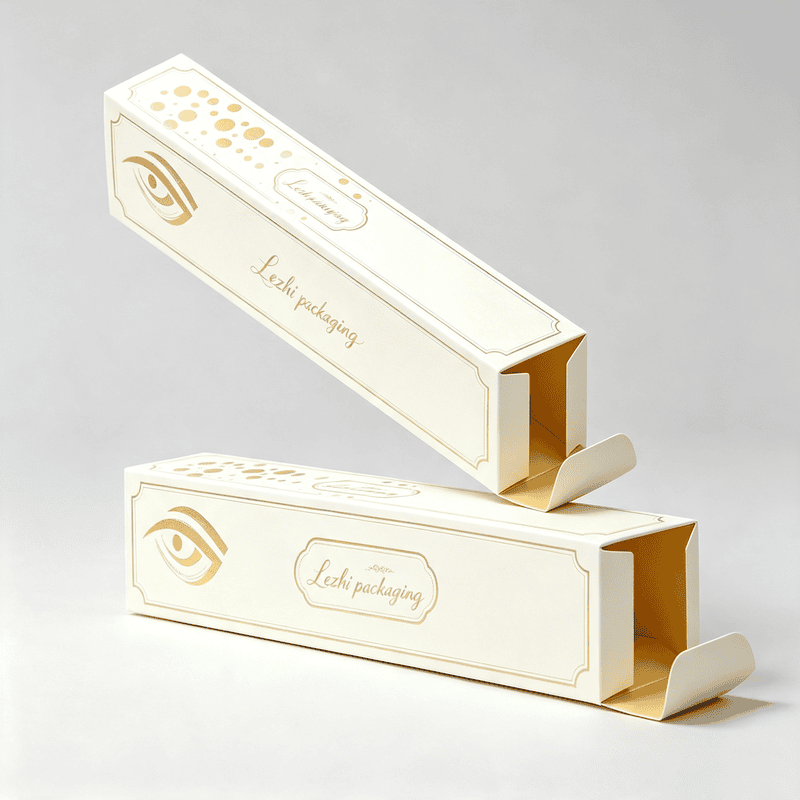
Tuck End Recyclable Cosmetic Paper Box Matt Lamination Silver Foil Logo for Makeup Brushes Face Cream Beauty Accessories
A retail-ready tuck-end cosmetic carton with matte lamination and silver foil. A clean, practical format for single palettes, makeup brushes, and beauty accessories.

Custom Printed Corrugated Roll End Tuck Front Mailer Box Cosmetic Mailer Box for Skincare Subscription Gift Shipping Packaging
A corrugated mailer for DTC shipping. Ideal for palettes that need edge protection, clean barcode placement, and an inside-print unboxing moment for subscription or marketplace orders.
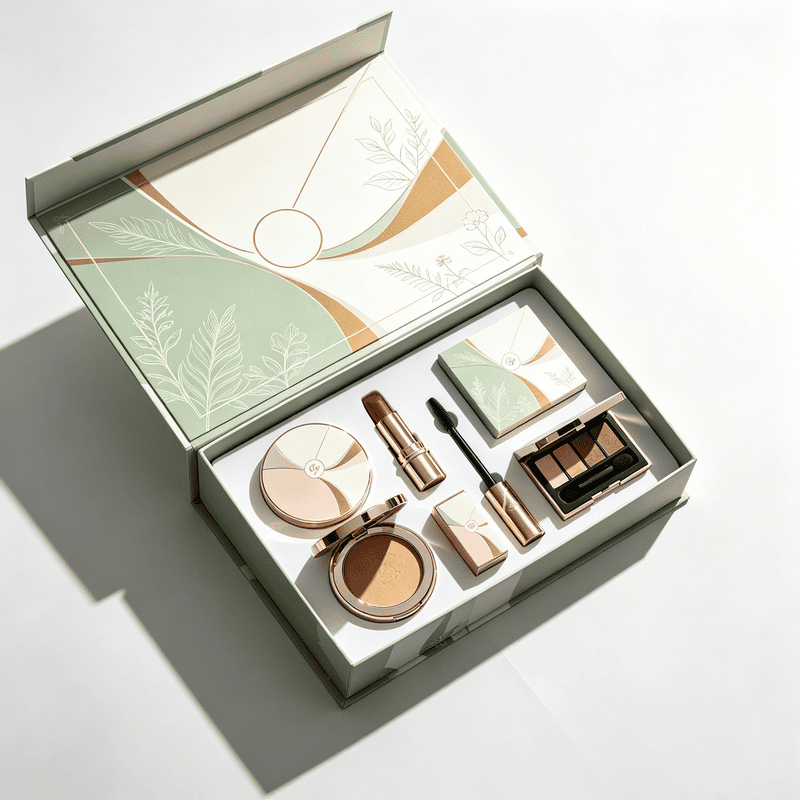
Custom Magnetic Box Packaging for Skin Care Serum Set With Cosmetic and High-end Gift Box Packaging Supplier
A high-end magnetic set box for palette, serum, and mirror bundles. Suitable for department-store gift assortments, holiday sets, and premium influencer packaging.
Why the New York Market Demands a More Strategic Cardboard Makeup Palette Box
New York is not a single wholesale market. It is a dense, fast-moving cluster of department stores, beauty specialty retailers, salon groups, indie labels, marketplace sellers, and direct-to-consumer founders who judge packaging through different lenses. A Manhattan buyer may ask for a rigid magnetic palette box with a soft-touch wrap, exact Pantone reproduction, and a mirror-safe insert. A Brooklyn founder may need only 100 to 200 folding cartons for a limited influencer drop. A Queens salon retailer may prioritize stackability, wipe-clean surfaces, and a drawer that holds brushes. A New Jersey fulfillment center may care most about a corrugated mailer that survives parcel handling and scans cleanly at the dock.
In this white paper, “cardboard makeup palettes” refers to paperboard and rigid-cardboard packaging systems used to protect and present makeup palettes. We are not describing cosmetic formulas; we are describing the structural and printed packaging that moves a palette from factory to shelf to customer. That distinction matters because packaging decisions are driven by engineering, retail compliance, and brand storytelling rather than by color cosmetics alone.
The strongest wholesale programs begin with the weakest point of the product. A 12-pan palette with a mirror, magnetic hinge, and high-gloss finish behaves differently under compression than a lightweight 6-pan cardboard palette. Buyers should therefore brief the box structure, board caliper, insert, print method, and drop-test expectation together. When those variables are separated, a supplier may quote a low unit price that later fails in transit or looks inconsistent on a New York shelf.
For New York buyers, real information gain comes from local context. A packaging partner that understands the difference between Manhattan display standards, Brooklyn drop culture, Queens salon practicality, and Tri-State e-commerce transit can recommend a better packaging mix. Instead of ordering one box for every channel, brands can use a premium rigid format for department-store launches, a digital-printed folding carton for short runs, and a corrugated mailer for direct-to-consumer shipping. This tiered approach controls cost without flattening the brand experience.
Wholesale buyers should also plan the reorder before approving the first run. Color tolerance, board availability, laminate texture, insert tooling, and carton marking all affect whether a second production batch matches the first. A reliable cardboard makeup palette wholesaler will document the approved dieline, print standard, material grade, and packaging method so that New York retail launches, replenishment orders, and marketplace shipments remain consistent months later.
New York Buyer Briefing Checklist
- Palette dimensions closed and open, plus mirror, hinge, and pan layout
- Product weight, drop-test target, retail shelf position, and shipping channel
- FSC or recycled material preference, insert type, and plastic-free goal
- Barcode, FNSKU, QR code, country-of-origin, and retailer label requirements
How New York Buyers Use Cardboard Makeup Palette Packaging
Different boroughs and channels create different packaging briefs. The right format is the one that fits the retail environment, the shipping method, and the customer’s expectation at the moment of unboxing.
Manhattan Department Stores
Premium rigid magnetic boxes with soft-touch lamination, hot foil, and precise insert cavities support high-end display standards. Buyers often require clean glue lines, strong color consistency, and a mirror-safe interior.
Focus: shelf theatre, brand prestige, flawless finish.
Brooklyn Indie & DTC Drops
Short-run digital tuck-end cartons and folding boxes let independent brands launch quickly. Low MOQ, fast artwork approval, recyclable board, and a QR code for tutorials or refill programs matter more than a heavy rigid shell.
Focus: speed, small batches, social-ready design.
Queens & Long Island Salons
Drawer boxes and compact rigid boxes keep palettes, brushes, and applicators organized at retail counters. Stackability, wipe-clean surfaces, and efficient carton packing help salons reorder without wasting backroom space.
Focus: practical retail, stackability, repeat orders.
Tri-State E-commerce
Corrugated mailers with inserts, inside printing, and clear barcode zones support Amazon, Shopify, and subscription shipments. Buyers should confirm drop-test expectations and parcel dimensions before locking a mailer size.
Focus: transit protection, scan accuracy, unboxing.
Packaging Trends Shaping the New York Makeup Palette Market
New York buyers tend to adopt packaging ideas early, then demand proof, repeatability, and cost control. These six trends appear repeatedly in briefs from beauty brands, salons, and e-commerce sellers.
Refill and Recyclable Thinking
Palette brands increasingly ask for paper-based inserts, recyclable board, and packaging that explains refill or recycling steps. Buyers should avoid unverified environmental claims and keep material evidence ready for retail review.
Short-Run Influencer Drops
Digital printing supports smaller batches, rapid design changes, and limited seasonal editions. For Brooklyn and Manhattan launch campaigns, short runs reduce inventory risk while still delivering sharp graphics and consistent color.
QR Codes and Smart Labels
QR codes can link to tutorials, shade guides, refill instructions, or authenticity pages. Print size, contrast, and quiet zones must be checked during proofing so the code remains scannable after lamination or foil stamping.
Premium Unboxing Content
Rigid boxes, inside printing, ribbon pulls, and layered inserts create social-ready moments. The packaging must still protect the palette and close cleanly after repeated opening in a retail or salon environment.
Global Supply, Local Speed
New York buyers source globally but plan locally. Factory-direct production can improve unit cost, while clear sampling, freight, and reorder schedules protect launch dates and replenishment windows.
Data-Driven Packaging Briefs
Procurement teams now compare drop-test results, carton dimensions, material weight, and reorder lead times. A packaging supplier that provides structured specifications is easier to audit and easier to scale across channels.
Packaging Data at a Glance
Use these company and project indicators to compare a factory-direct cardboard makeup palette wholesaler against a local trading intermediary.
Typical New York Buyer Priorities
Illustrative project-brief priorities, not a statistical survey. Actual priorities vary by palette format, retail channel, and order volume.
Choosing the Right Cardboard Makeup Palette Structure
Palette packaging should be selected like a protective system, not like a generic gift box. Compare the structure, protection level, finishing options, and typical order direction before you request a sample.
| Structure | Best Use for Palettes | Protection Profile | Popular Finishes | Order Direction |
|---|---|---|---|---|
| Magnetic rigid box | Premium palettes with mirror, hinge, brush, or gift-set bundle | High; greyboard shell with EVA or paperboard insert | Soft-touch, hot foil, embossing, spot UV | MOQ often from 200 pcs |
| Drawer box | Salon retail, brush wells, stackable counter display | Medium to high; tray protects edges | Ribbon pull, matte lamination, paper divider | MOQ often from 200 pcs |
| Tuck-end carton | Single palette, compact, blister-free retail carton | Medium; good for lightweight palettes | CMYK, Pantone, matte or gloss varnish | MOQ often from 200 pcs |
| Corrugated mailer | DTC, subscription, marketplace, and gift shipping | High edge protection for parcel networks | Inside print, tear strip, custom insert | MOQ often from 200 pcs |
| Foldable magnetic box | Brands reducing freight volume while keeping rigid feel | Medium to high; ships flat and sets up rigid | Matte lamination, ribbon, foam or paper insert | MOQ project-dependent |
| Kraft paper box | Clean-beauty, refill, and indie launch packaging | Medium; best for lighter palettes or secondary cartons | One-color print, stamping, paper insert | MOQ from 100 pcs for simple styles |
Ask for a dieline review before artwork is finalized. Small changes to board caliper, insert depth, or closure style can prevent costly reprints after a New York retail launch.
Why New York Buyers Work With Yiwu Jersey Packaging
Yiwu Jersey Packaging Co., Ltd. is an SGS onsite-verified manufacturer and trading company based in Zhejiang, China. Our team supports global buyers with custom paper packaging, responsible material options, low-MOQ production, and export coordination.
SGS Onsite Verification
Business type, staff, and production capabilities have been verified onsite by SGS Group. That gives overseas buyers independent evidence before placing a custom palette packaging order.
Factory-Direct Workflow
Printing, die-cutting, box forming, insert fitting, and inspection can be managed in one workflow. Fewer hand-offs usually mean tighter color consistency and clearer accountability.
Low MOQ From 100 Pcs
Many custom boxes start from 200 pieces, while simpler folding styles can start from 100 pieces. The exact MOQ depends on size, board, finishing, and insert construction.
FSC and Recyclable Options
We supply FSC-certified paper options, recyclable kraft and paperboard, soy-based inks on request, and plastic-free paper inserts for brands that need stronger sustainability documentation.
Full OEM / ODM Customization
Support includes sample-based, design-based, minor logo and graphic customization, and full structural customization. Artwork proofing and physical samples are approved before mass production.
Inspection and Export Packing
Material inspection, in-line checks, final photos, and export carton preparation help reduce surprises. We can coordinate documents and shipping details for New York and Tri-State delivery.
Six Clear Steps From Palette Brief to Delivered Boxes
A transparent process keeps sampling, printing, and shipping aligned with New York launch dates. Nothing should move to mass production without written approval.
Consultation
Share palette dimensions, weight, quantity, target retail channel, delivery ZIP code, and any sustainability requirements.
Structure Advice
We recommend box style, board grade, insert type, closure, and finishing based on protection and brand positioning.
Dieline and Proof
Review the dieline, artwork placement, barcode quiet zones, and a digital or physical sample before approval.
Deposit and Schedule
Confirm materials, deposit, production slot, inspection plan, and estimated shipping schedule in writing.
Production and QC
Printing, lamination, foil, die-cutting, box forming, insert fitting, and final inspection are checked in process.
Balance and Ship
Final photos, balance payment, export cartons, shipping documents, and tracking information are coordinated.
New York Buyer FAQ: Cardboard Makeup Palettes Wholesale
These are the questions buyers ask most often when comparing a cardboard makeup palette wholesaler, a local trading company, and an overseas factory-direct supplier.
Are you a cardboard makeup palette wholesaler in New York or an overseas factory?
We are an overseas manufacturer and trading company based in Zhejiang, China. We are not a New York stock warehouse. Our role is factory-direct custom production: dieline development, printing, box forming, insert fitting, QC, and export packing. New York buyers can arrange delivery to a port, freight forwarder, third-party logistics center, or warehouse in the Tri-State area depending on the agreed shipping terms.
What is the MOQ for custom makeup palette boxes shipped to New York?
Many custom boxes start from 200 pieces, and simple folding styles can start from 100 pieces. Exact MOQ depends on palette size, board grade, finishing, insert tooling, and whether the order uses stock or custom materials. If your New York launch requires multiple SKUs, ask about consolidating sizes or colors to reach a more efficient production threshold without overstocking a single design.
Can you make a sample before bulk production?
Yes. We support digital proofs and physical samples. Sample approval should cover structure, board caliper, closure strength, insert fit, print color, lamination texture, foil position, barcode scannability, and overall unboxing. Production should not begin until the buyer signs off on the approved sample or proof. For repeat orders, keep the approved reference so future batches can be compared against the same standard.
How do you protect fragile palettes during shipping?
Protection starts with the palette’s weakest point. Mirrors may need a soft EVA or paperboard cavity; pressed powders may need controlled compression; outer cartons may need corrugated mailers or edge protection. We review product weight, drop-test expectations, and parcel route before recommending an insert. For e-commerce sellers, consider a mailer test with the actual palette packed inside, not an empty box, because real weight changes how a parcel behaves in transit.
Which materials support sustainability requirements in New York?
Options include FSC-certified paper, recycled board, recyclable kraft, paper-based inserts, soy-based inks on request, and plastic-free interior components. Sustainability claims should be specific and verifiable. Retailer guidelines, local recycling infrastructure, and consumer expectations vary, so buyers should confirm wording and documentation before printing environmental claims on a palette box. We can provide material information for approved FSC orders where applicable.
What production and shipping timelines are typical for New York orders?
Sampling is often around 5 to 10 business days after artwork and specifications are approved, depending on structure and finishing. Production for many custom runs is commonly 12 to 20 business days after deposit and sample approval. Sea freight to the US East Coast often takes about 30 to 40 days, while air freight is typically faster but more expensive. Customs clearance, port handling, and drayage add variable time. Confirm the live schedule in your quotation.
Can you print barcodes, FNSKU labels, QR codes, and retail labels?
Yes, these elements can be included in the artwork and print plan. Buyers should provide barcode data, label placement rules, contrast requirements, and quiet-zone specifications. QR codes should be tested after lamination or foil stamping because surface reflection can affect scanning. For marketplace or retailer programs, confirm whether labels must be printed on the box, applied as stickers, or handled by the fulfillment center.
What documents and shipping terms can you support for US customs?
Typical export documents include a commercial invoice, packing list, and bill of lading or air waybill. Certificates and origin documents can be discussed for specific orders. FSC documentation may be available for approved FSC-certified production. Shipping terms such as EXW, FOB, CIF, or DDP can be quoted through a freight forwarder depending on the destination and buyer preference. Work with your customs broker to confirm import compliance for your specific business.
Request a Cardboard Makeup Palette Packaging Quote
Send your palette dimensions, closed and open size, weight, mirror details, pan layout, target quantity, artwork status, delivery ZIP code, and retail channel. Our team will recommend a structure, material, MOQ, and production plan for the New York market.