8 Foam Insert & Protective Packaging Products Recommended for Bristol Buyers
These reference products show how foam inserts can be combined with retail cartons, magnetic rigid boxes, mailer boxes and food-service packaging. All links and image assets are retained from the original product range; each style can be customised with foam, EVA, moulded pulp or paper-based insert systems.

Skincare Subscription Mailer with Recyclable PE Foam Cushioning
Ideal for Bristol beauty and wellness brands shipping glass droppers, pumps and refill bottles through parcel hubs. Die-cut closed-cell PE foam cradles reduce movement while keeping a lightweight, mail-ready footprint.
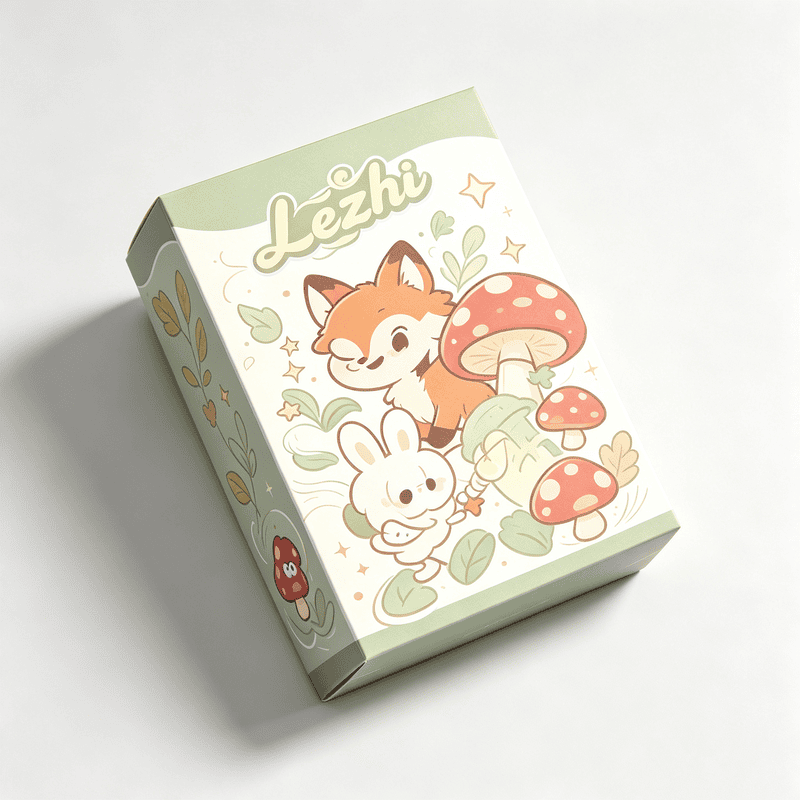
Large Cereal Box Protective Foam End Caps for Subscription Fulfilment
Use foam end caps or paper honeycomb inserts to stabilise jars, pouches and promotional bundles inside large printed cartons. A practical option for Bristol food, drink and subscription brands that need shelf impact plus transit protection.
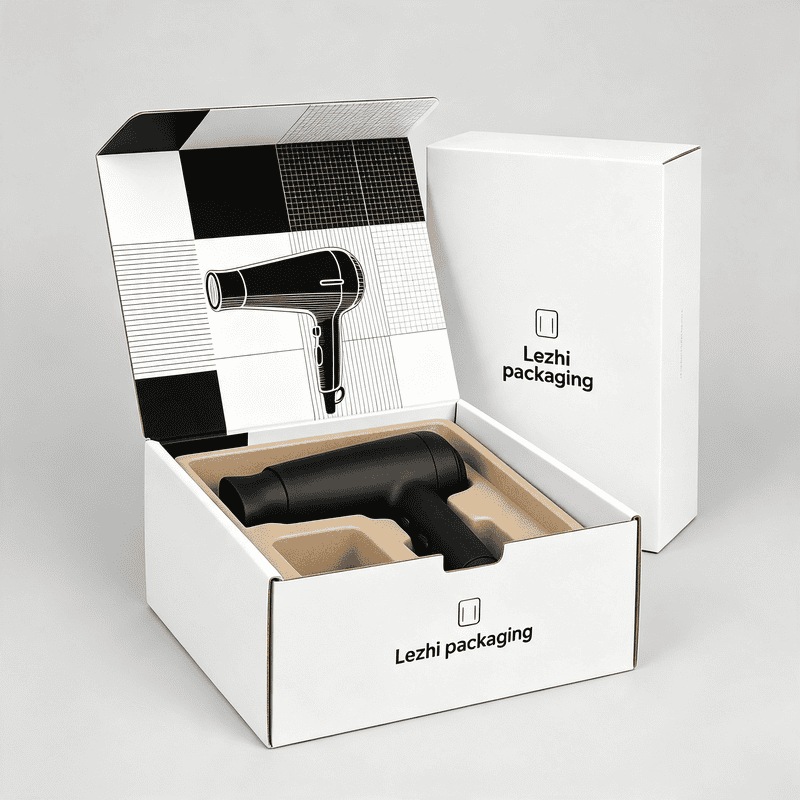
Magnetic Gift Box with EVA Foam Insert for Hair Dryer & Salon Tools
A high-value presentation format for beauty appliances, salon tools and electronic devices. Precision EVA cavities, finger notches and ribbon pulls keep accessories secure while creating a premium retail and gifting experience.

Mascara & Lip Gloss Box with Die-Cut EVA Foam Tray
For beauty brands launching gift sets, influencer kits and sample collections, a die-cut EVA or PE foam tray prevents rolling and scuffing. Foam can be matched to brand colours and combined with soft-touch cartons.

Shampoo & Essence Set Packaging with Moulded Pulp and Foam Hybrid Insert
Combine a moulded pulp outer tray with foam corner protection for heavier bottles and multi-piece sets. This hybrid approach helps Bristol brands move toward paper-based packaging while retaining reliable cushioning.
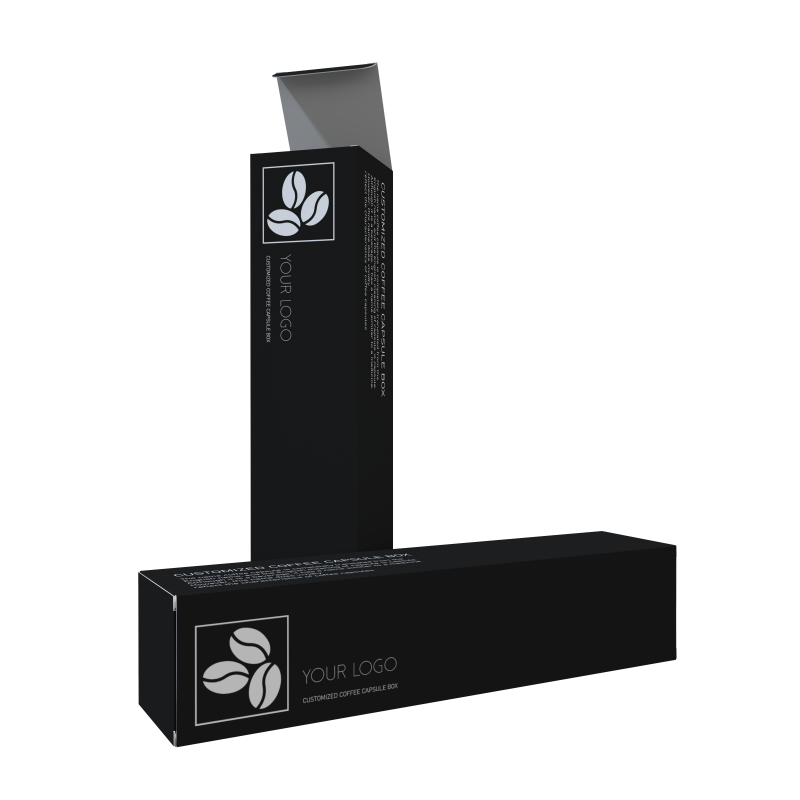
Coffee Capsule Box with Food-Grade Foam Pod Retainer
For coffee brands, hamper companies and sampling campaigns, a custom foam retainer keeps pods, capsules and accessories organised during transit. Food-contact-compliant material options and recyclable paper alternatives can be quoted.
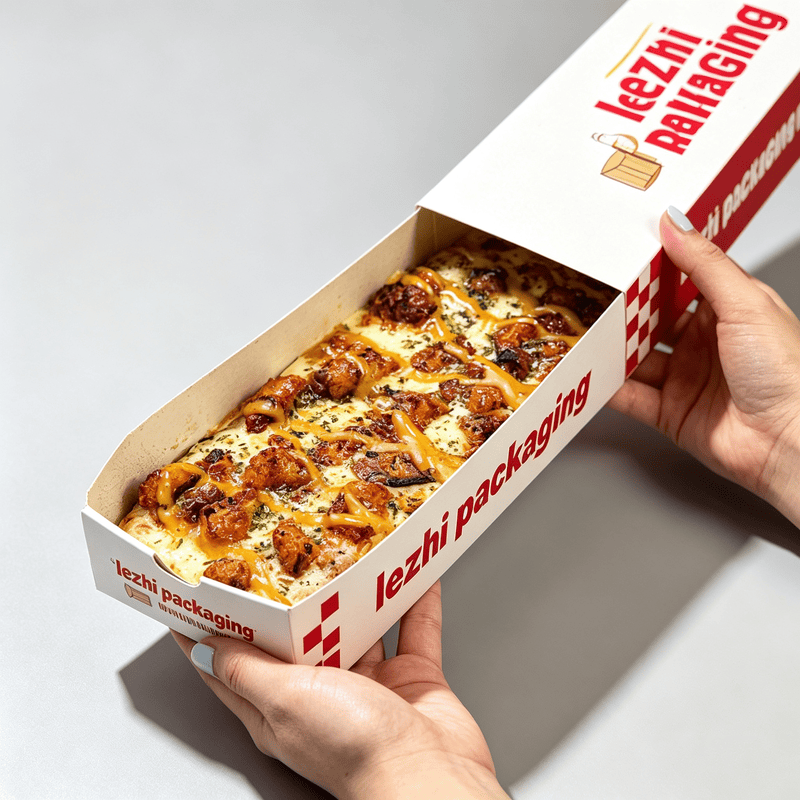
Food-Grade Sliding Pizza Drawer Box with Custom Foam Spacer
A drawer-style pack for pizza gift kits, sandwich trays and takeaway bundles. A light foam spacer can separate sauces, cutlery or branded accessories from the food-contact area while maintaining a clean presentation.
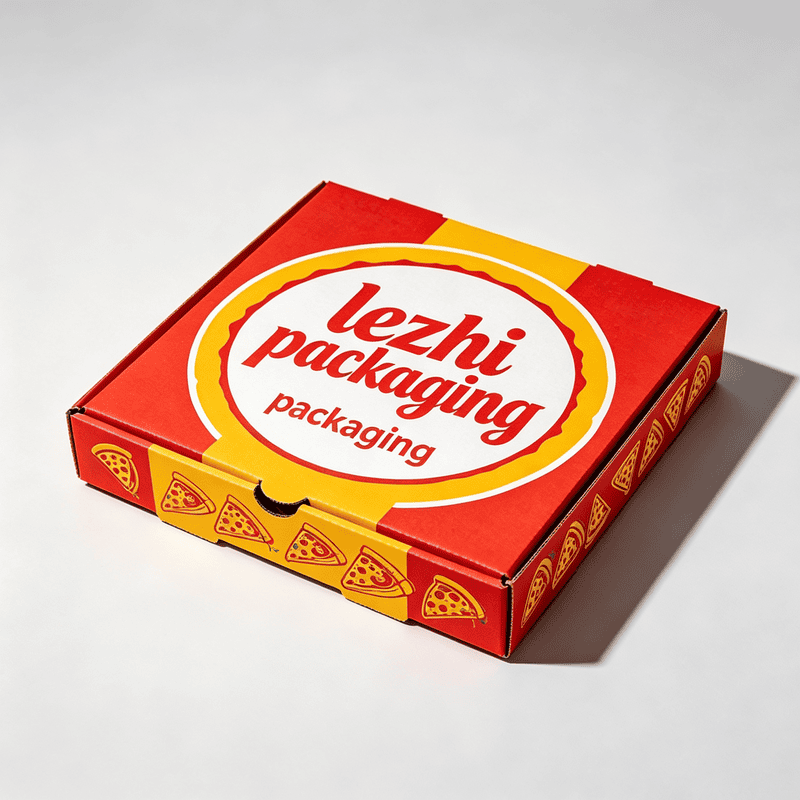
Takeaway Pizza Packaging Box with Custom Foam Corner Protectors
Use custom foam corners or a branded insert to protect accessories, sauce jars or promotional items in takeaway and delivery packaging. This is a cost-effective way for Bristol food brands to improve unboxing without changing the main carton structure.
All product references can be re-engineered with foam density, colour, thickness, ESD grade and recycling requirements confirmed at quotation stage.
What “CE Certified Foam Inserts” Really Means for Bristol Procurement Teams
Bristol buyers are not simply looking for foam. They are looking for documented protection, predictable quality and a supplier who understands how an insert component fits into a finished product’s regulatory file.
In Bristol’s advanced engineering, medical technology, electronics, e-commerce, marine and creative industries, foam inserts are often specified as critical protective components rather than generic packaging. A foam insert can determine whether a precision instrument survives a parcel-hub drop, whether an ESD-sensitive PCB reaches a customer without damage, or whether a premium product feels controlled and properly engineered when unpacked. That is why searches for a CE certified foam inserts manufacturer are common among buyers who need more than a catalogue of cheap foam blocks.
However, CE marking is not a generic badge that applies to every piece of foam. CE marking applies to products covered by specific European directives and regulations, and the final product may carry the CE or UKCA mark. Foam inserts are usually components or packaging elements that support the finished product’s compliance evidence. A credible supplier should therefore provide the documents that actually help a Bristol buyer build a technical file: material data sheets, REACH and RoHS statements, colour and density tolerances, dimensional reports, batch traceability, change notification and, where relevant, ESD or flammability information. This distinction matters because over-claiming a certification is a warning sign; clear documentation is the real buying signal.
Technical documentation Bristol buyers should request
- Material Technical Data Sheet with foam type, density range, thickness tolerance and compression behaviour.
- REACH and RoHS declarations for the actual grade supplied, not a generic “eco-friendly” statement.
- Colour, hardness and dimensional inspection reports for the production batch.
- Change-control notification before foam grade, adhesive, lamination or insert geometry is altered.
- ESD or anti-static data where sensitive electronics, photonics or medical electronics are packed.
- Recycling and disposal guidance to support Bristol’s net-zero and circular-packaging goals.
Material selection at design stage
Foam selection should follow product weight, fragility, drop height, surface finish, cleaning requirements, recycling targets and expected transport route. Closed-cell PE foam is often chosen for general transit protection because it resists moisture and offers predictable cushioning. EVA foam is popular for premium presentation because it can create crisp cavities and soft-touch surfaces. PU foam can conform to irregular shapes, while EPP is resilient and suitable for reusable trays. Moulded pulp, paper honeycomb and folded corrugated inserts are strong options where Bristol buyers want to reduce plastic content.
For many projects, the best result is a hybrid insert: a paper-based outer tray with foam corners, or a moulded pulp base with small EVA features for precision components. This approach supports sustainability targets without compromising protection. The specification should be tested against a realistic transit scenario rather than selected from a catalogue alone. Where required, our team can quote ISTA-style transit testing, drop-test review and sample approval before mass production.
Design details that separate a reliable insert from a loose foam block
Good insert design includes clearance for easy removal, finger notches, radiused corners to reduce tearing, controlled cavity depth, consistent slit widths and adhesive selection that matches the foam surface. Foam compression must be considered: too little clearance can grip a product too tightly; too much can allow movement and surface abrasion. Artwork, recyclability markings and assembly instructions should be agreed at the same time as the insert drawing. For Bristol buyers managing engineering change or low-volume product variants, modular cavities and reversible inserts can reduce tooling cost and packaging waste.
Foam Insert Applications Across Bristol’s Advanced Manufacturing and Creative Economy
Bristol’s economy combines engineering, digital technology, life sciences, creative production, food and drink, logistics and marine activity. Each sector places different demands on protective packaging.
Aerospace & Advanced Engineering
For suppliers around Filton, Avonmouth and the wider Bristol engineering cluster, custom foam trays keep machined parts separated, prevent metal-to-metal contact and make tool-control inspection faster. PE, EVA and EPP inserts can be fitted into rigid boxes or returnable cases.
Medical Devices & Diagnostics
Bristol’s medtech and diagnostics companies need clean, repeatable packaging with clear material declarations. Foam trays can protect instruments, cartridges and delicate assemblies; documentation can support validation, incoming inspection and supplier-change control.
Electronics, Photonics & Creative Tech
From PCB assemblies to AV equipment and photonics components, ESD-safe and low-abrasion foam options reduce handling risk. Bristol’s creative technology studios also value presentation inserts that organise cables, lenses, mounts and accessories in a repeatable way.
E-Mobility & Battery Components
Battery packs, chargers and e-bike components require robust separation and clear packaging instructions. Inserts can be designed around transport regulations and drop performance, with material choices and documentation agreed before shipment.
E-commerce, Subscription & Premium Retail
Bristol direct-to-consumer brands, subscription clubs and independent retailers need packaging that protects goods and photographs well. Foam inserts can hold bottles, cosmetics, coffee pods, candles and gift sets securely while reducing movement and return damage.
Marine, Renewable Energy & Food Gifting
Bristol’s marine and renewable-energy supply chain often needs corrosion-conscious, organised packaging for instruments and replacement parts. Meanwhile, food and drink gift producers can pair FSC paper boxes with food-contact-compliant inserts for hamper and sampling kits.
Bristol Packaging Trends: Low-Carbon, High-Mix and Circular by Design
Bristol’s net-zero ambition, Clean Air Zone and concentration of high-value manufacturing are changing the brief for foam inserts. Price per piece is only one part of the total cost model.
Buyers are requesting recycled PE, mono-material foam, moulded pulp, paper honeycomb and recyclable paperboard combinations. A design that uses less material but still passes transit trials is often more persuasive than a “green” claim without evidence.
Bristol start-ups, engineering firms and creative studios launch products in smaller batches. Low MOQs from 100–200 pcs, digital proofs and modular insert cavities reduce upfront tooling risk while allowing product variants.
Post-Brexit procurement teams need clear product descriptions, HS codes, material declarations, EORI coordination and importer information. For regulated products, foam suppliers should support—not replace—the final manufacturer’s CE/UKCA technical file.
Bristol’s e-commerce and gifting brands want inserts that protect goods and improve the unboxing moment. Reusable trays, finger notches, printed inserts and return-friendly designs help reduce damage and improve customer reviews.
Material, Insert and Finishing Specification Matrix
A practical reference for Bristol buyers comparing foam, paper-based and hybrid insert systems before requesting samples.
| Insert Type | Typical Use | Protection Profile | Sustainability Options | Buyer Note |
|---|---|---|---|---|
| Closed-cell PE foam | Transit protection for bottles, electronics, tools and cosmetic sets | Moisture-resistant, good shock absorption, available in multiple densities | Recyclable PE and recycled-content grades can be quoted | Specify density, thickness and colour tolerance on the drawing. |
| EVA foam | Premium gift boxes, beauty appliances, presentation trays | Crisp die-cut cavities, soft-touch feel, strong dimensional stability | Recyclable and low-VOC options may be available | Ideal when unboxing experience and precise product fit are priorities. |
| PU foam | Irregular shapes, instrument protection, cushioning liners | Soft and conformable; density and compression set must be matched to load | Material-specific recycling routes vary | Ask for compression-set data where repeated use is expected. |
| EPP foam | Reusable trays, returnable engineering packs, heavier components | Resilient, lightweight and impact-resistant | Reusable design can reduce single-use packaging | Suitable where repeated handling is part of the logistics cycle. |
| Moulded pulp | Bottle sets, electronics, cosmetics and gift boxes | Good shape support with paper-based circularity story | Recyclable and plastic-free options | Best for buyers targeting paper-only packaging, subject to transit testing. |
| Paper honeycomb / corrugated insert | Subscription boxes, e-commerce kits, light retail goods | Low-weight structure and flexible slot-in design | FSC paper and recyclable board options | Useful when plastic reduction is more important than maximum cushioning. |
| Hybrid insert | Premium sets needing both presentation and protection | Combines moulded pulp or paperboard with small foam corners | Reduced foam volume and easier separation for recycling | An efficient route for Bristol brands balancing cost, protection and ESG reporting. |
Why Yiwu Jersey Packaging Is a Credible Foam Insert & Packaging Partner for Bristol
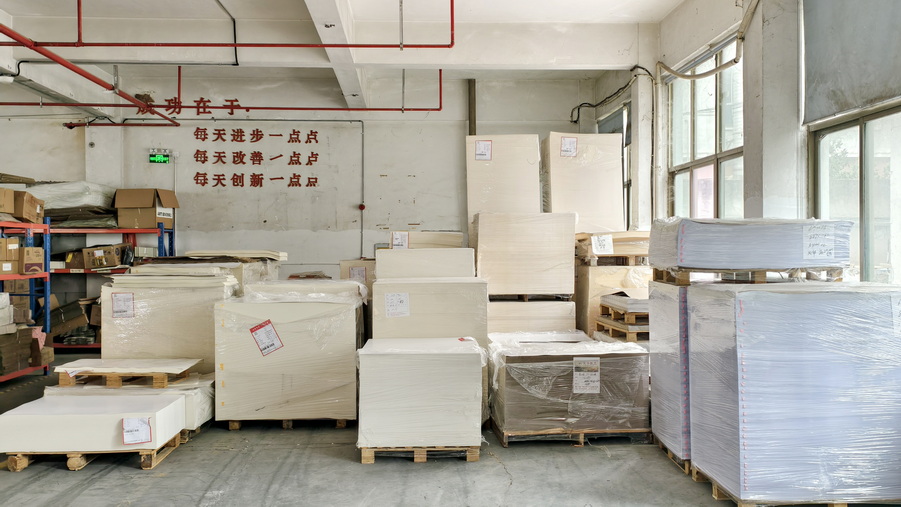
Yiwu Jersey Packaging Co., Ltd. is a manufacturer and trading company based in Zhejiang, China, with business type and capabilities verified onsite by SGS Group. Our team of 38 staff includes export specialists who translate technical drawings, artwork, packaging specifications and Bristol delivery requirements into production-ready instructions.
The company’s original strengths translate directly into foam insert programmes: low MOQ from 100–200 pcs, four customization modes—sample-based, design-based, minor logo/graphic and full structural customization—and coordinated production for paper boxes, rigid boxes, magnetic closures, food packaging, cosmetic sets and foam inserts. FSC-certified paper options, recyclable kraft and paperboard, soy-based inks on request and plastic-free paper inserts help Bristol brands align packaging with sustainability goals.
Because printing, die-cutting, box forming, insert fitting and inspection can be managed in one workflow, buyers get tighter colour consistency and fewer hand-offs between suppliers. That matters when a packaging concept combines a printed outer box with an EVA foam tray, a moulded pulp cradle or a food-contact insert. Our SGS onsite-verified status, on-site material inspection and documented production approvals provide a stronger due-diligence path than buying from an unverified middleman.
- SGS onsite-verified manufacturer and trading company.
- 38 verified staff, including export coordination.
- 4.9/5 buyer rating and repeat-order experience.
- Low MOQ from 100–200 pcs for many custom styles.
- FSC paper, recyclable board and foam insert integration.
- CMYK/Pantone offset, digital printing, foil, emboss, spot UV and soft-touch lamination.

Questions Bristol Buyers Ask Before Ordering Foam Inserts
Practical answers on CE/UKCA documentation, samples, MOQs, shipping to Bristol, material selection and supplier due diligence.
Are your foam inserts CE certified?
Can you supply small volumes to Bristol?
Which foam materials are available?
Can you make samples before bulk production?
What is the typical lead time to Bristol?
Can you support UKCA, customs and importer requirements?
Can foam inserts be recycled or plastic-free?
Is Yiwu Jersey Packaging a factory or a trading company?
Request Your Foam Insert Catalog for Bristol Projects
Send your product dimensions, weight, drop-test requirements, target material and estimated quantity. Our packaging team will recommend an insert structure, foam grade, outer box combination and documentation package for your CE/UKCA technical file review.