China Wholesale Paper Bakery Bags Exporter & Exporters serving Munich
Custom-printed kraft, greaseproof and SOS-style paper bakery bags for Munich bakeries, cafés, hotel breakfast teams, organic grocers and event caterers — supported by SGS onsite-verified manufacturing, FSC paper options, low-MOQ customization and export-ready quality control.
Eight Paper Packaging References for Bakery-Led Retail
These eight reference products help Munich buyers evaluate food-grade paper, print registration, windowing, rigid construction and recyclable finishes before commissioning a dedicated paper bakery bag programme. Every URL below is preserved so your team can compare structures, artwork detail and finishing quality.
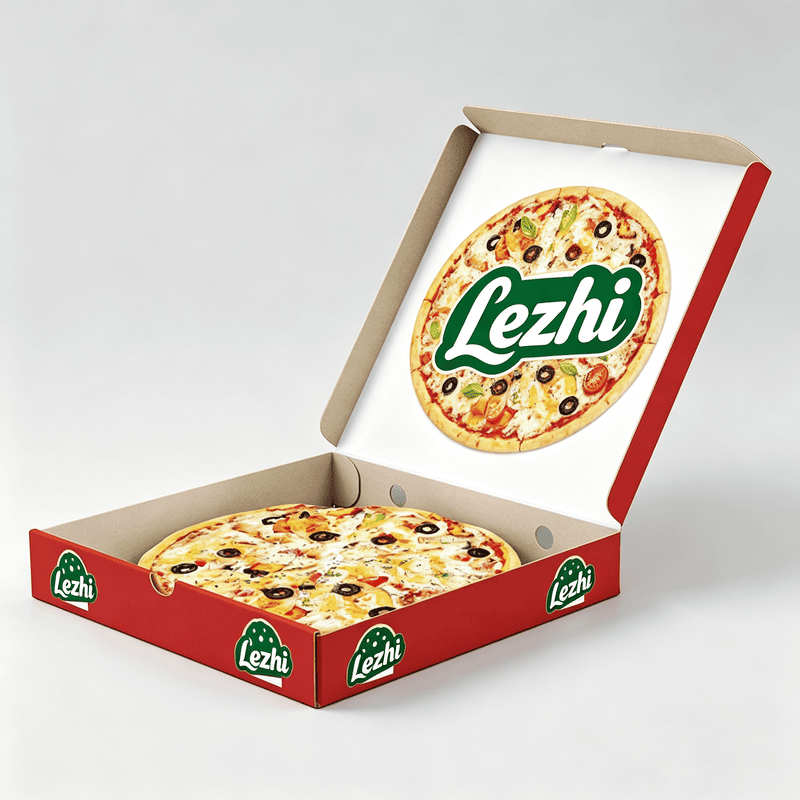
Wholesale 8–10–12–16 Inch Bakery Food Pizza Box
A practical benchmark for heat-tolerant food boxes used beside bakery counters and café takeaway shelves.
View product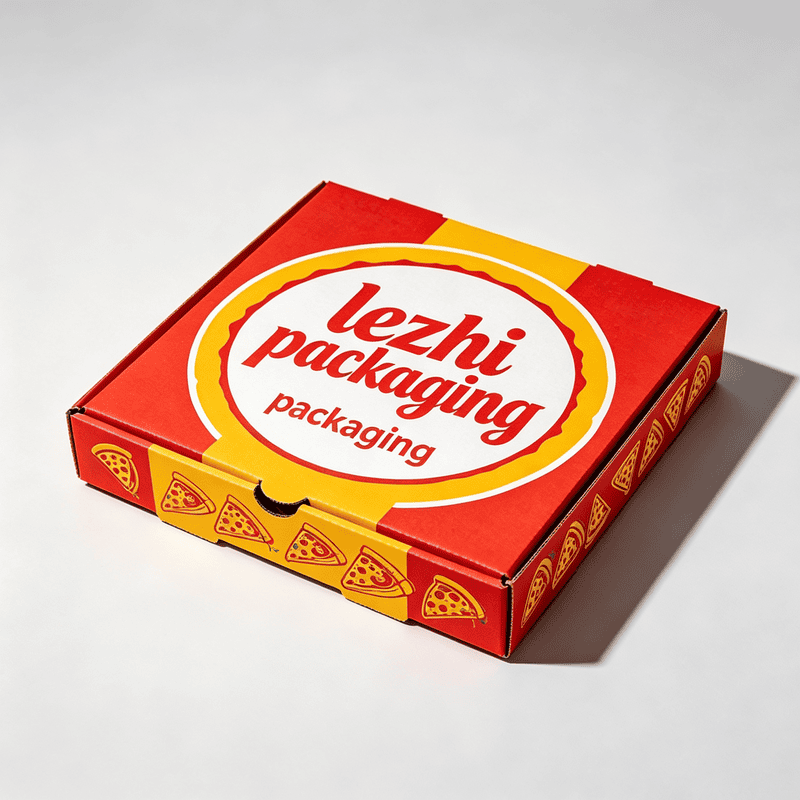
Custom-Logo Food-Grade Pizza Packaging Box
Shows how logo printing can unify a bakery bag order with takeaway boxes and branded counter packaging.
View product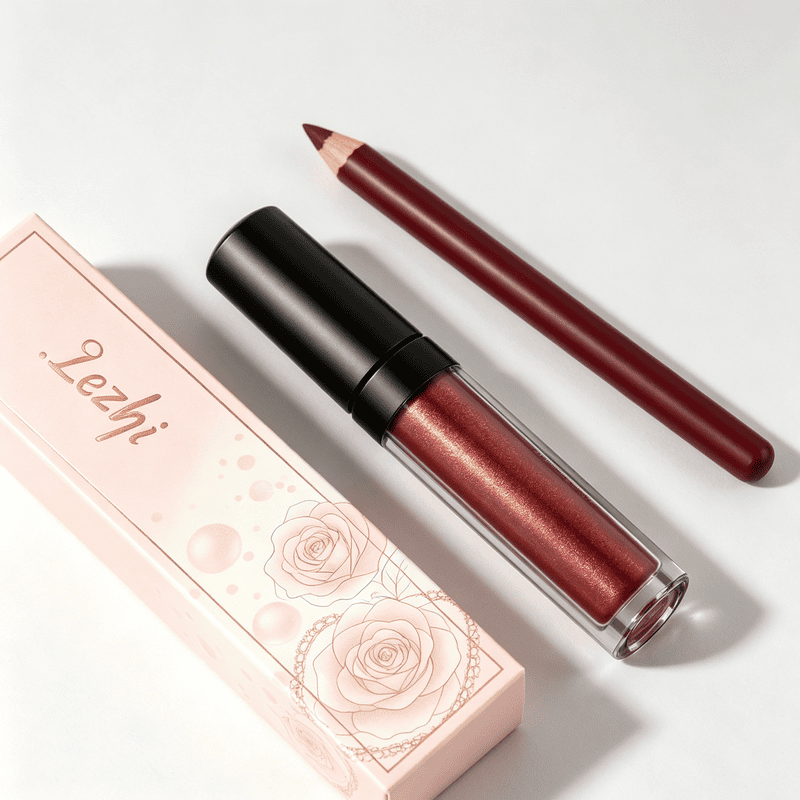
Makeup Brush Packaging Box with PET Window & Insert
A useful reference for clean window patches, inserts and premium retail finishing, adaptable to paper-window bakery bags.
View product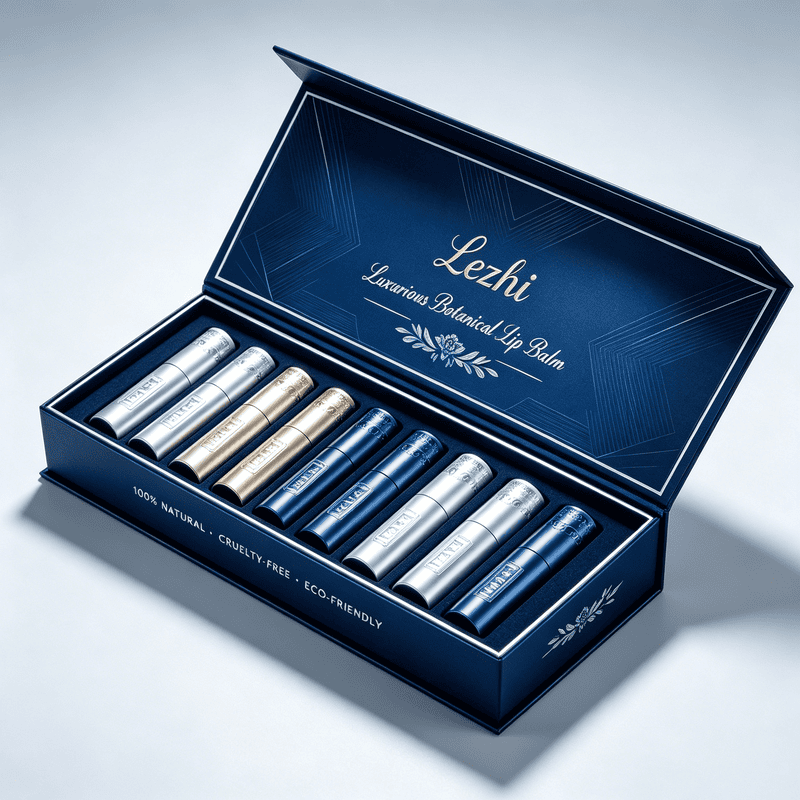
Luxury Eco-Friendly Magnetic Rigid Gift Box
Premium recycled-board construction for stollen, gift loaves, festive hampers and Munich corporate gifting.
View product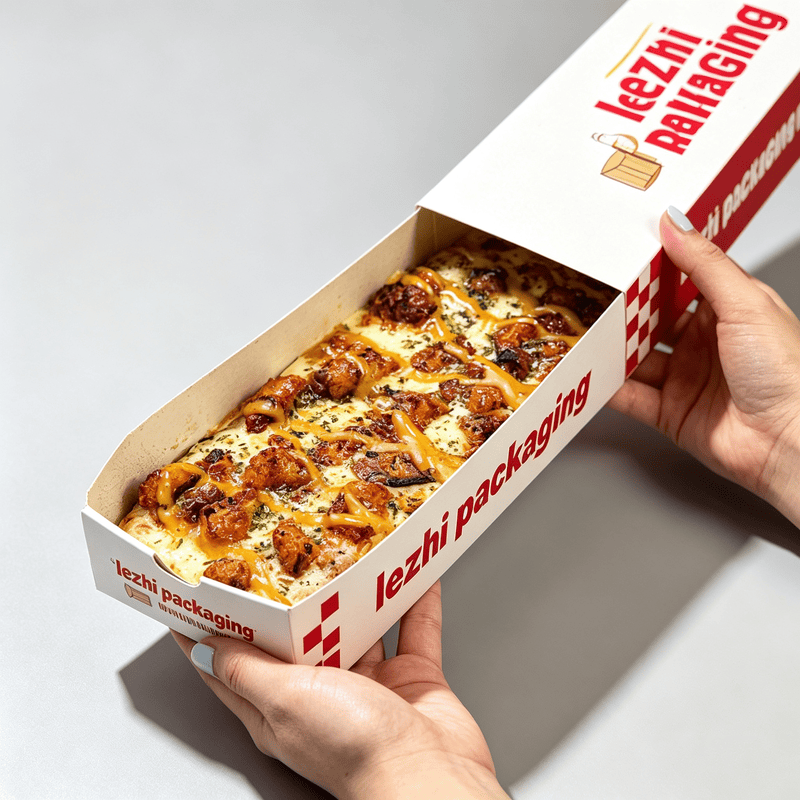
Disposable Sliding Pizza Drawer Box
A drawer-style format for sandwiches, pastries and market snacks where quick opening and clean serving matter.
View product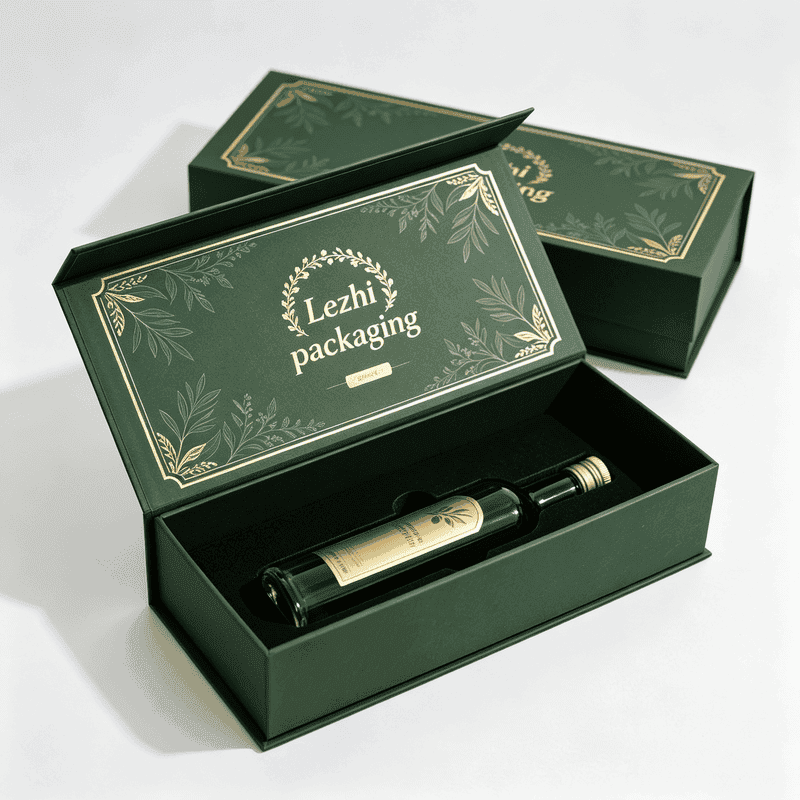
Customized Luxury Whiskey Glass Storage Box
Rigid gift-set reference for branded hamper programmes that pair paper bags with premium boxes.
View product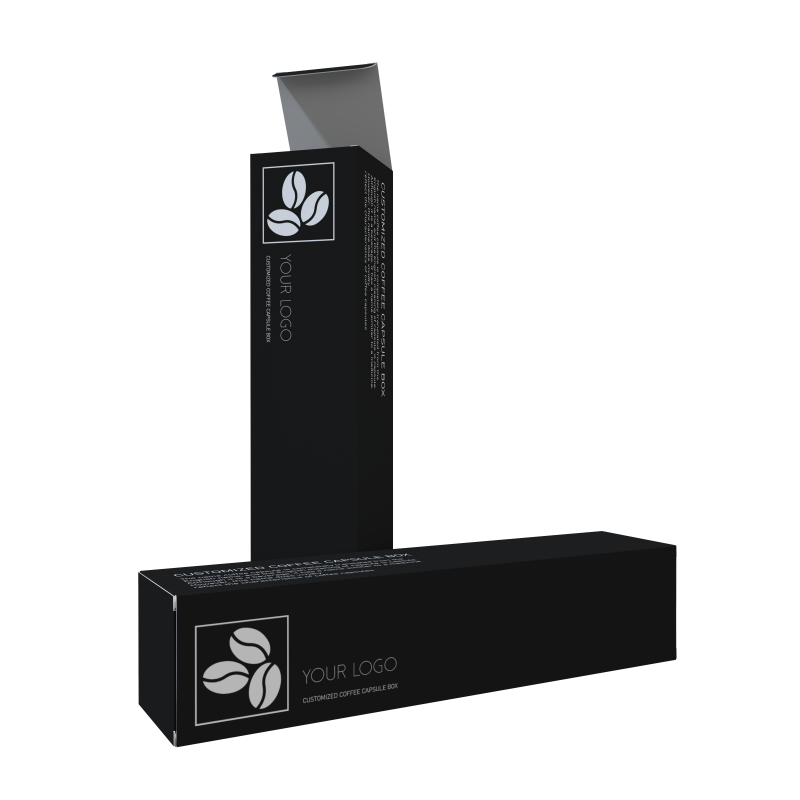
Custom Cardboard Coffee Capsule Packaging Box
A compact retail carton for coffee-to-go add-ons, breakfast counters and branded convenience retail.
View product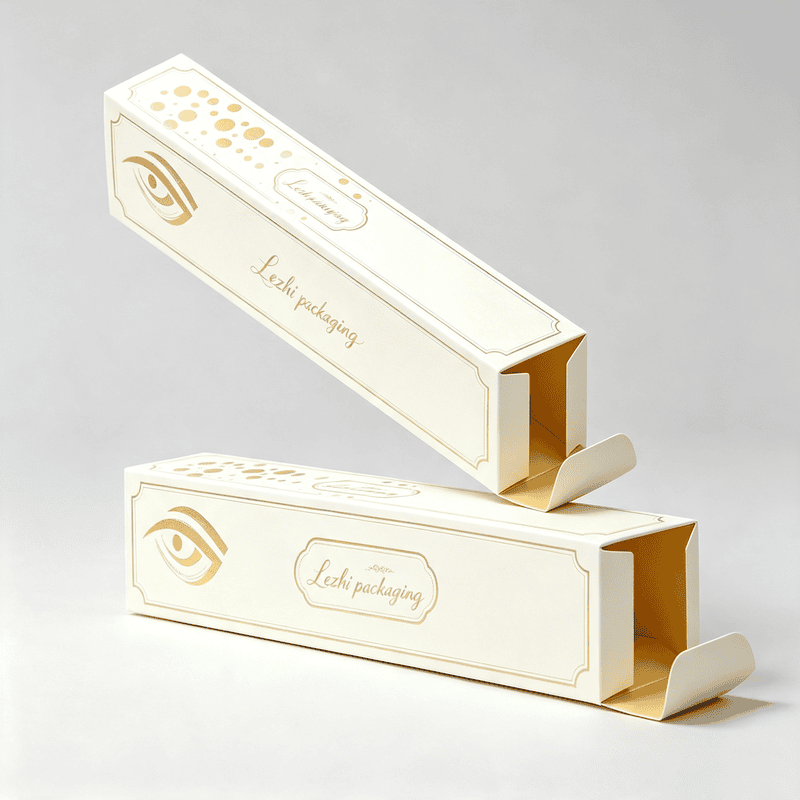
Tuck-End Recyclable Cosmetic Paper Box
Recyclable tuck-end construction with foil logo, showing how premium cues can remain paper-first.
View productThese items are packaging references rather than fixed bag specifications. For a paper bakery bag quotation, send bag format, paper grade, grease-barrier requirement, printed colours, handle type and target order quantity so the MOQ and sample route can be confirmed accurately.
Why Munich Bakeries Need a Technical Bakery Bag Specification
Munich is not one single retail market. It combines artisan bread counters, hotel breakfast service, neighbourhood cafés, organic grocers, weekly markets, delivery-only bakeries and seasonal event catering. Each channel exposes a paper bakery bag to different heat, grease, moisture and branding demands.
A China wholesale paper bakery bags exporter serving Munich has to do more than quote a low unit price. The serious buyer compares paper grade, food-contact documentation, print consistency, bag-bottom strength, handle attachment, barrier performance and the supplier’s ability to repeat the same shade across seasonal reorders. That is where a verified manufacturing workflow becomes commercially useful.
For dry, crusty bread and pretzels, an uncoated kraft or white kraft bag may be perfectly appropriate. For butter pastries, chocolate-filled croissants, warm sandwiches or oily snacks, the buyer must specify a tested grease-resistant layer or a suitable inner liner. Treating “food-grade paper” as a single universal claim is a common procurement mistake. Munich buyers increasingly ask for PFAS-free barrier options, recyclability information and clear material labelling before approving artwork.
Our role as a paper packaging partner is to translate a bakery’s service flow into a producible bag brief: bag dimensions, paper weight, opening style, handle type, print colours, logo placement, barrier requirement, packing format and final destination. The result should protect the product at the counter, represent the bakery brand on the street and pass the buyer’s compliance review without slowing the morning rush.
Buyer intent decoded
Munich procurement teams usually search for a supplier who can combine four outcomes:
- Custom logo printing with repeatable colour
- Food-contact and material documentation
- FSC paper options and recyclable design
- Low-MOQ trials before peak seasons
- Sample approval before mass production
- Export packing that protects finished bags
Where Paper Bakery Bags Work Across Munich
Munich buyers rarely purchase one generic bag for every product. The best specification separates dry baked goods, greasy pastries, hot takeaway items and premium gift purchases so that material cost is not wasted on the wrong application.
01Artisan bread counters
For loaves and pretzels around Altstadt, Schwabing and Viktualienmarkt, an uncoated brown kraft bag gives breathability, a natural bakery feel and efficient counter handling. Add a simple one-colour logo for a restrained Munich retail look.
02Pastry and Kuchen takeaway
Butter, cream and chocolate pastries need more attention than dry bread. Specify a grease-resistant paper or a clean glassine-style liner, then verify migration performance with the chosen printed ink, adhesive and paper combination.
03Coffee-to-go breakfast
A café near Marienplatz or a Munich office district may need a fast-opening SOS bag with a paper twist handle. Keep the print bold but compact; the bag must be easy to open, carry and pack during the breakfast peak.
04Hotel and boutique breakfast
Hotels around Bogenhausen, Lehel and the central station often prefer white kraft, subtle foil or clean matte finishes. The bag should coordinate with napkins, jam jars, pastry boxes and in-room breakfast packaging without over-branding.
05Organic and zero-waste grocers
Uncoated FSC kraft, paper-window options and plastic-free construction appeal to organic retailers. However, recyclability claims must match the final bag: handle, window, coating and printing all affect the disposal message.
06Christmas markets and events
Seasonal stalls selling Lebkuchen, candied almonds, roasted nuts or gift packs need artwork approval months before the market. Order mixed sizes, keep a packing list by SKU and verify barrier suitability for warm or oily products.
How to Choose a Paper Bakery Bag for Munich Buyers
Use this buying matrix as a starting point, then confirm the final paper grade, barrier and food-contact declaration with the factory before signing artwork approval.
| Bag format | Typical construction direction | Best Munich use | Buyer check |
|---|---|---|---|
| Flat kraft bread bag | Uncoated or lightly coated kraft, 40–70 gsm range | Crusty bread, pretzels, dry baguettes | Breathability, bottom strength, logo registration |
| SOS takeaway bag | Self-opening sack with flat bottom, paper twist handles optional | Café breakfast, pastries, multiple items | Handle attachment, opening speed, pack volume |
| Greaseproof glassine bag | Dense transparent or translucent paper with grease resistance | Butter pastries, chocolate products, warm snacks | PFAS-free declaration, migration test, heat resistance |
| Tin-tie bread bag | Kraft bag with wire closure or paper alternative | Artisan loaves, gift bread, hotel breakfast | Recyclability message, closure safety, reclose performance |
| Baguette bag with window | Kraft or white paper with paper window or film-free window option | Display bakery counters, sandwich shops | Window material, recyclability claim, print alignment |
| Paper carrier bag | Higher-gsm kraft with twisted paper handle | Multi-item bakery purchases, gift sets | Handle load, reinforcement, moisture exposure |
Recommended Munich configurations: use uncoated kraft for dry bread; use a verified PFAS-free grease barrier for pastries; use white kraft with restrained foil or matte printing for hotel breakfast; and use FSC paper with documented chain-of-custody when the buyer intends to display an FSC claim.
Localized Packaging Trends Shaping Bakery Bag Purchasing
Munich buyers are balancing Bavarian bakery tradition with European packaging regulation, consumer scrutiny and the practical demands of high-frequency food service.
PPWR-ready thinking
Brands are preparing for stronger EU packaging and packaging-waste requirements. Mono-material paper designs, clear material labels and reduced overwrapping are becoming easier to defend than multi-material combinations.
PFAS-free grease resistance
Pastry bags and snack wrappers are under closer review. Ask for a written PFAS-free declaration, migration test reports and a specific barrier recommendation instead of relying on the phrase “eco-friendly”.
FSC chain-of-custody
FSC is strongest when the certificate, material route and final product claim align. Munich buyers should confirm the exact paper grade, mill documentation and whether the printed bag can legally carry the mark.
Quiet premium branding
Bavarian bakery customers respond to confident but restrained design: natural kraft, deep green, warm white, fine foil lines and local typography. Over-designed bags can feel less authentic than a clean one-colour print.
Event-led short runs
Oktoberfest, Advent markets and spring festivals create short demand windows. Low-MOQ trials and early sample approval help bakeries test designs without committing the entire year’s budget to one bag size.
Digital print for variants
Digital printing supports multiple store names, languages and seasonal editions. For Munich multi-store operators, the key is to fix bag structure once and manage artwork versions without disrupting repeat colour consistency.
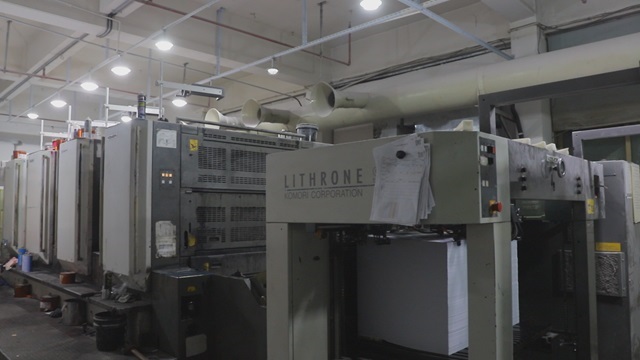
Why Yiwu Jersey Packaging Supports Munich Buyers
Yiwu Jersey Packaging Co., Ltd. is a manufacturer and trading company based in Zhejiang, China, with business type and capabilities verified onsite by SGS Group. This matters to overseas buyers because supplier verification, production responsibility and export communication sit within one accountable workflow.
Our team of 38 staff includes dedicated export specialists who turn brand briefs into production-ready dielines, artwork proofs and shipment plans. For paper bakery bag programmes, the same discipline applies: confirm the bag structure, choose a compliant paper and barrier route, approve the print master, inspect the finished goods and pack the cartons for export.
- SGS onsite-verified manufacturer and trading company
- FSC-certified paper options and documentation support
- Sample-based, design-based, minor and full customization
- CMYK, Pantone, digital print, hot foil, embossing and spot UV
- Incoming material inspection and final production QC
- Low MOQ from 100 pcs for simple styles; 200 pcs for most custom boxes
For Munich, this means you can request a paper bakery bag quote together with adjacent takeaway boxes, coffee cartons and gift packaging. That reduces the number of suppliers to manage and keeps brand colours more consistent across the counter, the takeaway shelf and the seasonal hamper.
Six Steps from Munich Brief to Export Cartons
A clear approval gate at each stage protects the bakery from artwork errors, material surprises and peak-season delays.
Brief and bag logic
Share product type, bag dimensions, paper preference, barrier need, print colours, handle style and target quantity.
Material and compliance route
Confirm kraft grade, FSC option, grease barrier, food-contact documents and any German or EU artwork text.
Artwork and dieline proof
Review the dieline, logo placement, bleed, barcode space, recycling label and colour break before sampling.
Sample approval
Approve a physical or digital proof. Check size, opening, bottom strength, handle, print position and barrier feel.
Production and QC
Printing, lamination where specified, bag forming, handle or closure work and final inspection proceed against the approved standard.
Packing and export
Finished bags are counted, protected against moisture and packed for sea, air or express movement to Munich.
What to Verify Before a Bakery Bag Order Ships
For a product that touches food and represents the bakery at the counter, the quality conversation must be specific. These are the practical checkpoints we recommend for Munich procurement teams.
Paper route
Confirm gsm, shade, virgin or recycled content, FSC status, food-contact declaration and mill traceability. Ask for the exact grade, not a general category.
Food-safe barrier
For greasy pastry, request a PFAS-free option and migration test evidence. Match the barrier to the food and serving temperature; do not use dry-bread paper for warm oily snacks.
Print control
Approve a colour master, Pantone references or digital target. Check small type, German umlauts, QR codes and foil registration before mass production.
Bag strength
Review bottom seal or fold, side glue, handle attachment and pack count. A bag that looks correct but opens too slowly at the counter is a costly specification error.
Export packing
Finished bags should be protected from compression, moisture and dust. Carton labels must match SKU, size, quantity and the receiving address in Munich or Germany.
Claim integrity
Recyclable, compostable, FSC and “plastic-free” claims must be supported by the actual construction and paperwork. The final label should match what the certified material route allows.
Common Procurement Questions from Munich Bakeries
These are the questions our export team recommends clarifying before a paper bakery bag sample is approved.
What is the MOQ for custom paper bakery bags?+
Can you print German text, umlauts and our Munich bakery logo?+
Are the bags food-safe and PFAS-free?+
Which paper bag is best for pretzels, bread and pastries?+
Can we order mixed bag sizes and related takeaway packaging?+
How should we plan samples before Oktoberfest or Christmas market season?+
Can you support FSC and recyclable packaging claims?+
Why choose a China exporter for Munich paper bakery bags?+
Request a Munich-Ready Bakery Bag Quotation
Send your bag type, paper preference, dimensions, printed colours, handle style, barrier requirement and target quantity. Our export team will reply with a practical structure recommendation, MOQ guidance and the next sample step.