Eight Food Carton Formats Selected for Rome Buyers
These eight paper packaging references cover direct foodservice cartons plus adjacent premium formats used by Roman hospitality, specialty retail and gifting programs. Every product URL and image is kept from the original catalogue, and all formats can be developed with custom dimensions, printing and inserts.
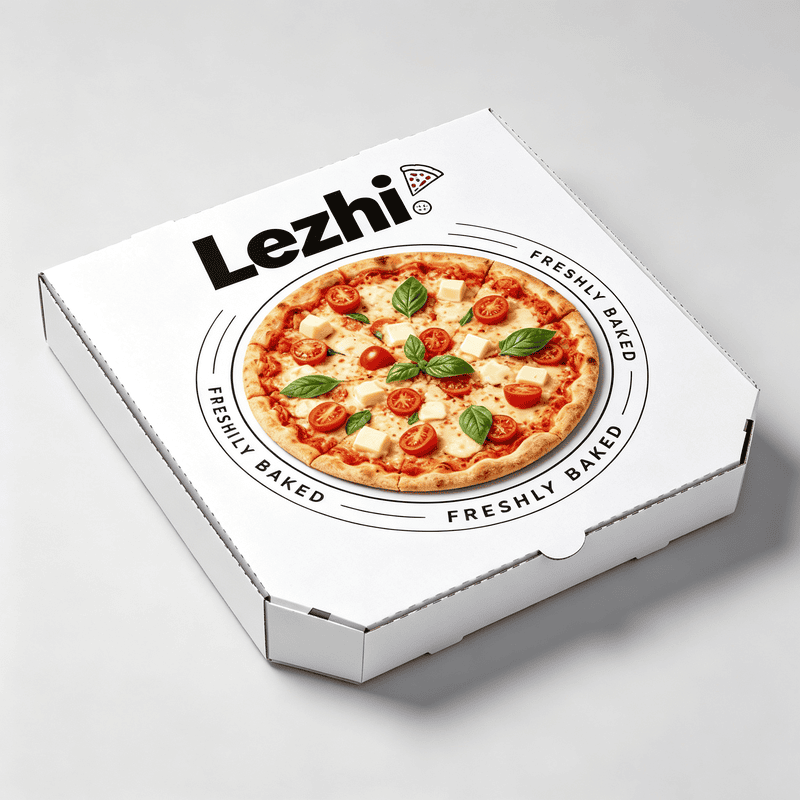
Custom Logo Eco Rectangular Pizza Packaging Boxes
6, 10 and 12 inch formats for pizza al taglio, delivery slices and takeaway counters. FSC paperboard options, food-grade ink control and flat-pack assembly suit Rome’s compact kitchens.
View specification →
Custom 12 Inch Corrugated Pizza Box
A stronger corrugated carton for hot pizza, stacked delivery bags and multi-order nights. Optional venting, branded print and board grades can be discussed for Roman pizzerias.
View specification →
Custom Magnetic Skincare Serum Gift Box
A premium rigid carton for hotel amenity retail, pharmacy gift sets and beauty counters near Prati or the historic centre. Magnetic closure, soft-touch finish and EVA insert options.
View specification →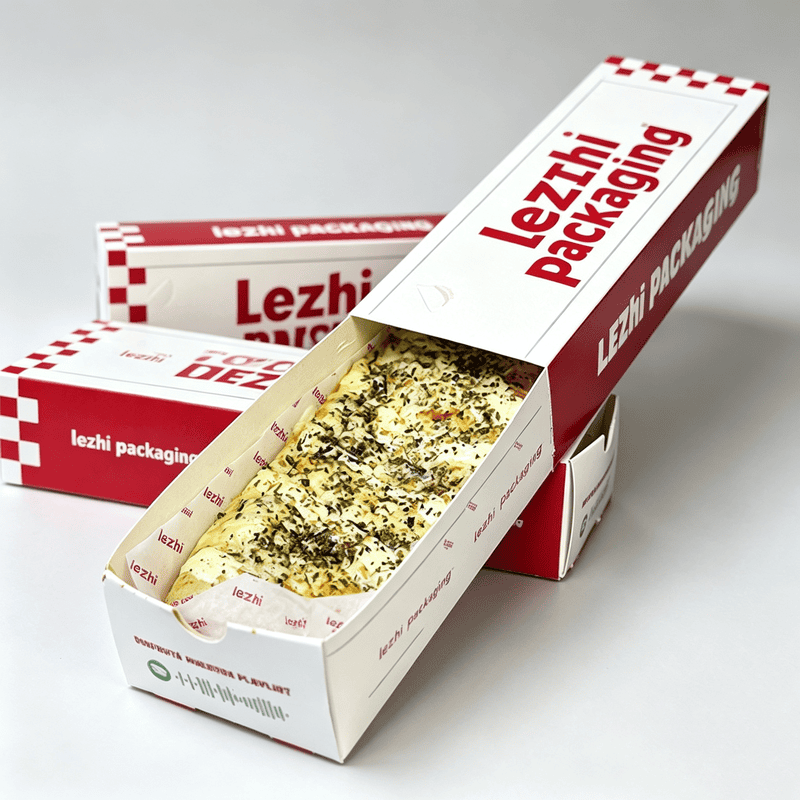
Custom Cardboard Pizza Drawer Packaging Boxes
Sliding drawer format for pizza, panini, hot dogs and bakery takeaway. A tidy opening experience for delivery kitchens in Ostiense, San Lorenzo and Pigneto.
View specification →
Custom Printed Corrugated Mailer Box
Inside and outside print for pantry gift sets, coffee subscriptions and hotel retail shipments. Recyclable corrugated board supports Rome brands selling online across Lazio and Italy.
View specification →
Food Grade Sliding Drawer Pizza Box
Pull-out pizza and fast-food carton for busy counters and home delivery. Grease-resistant liner options, rectangular formats and branded sleeves can be specified.
View specification →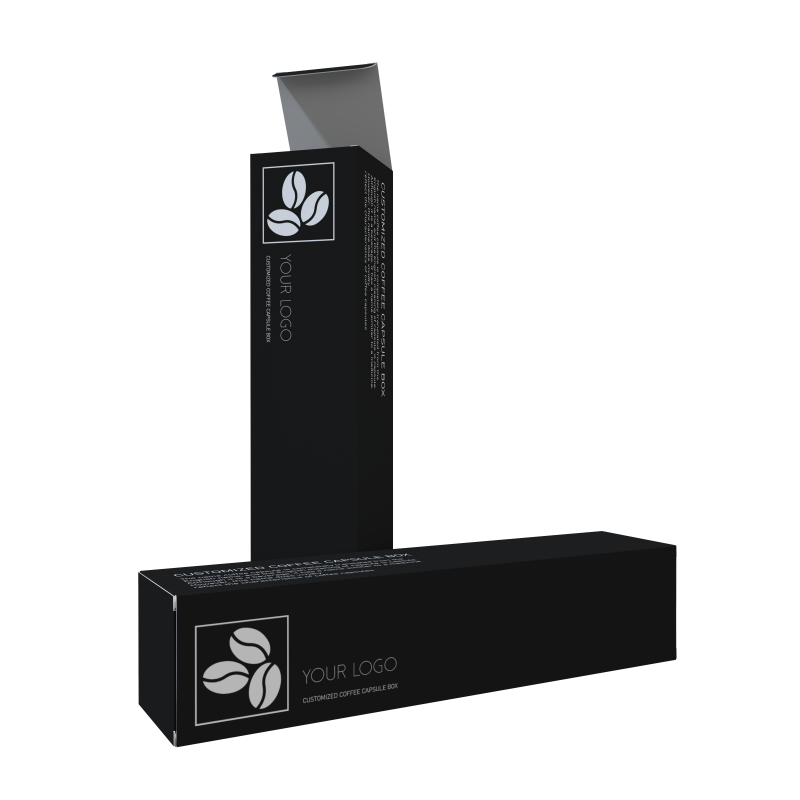
Custom Coffee Capsule Packaging Box
K-cup and coffee pod cartons for Roman roasters, coffee bars and hotel room supplies. Digital print and low-volume runs make seasonal blends and gift editions practical.
View specification →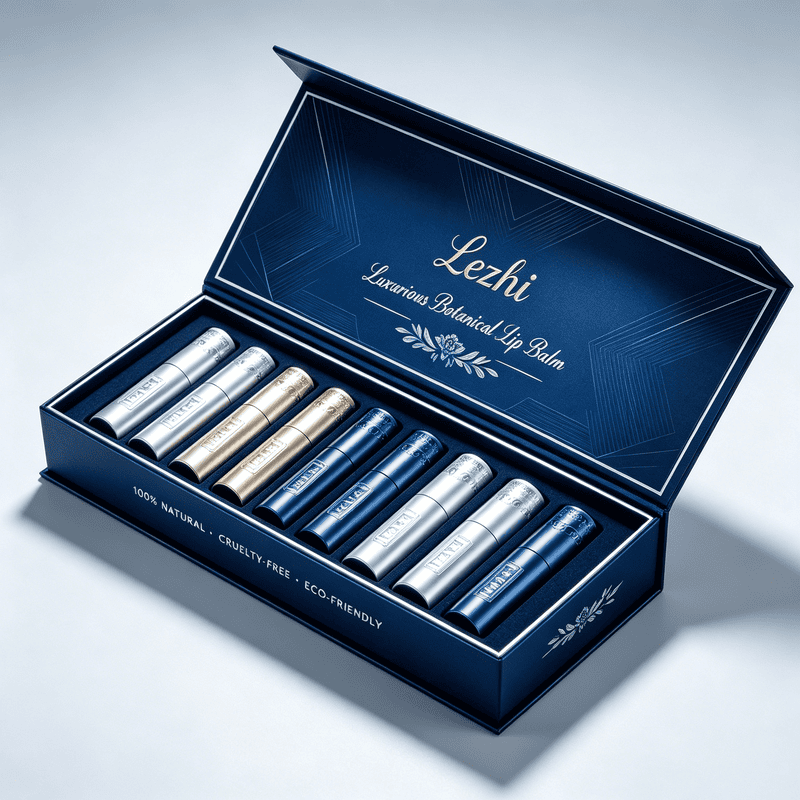
Luxury Eco-Friendly Magnetic Rigid Gift Box
Recycled-material rigid box for perfume sets, gourmet hampers and hotel amenities. Magnetic closure and refined finishing support Rome’s premium retail and concierge gifting market.
View specification →Need a different carton size, window or grease-resistant liner? Contact Us
Rome’s Food Carton Demand Is Local, Seasonal and Compliance-Led
Rome is not a single packaging market. A pizzeria in Testaccio, a pasticceria near Prati, a hotel breakfast operation in EUR and a dark kitchen in Ostiense may all buy paper food cartons, but they buy for different reasons. One needs a grease-resistant pizza carton that survives a scooter delivery through narrow streets. Another needs a branded pastry box that protects maritozzi, cornetti and sweets during a morning rush. A hotel may need breakfast cartons with a clean, premium appearance, while a delicatessen needs rigid or folding cartons for cheese, salumi, olive oil and gourmet gift sets.
The strongest sourcing decision is therefore not simply “who sells the cheapest carton?” It is “who can supply the right board grade, the right print quality and the right documentation for my Rome operation?” For pizza, bakery and street-food applications, moisture hold-out, grease resistance, stackability and venting can matter as much as print. For coffee capsule boxes, hotel retail and gifting, the balance shifts toward print consistency, inserts and unboxing quality. The useful supplier is the one that can discuss both sides of that equation.
Search intent behind “food cartons factories & wholesalers for Rome” usually splits into three buying routes. The first is a factory-direct custom program for branded cartons, lower unit costs at volume and control over dielines. The second is a Roman or Italian wholesaler for immediate stock, local delivery and small emergency replenishment. The third is a hybrid model: factory-direct production for the custom carton, plus a local buffer for peak weeks, tourist season and last-minute restaurant orders. Each route has a place, and the comparison table later on this page explains where each one fits.
Rome also adds practical constraints that generic packaging pages often miss. Many central districts have limited traffic zones, narrow streets and small storage rooms. Restaurants rarely have a large back-of-house warehouse. Hotels and catering groups often order by calendar event, not by continuous factory volume. This is why flat-ship design, pallet efficiency and clear carton labelling are not secondary details: they affect how easily a Rome buyer can receive, store and rotate packaging without creating waste or delay.
Rome buyer snapshot
- ✓Buyer reality: high-mix, relatively low-volume orders with seasonal peaks.
- ✓Compliance check: food-contact declaration, paper grade, inks and migration risk.
- ✓Logistics check: flat-pack cartons, pallet count and storage in ZTL-constrained districts.
- ✓Commercial check: sample approval, MOQ, repeat-order colour consistency and lead time.
Where Food Cartons Fit Across Rome’s Food Economy
From historic-centre counters to outer-district delivery kitchens, the same carton style can perform very differently depending on product heat, oil, moisture, storage and service speed.
Pizza al taglio, supplì & Street-Food Counters
In Monti, Trastevere and Testaccio, fast service means cartons must open quickly, stack neatly and resist oil. A rectangular pizza box, drawer carton or lined sleeve helps staff assemble orders without slowing the queue.
Pasticcerie, Bakeries & Maritozzi
Pastry boxes need clean print, secure closure and enough rigidity to protect delicate products. Roman bakeries often prefer small runs for seasonal menus, holiday gift boxes and branded breakfast sets.
Gelaterie, Coffee Bars & Roasters
Coffee capsule cartons, small pastry boxes and retail sleeves can carry a Roman roaster’s identity into hotel rooms, offices and gift shops. Digital print supports limited blends and short seasonal runs.
Delicatessens, Cheese & Salumi
For cheese, cured meat, olive oil and gourmet hampers, the carton is part of the retail experience. Folding cartons with greaseproof liners or rigid gift boxes with inserts help smaller shops present local products with confidence.
Hotels, B&Bs & Room Service
Breakfast kits, welcome amenities and room-service pastries need packaging that looks composed after transport. Branded cartons can be flat-shipped to the hotel and assembled only when required.
Catering, Dark Kitchens & Home Delivery
Delivery kitchens in Ostiense, Pigneto and San Lorenzo need cartons that travel well by scooter or van. Corrugated mailers, sliding drawers and stackable pizza boxes reduce crush risk and improve order presentation.
Four Trends Reshaping Food Carton Procurement in Rome
Rome buyers are balancing tradition with regulation, tourism peaks and a more demanding sustainability conversation. These four trends should shape the brief you send to any factory or wholesaler.
Food-Contact Compliance Moves from Paper to Proof
Buyers increasingly ask for documented material grades and declarations rather than assuming “paper is safe.” For Rome, the relevant conversation includes EU Framework Regulation (EC) No 1935/2004, GMP Regulation (EC) No 2023/2006, Italian Ministerial Decree 21/03/1973 and its updates, plus application-specific migration testing where required. A supplier should be able to clarify what documentation is available for the exact board, ink and liner being quoted.
Small-Batch Customization for Seasonal Rome
Roman food businesses increasingly rotate menus around holidays, tourist waves and local events. Digital print and lower MOQ make it practical to order 100–500 cartons for a limited pastry box, coffee capsule sleeve or gift hamper rather than committing to a full container of one design.
Circularity and the PPWR Effect
The EU Packaging and Packaging Waste Regulation (EU) 2025/40 is accelerating interest in mono-material paper packaging, plastic-free inserts, recyclable kraft and clearly labelled sorting instructions. FSC-certified paper options and soy-based inks on request can support a stronger environmental brief, but claims should be checked against the exact material and the local waste stream.
Urban Logistics Shape Carton Design
Rome’s historic centre, limited traffic zones and small storage areas make flat-ship cartons, compact pallets and clear SKU labelling commercially valuable. A carton that saves freight volume and can be assembled on demand may be more useful than a marginally cheaper box that arrives fully formed and consumes scarce storage.
A Practical Supplier Scorecard for Rome Procurement Teams
Use this weighting as a starting point, not a fixed rule. A branded hotel group may care more about print consistency; a busy pizzeria may care more about delivery timing and board performance. The value is in forcing the comparison to happen on paper before a deposit is paid.
- ✓Ask for a physical sample or approved proof before mass production.
- ✓Confirm food-contact documentation for the quoted board and ink system.
- ✓Model landed cost in Rome, not just FOB unit price.
- ✓Plan a local buffer if the carton supports daily trading.
Illustrative Rome buyer evaluation weights
Adjust these weights to your channel, product heat and brand risk.
Food Carton Factories vs. Wholesalers for Rome
For a Rome buyer, the right answer is rarely “factory only” or “wholesaler only.” The practical decision depends on customization, cash flow, storage, delivery frequency and how much operational risk the carton carries.
| Sourcing route | Best when | Strengths | Watch-outs |
|---|---|---|---|
| Factory-direct custom supply | You need a branded carton, specific dimensions, inserts, food-grade board or a lower unit cost at volume. | Full dieline control, printing and finishing options, FSC material choices, consistent repeat production and OEM/ODM support. | Longer planning horizon, freight and customs coordination, MOQ discipline and a need for sample approval before mass production. |
| Roman or Italian foodservice wholesaler | You need immediate stock, small replenishment, local delivery or a temporary buffer during a busy week. | Fast local access, low transaction friction and easy top-up ordering for standard sizes. | Limited structural customization, catalogue-dependent sizes and a higher unit cost for branded or specialty cartons. |
| Hybrid factory + local buffer | You operate multiple venues, a hotel group, a catering business or a delivery brand with forecastable daily carton use. | Custom brand packaging from the factory plus local stock cover for peaks, delays or emergency top-ups. | Requires forecast discipline, clean SKU planning and a clear handover between the factory order and the local warehouse. |
Before ordering, agree Incoterms, packaging labels, documentation and the exact delivery point in Rome — especially if the address is inside a limited traffic zone or has restricted unloading hours.
Food Carton Specification Guide for Roman Applications
A concise reference for matching carton structure to product, service style and the realities of Rome delivery and storage.
| Carton format | Typical Rome use | Material and finish options | Buyer check |
|---|---|---|---|
| Pizza box | Pizza al taglio, delivery pizza, supplì and street food counters. | Food-grade paperboard or corrugated board, grease-resistant liner, venting, one- or full-colour print. | Confirm hot-food contact, oil resistance, stack strength and whether venting is needed. |
| Pastry and bakery carton | Pasticcerie, breakfast boxes, maritozzi, cornetti and hotel room service. | Folding carton board, window patch, ribbon, matte lamination and food-safe inner liner. | Check closure security, product movement and print registration on small cartons. |
| Sliding drawer box | Panini, hot dogs, bakery takeaway, fast-food delivery and gift snacks. | Rigid or paperboard tray with sliding sleeve, ribbon pull, greaseproof paper insert. | Test opening force and whether the drawer stays closed during scooter delivery. |
| Corrugated mailer | Subscription food boxes, coffee gifts, pantry hampers and e-commerce shipments. | E-flute or B-flute corrugated, inside/outside print, tear strip and recyclable paper padding. | Confirm drop protection, carton size tolerance and postal or courier requirements. |
| Coffee capsule carton | Coffee bars, roasters, hotel rooms and retail capsule packs. | Food-grade folding board, digital print, matte varnish, paper divider and compact shelf-ready format. | Check capsule fit, shelf presence, opening instruction and batch coding space. |
| Rigid gift box | Gourmet hampers, olive oil, wine, perfume and hotel amenity gifting. | Greyboard rigid shell, magnetic closure, soft-touch lamination, hot foil, EVA or paper insert. | Align insert fit with product weight and confirm recycled or FSC board availability. |
Factory Evidence: What Yiwu Jersey Packaging Brings to Rome Programs
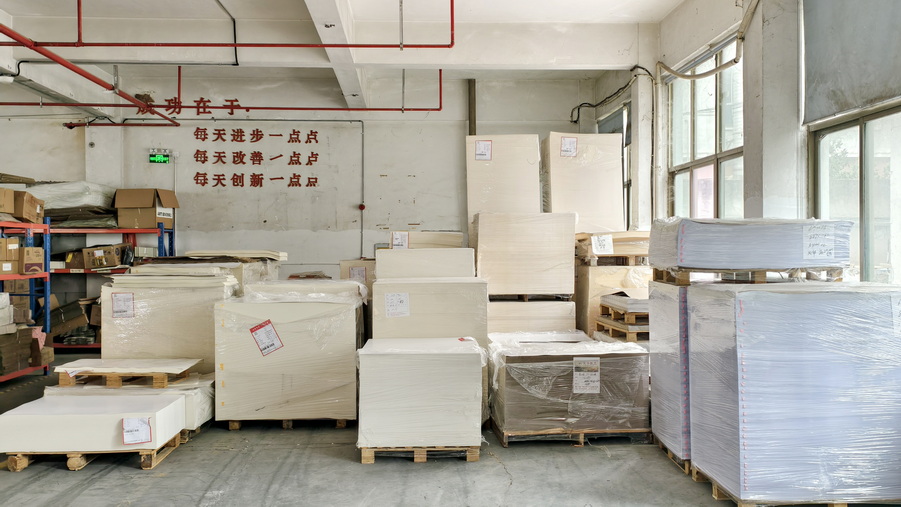
Yiwu Jersey Packaging Co., Ltd. is an SGS onsite-verified manufacturer and trading company based in Zhejiang, China. It is not a Rome warehouse; it is a factory-direct supply partner for importers, distributors and brand owners who need custom paper cartons with export coordination.
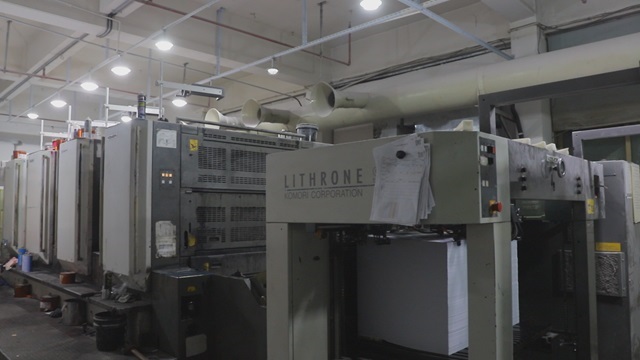
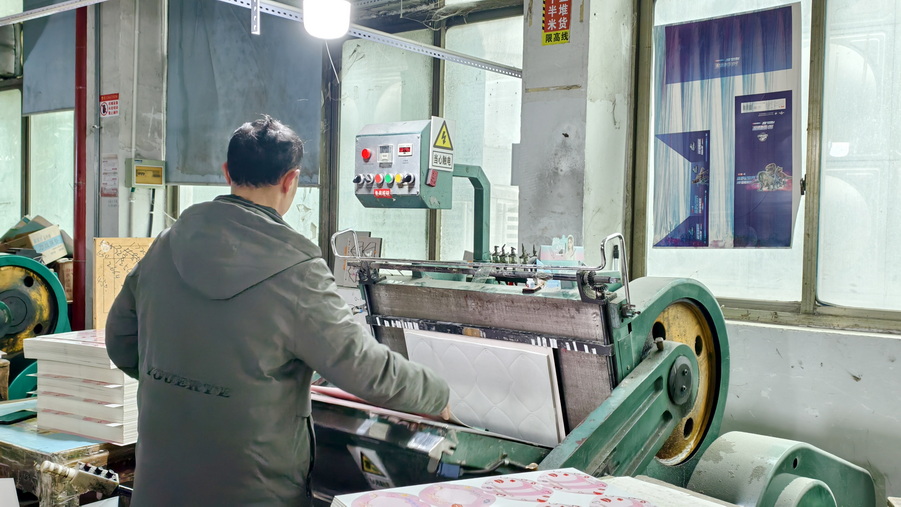
The company combines in-house production management with export service. Printing, die-cutting, box forming and inspection are managed within one workflow, which helps reduce hand-offs and supports tighter colour consistency on repeat orders. For a Rome buyer, that matters when the same carton must carry a brand across a pizzeria, a hotel breakfast program and a retail shelf without looking like three different suppliers produced it.
The original company profile also identifies 38 staff, including dedicated export specialists, plus four customization modes: sample-based, design-based, minor logo and graphic customization, and full structural customization. Most custom boxes start from 200 pieces, while simple folding styles such as kids cube boxes can start from 100 pieces. A digital proof or physical sample is approved before mass production begins.
SGS Onsite-Verified Manufacturer
Business type and production capability have been independently assessed onsite by SGS Group. This gives Rome buyers a clearer starting point for supplier due diligence than an unverified trading profile.
In-House Print & Finishing
CMYK and Pantone offset printing, digital printing, hot foil stamping, embossing and debossing, spot UV, and matte or soft-touch lamination can be coordinated within the production workflow.
Low MOQ and Four Customization Modes
Sample-based, design-based, minor logo/graphic and full structural customization cover different levels of development, from a quick branded carton to a new dieline with inserts.
Food-Grade & Eco Material Options
FSC-certified paper options, recyclable kraft and paperboard, soy-based inks on request and plastic-free paper inserts help brands answer retailer and EU sustainability questions.
Six-Step Approval and Production Workflow
Consultation, needs confirmation, dieline or sample approval, deposit, production, and final balance/shipment create explicit approval gates before mass production.
Export-Ready Packing for Rome Importers
Flat-ship options, pallet planning and carton labelling can be discussed for Rome delivery points, local distributors and multi-site hospitality groups.
Questions Roman Buyers Ask Before Ordering Food Cartons
These answers are written for restaurants, bakeries, hotels, distributors and brand owners comparing a factory-direct route with a local wholesaler.
Are you a food carton factory or a wholesaler for Rome buyers?
What is the minimum order quantity for custom food cartons?
Can you provide food-contact documentation for the Italian and EU market?
How should we plan lead time for delivery to Rome?
Can Rome restaurants order mixed sizes or small seasonal batches?
Which cartons are suitable for hot, greasy pizza and street food?
How do we evaluate FSC and recyclability claims properly?
How do we handle delivery to central Rome and limited traffic zones?
Build a Rome-Ready Food Carton Program
Share your product dimensions, food-contact requirements, target quantity, preferred delivery district in Rome and required completion date. Our team can respond with structure advice, material options, sample guidance and an export plan.