Eight Packaging Formats for Glasgow Gourmet Food & Premium Gift Brands
These eight factory references show structures and finishes that Glasgow food, drink and gift businesses can adapt. Some are direct food-grade formats; others are premium non-food references included because their engineering — magnetic closure, window, insert, foil or foldable construction — transfers well to gourmet hampers and gift sets.
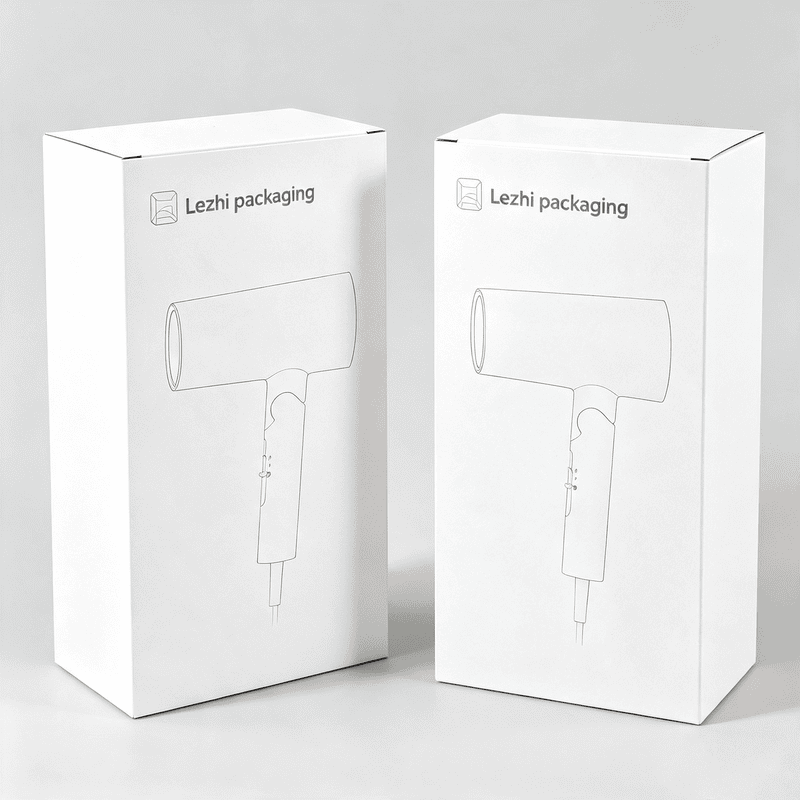
Packaging Boxes Personal Household Hair Dryers Single-head Paper Boxes Small Household Appliances Color Gift Boxes
A compact colour-printed folding carton reference for single-head appliances. The retail-led structure can be adapted for non-food hamper add-ons and gift-with-purchase items with CMYK artwork and shelf-ready presentation.
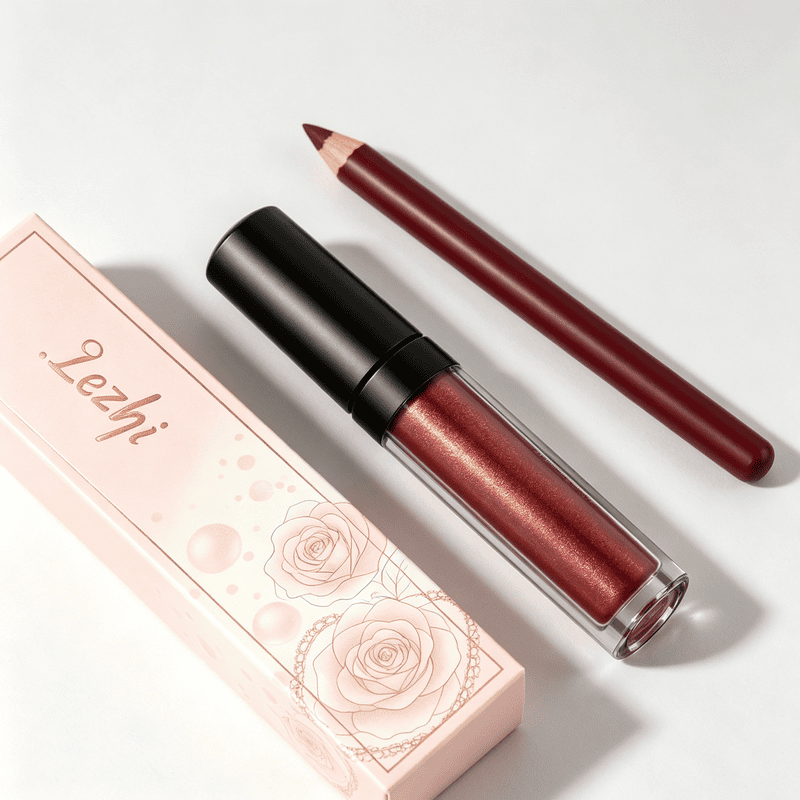
Makeup Brush Packaging Box Textured Paperboard with PET Window and Insert for Beauty Tool Collection OEM Custom Printing Factory
A textured paperboard beauty-tool carton with PET window and insert. The window-and-insert logic is useful for gourmet accessories such as tea strainers or chocolate tools, but plastic-free alternatives should be specified for brands avoiding PET.
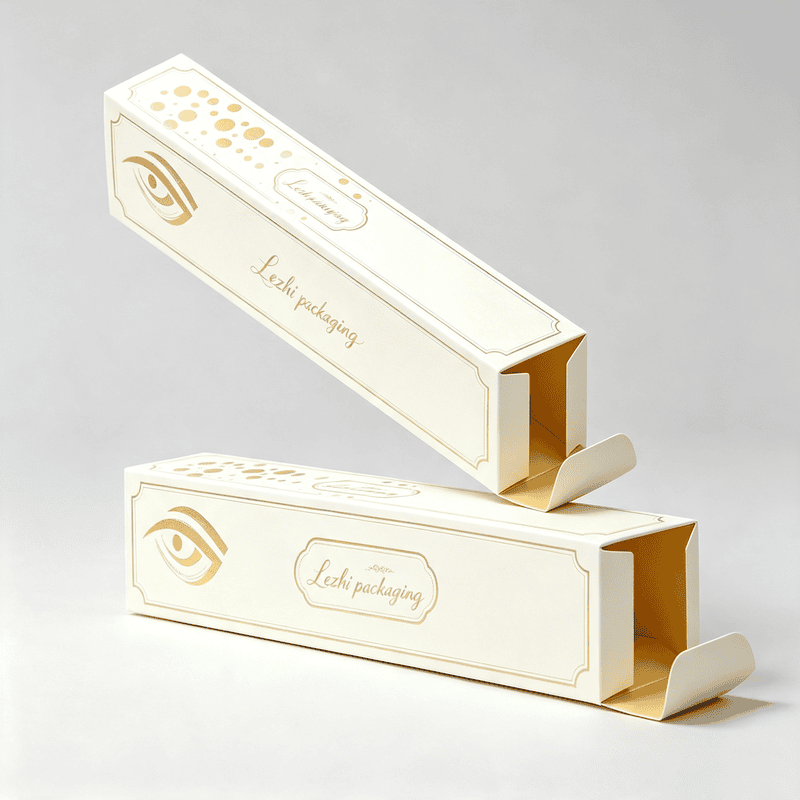
Tuck End Recyclable Cosmetic Paper Box Matt Lamination Silver Foil Logo for Makeup Brushes Face Cream Beauty Accessories
A tuck-end recyclable paper box with matt lamination and silver foil logo. This is a practical reference for premium dry goods, confectionery sleeves and tea cartons where foil branding and recyclability must be balanced.
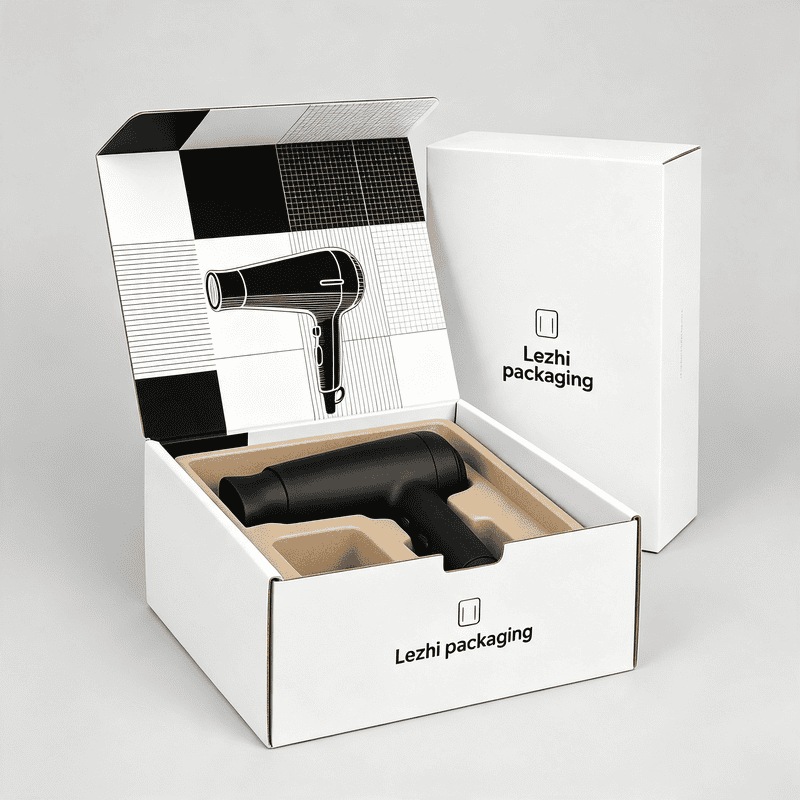
Custom Logo Appliances Magnetic Gift Box EVA Foam Insert Packaging Box for Hair Dryer Luxury Salon Tool Packing Boxes Cardboard
A magnetic gift box with EVA foam insert for a hair dryer. The rigid magnetic format and custom insert can be adapted for fragile gourmet jars, oil bottles, whisky glasses and multi-part hampers.
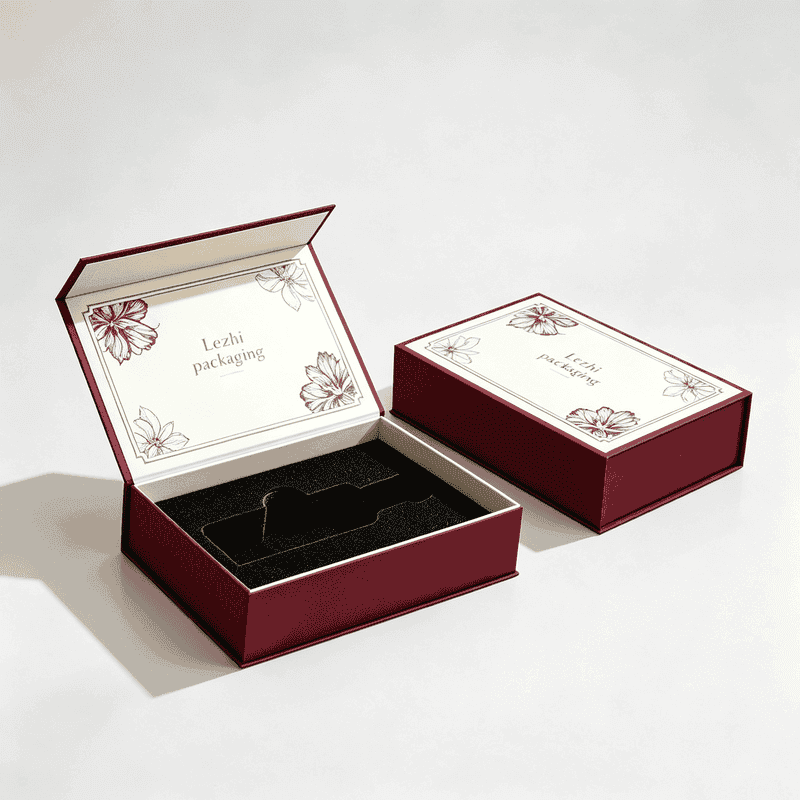
Liquor Gift Box Custom Logo Luxury Matt Black Rigid Cardboard Unique Whiskey Gift Box Foldable Magnetic Box
A luxury matt black rigid magnetic whisky gift box. This is directly relevant to Glasgow whisky retailers and distillery gift sets: it supports foil branding, a book-style opening and a high-value unboxing moment.
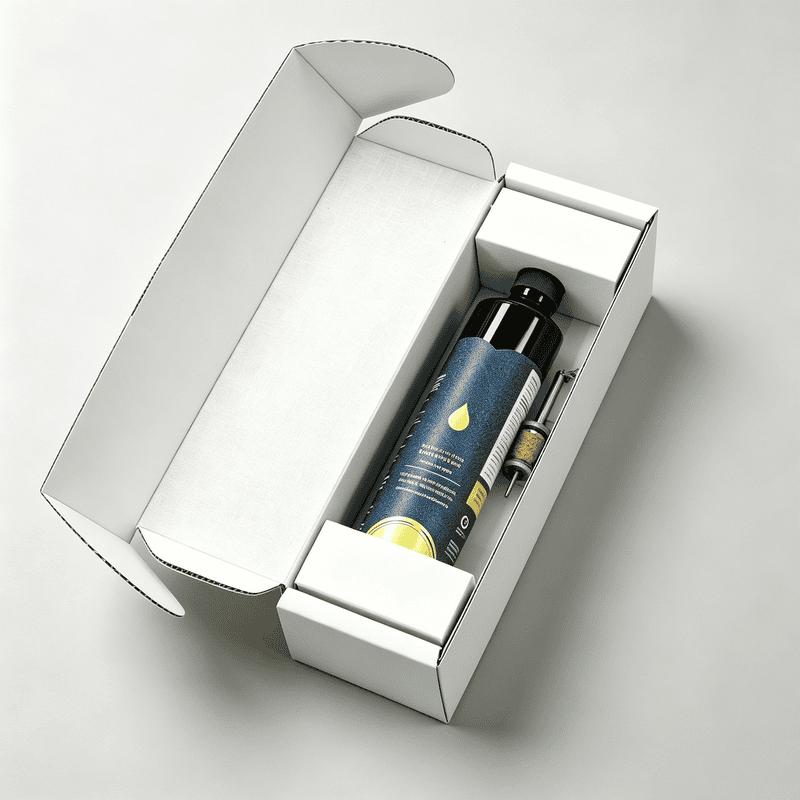
Custom Food-Grade Square Paperboard Gift Box Gold Foil Embossing Stamping Biodegradable for Olive Oil Gourmet
A food-grade square paperboard gift box with gold foil embossing and biodegradable board options. Recommended for olive oil, preserves, condiments, shortbread and premium pantry gifts where food-contact confidence and shelf presence both matter.
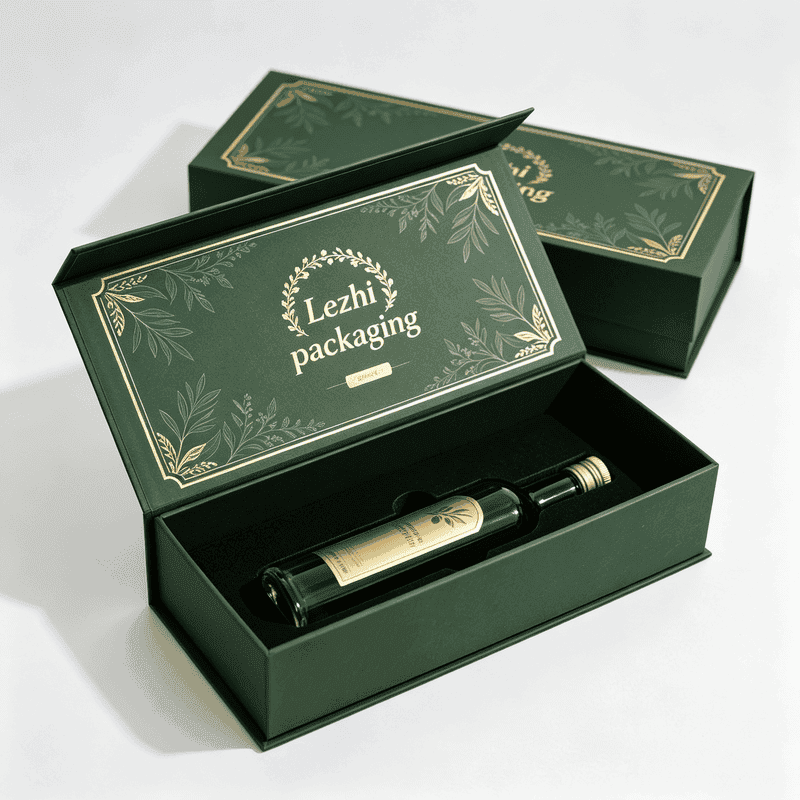
Manufacture Customized Printing Luxury Whiskey Glass Storage Box Cardboard Premium Packaging Gift Wine Box with logo
A printed luxury cardboard storage box for whiskey glasses. Use it for glassware-led gift sets, corporate whisky gifts and hospitality suites; pair it with a paper or moulded-fibre insert to reduce plastic.
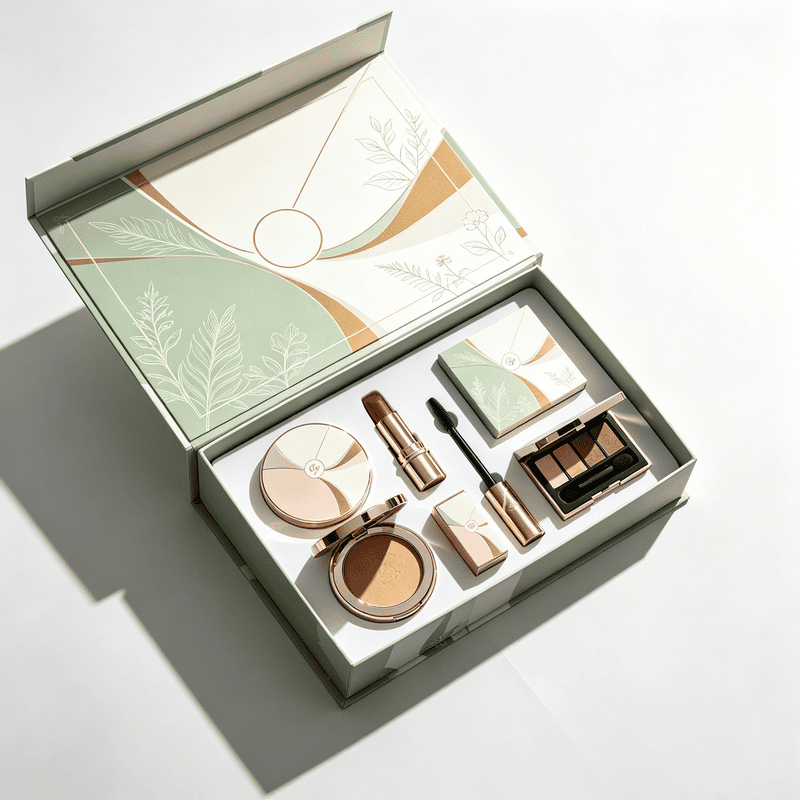
Custom Magnetic Box Packaging for Skin Care Serum Set With Cosmetic and High-end Gift Box Packaging Supplier
A magnetic skincare serum set box. While written for beauty, the rigid magnetic construction and insert approach can be adapted for premium oils, vinegars, tinctures and gift sets once food-safe interior materials are specified.
For direct food contact, always specify food-grade board, low-migration inks and an appropriate liner or barrier. Some references above are non-food formats included to demonstrate transferable construction and finishing options.
Why Glasgow Buyers Need a Different Gourmet Packaging Brief
Premium food packaging in Glasgow must work across gift retail, hospitality, wholesale and e-commerce — often from the same small production run.
Glasgow’s food and drink economy is diverse. City-centre delis, farm shops, whisky merchants, coffee roasters, bakeries, hotels, event caterers and online hamper brands share one challenge: packaging must protect the product, communicate provenance and survive multi-channel handling. A box that looks good in a Merchant City gift shop may fail in a parcel network. A folding carton suited to shortbread may not support a 750ml bottle. A rigid box with a plastic insert may conflict with a retailer’s packaging reduction targets.
The correct brief begins with product weight, dimensions, direct or indirect food contact, shelf life, transit route and the unboxing job. For example, a Glasgow deli selling cheese and charcuterie may need a grease-resistant liner, clear allergen labelling and a format that can be assembled quickly at the counter. A whisky retailer may prioritise bottle support, magnetic closure, foil decoration and a box that can be shipped without crushing. A coffee roaster may need a folding carton with an inner barrier bag because paper alone does not provide an oxygen barrier for freshness.
Yiwu Jersey Packaging Co., Ltd. is a Zhejiang-based manufacturer and trading company, not a Glasgow-based converter. We serve Glasgow buyers through factory-direct export, documented materials, sample approval and production control from printing through final QC. Our business type and production capabilities have been verified onsite by SGS Group, and we offer FSC-certified paper options, low MOQ from 100 pcs for simple styles and four customisation modes.
This distinction matters for procurement. When a Glasgow buyer works directly with a factory-export supplier, the key risks are not local showroom presence but specification clarity, material declarations, sample accuracy, production consistency and shipping documentation. A supplier that can explain these points in plain English is usually easier to audit than one that only sends a catalogue.
Where Gourmet Food Packaging Boxes Are Used in and Around Glasgow
Glasgow is a gift-purchase city as much as a grocery city. The same brand may sell in a food hall, a hotel, a distillery shop and an online hamper store.
Delis, Farm Shops & Food Halls
Window cartons, sleeve-and-tray boxes and greaseproof-lined formats for cheese, charcuterie, bakery, preserves and pantry gifts. Clear allergen and provenance panels matter as much as shelf presence. Flat-pack formats can save backroom space in smaller Glasgow outlets.
Whisky, Gin & Drinks Gifting
Rigid magnetic boxes, book-style boxes and printed glassware sets for distillery shops, specialist wine merchants and corporate gifting. Bottle weight and insert strength are critical. If the gift set is sold online, the outer carton and internal support should be reviewed together.
Coffee Roasters, Tea & Confectionery
Tuck-end cartons, drawer boxes and printed sleeves for roasted coffee, loose-leaf tea, tablet, chocolate and shortbread. Paper packaging is not a freshness barrier by itself; specify an inner bag or liner when oxygen and moisture control are part of the product promise.
Hampers, Corporate Gifts & Hospitality
Multi-part inserts, drawer boxes and magnetic lids for layered hamper reveals, hotel welcome gifts and event catering. Pack-out testing with the actual product mix is more useful than approving an empty box, especially when jars, bottles and fragile items share one set.
Packaging Trends Shaping Glasgow & Scotland’s Gourmet Sector
Premium does not automatically mean more material. Glasgow buyers are increasingly asking for fewer components, clearer claims and packaging that performs in parcel transit.
Provenance-Led Quiet Luxury
Matte finishes, restrained foil, embossing and generous label space are replacing noisy decoration. Scottish provenance — distillery, coastal, bakery or small-batch — is communicated through typography, colour and material feel rather than overprinting.
Material Responsibility
FSC-certified board, recyclable mono-material cartons, paper inserts and right-sized boxes are common requests. Brands should check whether lamination, foil, windows and magnets affect local recycling. Plastic-free inserts are often possible, but they must still protect the product.
Small-Batch & DTC Agility
Limited-edition gins, seasonal hampers and online-only gift sets reward short-run flexibility. Low MOQ from 100 pcs for simple folding styles, digital print options and sample-based customisation help Glasgow brands test a premium idea before committing to volume.
Food-Safety Evidence
Retailers and brand owners increasingly ask for material declarations, food-grade board confirmation and low-migration ink options. For direct contact, the correct specification depends on fat content, acidity, moisture and shelf life. Documentation should be kept with the approved sample.
What Glasgow Buyers Are Prioritising
Many Glasgow food and drink briefs now combine four priorities: food safety, recyclability, premium presentation and manageable order quantities. The strongest packaging programmes do not maximise one at the expense of the others. They choose a structure that protects the product, a material route that supports the brand claim, and a print/finish plan that can be repeated consistently.
For a deli, the priority may be fast assembly and clear labelling. For a whisky gifting brand, it may be insert strength and a magnetic reveal. For a coffee roaster selling online, it may be carton compression and an inner freshness barrier. A supplier should ask these questions before quoting.
The bar chart is an illustrative priority profile based on common buyer questions for premium food and gift packaging. It is not a statistical survey of Glasgow businesses.
A Packaging Partner Built for Glasgow Food & Drink Brands
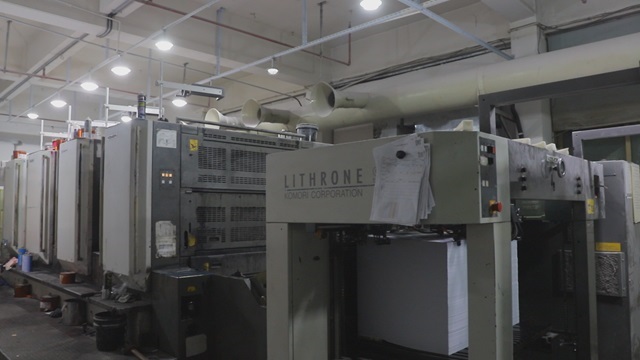
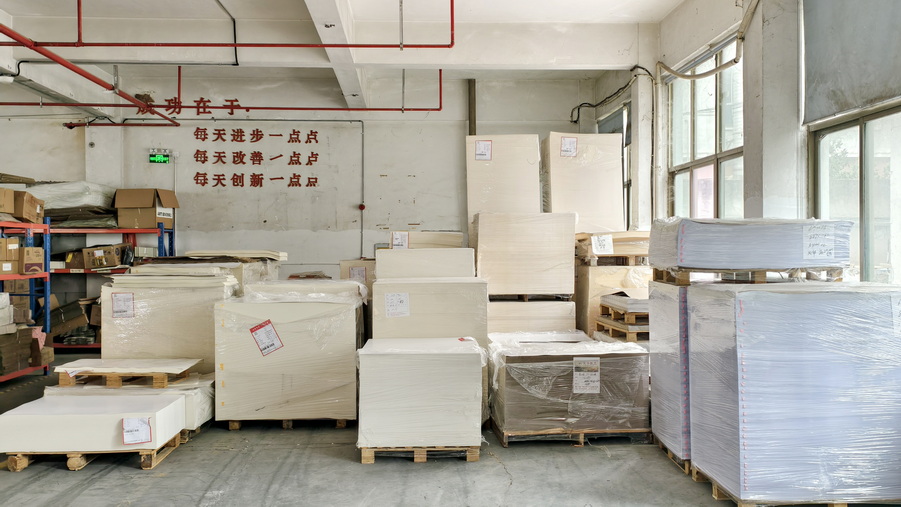
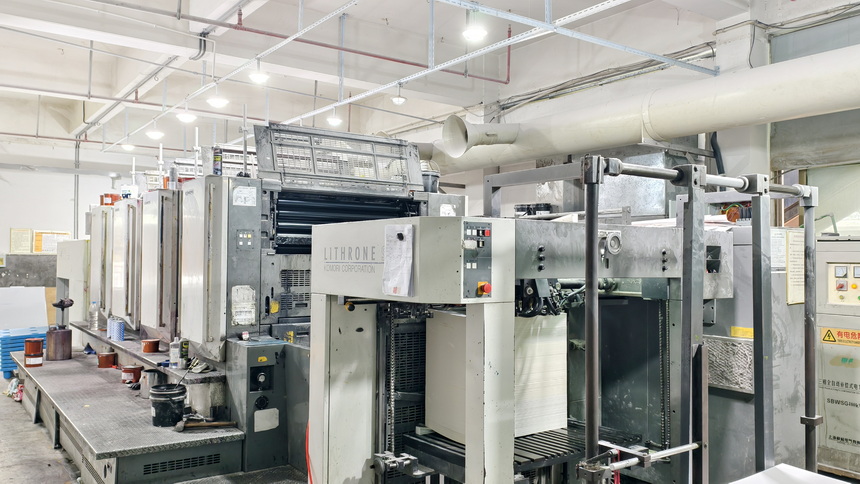
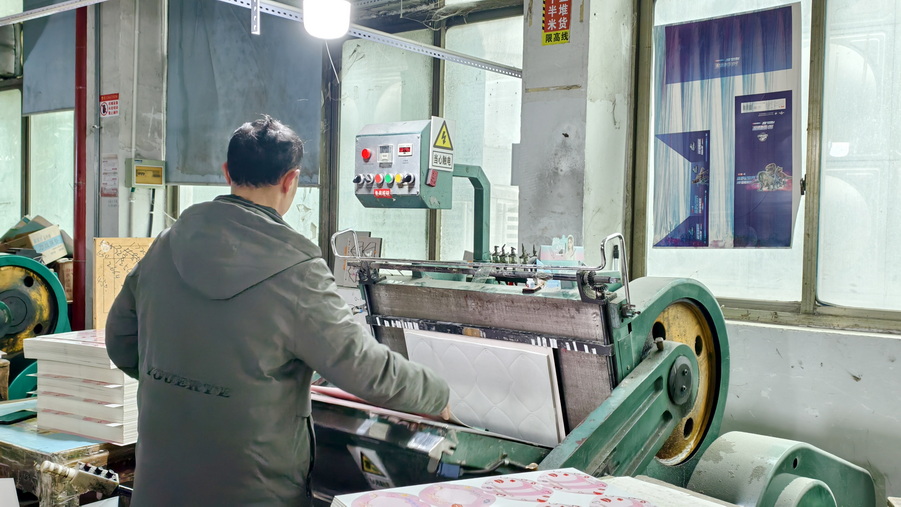
Jersey Packaging combines in-house production control with export service. Printing, die-cutting, lamination, foil stamping, box forming and final inspection are managed through one workflow, which reduces the hand-offs that can cause colour drift or inconsistent assembly.
Our team of 38 staff includes five export specialists who work with overseas buyers on dielines, proofs, carton markings and shipping schedules. Because the project starts with a structured brief, Glasgow buyers can compare board grades, inserts and finishes before paying for mass production.
- SGS onsite-verified manufacturer and trading company
- FSC-certified paper options and recyclable board routes
- Food-grade board and low-migration ink options on request
- OEM / ODM: sample, design, minor and full customisation
- Magnetic rigid, folding carton, drawer and mailer formats
- Export packing for sea, air and express delivery to Glasgow
Documentation, Quality Control & Export Reach
For buyers serving Glasgow retailers, hotels and online customers, documentation is part of the packaging specification.
Certificates & Audits
Our supplier assessment by SGS Group gives overseas buyers independent evidence of business type and production capabilities. FSC-certified paper sourcing is available when the product and material route allow it. Material inspection is part of the incoming quality process.

Global Export Markets
We ship to brand owners, distributors, retailers and online sellers across Europe, North America, Asia-Pacific and other regions. For Glasgow orders, the shipping plan can use sea, air or express services depending on volume, deadline and packaging format.

Ask for current certificate scope, material declarations, carton marking requirements and an approved sample record before production. These documents help Glasgow buyers complete internal supplier approval and retailer onboarding with fewer delays.
How to Specify a Gourmet Box That Performs in Glasgow
A premium box is only successful if it protects the product, supports the brand claim and can be packed efficiently by the team who fills it.
1. Match Structure to Product Weight
Folding cartons suit dry goods, confectionery and lighter retail packs. Rigid magnetic boxes and drawer boxes are better for bottles, glassware and multi-part hampers. Board grade, corner construction and insert support should be selected after the packed weight is known, not after artwork approval.
2. Confirm Food-Contact Status
State whether the box touches food directly or only contains a sealed product. For direct contact, specify food-grade board, low-migration inks and a suitable liner, barrier or bag. Grease, acidity, moisture and shelf life all affect the correct material route. Keep declarations with the approved sample.
3. Use Finishes with a Clear Purpose
Hot foil, embossing, spot UV and soft-touch lamination can make a gourmet gift feel premium. They also affect cost, lead time and recyclability. If a Glasgow retailer requires easy recycling, avoid unnecessary mixed materials and ask for finish samples before committing to a decorated rigid box.
4. Test the Pack-Out, Not Just the Box
Approve a sample with the actual product inside. For e-commerce, review compression, movement and corner protection. For retail, check shelf depth and label placement. For hampers, test assembly time and insert fit. This step often reveals a need for a different board grade or a simpler insert.
Information gain for Glasgow buyers: the most expensive packaging failure is usually not the board price. It is the cost of reprinting, remaking inserts, delayed seasonal launches or damaged gift sets in transit. A documented sample, a pack-out trial and a clear food-contact brief are therefore commercial controls, not design extras.
Six Approval Gates from Brief to Glasgow Delivery
A transparent workflow keeps Glasgow buyers in control of structure, material, artwork and final quality before bulk production starts.
Consultation
Share the product type, dimensions, packed weight, quantity, food-contact status and target delivery window.
Structure & Material
We recommend a box style, board grade, insert, liner and finish that fit the product and budget.
Dieline & Artwork
Review the dieline, bleed, barcode area, allergen panel and 3D mock-up before sampling.
Sample Approval
Approve a digital proof or physical sample. A pack-out test with the real product is strongly recommended.
Production & QC
Printing, lamination, foil, die-cutting, box forming and final inspection follow the approved specification.
Export to Glasgow
Final photos, carton markings and shipping documents are prepared for sea, air or express delivery.
Questions Glasgow Buyers Ask Before Ordering
Practical answers for procurement teams, founders and retail buyers comparing gourmet food packaging factories and suppliers for the Glasgow market.
Are you a Glasgow-based packaging factory or an overseas supplier?
Yiwu Jersey Packaging Co., Ltd. is a manufacturer and trading company based in Zhejiang, China. We are not a Glasgow-based converter or warehouse. We serve Glasgow buyers through factory-direct export, sample approval and full OEM/ODM support. Our business type and production capabilities have been verified onsite by SGS Group, which gives buyers an independent reference point when completing supplier due diligence.
What is the MOQ for gourmet food packaging boxes delivered to Glasgow?
Simple folding styles can start from 100 pcs. Most custom rigid, magnetic and printed gourmet boxes start from 200 pcs, with the exact MOQ depending on size, board, insert and finishing. For a first Glasgow market test, ask for a structure that uses standard board grades and modest decoration; this usually gives a lower production entry point than a highly engineered rigid box.
Can you supply food-grade and sustainable packaging for Glasgow brands?
We can quote food-grade paperboard, FSC-certified paper options, recyclable kraft and paperboard, paper-based inserts and soy-based inks on request. For direct food contact, the final specification must consider grease, moisture, acidity and shelf life. Recyclability also depends on lamination, foil, windows and the receiving council’s waste stream. We recommend approving a material route with documentation rather than relying on a general “eco” claim.
Can I approve a sample before bulk production?
Yes. We support sample-based, design-based, minor logo/graphic and full structural customisation. A digital proof or physical sample can be approved before mass production. For Glasgow food and drink brands, the most useful sample is a pack-out sample containing the actual product. This allows the team to check fit, assembly time, insert movement, label placement and transit protection.
Which finishes are best for premium Scottish food and drink gifts?
Popular options include hot foil stamping, embossing or debossing, matt or soft-touch lamination, spot UV and magnetic rigid construction. For whisky, gin, shortbread and luxury hampers, a restrained finish often looks more premium than heavy decoration. If recyclability is a priority, discuss whether foil, lamination or plastic windows are acceptable before the artwork is finalised.
What information should I send for a Glasgow packaging quotation?
Send the product dimensions, packed weight, quantity, box style preference, food-contact status, artwork status and target delivery date. If you have a reference sample, photo or retail listing, include it. For hampers, list every item in the set. For bottles, confirm diameter, height and closure type. These details allow us to recommend a realistic structure, insert and shipping route instead of quoting a box that cannot perform.
Request a Glasgow-Ready Gourmet Packaging Quote
Send your product dimensions, packed weight, quantity, food-contact requirements and target date. Our export team will recommend a structure, material route and sampling plan for your Glasgow or wider Scottish market launch.
Contact Us