8 Packaging Products for San Jose Bakeries, Cafés and Food Brands
These reference formats cover the real buying intents behind searches such as “window cake boxes San Jose,” “custom bakery boxes near me,” “cake box with window wholesale” and “food packaging supplier San Jose.” Use the first cake-box reference for bakery retail, then compare complementary food and gift packaging that supports mixed-product counters, takeaway menus and corporate orders.

Printed Paper Cake Box Manufacturer With Food Artwork for Bakery Retail and Dessert Gift Packaging
Core reference for San Jose cake counters: custom printed paperboard, optional window shape, grease-resistant liner options and stackable bakery construction.
View cake box reference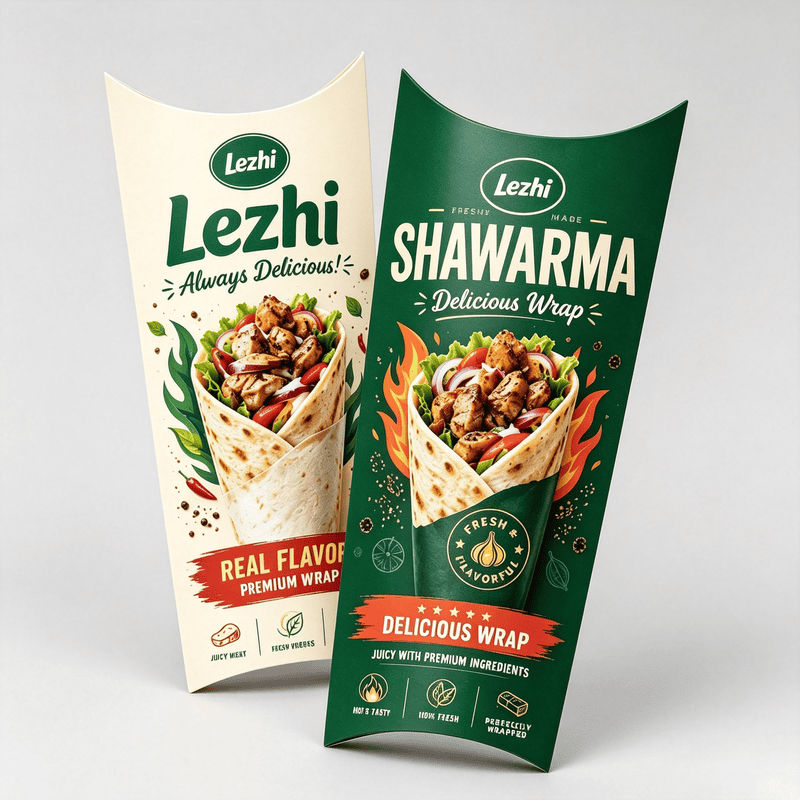
Customized Printing Packaging Box for Mexican Chicken Rolls Disposable Takeout Wraps Thin Paper Packaging Box for Tortillas
Useful for taquerías, food trucks and delivery-only kitchens around downtown San Jose that need quick-fold takeout packaging with strong graphic space.
View takeout format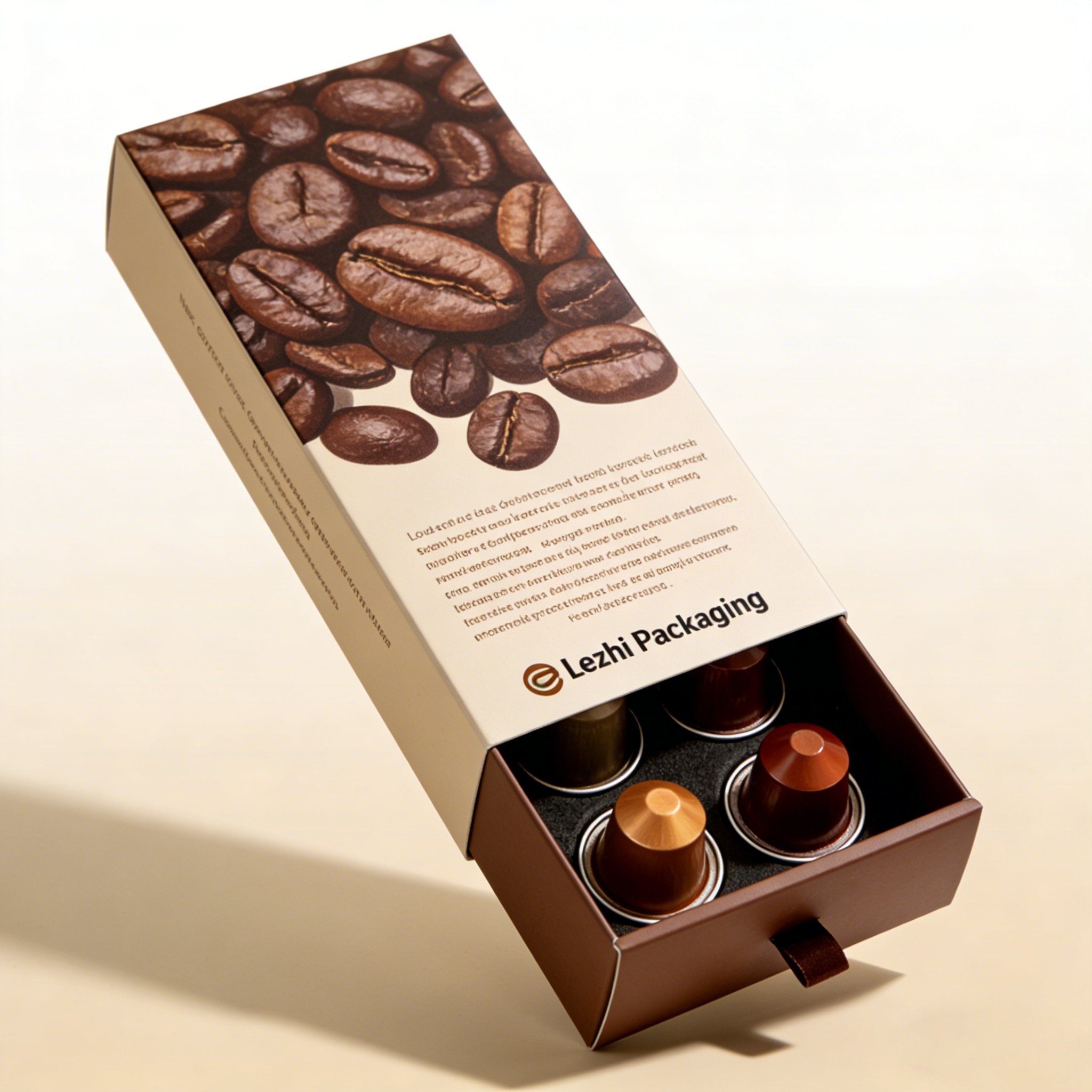
Custom Digital Printing Packaging Coffee Box Recyclable Coffee Capsule Paper Box
Digital print supports short runs, seasonal café menus and subscription coffee programs without committing to large offset quantities.
View coffee packaging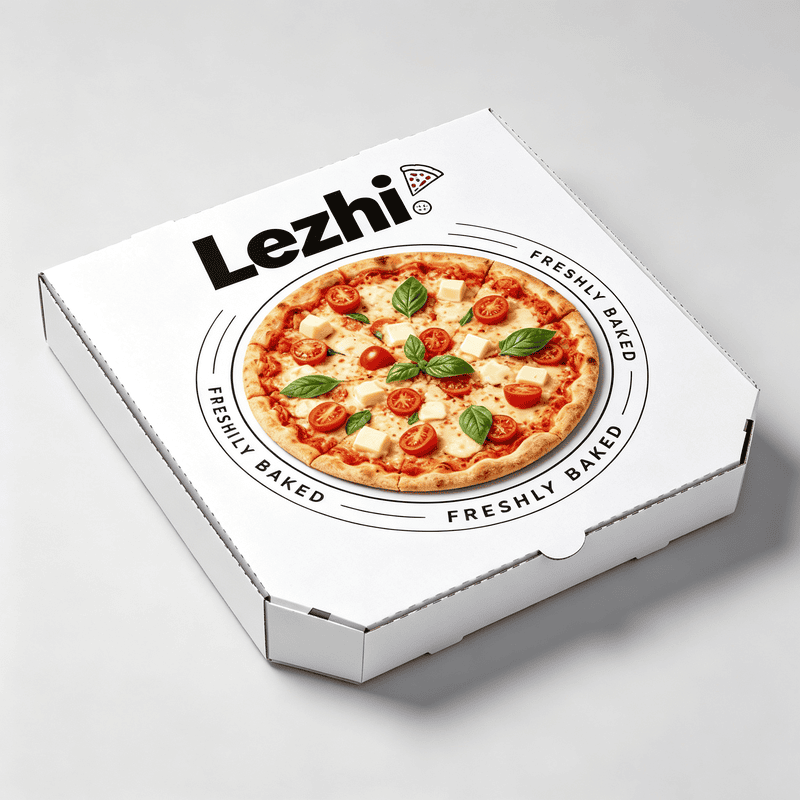
Custom Logo Paper Packaging Empty Eco Rectangular Pizza Box 6 10 12 Inches Pizza Boxes Packaging Boxes Cheap Snake Pizza Boxes
Reference for pizzerias, campus caterers and weekend market stalls that need multiple sizes and quick brand printing.
View pizza box option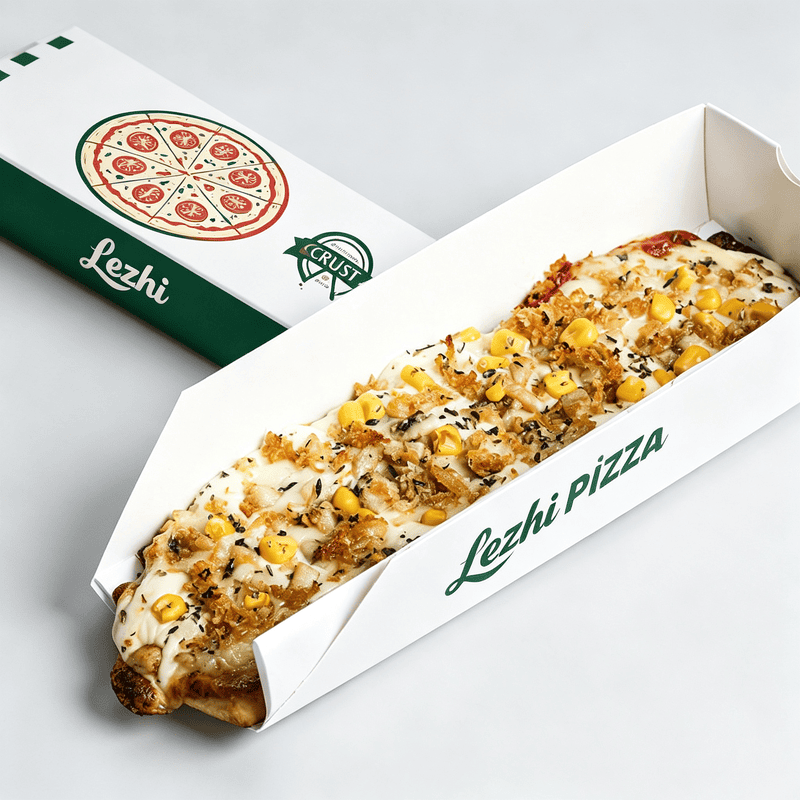
Disposable Pizza Slice Containers Food Packing Box Wholesale Takeaway Paper to Go Pizza Box Bakery Pancake Paper Packaging Box
Single-slice and to-go packaging for San Jose events, late-night delivery, food halls and pop-up concepts.
View slice packaging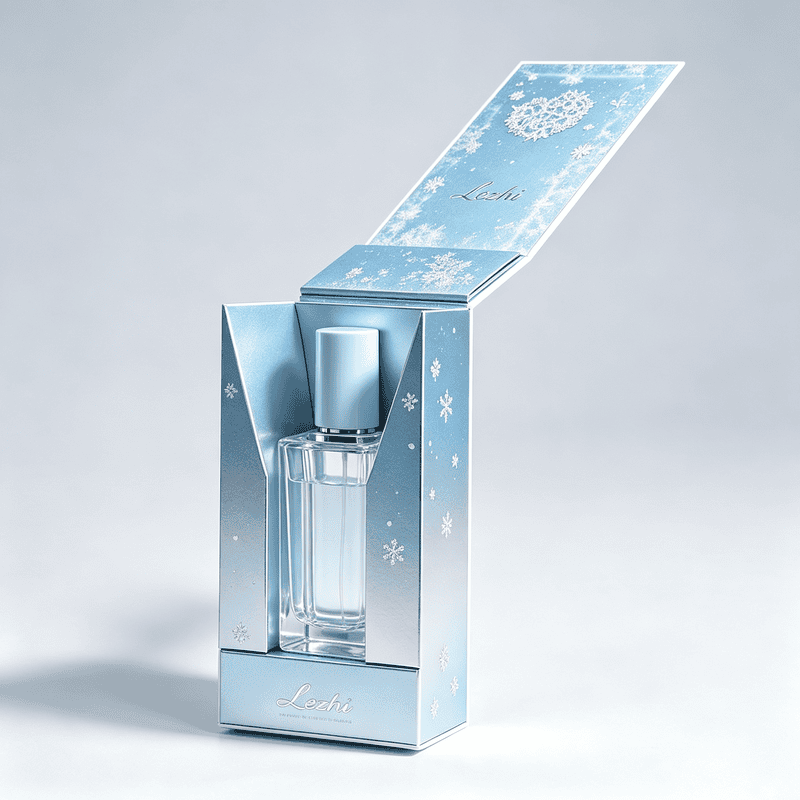
Custom Magnetic Flip Box With Ribbon Pull Tab Empty Perfume Box Luxury Hard Rigid Perfume Packaging Gift Box
Rigid magnetic structure for celebration dessert sets, VIP client gifts and premium unboxing moments in Silicon Valley corporate programs.
View rigid gift box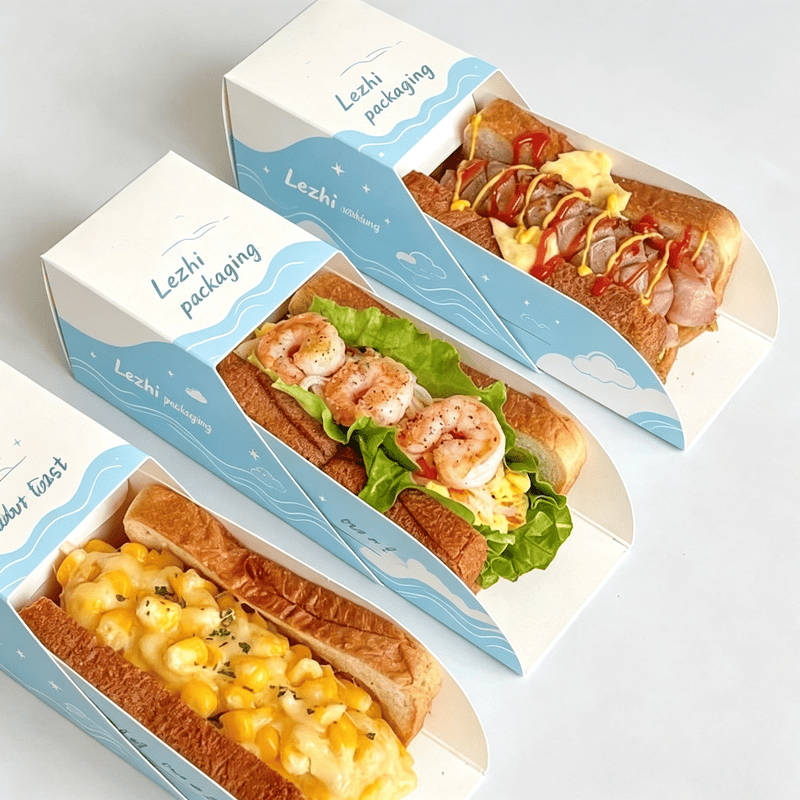
Food Grade Leak-proof Takeaway Sandwich Box Custom Printed Heat Resistant Kraft Toast Panini Packaging for Fast Food Chains
Kraft sandwich and pastry box for breakfast programs, panini counters and office lunch delivery where grease control matters.
View sandwich packaging
Custom logo Luxury Cardboard Empty Print Cardboard Olive Oil Packaging Gift Boxes for Olive Oil Bottles
Luxury printed cardboard for olive oil, wine-country hampers and corporate gift boxes assembled by San Jose teams.
View gourmet gift boxWhat San Jose Buyers Really Need from a Window Cake Box Supplier
San Jose is not one packaging market. A celebration-cake bakery in Willow Glen, a Vietnamese coffee shop near Little Saigon, a commissary kitchen fulfilling delivery orders downtown, and a technology campus ordering client gifts for a product launch may all use paper boxes, but they judge those boxes by different performance standards. Window cake boxes sit at the intersection of these needs because they combine product visibility, structural protection, food-contact suitability and a printable brand surface.
The buying intent behind “window cake boxes manufacturer San Jose” is also more specific than a generic product search. Some buyers need replacement stock for daily cakes. Some need custom printed dessert packaging for a new store at Santana Row or San Pedro Square. Some are testing a low-MOQ seasonal range before Q4. Others are reviewing plastic windows and coatings because their retail customers, corporate clients or distributors now ask for recyclable or fiber-based packaging. A useful supplier page must answer these different intents without pretending that one box specification fits every bakery.
For San Jose use, the box must survive real local movement: a car trip across Stevens Creek Boulevard, a courier run through downtown traffic, a pickup order handed across a counter in SoFA, or a multi-box catering delivery to a campus in North San Jose. That means the brief should define cake diameter, height, product weight, frosting type, expected transport time, stacking height, window size, board grade, grease barrier, closure style and artwork approval flow before price is compared. Factory-direct production can create strong value, but the specification has to be correct first.
Jersey Packaging is a factory-direct custom paper packaging manufacturer in Zhejiang, China, with SGS onsite verification, a 38-person team and export experience serving global brands. We are transparent about our role: we are not a San Jose storefront or local warehouse. For custom dielines, low-MOQ printed bakery boxes, sample approval and factory production, that structure can be an advantage. For same-day generic stock, a local distributor may be the better route. This distinction is important for E-E-A-T because procurement teams need to know exactly who they are buying from and how shipping, sampling and quality control will work.
Local Application Scenarios for Window Cake Boxes in San Jose
San Jose buying behavior changes by channel. Retail counters need shelf appeal; delivery kitchens need speed and durability; corporate buyers need presentation and reliable reorders.
Bakery counters and celebration cakes
In downtown San Jose, Willow Glen and Santana Row, customers decide with their eyes. A clean window reveals frosting detail, fruit placement or cake decoration, while printed side panels carry pickup instructions, allergen notes and your logo. For celebration cakes, specify cake diameter, height, board strength and whether the window needs anti-fog performance in chilled display or refrigerated transport.
Farmers markets and pop-up stalls
Weekend markets around San Pedro Square and neighborhood events reward packaging that sets up quickly and stacks neatly in a small vehicle. Low-MOQ digital print helps a new bakery test seasonal artwork, mini cake boxes, cupcake inserts and pastry sleeves without ordering a full container of one design. A folding carton with a die-cut window can also reduce weight for vendors who load and unload every weekend.
Delivery-only kitchens and couriers
Delivery orders from ghost kitchens and multi-brand restaurant groups need boxes that resist corner crushing, grease migration and condensation. For San Jose delivery routes, test the finished box with the actual cake or dessert, then simulate a 15–30 minute car or bike journey. If the window fogs, the closure opens or the base bows, the packaging is not ready for delivery, even if the printed sample looks good on a table.
Corporate gifting and campus events
Silicon Valley teams order dessert boxes, coffee gifts and gourmet hampers for launches, onboarding and client appreciation. A window cake box can be paired with a rigid magnetic gift box or printed sleeve for a more premium handover. Buyers should plan barcode labels, delivery addresses, multilingual ingredient notes and assembly instructions so campus mailrooms can distribute boxes without damaging the presentation.
San Jose Packaging Trends Shaping Bakery Box Decisions
The strongest local trend is not simply “eco-friendly packaging.” Buyers want evidence, performance and a design that still sells the cake. These six developments appear repeatedly in custom bakery packaging briefs for California buyers.
Plastic-free window demand is rising
Many San Jose brands want a window without conventional plastic film. Glassine, paper-based window patches or open die-cut windows can reduce plastic, but clarity and grease resistance may change. The right choice depends on whether the customer must see fine decoration through the window or simply recognize the product category.
Short-run digital print for rotating menus
Bakery menus rotate faster than traditional offset print schedules. Digital printing makes sense for seasonal flavors, holiday preorders and new store tests. The trade-off is unit cost at higher volumes; buyers should compare total project cost, artwork changes and storage risk, not only the price per box.
Delivery-first structural testing
San Jose’s delivery ecosystem means a cake box may be opened in a car, office lobby or apartment building. Buyers increasingly ask for stronger corners, locking bases, tamper-evident labels and stackable formats. A box that is beautiful but collapses in a delivery bag is a false economy.
Material documentation for California EPR
California’s packaging extended producer responsibility framework and local zero-waste goals are making material documentation part of procurement. Suppliers should be ready to explain board sourcing, recycled content, window material, coating and ink choices. Avoid broad claims such as “100% recyclable” unless the finished package and local sorting system support that claim.
QR codes and multilingual label space
San Jose’s diverse customer base makes multilingual ingredient notes, pickup instructions and QR-linked ordering pages valuable. Packaging design should reserve space for allergen statements, QR codes and small-print regulatory content. A clean front panel can still carry a lot of information when the dieline is planned before artwork is finalized.
Premium bakery gifting beyond the cake
Corporate orders and holiday gifting push bakeries to bundle cakes, cookies, coffee and small gifts. Window cake boxes can be combined with printed sleeves, rigid gift boxes or inserts to create a tiered packaging program. This lets a bakery use one production partner for daily retail and premium gifting without forcing every order into the same box style.
Window Cake Box Specification Matrix
A practical San Jose brief should prioritize visibility, grease control, stackability, assembly speed and material documentation. The chart below shows how a balanced bakery-box project is often weighted before sampling; it is a planning aid, not a substitute for a finished sample test.
Typical design priorities
Questions to answer before quoting
Product: cake diameter, height, weight, frosting type, crumb or sauce exposure.
Window: shape, coverage, clarity requirement, fog resistance, paper window or plastic film preference.
Structure: tuck-top, auto-lock bottom, two-piece lid and base, handle, sleeve, insert or divider.
Barrier: grease-resistant liner, food-grade board, coated or uncoated surface, low-migration ink requirements.
Print: CMYK, Pantone, digital, hot foil, embossing, spot UV, matte or soft-touch lamination.
Export: carton count, pallet preference, barcode labels, drop-test needs and delivery destination in San Jose.
Factory-Direct Packaging Support for San Jose Growth Teams
Yiwu Jersey Packaging Co., Ltd. is a manufacturer and trading company based in Zhejiang, China. Our business type and capabilities have been verified onsite by SGS Group, which gives overseas buyers independent proof of the supplier behind the quote. Our team of 38 staff, including dedicated export specialists, turns a brand brief into production-ready dielines, proofs and finished boxes.
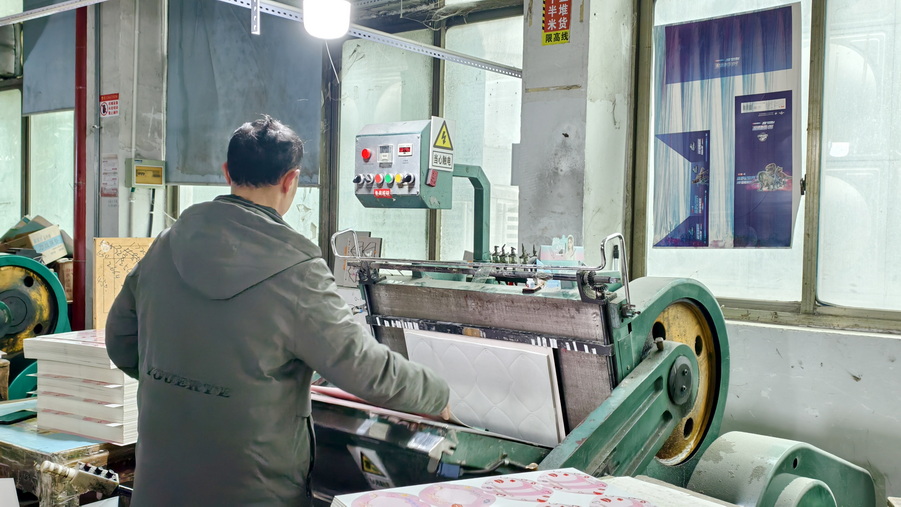
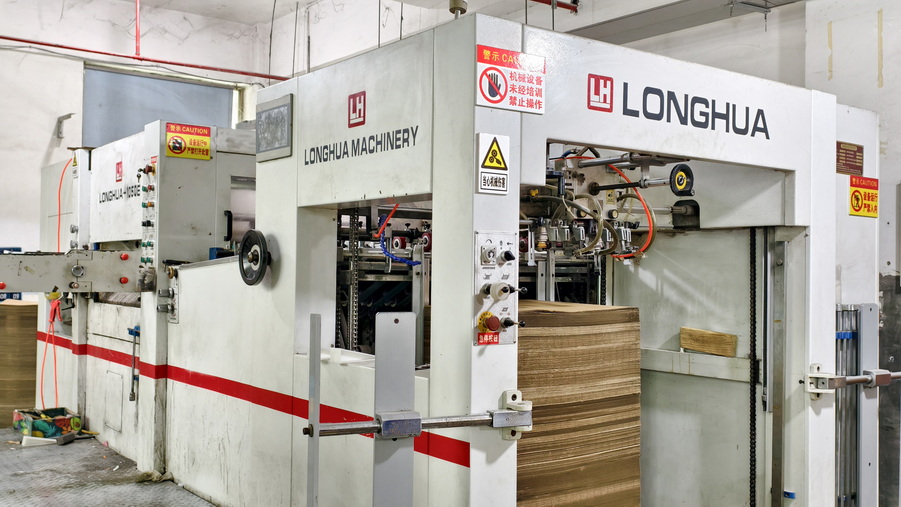
Because printing, die-cutting, box forming and final inspection are managed in one workflow, custom window cake box projects have fewer hand-offs. That matters when a San Jose bakery needs brand colors repeated across cake boxes, pastry cartons and gift boxes, or when a corporate buyer needs a consistent unboxing experience across several SKUs.
- SGS onsite-verified manufacturer and trading company
- Sample-based, design-based, minor logo and full customization
- FSC-certified paper options and eco-material review
- CMYK, Pantone, digital, hot foil, embossing, debossing and spot UV
- EVA, foam and paperboard insert options
- Physical or digital proof approved before mass production
Low-MOQ custom production
Most custom boxes start from 200 pieces, while simple folding styles can start from 100 pieces. Exact MOQ depends on size, board, window and finishing.
FSC and food-contact options
FSC-certified paper, recyclable kraft and paperboard, soy-based inks on request and plastic-free paper inserts can be quoted for suitable projects.
In-house print and finishing
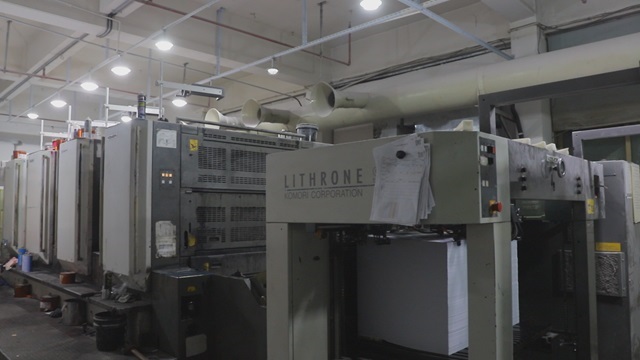
Offset and digital print, lamination, foil stamping, embossing, spot UV, die-cutting and box forming are coordinated in one production workflow.
Proof-first quality control
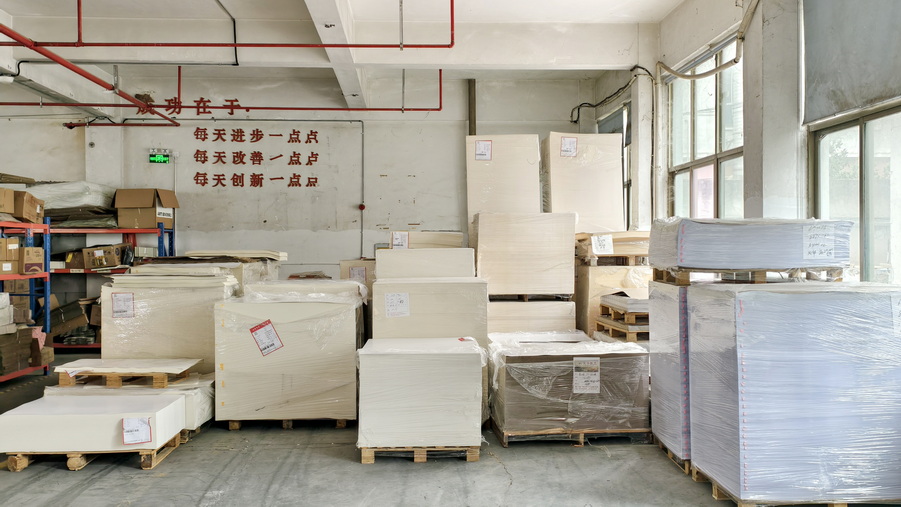
Dieline, artwork, material and sample approval reduce surprises before mass production. On-site incoming material inspection and final QC support export consistency.
From Brief to Delivered Window Cake Boxes
A clear approval gate at every stage keeps custom packaging projects predictable, especially when artwork, windows and inserts are developed together.
Brief & intent review
Share cake dimensions, weight, quantity, window preference, delivery method and target San Jose channel.
Dieline & proof
We recommend board, structure, window, barrier and finish, then provide a dieline or sample direction for approval.
Print, form & QC
Printing, lamination, die-cutting, box forming and inspection follow the approved specification and production schedule.
Export to San Jose
Final photos, packing details, carton marks and shipping documents are prepared for sea, air or express delivery.
Window Cake Boxes Manufacturer & Supplier Questions
These are the questions buyers ask most often when comparing custom bakery packaging suppliers for San Jose projects.
Are you a local San Jose window cake box supplier?
What is the MOQ for custom window cake boxes?
Can you make a cake box with a window and grease-resistant barrier?
Which window material is best for California buyers?
How do samples and artwork approval work?
How should we plan lead time and shipping to San Jose?
Request a San Jose-Ready Window Cake Box Quote
Send cake dimensions, product weight, window shape, estimated quantity, transport method, target retail or delivery use and artwork status. Our team will reply with structure advice, material options, insert suggestions and a production plan for your San Jose project.